Have you ever gone to bed at a reasonable hour, slept through most of the night, and still woken up feeling like you barely rested at all? It is one of the most frustrating health problems people deal with. You may think, “I slept long enough, so why do I still feel exhausted?” The answer is that sleep is not only about quantity. It is also about quality, timing, consistency, environment, and what your body is doing while you are asleep.

For most adults, the recommended amount of sleep is at least 7 hours per night, and many adults do best in the 7 to 9 hour range. But even if you technically spend enough time in bed, you may still wake up tired if your sleep is light, broken, poorly timed, or affected by habits that work against your body’s natural rhythm. Public health guidance also notes that insufficient or poor sleep is linked to worse mood, lower concentration, and a higher risk of chronic health problems.
Morning fatigue is often a signal, not a mystery. Sometimes the cause is simple: too much caffeine too late in the day, inconsistent bedtimes, screen use before bed, or a bedroom that is too bright, noisy, or warm. Other times, waking up tired may point to a deeper issue such as insomnia, sleep apnea, stress, depression, restless legs syndrome, medication effects, or an irregular schedule that keeps your internal body clock out of balance.
This guide will help you understand the most common reasons you may wake up feeling unrefreshed, how to review your sleep habits honestly, and what practical steps can help you sleep better and feel more alert in the morning.
Sleep Time Is Not the Same as Restorative Sleep
Many people assume that if they are in bed for eight hours, they should automatically feel refreshed. Unfortunately, sleep does not work that way. What matters is whether your brain and body are moving through healthy sleep cycles without too much interruption. Good sleep quality usually means you fall asleep in a reasonable amount of time, stay asleep for most of the night, and wake feeling restored rather than drained. The CDC and NHLBI both emphasize that healthy sleep is shaped by routine and sleep habits, not just by counting hours.
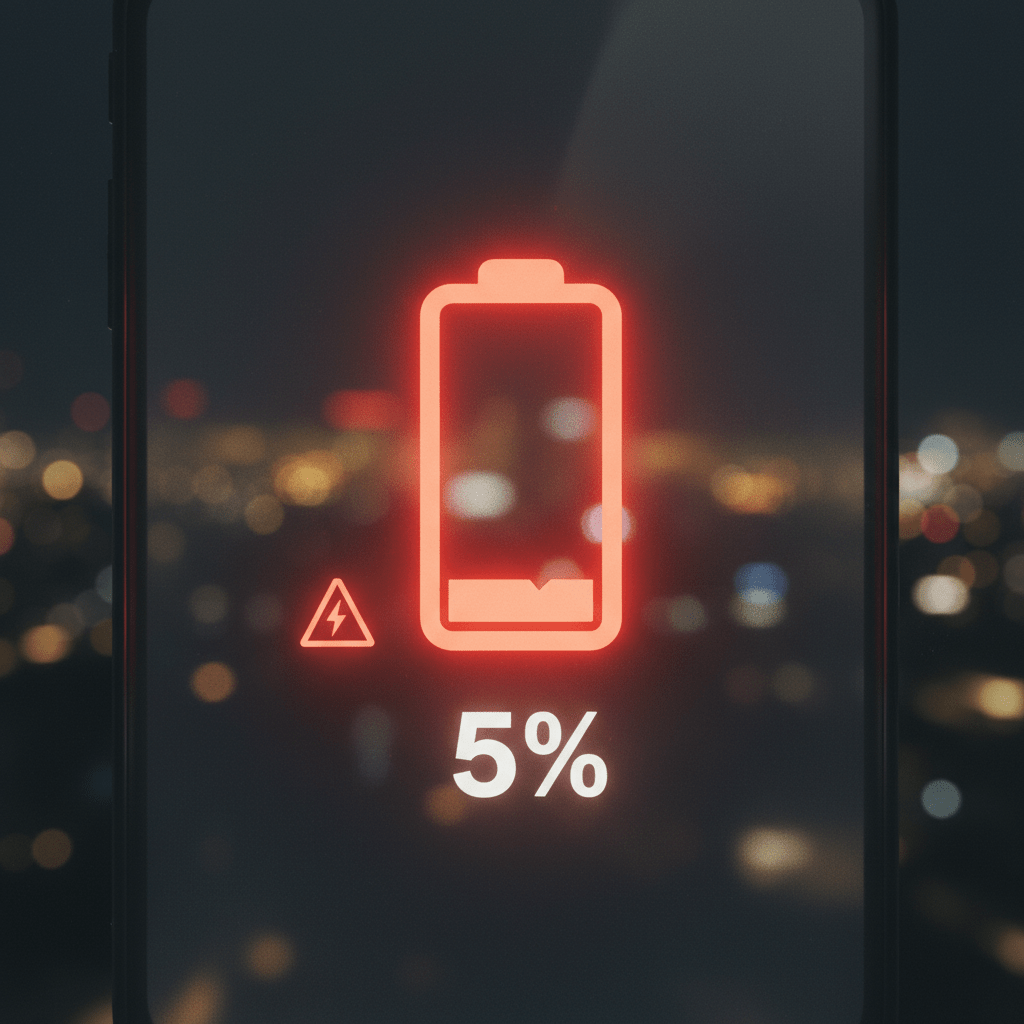
Think of sleep like charging a phone battery. If the charger is loose, the power cuts in and out, or the battery is damaged, leaving the phone plugged in for a long time does not necessarily give you a full charge. Your body works in a similar way. If your sleep is repeatedly interrupted, too shallow, mistimed, or affected by alcohol, stress, light exposure, or breathing problems, you may wake up with low energy even after spending plenty of time in bed.
That is why two people can both sleep for seven and a half hours and feel completely different in the morning. One may wake up clear-headed and energized. The other may feel groggy, heavy, irritable, and desperate for coffee.
The First Habit to Check: Your Sleep Schedule
One of the biggest reasons people wake up tired is an inconsistent sleep schedule. Going to bed at midnight on one night, 10:30 p.m. on the next, and 2 a.m. on the weekend can confuse your internal clock. Waking up at different times every day has the same effect. The body tends to function best when sleep and wake times are regular. Public health guidance recommends keeping a consistent sleep schedule, including on weekends, because this helps regulate your natural sleep-wake rhythm.
A lot of people try to “catch up” on sleep by sleeping much later on weekends. While extra sleep can sometimes help after sleep loss, a wildly different weekend schedule may leave you feeling groggy on Monday morning. Some people describe this as feeling like they have jet lag without ever leaving home. If you wake up tired most weekdays but sleep until noon on weekends, your body clock may be one of the first things to review.
A better pattern is to keep your wake-up time relatively stable every day. Even if bedtime varies slightly, a stable morning wake time can help train your body into a more predictable rhythm.
The Hidden Damage of Screens Before Bed
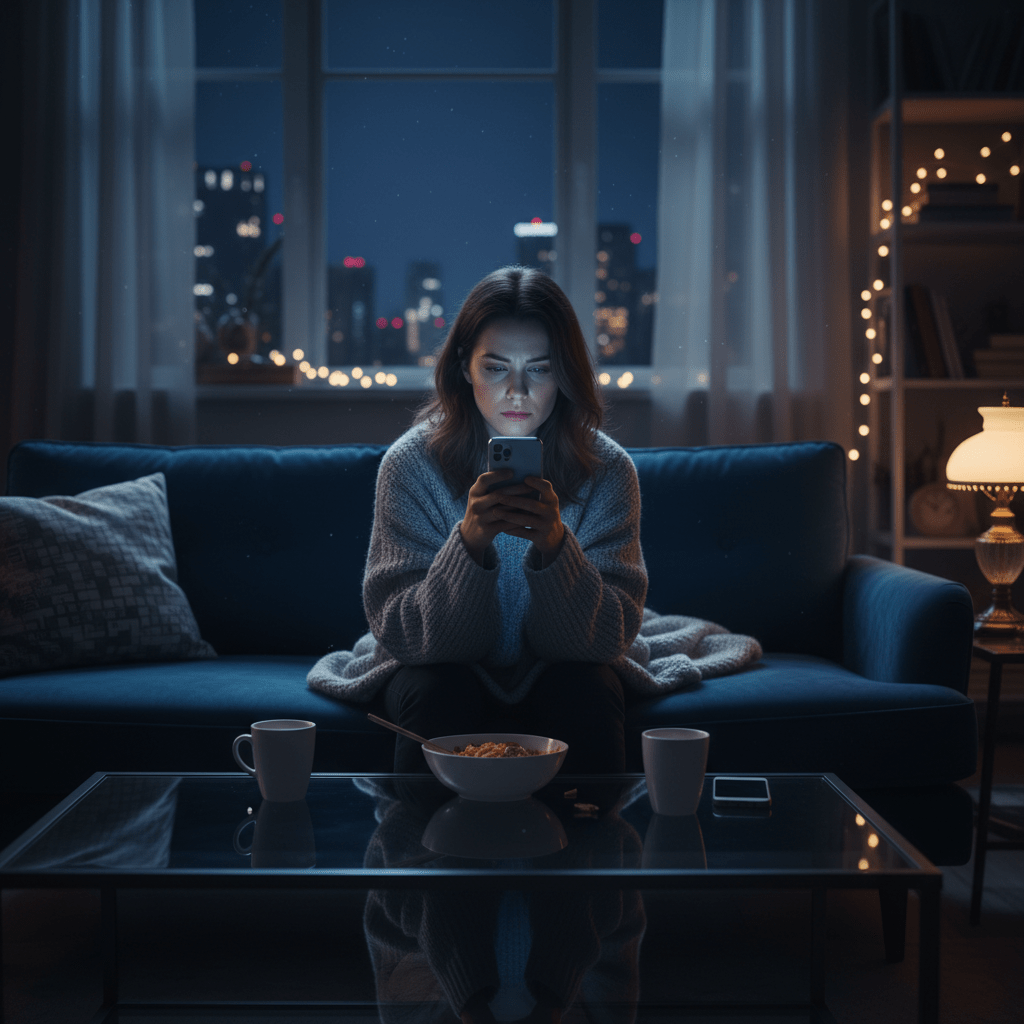
Another major factor is evening overstimulation. Many people spend the final hour before sleep scrolling social media, watching videos, replying to messages, or working on a laptop in bed. This may feel relaxing in the moment, but it can keep the brain mentally engaged when it should be winding down. The CDC specifically recommends limiting bright light exposure in the evening, and healthy sleep guidance also supports turning off electronic devices before bedtime.
The problem is not only the light from screens. It is also the mental stimulation. Your brain does not fully relax when you are processing emotional content, work stress, breaking news, or endless short videos. Even if you fall asleep quickly, the transition into restful sleep may be less smooth.
If you often wake tired, ask yourself a simple question: what is the last thing I do before I sleep? If the answer is checking your phone, answering emails, or watching content that keeps your mind active, your bedtime routine may be hurting your sleep more than you realize.
A calming pre-sleep routine does not need to be complicated. Reading a paper book, stretching lightly, taking a warm shower, dimming the lights, or simply sitting quietly for a few minutes can help signal to your body that the day is ending.
Caffeine: The Stimulant People Underestimate
Many people do not connect their afternoon habits to their morning fatigue. Caffeine is one of the clearest examples. The NHLBI notes that caffeine is a stimulant that can interfere with sleep, and its effects can last up to 8 hours. That means coffee, energy drinks, strong tea, caffeinated soda, or even chocolate later in the day may still affect your sleep at night.

This does not mean everyone must stop drinking coffee. It means timing matters. If you are struggling with unrefreshing sleep, one useful experiment is to cut off caffeine earlier than usual. Some people do better if their last caffeinated drink is before noon. Others can tolerate a little later. The point is to test whether your current intake is pushing into your sleep window.
Caffeine can also make sleep lighter. You may still fall asleep, especially if you are tired, but your sleep may be more fragile, and you may wake more easily during the night.
Alcohol May Make You Sleepy, But It Does Not Always Help You Sleep Well
A lot of adults use alcohol as a shortcut to relaxation at night. A drink may make you feel drowsy, but sleep experts have long warned that alcohol can reduce sleep quality. NHLBI guidance explains that while alcohol may make it easier to fall asleep, it can lead to lighter sleep and waking during the night after the sedating effect wears off.
This is why some people say, “I fall asleep fast after drinking, but I wake up feeling terrible.” The issue is not always how quickly you fall asleep. It is whether your sleep remains stable and restorative over the full night.
If waking up tired is a regular problem, look honestly at how often alcohol is part of your evening routine. Even small patterns can matter if they happen often enough.
Heavy Meals, Late Fluids, and Nighttime Disruption
Evening eating habits matter too. Guidance from NHLBI advises avoiding large meals and beverages late at night because they can lead to indigestion or frequent waking to urinate.
If you regularly eat a heavy meal close to bedtime, your body may still be busy digesting while you are trying to sleep. If you drink a lot of fluids at night, you may be waking up more often than you realize. Some people do not remember these awakenings clearly in the morning, but the broken sleep still affects how rested they feel.
This does not mean you need to go to bed hungry. It means paying attention to timing and comfort. A lighter evening meal and fewer drinks right before bed can make a noticeable difference for some people.

Your Bedroom May Be Working Against You
Sometimes the reason you wake up tired is not what you do before bed, but where you sleep. Sleep guidance consistently recommends a bedroom that is cool, dark, quiet, and comfortable.
A room that is too warm can make sleep restless. Bright lights from outside, blinking devices, hallway light, or early sunrise can interfere with sleep continuity. Noise from traffic, neighbors, television, pets, or a partner’s snoring can also reduce sleep quality, even if you do not fully wake up every time.
A sleep-friendly room does not need to be expensive. Blackout curtains, earplugs, a fan, a more supportive pillow, or moving your phone away from the bed can all help. Small changes in environment often lead to better mornings.
Your Body Needs Daytime Signals Too
Good sleep starts during the day, not only at night. NHLBI recommends spending time outside and being physically active. Daytime light exposure and movement help regulate the body clock and support better sleep at night.
Modern life makes this harder than it sounds. Many people work indoors all day, sit for long periods, and get very little natural sunlight. Then they expect their bodies to feel naturally sleepy at night. Our biology often responds better when we get strong daytime cues: light in the morning, movement during the day, and lower stimulation in the evening.
Exercise can also help, though very intense exercise too close to bedtime may make it harder for some people to fall asleep. NHLBI notes that regular daytime activity is beneficial and that exercise close to bedtime can be disruptive for some people.
Stress, Mental Overload, and “Tired but Wired”
One of the most common modern sleep problems is being physically tired but mentally alert. You may crawl into bed exhausted, but your mind keeps replaying conversations, tasks, worries, and unfinished plans. When stress stays high, falling asleep and staying asleep become harder.

Even if stress is not named directly in every sleep guide, it is clearly connected to the relaxing bedtime routine that health authorities recommend. A body that never truly shifts out of alert mode will struggle to produce deep, refreshing sleep.
This is why some people sleep “enough” on paper but still wake up drained. Their sleep is happening in a body that remains tense, activated, and not fully at ease. If this sounds familiar, improving sleep may require reducing mental stimulation, building an evening shutdown routine, journaling worries before bed, or addressing chronic stress more directly.
Napping Can Sometimes Make Things Worse
Naps are not always bad, but they can be part of the problem. NHLBI guidance advises avoiding naps, especially in the afternoon, when sleep problems are present.
If you are sleeping for long periods during the day, your body may not feel sleepy enough at night. Then you fall asleep later, sleep more lightly, and wake tired again the next morning. It becomes a frustrating cycle: poor sleep leads to daytime fatigue, daytime fatigue leads to napping, and napping leads to poorer nighttime sleep.
If you suspect naps are affecting you, try reducing them or keeping them short and earlier in the day.
When Morning Fatigue Might Signal a Sleep Disorder
Sometimes waking up tired is not mainly about habits. It may be a symptom of a sleep disorder or another health issue. One of the most important conditions to be aware of is obstructive sleep apnea. Mayo Clinic explains that sleep apnea causes repeated interruptions in breathing during sleep, which can make normal restorative sleep impossible and lead to severe daytime drowsiness and fatigue.
Possible signs include loud snoring, episodes of stopped breathing noticed by another person, gasping during sleep, waking with a dry mouth, morning headache, trouble concentrating, or excessive daytime sleepiness.
Insomnia is another possibility. Mayo Clinic notes that sleep-related disorders such as sleep apnea and restless legs syndrome can disrupt sleep, while insomnia itself may make it hard to fall asleep, stay asleep, or wake feeling rested.
If you have improved your habits and still feel exhausted, especially if you snore loudly, stop breathing in sleep, wake choking, have strong daytime sleepiness, or struggle to stay awake while driving or working, it is worth discussing with a healthcare professional. Persistent fatigue should not always be treated as a simple lifestyle issue.
A Practical Sleep Habit Check: Questions to Ask Yourself
If you wake up tired often, do a simple personal review. Be honest, because sleep problems are often hidden in routine.
Ask yourself:
Do I go to bed and wake up at roughly the same time every day?
Do I use my phone, laptop, or TV right before bed?
Do I drink caffeine in the afternoon or evening?
Do I drink alcohol to relax at night?
Do I eat large meals late?
Is my bedroom dark, cool, quiet, and comfortable?
Do I wake up often during the night?
Do I snore, wake gasping, or feel sleepy during the day?
Do I nap often because I feel exhausted?
Am I under ongoing stress that I carry into bed?
You do not need every answer to be perfect. But if several of these raise concerns, you may already be seeing why your mornings feel so difficult.
How to Build a More Restorative Sleep Routine
Improving sleep usually works best when you focus on a few simple, repeatable habits rather than trying to change everything at once.
Start with consistency. Try waking up at the same time every day, even on weekends. This is often more powerful than obsessing over bedtime. A stable wake time helps reset your body clock.
Next, protect the final hour before sleep. Lower the lights, step away from stimulating content, and give your brain a chance to slow down. Since bright light exposure in the evening can interfere with sleep, a calmer and dimmer nighttime routine often helps.
Then review your stimulants and sedatives. Move caffeine earlier in the day. Be cautious with alcohol at night. Health guidance is very clear that both can interfere with healthy sleep.
Improve your sleep environment. Make the room cooler, darker, and quieter. Remove distractions. Keep the bed associated with rest rather than work and scrolling.
Support sleep during daylight hours too. Get natural light when possible. Move your body regularly. Avoid relying on long naps to survive fatigue.
Most importantly, give any change enough time. Sleep habits often improve gradually. A routine that feels small can still produce a major difference after one to two weeks of consistency.
Why You May Feel Worst in the Morning
Morning fatigue can feel especially discouraging because it affects the first hours of your day. It can make work harder, exercise less appealing, and mood more fragile. Poor sleep is associated with lower attention, memory, and daily functioning, which is one reason mornings after bad sleep can feel mentally slow as well as physically heavy.
Some people also experience sleep inertia, that groggy period after waking when the brain does not feel fully online yet. This may be worse if sleep is fragmented, mistimed, or cut short. While some grogginess can be normal, regularly waking up feeling awful is a sign to review your routine and, if needed, look deeper.
When to Seek Medical Advice
Lifestyle changes can help many people, but not every case of waking up tired should be handled alone. Consider medical advice if:
you regularly sleep enough hours but still feel exhausted,
you snore loudly or are told you stop breathing in sleep,
you wake with choking, gasping, headaches, or dry mouth,
you feel so sleepy during the day that driving or working feels unsafe,
you have insomnia that lasts for weeks,
or fatigue is affecting your mood, concentration, or quality of life in a major way.
Morning fatigue can sometimes be related to sleep disorders, mental health conditions, medication side effects, or other medical issues. Getting checked does not mean something is seriously wrong. It means you are taking the signal seriously.

Final Thoughts
Waking up tired is incredibly common, but it should not be ignored. In many cases, the issue is not simply that you need “more sleep.” It is that your sleep habits, schedule, environment, or health are preventing your body from getting the kind of sleep that actually restores you.
The good news is that improvement often begins with a few honest observations. Look at your schedule. Look at your screens. Look at your caffeine, alcohol, naps, stress, and bedroom setup. Small patterns create big outcomes over time.
Better mornings usually begin the night before. And sometimes, they begin with a simple question: what is my sleep really like, not just how long am I in bed?

 ZestyHabit
댓글 남기기