
Seasonal transitions, especially between summer and autumn or winter and spring, often bring noticeable changes in temperature, humidity, and airborne allergens. During these periods, many people experience worsening symptoms of allergic rhinitis, commonly referred to as seasonal allergies.
Symptoms such as sneezing, a runny nose, nasal congestion, and itchy eyes can suddenly intensify when the seasons change. For individuals who already have sensitive nasal passages, these symptoms can significantly affect daily life, sleep quality, and overall comfort.
Understanding why rhinitis worsens during seasonal changes and how to manage it effectively can help reduce discomfort and maintain better respiratory health.
What Is Allergic Rhinitis?
Allergic rhinitis is an inflammatory reaction that occurs when the immune system overreacts to airborne substances known as allergens. These allergens may include:
- Pollen
- Dust mites
- Mold spores
- Pet dander
- Air pollutants
When these allergens enter the nose, the immune system releases chemicals such as histamine, which trigger inflammation in the nasal passages. This inflammatory response causes common symptoms such as:
- Frequent sneezing
- Runny nose
- Nasal congestion
- Itchy nose or throat
- Watery or itchy eyes
- Postnasal drip
While allergic rhinitis can occur year-round, symptoms often become significantly worse during seasonal transitions, also known as the “change of seasons.”
Why Rhinitis Gets Worse During Seasonal Changes
There are several environmental and physiological reasons why allergic rhinitis becomes more severe during seasonal transitions.

1. Sudden Temperature Changes
During transitional seasons, temperatures can fluctuate dramatically between day and night. These rapid changes affect the nasal mucosa, the sensitive tissue lining the inside of the nose.
Cold air and dry conditions can irritate the nasal lining, making it more reactive to allergens. As a result, even mild exposure to allergens can trigger stronger symptoms.
Additionally, temperature changes can cause the blood vessels inside the nose to expand and contract more frequently, leading to nasal congestion.
2. Increase in Airborne Allergens
Different seasons bring different types of allergens.
For example:
- Spring often brings tree pollen
- Summer may increase grass pollen
- Autumn can raise mold spore levels
- Winter increases exposure to indoor allergens such as dust mites
During seasonal transitions, these allergen levels may suddenly increase in the air, causing stronger immune reactions in sensitive individuals.
Windy weather during these periods can also spread pollen and dust particles more widely.
3. Lower Humidity and Dry Air
Seasonal changes often lead to lower humidity levels. Dry air can irritate and dry out the nasal passages, weakening the protective mucus barrier that normally traps allergens.
When the nasal lining becomes dry, allergens can penetrate more easily, increasing inflammation and triggering allergy symptoms.
Indoor heating systems during colder months can further dry out the air, worsening nasal irritation.
4. Weakening of the Immune System
Seasonal changes can temporarily affect the immune system. Factors such as:
- Temperature fluctuations
- Changes in sunlight exposure
- Poor sleep
- Increased fatigue
may reduce the body’s ability to regulate immune responses.
When the immune system becomes more sensitive, it may react more aggressively to allergens, worsening allergic rhinitis symptoms.
5. Increased Indoor Allergen Exposure
As temperatures drop, people tend to spend more time indoors. Indoor environments often contain allergens such as:
- Dust mites
- Pet dander
- Mold
- Indoor air pollutants
Poor ventilation can allow these allergens to accumulate, triggering persistent nasal symptoms.
Common Symptoms of Seasonal Rhinitis
Seasonal allergic rhinitis typically presents with the following symptoms:
- Repeated sneezing
- Persistent runny nose
- Nasal congestion
- Itchy or irritated nose
- Watery eyes
- Head pressure
- Fatigue due to poor sleep
In some cases, prolonged nasal congestion may also lead to sinus pressure or headaches.
Key Management Strategies for Seasonal Rhinitis
Although allergic rhinitis can be uncomfortable, several lifestyle habits and management strategies can significantly reduce symptoms.
1. Maintain Nasal Hygiene
One of the most effective ways to reduce allergens in the nose is regular nasal cleaning.
Using saline nasal sprays or nasal irrigation can help:
- Remove pollen and dust
- Reduce inflammation
- Moisturize nasal passages
- Improve breathing comfort
This method is especially helpful after returning home from outdoor activities.
2. Monitor Pollen and Air Quality Levels
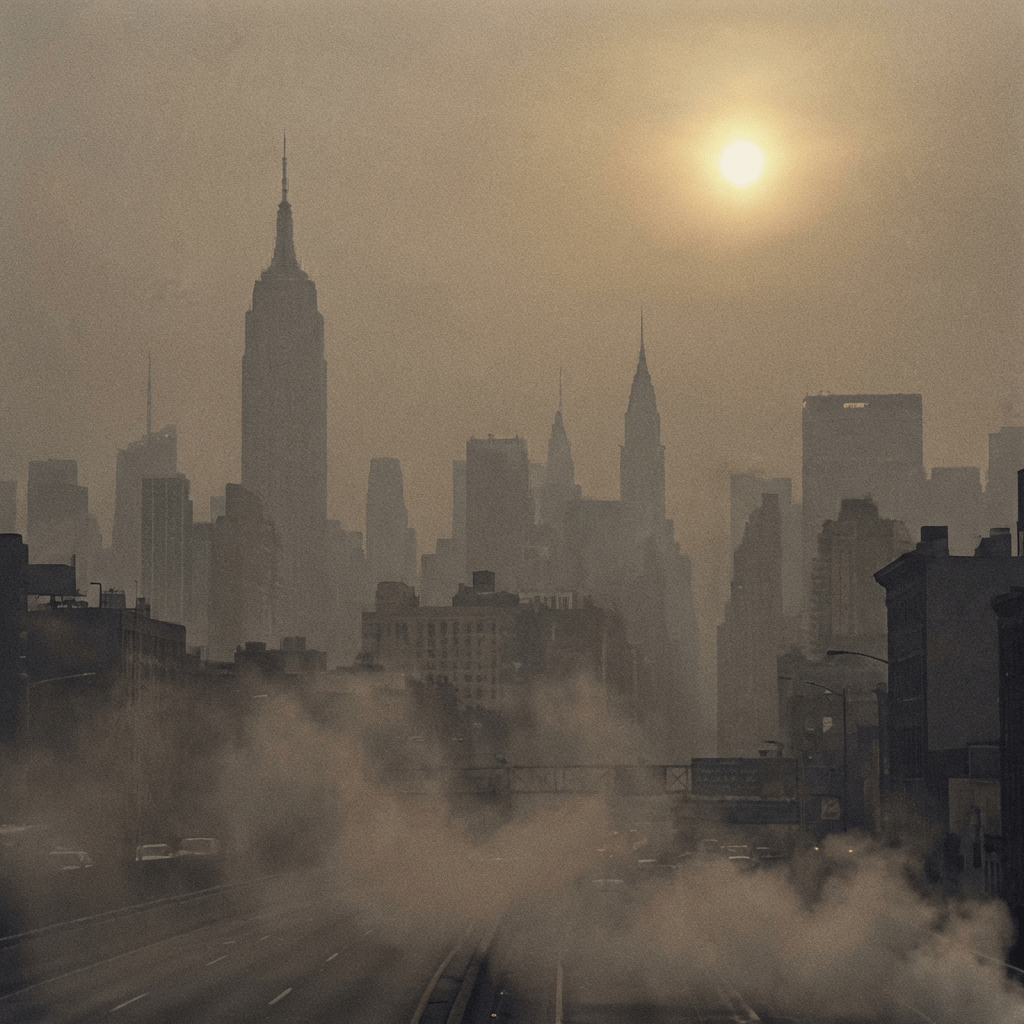
Checking daily pollen counts and air quality levels can help individuals plan outdoor activities more carefully.
On days when pollen levels are high:
- Limit outdoor exposure
- Keep windows closed
- Use air purifiers indoors
- Shower after spending time outside
These habits can significantly reduce allergen exposure.
3. Keep Indoor Air Clean
Maintaining good indoor air quality is essential for people with allergic rhinitis.
Helpful practices include:
- Using HEPA air purifiers
- Vacuuming regularly
- Washing bedding in hot water
- Controlling indoor humidity
- Reducing dust accumulation
These steps can help minimize indoor allergens.
4. Stay Hydrated
Drinking enough water helps maintain healthy mucus production in the nasal passages.
Proper hydration can:
- Thin nasal mucus
- Reduce congestion
- Improve sinus drainage
Warm liquids such as herbal tea can also soothe irritated nasal passages.
5. Strengthen the Immune System
Maintaining a healthy lifestyle can help regulate immune responses and reduce allergic reactions.
Key habits include:
- Getting adequate sleep
- Maintaining balanced nutrition
- Engaging in regular physical activity
- Managing stress
Foods rich in vitamin C, omega-3 fatty acids, and antioxidants may also support immune health.
6. Use Medications When Necessary
For individuals with severe symptoms, medications may be helpful. Common treatments include:
- Antihistamines
- Nasal corticosteroid sprays
- Decongestants
- Leukotriene inhibitors
These medications help reduce inflammation and allergic reactions.
However, it is important to consult a healthcare professional before using long-term medication.
When to See a Doctor
While seasonal rhinitis is common, medical consultation may be necessary if symptoms:
- Persist for several weeks
- Significantly interfere with sleep
- Cause severe sinus pain
- Lead to breathing difficulties
- Do not improve with basic management
A healthcare provider may recommend allergy testing or specialized treatment plans.
Final Thoughts
Seasonal transitions can trigger significant changes in environmental conditions, making allergic rhinitis symptoms more noticeable and uncomfortable. Temperature fluctuations, increased allergens, dry air, and lifestyle changes all contribute to worsening nasal inflammation during these periods.
Fortunately, with proper awareness and preventive habits — such as maintaining nasal hygiene, improving indoor air quality, staying hydrated, and managing allergen exposure — many people can effectively reduce seasonal rhinitis symptoms.
Taking proactive steps during seasonal transitions can help protect respiratory health and ensure greater comfort throughout the year.
 ZestyHabit
Leave a comment