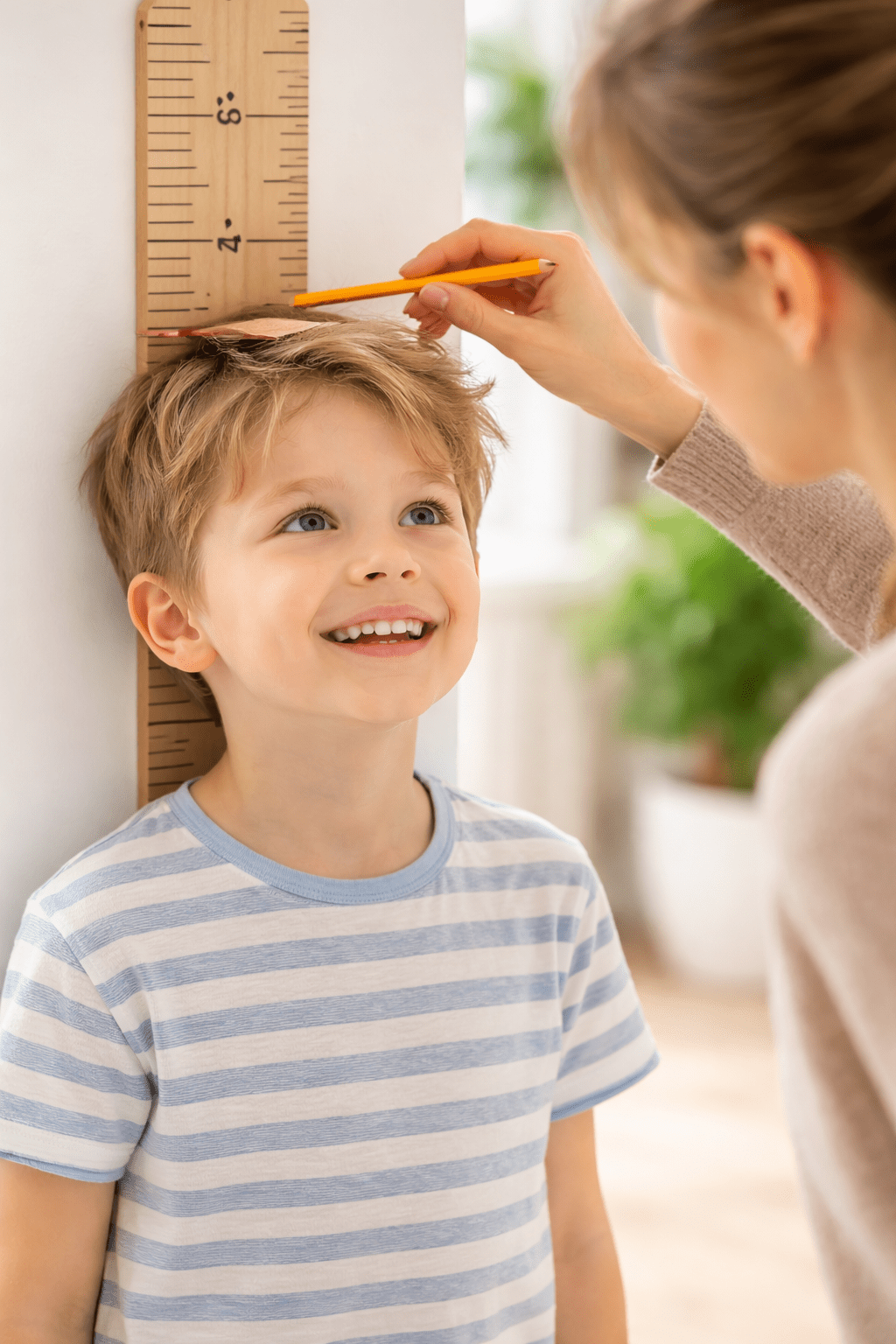
Childhood and adolescence are periods of rapid physical, mental, and emotional development. During these years, the body grows quickly, bones strengthen, muscles develop, and the brain undergoes significant changes. One of the most powerful factors that can positively influence this development is regular physical activity. Developing exercise habits during the growth years not only supports healthy physical growth but also builds lifelong habits that contribute to overall well-being.
In this article, we will explore why exercise is especially important during the growth period, how it affects physical and mental development, and how establishing healthy movement habits early in life can create long-term health benefits.
What Are the “Growth Years”?
The term growth years typically refers to childhood and adolescence, generally ranging from about ages 6 to 18. During this time, the body experiences major developmental milestones such as:
- Rapid bone growth
- Muscle development
- Hormonal changes
- Brain development
- Increased physical coordination
Because the body is developing so quickly, the habits formed during this period can strongly influence health outcomes later in life.
Exercise plays a crucial role in supporting this development and helping young people build a strong physical foundation.
Exercise Strengthens Bones and Supports Height Growth

One of the most important reasons exercise matters during growth is its effect on bone development.
Bones are living tissues that respond to physical stress. When children engage in weight-bearing activities such as running, jumping, or playing sports, their bones adapt by becoming denser and stronger.
This process helps:
- Increase bone mineral density
- Strengthen joints and ligaments
- Reduce the risk of fractures
- Build a stronger skeletal structure
While genetics largely determines a person’s final height, regular exercise helps ensure that the body reaches its natural growth potential by supporting healthy bone formation.
Activities especially beneficial for bone development include:
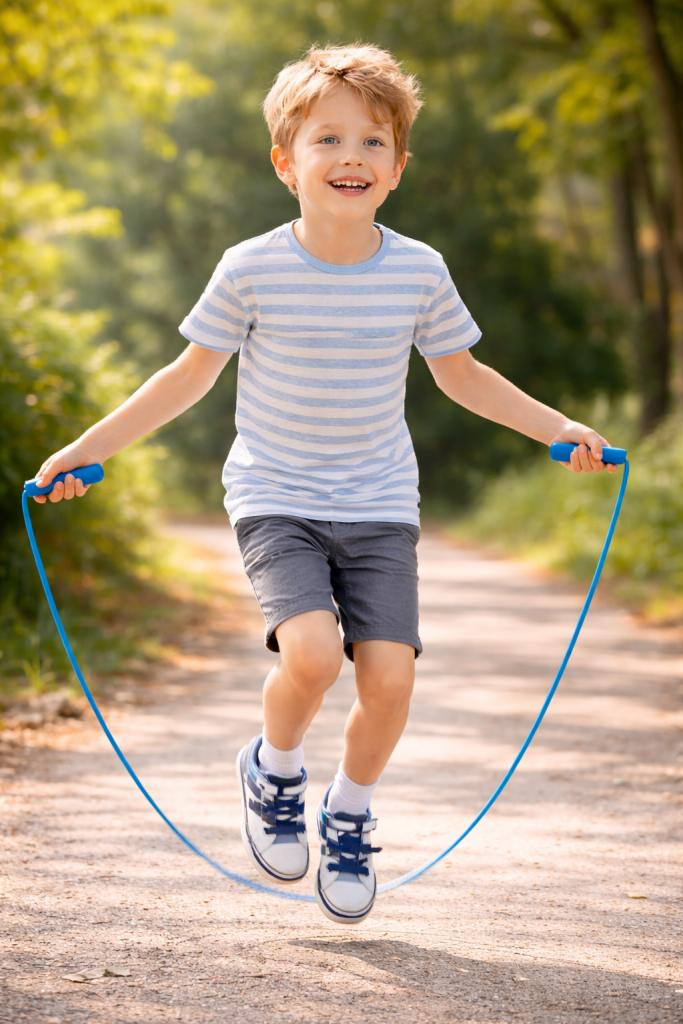
- Jump rope
- Basketball
- Soccer
- Running
- Gymnastics
- Climbing
These activities place healthy stress on bones, encouraging them to grow stronger.
Exercise Helps Build Healthy Muscles
During adolescence, the body begins producing more growth-related hormones, including growth hormone and testosterone. These hormones help increase muscle mass and strength.
Regular exercise supports this process by:
- Improving muscle coordination
- Increasing muscle strength
- Enhancing balance and flexibility
- Supporting proper posture
Without sufficient physical activity, muscles may remain underdeveloped, which can lead to issues such as poor posture, back pain, and reduced physical endurance later in life.
Strength does not necessarily mean lifting heavy weights. Many simple activities naturally develop muscle strength, such as:
- Bodyweight exercises (push-ups, squats)
- Swimming
- Cycling
- Playing sports
- Climbing playground equipment
Exercise Supports Brain Development
Physical activity is not only good for the body—it is also extremely beneficial for the brain.

During exercise, the brain releases chemicals such as:
- Endorphins, which improve mood
- Dopamine, which supports motivation
- Brain-derived neurotrophic factor (BDNF), which helps brain cells grow and connect
These chemicals support cognitive development and learning ability.
Research shows that children who exercise regularly often experience improvements in:
- Concentration
- Memory
- Academic performance
- Problem-solving ability
Exercise also increases blood flow to the brain, delivering more oxygen and nutrients that support brain function.
Exercise Helps Prevent Childhood Obesity
In modern society, children are spending more time sitting and using screens than ever before. This sedentary lifestyle increases the risk of childhood obesity, which can lead to long-term health problems.
Regular exercise helps maintain a healthy balance between energy intake and energy expenditure. It supports healthy weight management by:
- Burning calories
- Increasing metabolism
- Improving insulin sensitivity
- Supporting cardiovascular health
Children who develop active lifestyles are also more likely to continue these habits into adulthood, reducing the risk of chronic diseases such as:
- Type 2 diabetes
- Heart disease
- High blood pressure
Exercise Improves Emotional Health
Growing up can be emotionally challenging. School pressure, social relationships, and identity development can create stress for many children and teenagers.

Exercise provides a healthy outlet for stress and emotional regulation.
Regular physical activity helps:
- Reduce anxiety
- Improve mood
- Boost self-confidence
- Support better sleep
- Reduce symptoms of depression
Team sports and group activities also provide opportunities for social interaction, which can strengthen friendships and build communication skills.
Children who participate in sports often develop valuable life skills such as teamwork, discipline, and perseverance.
Exercise Builds Healthy Habits for Life
One of the most important benefits of exercise during the growth years is the development of lifelong habits.
Habits formed during childhood tend to persist into adulthood. Children who grow up enjoying physical activity are far more likely to remain active later in life.
This long-term habit formation helps prevent many adult health issues, including:
- Obesity
- Cardiovascular disease
- Metabolic disorders
- Mental health problems
On the other hand, children who develop sedentary lifestyles may find it much harder to adopt healthy behaviors later.
Encouraging regular exercise early helps establish a positive relationship with movement and health.
How Much Exercise Do Growing Children Need?
Health organizations generally recommend that children and teenagers engage in at least 60 minutes of physical activity per day.
This activity does not need to occur all at once. It can include a mix of:
- Moderate activities (walking, cycling)
- Vigorous activities (running, sports)
- Muscle-strengthening exercises
- Bone-strengthening exercises
The key is consistency and variety.
Children should be encouraged to explore different activities so they can find exercises they truly enjoy.
Encouraging Healthy Exercise Habits
Parents and educators play an important role in helping children develop healthy exercise habits.
Some effective strategies include:
Make exercise fun.
Children are more likely to stay active if the activity feels like play rather than obligation.
Limit excessive screen time.
Reducing time spent on phones, tablets, and computers encourages more active behavior.
Encourage outdoor play.
Outdoor activities naturally involve movement and exploration.
Participate as a family.
Family walks, bike rides, or sports activities can help reinforce healthy habits.
Focus on enjoyment rather than competition.
Not every child enjoys competitive sports, so offering different types of activities is important.
Final Thoughts
Exercise during the growth years plays a critical role in shaping both physical and mental health. Regular physical activity supports stronger bones, healthier muscles, improved brain function, and better emotional well-being.
More importantly, the habits developed during childhood often last a lifetime. Encouraging children to stay active helps build a strong foundation for long-term health and happiness.
By promoting fun, consistent, and diverse physical activities, parents and communities can help young people grow into healthier and more confident adults.
 ZestyHabit
Leave a comment