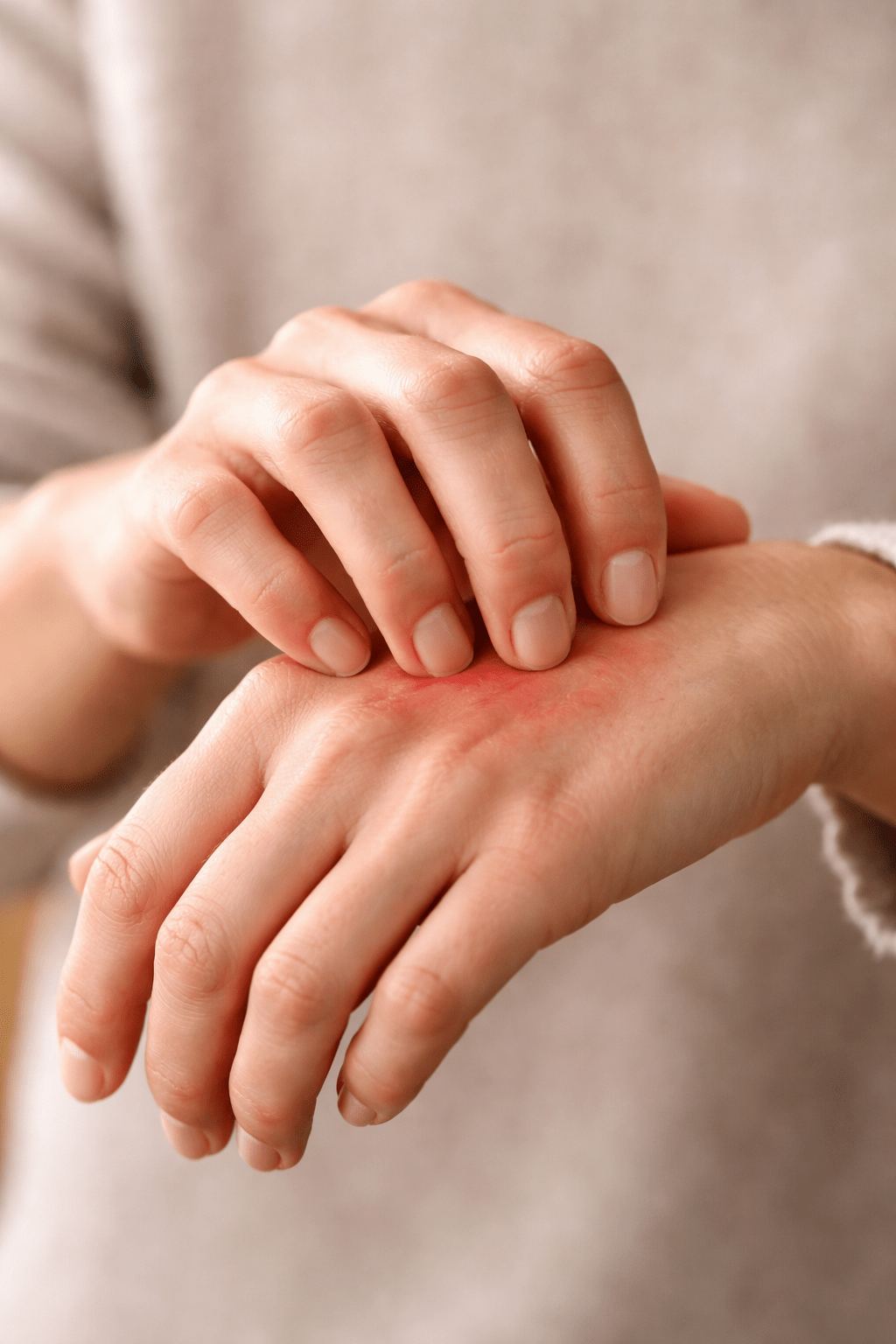
When the seasons change, many people notice an uncomfortable shift in their skin. One week your skin feels normal, and the next it suddenly becomes dry, tight, and incredibly itchy. This phenomenon is especially common during the transition from summer to fall or winter to spring, when temperature, humidity, and environmental conditions fluctuate rapidly.

If you’ve ever wondered why your skin becomes itchy during seasonal changes—and what you can do about it—you’re not alone. Understanding the science behind seasonal skin irritation can help you build simple moisturizing habits that protect your skin all year round.
In this guide, we’ll explore why seasonal changes cause itching, what happens to your skin barrier, and the best moisturizing routines to keep your skin calm, hydrated, and healthy.
Why Skin Gets Itchy During Seasonal Changes
Seasonal skin itchiness is not just about dryness. It’s a combination of environmental stress, weakened skin barriers, and changes in humidity and temperature.
1. Sudden Drops in Humidity
One of the biggest reasons skin becomes itchy during seasonal transitions is a drop in humidity.
In warm months, the air tends to hold more moisture. But as temperatures drop, especially in autumn and winter, the air becomes significantly drier. Low humidity pulls moisture away from the skin, leaving it dehydrated.
When skin loses water too quickly, the outermost layer—called the stratum corneum—becomes compromised. This leads to:
- Flaky skin
- Tightness
- Micro-cracks in the skin surface
- Increased itchiness
Even indoor heating systems can worsen the problem by drying out the air inside homes.
2. A Weakened Skin Barrier
Your skin barrier acts like a protective wall that keeps moisture in and irritants out. When seasonal changes occur, this barrier can weaken.
Cold weather, wind exposure, and dry air strip away natural oils that keep the barrier intact. Once the barrier is damaged, water evaporates faster from the skin—a process called transepidermal water loss (TEWL).
As moisture escapes, the skin becomes more sensitive and prone to itching.
A compromised skin barrier may also allow irritants and allergens to penetrate more easily, further increasing discomfort.
3. Temperature Fluctuations
Rapid temperature changes can confuse your skin.
For example:
- Cold outdoor air dries skin
- Warm indoor heating strips moisture
- Frequent transitions between the two stress the skin
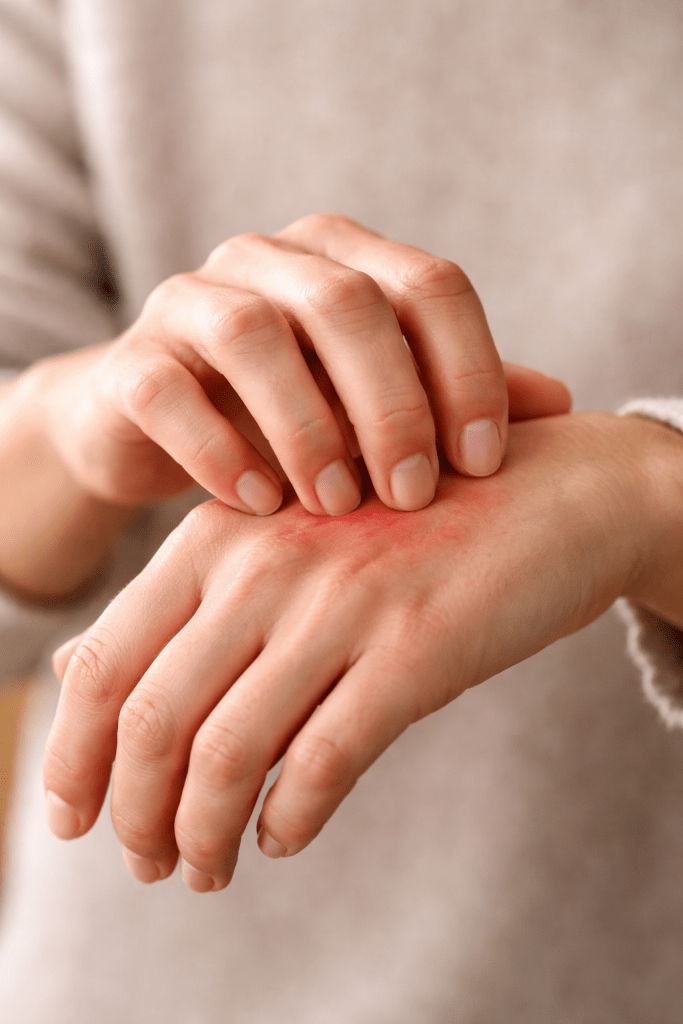
This constant adjustment disrupts the skin’s natural balance and can trigger itching, redness, and irritation.
4. Increased Sensitivity During Seasonal Shifts
Seasonal transitions can also increase skin sensitivity.
Factors like wind, allergens, and pollution often change with the seasons. When the skin barrier is already weakened, these external triggers can easily irritate nerve endings in the skin.
That irritation is what produces the sensation of itchiness.
In some cases, people who normally have mild skin may suddenly experience conditions like:
- Seasonal eczema flare-ups
- Contact dermatitis
- Dry skin dermatitis
5. Hot Showers and Harsh Cleansers
Ironically, some habits people use to feel comfortable during colder seasons can make itching worse.
Hot showers may feel relaxing, but they remove natural oils that keep the skin hydrated.
Similarly, many soaps and body washes contain strong surfactants that strip away protective lipids. When these oils disappear, the skin becomes vulnerable to dryness and irritation.
The Science of Moisturizing: Why It Matters
Moisturizing is not just about making skin feel softer—it is essential for maintaining the health of the skin barrier.
A good moisturizer works in three main ways:
- Humectants attract water to the skin
- Emollients smooth and repair the skin surface
- Occlusives lock moisture inside the skin
When used consistently, moisturizers help reduce water loss, repair barrier damage, and calm itchy skin.
This is why dermatologists recommend moisturizing as the most important habit for managing seasonal dryness.
Best Moisturizing Habits for Seasonal Skin
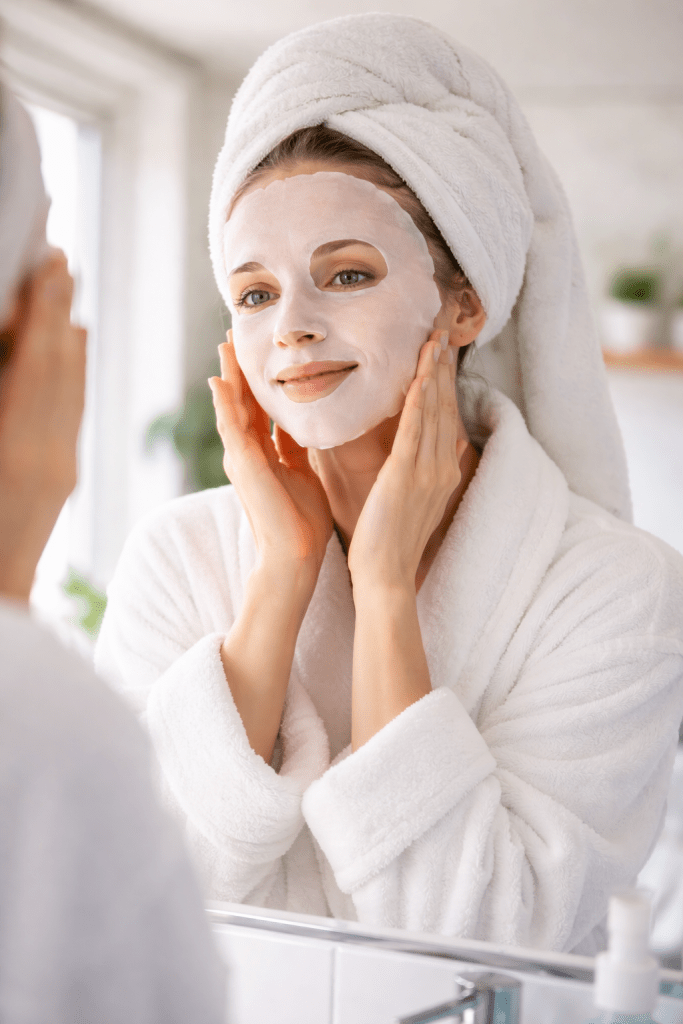
Building the right skincare habits can dramatically reduce itchiness during seasonal transitions. The key is consistency and choosing products that support your skin barrier.
1. Moisturize Immediately After Showering
One of the most effective habits is applying moisturizer within three minutes after bathing.
When your skin is slightly damp, it absorbs hydration more effectively. Applying moisturizer during this window helps trap water inside the skin.
This technique is often called the “soak and seal” method.
To maximize the effect:
- Pat skin dry instead of rubbing
- Apply a thick moisturizer
- Focus on areas prone to dryness like elbows, knees, and hands
2. Choose Creams Over Lotions
Not all moisturizers provide the same level of hydration.
Lotions contain more water and tend to evaporate quickly, which makes them lighter but less protective.
Creams and ointments contain more oils and occlusive ingredients that lock moisture into the skin.
For seasonal dryness, dermatologists usually recommend:
- Cream-based moisturizers
- Barrier repair creams
- Ointments for extremely dry areas
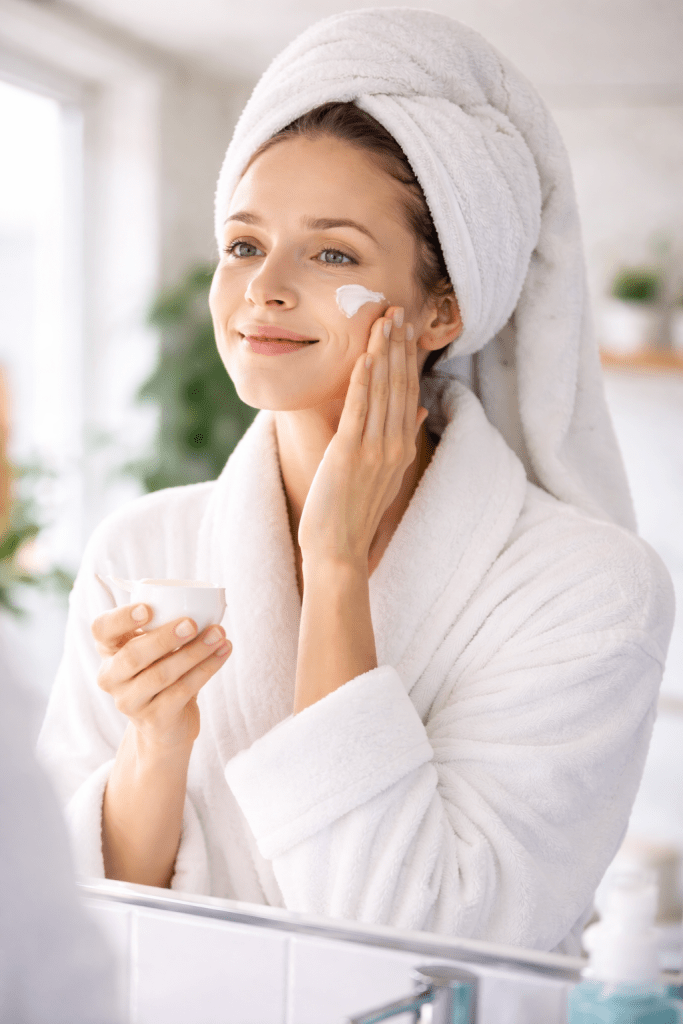
These formulations create a protective layer that prevents moisture loss.
3. Look for Barrier-Repair Ingredients
Certain ingredients are especially effective for repairing the skin barrier.
Some of the most beneficial ones include:
- Ceramides – rebuild the skin’s natural lipid barrier
- Hyaluronic acid – attracts water to the skin
- Glycerin – powerful humectant that retains moisture
- Shea butter – nourishes and softens skin
- Squalane – restores moisture balance
Products containing these ingredients can significantly improve hydration and reduce itching.
4. Avoid Overly Hot Showers
Hot showers may feel comforting, especially during colder months, but they can worsen dryness.
Dermatologists recommend:
- Using lukewarm water
- Limiting showers to 10 minutes
- Using gentle, fragrance-free cleansers
Reducing exposure to hot water helps preserve natural oils and keeps the skin barrier intact.
5. Use a Humidifier Indoors
Indoor heating systems can dramatically reduce humidity levels inside homes.
A humidifier helps restore moisture to the air, which prevents excessive water loss from the skin.
Ideally, indoor humidity should stay between 40–60% to support healthy skin.
Running a humidifier at night can make a noticeable difference in skin hydration.
6. Hydrate From Within
While skincare products are important, hydration from within also matters.
Drinking enough water supports overall skin function and helps maintain moisture balance.
Foods rich in healthy fats can also benefit the skin barrier. Examples include:
- Avocados
- Nuts
- Olive oil
- Fatty fish like salmon
These nutrients provide essential fatty acids that support skin health.
7. Protect Skin From Wind and Cold
During colder seasons, wind and low temperatures can rapidly dry out exposed skin.
Protective measures include:
- Wearing gloves
- Using scarves to cover the face
- Applying thicker creams before going outside
Barrier creams act like shields against harsh environmental conditions.
When Itching May Signal a Skin Condition
While seasonal dryness is common, persistent itching may indicate an underlying condition.
If itching becomes severe or is accompanied by symptoms like redness, swelling, or cracked skin, it could be related to:
- Eczema (atopic dermatitis)
- Psoriasis
- Allergic reactions
- Contact dermatitis
In these cases, consulting a dermatologist is recommended. Medical treatments such as prescription creams or antihistamines may be necessary.
A Simple Seasonal Skincare Routine
If you want an easy routine to prevent seasonal itching, consider the following daily habits:
Morning routine:
- Use a gentle cleanser
- Apply a hydrating serum (optional)
- Use a barrier-repair moisturizer
- Apply sunscreen
Evening routine:
- Take a lukewarm shower
- Use a mild body wash
- Apply a thick moisturizer immediately after drying
- Use ointment on very dry areas
Consistency is the most important factor. Even the best products will not work if they are used only occasionally.
Final Thoughts
Seasonal skin itchiness is extremely common, but it doesn’t have to be unavoidable. Most cases are caused by environmental dryness, weakened skin barriers, and habits that unintentionally strip moisture from the skin.
By understanding how seasonal changes affect your skin and adopting simple moisturizing habits—like using barrier-repair creams, avoiding hot showers, and maintaining indoor humidity—you can protect your skin from irritation and dryness.
Healthy skin isn’t just about appearance. It’s about maintaining the delicate balance that allows your skin to function as a protective barrier for your entire body.
With the right routine, you can keep your skin comfortable, hydrated, and itch-free no matter what the season brings.
 ZestyHabit
Leave a comment