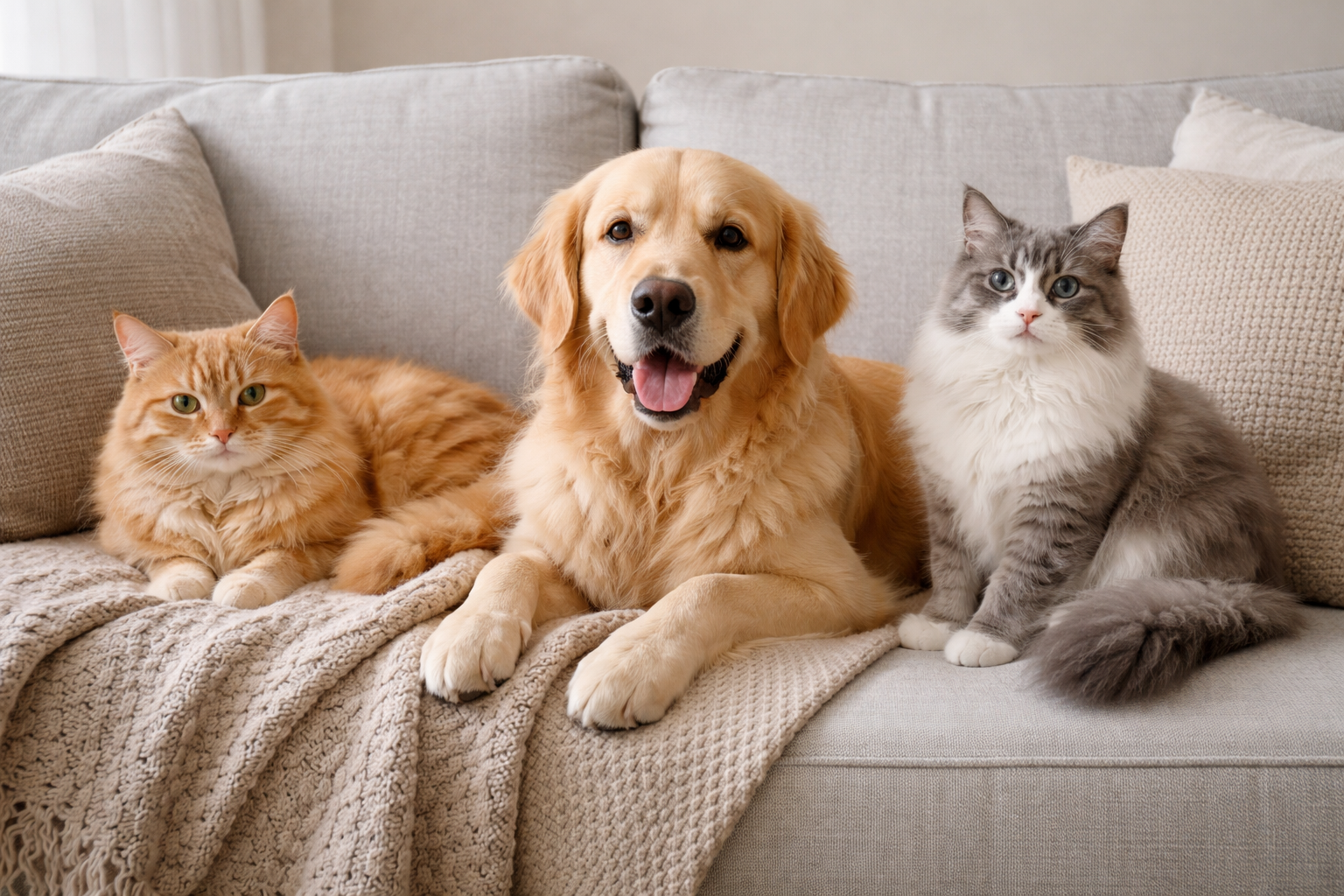

Living with pets is one of life’s great pleasures. A dog waiting at the door, a cat curled up on the couch, or even a curious rabbit hopping across the living room can make a home feel warmer and more alive. But as every pet owner knows, animals also bring fur, dander, muddy paws, odors, and the occasional surprise mess. That does not mean a pet-friendly home has to feel messy or unhygienic. It simply means your cleaning habits need to be smarter, more consistent, and designed around real daily life.
A healthy home with pets is not about chasing perfection. It is about prevention. Instead of waiting until pet hair covers every surface or smells begin to linger, the best approach is to build a simple hygiene routine that keeps dirt, bacteria, and allergens under control from the start. When done well, this routine protects both human health and animal health, while also making your home easier to manage in the long run.
In this post, we will walk through a realistic home hygiene prevention routine for households living with pets. From cleaning high-contact areas to managing odors, food bowls, litter boxes, bedding, and grooming habits, these everyday practices can help keep your home cleaner, fresher, and healthier without turning your life into a nonstop cleaning session.
Why Pet Hygiene at Home Matters
Pets are family, but they also move through the home differently than humans do. They walk outside and return with dirt on their paws. They shed hair and skin flakes. They may lick surfaces, sleep on furniture, or track bits of food around their feeding area. Some pets, especially young, elderly, or sick animals, may also have accidents that need quick attention.
Poor hygiene in pet households can lead to more than just unpleasant smells. It can contribute to allergens in the air, bacterial growth around food and water bowls, skin irritation, pest problems, and even mold or floor damage if moisture is not handled properly. For homes with children, older adults, or anyone with allergies or a weakened immune system, prevention becomes even more important.
The good news is that pet-related hygiene issues are usually very manageable. A clean home with pets does not depend on deep cleaning every single day. It depends on a well-planned routine made up of small habits that prevent buildup before it becomes harder to control.
Start With the Right Mindset: Clean in Layers
One of the biggest mistakes pet owners make is thinking cleaning has to be extreme. In reality, the most effective routine is layered.
Daily habits keep mess from spreading. Weekly habits control buildup. Monthly habits target the hidden areas that are easy to forget. This approach is more sustainable and much less overwhelming.
A pet hygiene routine works best when it focuses on five areas:
- Fur and dander control
- Paw and surface cleanliness
- Feeding and bathroom area sanitation
- Fabric and bedding care
- Air quality and odor prevention
Once you understand these categories, it becomes much easier to create a routine that fits your home and lifestyle.
Daily Hygiene Habits That Make the Biggest Difference
Daily prevention is the heart of a clean pet-friendly home. These tasks do not have to take long, but they are the reason everything feels under control.
1. Wipe Paws Before Pets Enter Main Living Areas
This is one of the simplest and most effective habits you can build. Pets can carry dirt, pollen, road dust, moisture, and bacteria on their paws. A quick paw wipe after walks or outdoor time helps prevent all of that from ending up on floors, rugs, and furniture.
You can keep a towel, pet-safe paw wipes, or a shallow paw-cleaning cup near the entrance. On rainy days or after park visits, this small routine can save you from a much bigger cleanup later.
For dogs, this is especially important during wet seasons. For cats that go outdoors, keeping paws clean is harder, but regularly checking entry areas and floor zones near doors helps reduce what gets tracked into the rest of the house.
2. Clean Food and Water Bowls Every Day
Pet bowls are one of the most overlooked hygiene spots in the house. Food residue and saliva can quickly create a breeding ground for bacteria, especially in warm indoor environments.
Wash food and water bowls daily with warm water and mild soap. Rinse thoroughly to make sure no cleaning product remains. Refill water with fresh water at least once a day, and more often if it becomes cloudy or has food particles floating in it.
If your pet eats wet food, prompt cleaning is even more important. Leaving used bowls out for hours can attract insects and create odor issues very quickly.
3. Scoop Litter Boxes or Clean Bathroom Areas Promptly
If you live with cats, litter box hygiene is non-negotiable. Scoop waste at least once a day, and more often in multi-cat households. A dirty litter box does not just smell bad. It also makes cats less likely to use it consistently, which can lead to accidents elsewhere in the house.
For dogs using indoor pads or designated potty areas, remove waste promptly and disinfect the surface regularly using pet-safe products. Delay leads to odor buildup, staining, and repeated marking behavior.
Bathroom hygiene is not only about smell. It also affects your pet’s comfort, stress level, and toilet habits.
4. Vacuum or Sweep High-Traffic Zones
You do not need to vacuum the entire home every day, but it helps to quickly clean the areas your pets use most. Entryways, feeding zones, couch areas, and pet sleeping corners often collect fur, dust, litter granules, or tracked debris.
A quick daily pass with a vacuum, cordless stick cleaner, or broom can stop hair and dirt from spreading deeper into the home. This is especially useful if your pet sheds heavily or if anyone in the home has allergies.
5. Spot-Clean Messes Immediately
Whether it is drool on the floor, a hairball, muddy paw prints, or a toilet accident, fast cleanup is always better than delayed cleanup. The longer a mess sits, the more likely it is to stain, smell, or encourage bacteria.
Keep a small pet-cleaning kit in an easy-to-reach area. It can include paper towels, microfiber cloths, enzyme cleaner, disposable gloves, and a pet-safe disinfectant. Having everything ready makes you much more likely to clean promptly instead of putting it off.
Weekly Cleaning Tasks for Better Hygiene Control
Daily habits keep visible mess under control, but weekly cleaning is what keeps the home truly fresh and healthy over time.
1. Wash Pet Bedding and Blankets
Pet beds, blankets, crate liners, and favorite couch throws collect fur, body oils, dirt, and odors faster than many people realize. Washing them weekly helps reduce odor, allergens, and skin irritation.
Use a pet-safe detergent and make sure the bedding dries fully before reuse. Damp bedding can develop mildew smells and become uncomfortable for your pet.
If your pet sleeps on your bed or furniture, washing those fabrics regularly matters too. Even if they look clean, soft surfaces hold onto dander and odor.
2. Mop Hard Floors in Pet Areas
Vacuuming removes hair and loose debris, but it does not fully clean the surfaces where pets walk, eat, and rest. Weekly mopping helps remove dried saliva, paw marks, and invisible grime.
Use a floor cleaner that is safe for pets, especially if animals tend to lick the floor or lie down on it frequently. Avoid products with strong chemical residues unless you are certain they are fully safe once dry.
3. Disinfect Feeding Stations
The area around bowls often becomes sticky or dirty from spills, crumbs, or splashes. Once a week, move the bowls and fully clean the mat, floor, and nearby wall if needed.
This is particularly important for enthusiastic eaters or messy drinkers. Clean feeding zones discourage bacteria, mold, ants, and lingering smells.
4. Brush Pets Regularly
Grooming is hygiene. Brushing your pet removes loose fur, reduces shedding around the house, and helps you notice skin problems early. It also improves coat health and reduces tangles.
The ideal frequency depends on the pet’s breed and coat type. Some animals need brushing every day, while others do fine with a few sessions a week. Either way, regular grooming reduces the amount of hair and dander ending up on your floors and furniture.
5. Clean Toys and Frequently Used Accessories
Pet toys, leashes, collars, harnesses, and carriers pick up saliva, dust, outdoor dirt, and odors. Fabric toys can often be machine washed, while rubber and plastic toys can be washed with warm soapy water.
Do not forget the items pets use every day. Clean accessories are part of a truly hygienic environment.
Monthly Deep-Cleaning Tasks You Should Not Skip
Some hygiene problems build slowly and are easy to miss. Monthly cleaning helps prevent these issues from turning into bigger concerns.
1. Deep-Clean Litter Boxes, Crates, and Pet Carriers
Even with daily scooping or routine maintenance, these areas need full washing. Empty the litter box completely, wash it thoroughly, dry it, and refill with clean litter. Wipe down crates and carriers, including corners, latches, and mats.
These enclosed spaces trap odor and bacteria more than open areas do, so regular deep cleaning matters.
2. Wash or Replace Air Filters
Pets can significantly increase the amount of hair and dander circulating indoors. If you use an air purifier, HVAC system, or ventilation filters, check them monthly and clean or replace them as recommended.
Cleaner filters support better air quality, reduce smells, and can help people with allergies breathe more comfortably.
3. Clean Under Furniture and Hidden Corners
Pet hair has a way of gathering in places you do not notice at first: under sofas, behind beds, along baseboards, under feeding stations, and inside corners. These hidden areas can become odor traps if ignored for too long.
A monthly deep vacuum and wipe-down helps prevent dust buildup and keeps the home feeling fresher overall.
4. Inspect for Fleas, Ticks, or Skin Issues
Home hygiene also includes prevention through observation. During deeper monthly cleaning, pay attention to signs of pests, excessive scratching, flaky skin, or unusual odors from your pet’s coat or ears.
Clean surroundings help, but early detection is just as important. If something seems off, it is best to address it before it spreads through the home or affects your pet’s health.
Managing Odors Without Overpowering the Home
Many pet owners try to fight smells by using heavy fragrances. Unfortunately, that often masks the problem instead of solving it, and strong scents may irritate pets that have sensitive noses.
The better approach is to remove the source of the odor.
Clean waste promptly. Wash fabrics regularly. Keep litter and bathroom zones dry. Improve ventilation by opening windows when possible. Use baking soda where appropriate, and choose pet-safe deodorizers instead of harsh perfumes.
If a home smells strongly of pets even after regular cleaning, the issue is usually hiding in soft furnishings, old bedding, carpets, or neglected corners rather than in the air itself.
How to Keep Furniture and Soft Surfaces More Hygienic
Pets love comfort, and that usually means sofas, rugs, cushions, and beds. These surfaces need special attention because they trap hair, oils, and odors.
Using washable throws or slipcovers can make a huge difference. Instead of trying to deep-clean the entire couch constantly, you can simply wash the protective layer more often. Vacuum upholstery weekly, and treat stains quickly before they settle into the fabric.
If possible, create designated pet resting spots. A pet bed near the family sofa, for example, may reduce how often your pet chooses the couch itself. This is not about being strict. It is about creating cleaner habits that still feel comfortable for everyone.
Hygiene Habits That Also Protect Your Pet’s Health
A clean home does not only benefit humans. Pets also do better in hygienic environments.
Fresh water reduces contamination. Clean bedding supports skin health. Washed bowls lower bacterial risk. Grooming helps prevent mats, skin irritation, and unnoticed parasites. Clean floors reduce re-exposure to dirt and waste. Even paw wiping can protect pets from licking harmful substances they picked up outdoors.
In other words, home hygiene and pet wellness are closely connected. When you care for one, you usually improve the other.
A Realistic Sample Routine for Busy Pet Owners
If all of this sounds like a lot, it helps to see it in simple form.
Each day, wipe paws, refresh water, wash bowls, scoop litter or clean toilet zones, and do a quick vacuum or sweep in problem areas.
Each week, wash pet bedding, mop pet-heavy floors, brush your pet thoroughly, clean toys, and sanitize feeding stations.
Each month, deep-clean litter boxes or crates, check filters, vacuum hidden corners, and inspect your pet’s coat, skin, and accessories.
That is enough for most homes to stay in very good shape. The goal is consistency, not perfection.
Common Mistakes to Avoid
One common mistake is cleaning only when the house starts to smell. By that point, buildup has already settled into fabrics and surfaces.
Another is focusing only on floors while ignoring bowls, bedding, or litter areas. Pet hygiene needs to be handled as a whole system.
Some owners also use cleaning products that are too harsh. Strong chemicals may leave residues or fumes that are unpleasant or unsafe for pets. Whenever possible, choose products clearly labeled as pet-safe.
Finally, many people underestimate grooming. Less fur on the pet often means less mess in the home. Good hygiene starts before the hair reaches the floor.
Final Thoughts
A home with pets does not have to feel chaotic, smelly, or impossible to manage. With the right prevention routine, it can be both loving and clean. The secret is not constant deep cleaning. It is a simple system of daily, weekly, and monthly habits that prevent dirt, bacteria, odors, and allergens from building up.
When you wipe paws, wash bowls, clean bedding, manage litter properly, groom regularly, and keep air and surfaces fresh, you create a healthier environment for both people and animals. That kind of home feels better to live in. It smells better, looks better, and supports everyone’s well-being.
Life with pets will never be completely mess-free, and honestly, that is part of the charm. But with a practical hygiene prevention routine, the mess stays manageable, the home stays comfortable, and you get to enjoy the best part of pet ownership without feeling constantly behind on cleaning.
Leave a Reply