
Preparing for pregnancy often starts long before a positive test. For many women and couples, the healthiest pregnancy journey begins in the stage before conception, when the body is being supported, habits are being adjusted, and preventable risks are being addressed early. This phase is often called preconception care, but in everyday life, it simply means getting your health in the best possible condition before trying to conceive.
Many people assume pregnancy preparation begins once they stop using contraception or start tracking ovulation. But the truth is that preventive health care before pregnancy can make a meaningful difference in fertility, maternal health, and early fetal development. The body does not suddenly become ready overnight. Nutrient stores, hormone balance, sleep quality, stress levels, medical conditions, and lifestyle habits all play a role in creating a healthy foundation.
The good news is that preparing for pregnancy does not have to be overwhelming. It is not about becoming perfect or doing everything at once. It is about identifying the most important areas of health and making steady, supportive changes before conception happens. In many cases, small improvements made early can be more helpful than dramatic changes made too late.
In this post, we will look at the key areas of preventive health care to focus on during the pregnancy preparation stage. From medical checkups and nutrition to sleep, exercise, mental health, and lifestyle risks, this guide offers a practical approach to building a healthier starting point for pregnancy.
Why Preventive Care Before Pregnancy Matters
Pregnancy places significant demands on the body. Blood volume increases, nutritional needs rise, hormones shift, and major systems such as the heart, immune system, metabolism, and reproductive organs all work differently. Entering pregnancy with untreated health issues, poor nutritional status, or unhealthy daily habits can make this adjustment more difficult.
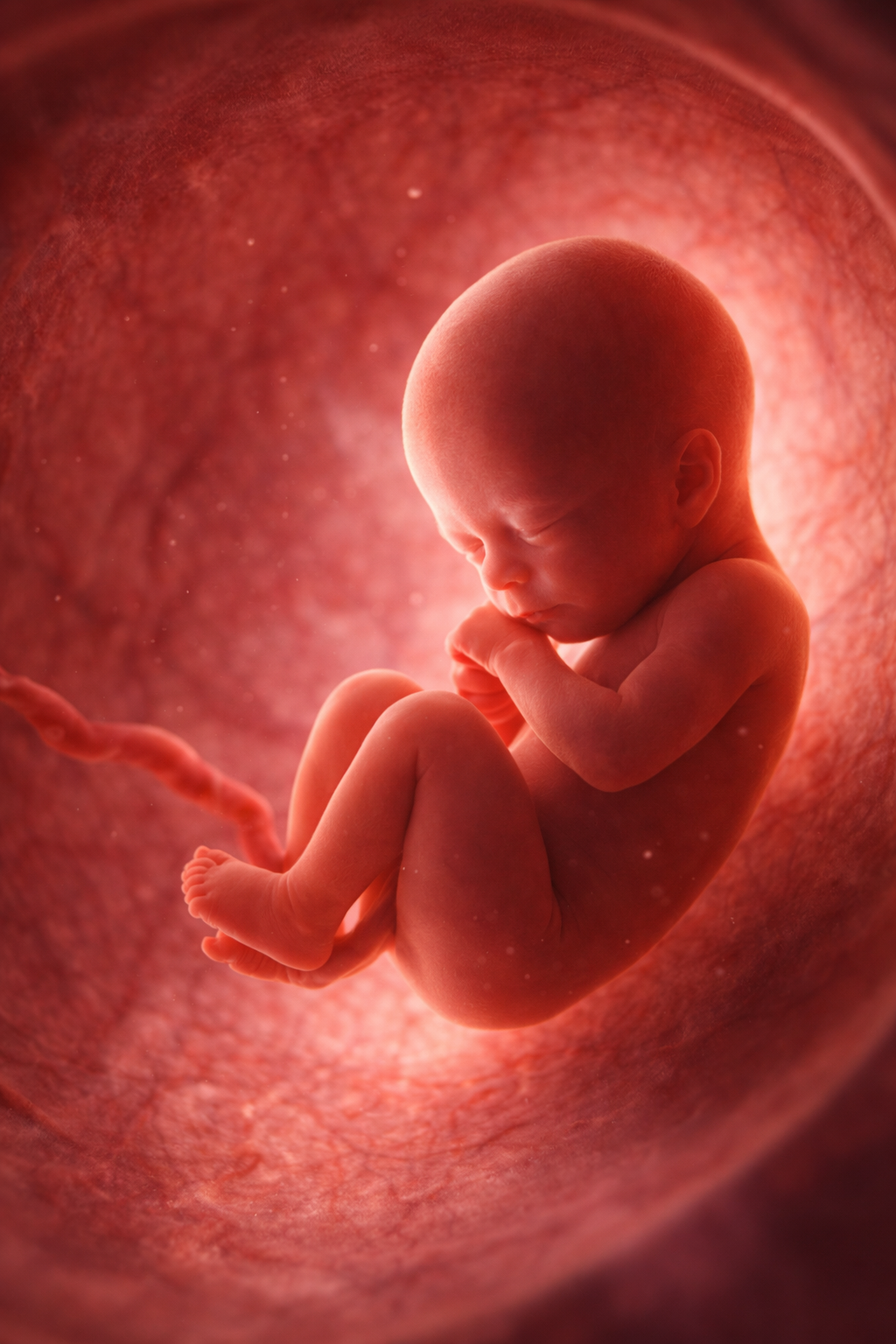
Preventive care matters because some of the most important stages of fetal development happen very early, often before a woman even realizes she is pregnant. That means the health of the mother before conception is already part of the story. If nutrient levels are low, medications are unsafe for pregnancy, chronic conditions are poorly controlled, or infection risks have not been addressed, those factors may already influence early outcomes.
This is why preconception care is not only about improving fertility. It is also about reducing preventable complications and supporting a healthier pregnancy from the very beginning.
A thoughtful pregnancy preparation routine may help support:
- Better nutritional readiness
- Improved cycle awareness and reproductive health
- More stable management of chronic conditions
- Reduced exposure to harmful substances
- Healthier body weight and energy balance
- Better mental and emotional resilience
- Safer medication and supplement planning
In short, preventive care before pregnancy is about giving both the future mother and future baby a stronger starting point.
1. Start With a Preconception Health Checkup
One of the most useful first steps is scheduling a general health visit before trying to conceive. Many people wait until pregnancy happens to ask health questions, but a preconception checkup gives you a chance to identify issues early and make safer decisions in advance.
This visit may include a review of your medical history, menstrual cycle patterns, previous pregnancies if applicable, chronic health conditions, medications, family history, and vaccination status. It is also a good opportunity to talk about any concerns related to fertility, irregular periods, thyroid health, diabetes, blood pressure, anemia, past miscarriages, or symptoms you may have been ignoring.
Preventive care works best when it is proactive. A pre-pregnancy appointment is not a sign that something is wrong. It is simply a smart way to prepare.
This step is especially important for women who have:
- Irregular menstrual cycles
- Known hormonal conditions such as PCOS
- Thyroid issues
- Diabetes or high blood pressure
- A history of anemia
- Previous pregnancy complications
- A history of miscarriage
- Long-term medication use
- A family history of inherited conditions
Even if everything seems normal, a checkup can help confirm that your health plan is moving in the right direction.
2. Review Medications and Supplements Early
Many women take medications, supplements, herbal products, or over-the-counter remedies without thinking much about whether they are appropriate during pregnancy. But some substances that are common in everyday life may not be safe once conception occurs.
This is why medication review should happen before trying to get pregnant, not after. Some prescription medicines need to be adjusted gradually, and not every supplement marketed as “natural” is automatically safe for pregnancy.
A healthcare professional can help you review what you currently take and decide whether anything should be stopped, changed, or monitored. This includes prescription medications, acne treatments, pain relievers, sleep aids, herbal blends, weight-loss products, and even certain vitamins if taken in excessive amounts.
The goal is not to stop all treatment. It is to make sure your routine supports both your health and future pregnancy safety.
3. Begin Folic Acid and Pregnancy-Supportive Nutrition Early
Nutrition is one of the most important parts of preconception care, and folic acid often gets the most attention for a reason. It supports healthy early development and is especially important before conception and in the early weeks of pregnancy.
Because early fetal development begins so soon, waiting until pregnancy is confirmed may be too late to fully benefit from early preparation. That is why women trying to conceive are often encouraged to begin folic acid before pregnancy happens.
But preconception nutrition is about more than one nutrient. Preparing for pregnancy also means building a diet that supports iron status, calcium intake, protein needs, vitamin D awareness, steady energy, and general nutritional adequacy.
A preventive nutrition routine before pregnancy may include:
- Regular balanced meals
- Enough protein throughout the day
- Iron-rich foods and good absorption habits
- Folate-rich vegetables and legumes
- Calcium-supportive foods
- Healthy fats
- Good hydration
- Reduced reliance on highly processed foods
Many women enter pregnancy already depleted from busy schedules, meal skipping, stress, or restrictive dieting. Preconception is the time to restore, not deprive.
4. Aim for a Stable, Healthy Weight Without Extreme Dieting
Body weight is a sensitive topic, but it does matter in pregnancy preparation. Both undernutrition and significant excess weight can affect menstrual regularity, ovulation, hormone balance, and pregnancy risks. That said, the goal should never be crash dieting or punishing the body before conception.
What matters most is metabolic stability and overall health, not perfection. Extreme dieting can disrupt cycles, reduce nutrient stores, worsen stress, and make the body less prepared for pregnancy rather than more prepared.
A healthier preconception approach is to focus on:
- Balanced meals rather than restriction
- Consistent movement
- Good sleep
- Blood sugar stability
- Realistic, sustainable weight goals
- Muscle and energy support rather than appearance pressure
Pregnancy preparation is not the time for harsh detox plans, starvation-style dieting, or dramatic body transformation pressure. It is the time to support hormonal and physical resilience.
5. Manage Chronic Conditions Before Conception
If you live with an ongoing health issue, pregnancy planning should include bringing that condition under the best possible control in advance. This is one of the most important forms of preventive care.
Conditions such as diabetes, hypertension, thyroid disorders, asthma, autoimmune disease, epilepsy, anemia, and depression can all affect pregnancy in different ways. In many cases, these conditions can be managed well during pregnancy, but outcomes are usually better when planning starts beforehand.
For example, stabilizing blood sugar before conception is important. Addressing thyroid imbalance early can support both fertility and pregnancy health. Reviewing blood pressure medication in advance is safer than reacting later. The same goes for correcting anemia before pregnancy increases iron demands even more.
The key message is simple: do not wait until you are pregnant to start taking your baseline health seriously.
6. Check Vaccination and Infection Prevention Status
Preventive care before pregnancy also includes protecting against infections that may pose greater risk during pregnancy. This is an area many people forget, but it matters more than it may seem.
Before conception is a useful time to review vaccination history and ask whether you are up to date on recommended protection. Some vaccines are best addressed before pregnancy rather than during it. General infection awareness also matters, including dental infections, sexually transmitted infections, and chronic untreated inflammation that may affect the body more broadly.
Good preventive care means reducing avoidable risks early. You do not need to become fearful, but it is wise to make sure your health foundation is current and well supported.
7. Prioritize Sleep as a Fertility and Wellness Habit
Sleep is often treated like a luxury, but it is one of the most important health habits in the preconception stage. Poor sleep affects hormones, appetite, blood sugar regulation, mood, stress response, and energy balance. It may also make it harder to maintain other healthy habits such as exercise, meal planning, and medication consistency.
A woman preparing for pregnancy does not need a perfect sleep routine, but she does need to take rest seriously. Chronic sleep deprivation can leave the body feeling overstressed and less resilient. That is not the ideal environment for hormone balance or long-term wellness.
Helpful sleep-supportive habits may include:
- More consistent sleep and wake times
- Less screen exposure late at night
- Reduced caffeine too late in the day
- A calmer evening routine
- Addressing snoring, insomnia, or poor sleep quality if present
The body does much of its recovery work during rest. Pregnancy preparation should include protecting that recovery time.
8. Exercise for Strength, Circulation, and Hormonal Support
Exercise in the preconception stage should not be about punishment or trying to force fertility through extreme fitness. Instead, it should support circulation, stress management, metabolic health, muscle strength, and emotional well-being.
Moderate regular activity is usually more helpful than intense inconsistency. Walking, strength training, mobility work, yoga, swimming, and other sustainable forms of exercise can all support a healthier baseline before pregnancy.
Movement helps with:
- Weight regulation
- Blood sugar balance
- Mood support
- Sleep quality
- Muscle strength for future pregnancy changes
- Reduced stress
- Better energy and confidence
A healthy body is not necessarily the most intense one. It is the one that feels supported, strong, and capable.
9. Reduce Alcohol, Quit Smoking, and Limit Harmful Exposures
One of the clearest forms of preventive care before pregnancy is reducing substances and exposures that can work against reproductive and overall health. Smoking, excessive alcohol, recreational drug use, and frequent exposure to harmful chemicals can all affect health before and during pregnancy.
For women trying to conceive, the preconception period is the right time to reduce or eliminate these risks. Waiting until pregnancy is confirmed may delay important protection. This also applies to secondhand smoke and certain environmental exposures in work or home settings if relevant.
The purpose is not shame. It is preparation. Health habits before pregnancy matter because they influence the environment conception happens in.
10. Pay Attention to Mental Health Before Trying to Conceive
Pregnancy preparation is often discussed in physical terms, but mental and emotional health are just as important. Stress, anxiety, depression, burnout, relationship strain, and unresolved emotional exhaustion can all affect the preconception period.
This does not mean you must be completely calm before pregnancy. Real life does not work that way. But it does mean mental health deserves care, not neglect. A woman preparing for pregnancy may benefit from asking:
- Am I constantly overwhelmed?
- Is my stress affecting sleep or eating?
- Have I been feeling persistently low or anxious?
- Do I need support before entering a new phase of life?
Therapy, counseling, stress-management habits, supportive conversations, and emotional preparation can all be part of preventive care. Pregnancy is a major life transition, and emotional readiness matters just as much as physical readiness.
11. Improve Dental and Oral Health
Dental health is often underestimated in preconception care, but it is an important part of preventive health. Gum disease, untreated cavities, and oral inflammation are worth addressing before pregnancy when dental care may feel simpler and more comfortable.
A routine dental checkup before trying to conceive can help treat existing issues and reduce the chance of needing more complex treatment later. Good oral care habits such as brushing, flossing, and dealing with lingering dental symptoms should be considered part of the full health picture.
A healthy pregnancy preparation plan includes the whole body, including the mouth.
12. Learn Your Cycle Without Becoming Obsessed
Many women preparing for pregnancy become interested in cycle tracking, and this can be helpful when done calmly. Understanding your menstrual cycle can give useful information about timing, regularity, and possible signs of hormonal imbalance.
Tracking cycle length, ovulation patterns, symptoms, and bleeding changes can help you notice whether your body seems predictable or whether something may need attention. However, it is important not to let tracking turn into constant anxiety.
Awareness is helpful. Obsession is exhausting. The goal is simply to understand your body better so that preparation feels informed rather than rushed.
13. Involve Your Partner’s Health Too
Pregnancy preparation is often framed as the woman’s responsibility, but reproductive health is not one-sided. A partner’s general health, lifestyle habits, smoking status, alcohol use, stress, sleep, and nutrition also matter.
If you are preparing for pregnancy as a couple, it helps when both people improve the health environment together. Shared habits such as eating better, sleeping more consistently, reducing harmful substances, and managing stress can make the preparation phase feel more supportive and less isolating.
A healthier pregnancy journey often begins with healthier household habits overall.
14. Build a Calm, Sustainable Routine Instead of a Perfect One
One of the biggest mistakes in preconception health is trying to do everything at once. People suddenly buy too many supplements, change their entire diet, begin intense workouts, track every symptom, and overwhelm themselves with online advice. This usually creates more stress than support.
The best preventive care routine before pregnancy is a sustainable one. It may look like this:
- Schedule a preconception checkup
- Start folic acid and improve meal quality
- Review medications
- Support sleep
- Move regularly
- Manage chronic conditions
- Reduce harmful exposures
- Address mental health and dental care
- Learn your cycle with reasonable awareness
That is more than enough to create a meaningful foundation.
Final Thoughts
Preparing for pregnancy is not only about conception. It is about readiness. The body, mind, and daily routine all benefit when health is supported before pregnancy begins. Preventive care in this stage is not excessive or unnecessary. It is one of the smartest things a woman can do for herself and for a future baby.
You do not need to become perfect before trying to conceive. You do not need a flawless diet, a stress-free life, or a perfectly optimized body. What matters most is thoughtful preparation. A little more nourishment. A little more sleep. A little more medical awareness. A little less risk. A little more support.
These quiet preventive steps may not look dramatic from the outside, but they matter deeply. Pregnancy starts with conception, but healthy preparation starts earlier. And often, the care you give your body before pregnancy is the first act of care you give your future child.
Leave a Reply