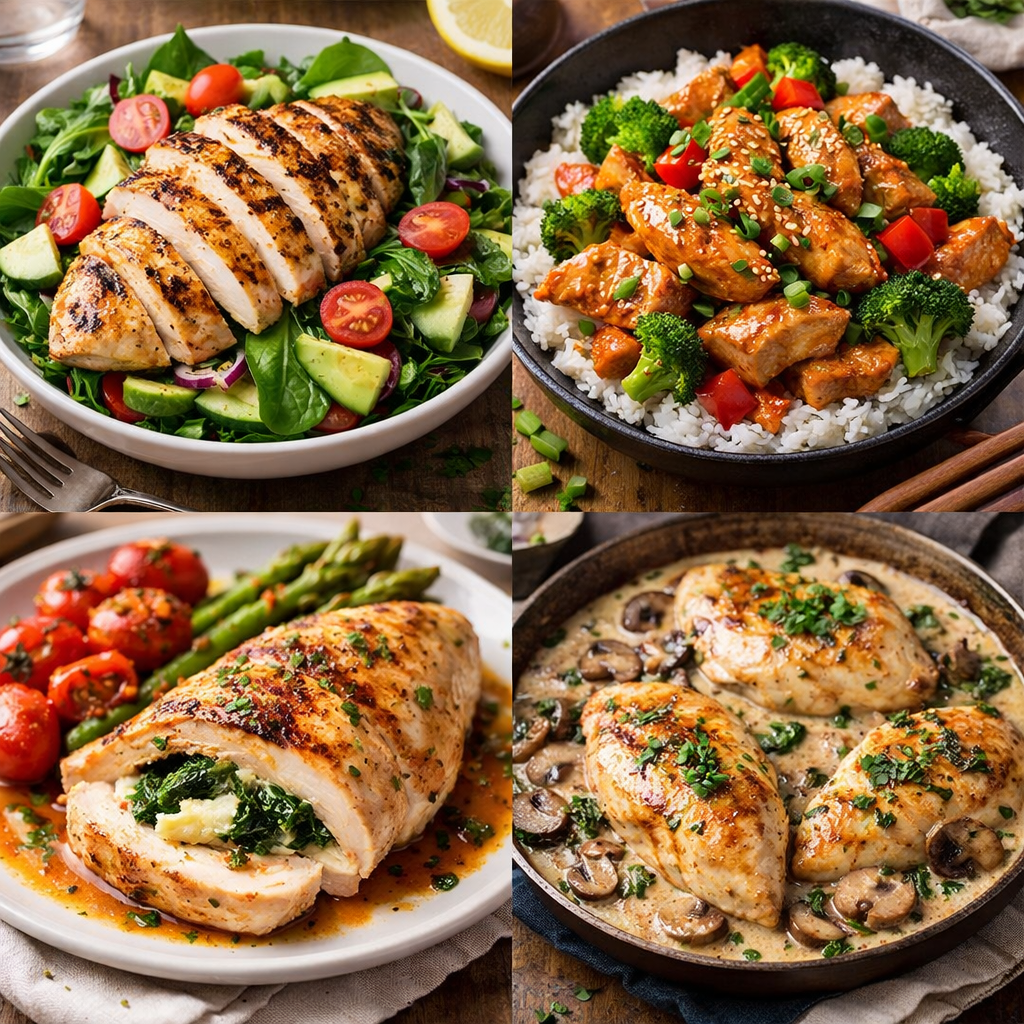
Why Chicken Breast Is So Popular in Diet Plans: Nutrition Facts and Practical Reasons
Minjin Park
·
Chicken breast is one of the most commonly recommended foods in diet plans, fitness meal prep, and high-protein eating. Whether someone is trying to lose weight, build muscle, or simply eat more structured meals, chicken breast shows up again and again. That is not just because it is trendy. It is because chicken breast is a lean protein food that is easy to portion, easy to cook, and easy to fit into many meal patterns. U.S. dietary guidance includes lean poultry in the protein foods group, and Harvard’s Nutrition Source notes that poultry is one of the healthier protein choices compared with red and processed meat.
This does not mean chicken breast is the only healthy protein, or that every diet needs to revolve around it. But it does explain why it has become such a standard choice in calorie-conscious and protein-focused eating plans. The appeal is simple: a lot of protein, relatively little fat, almost no carbohydrate, and very flexible use in meals. USDA-linked nutrition references for boneless, skinless chicken breast list about 136 calories, 25 grams of protein, and 3 grams of fat per 4-ounce (113 g) raw serving.
Boneless, skinless chicken breast is best known as a lean protein food. In practical terms, that means it provides a substantial amount of protein without bringing much carbohydrate and with relatively modest fat, especially compared with fattier meats or processed meat products. A USDA-linked nutrition reference for boneless, skinless chicken breast shows that a 4-ounce raw serving provides about 136 calories, 25 grams of protein, 3 grams of fat, and 0 grams of carbohydrate. Another USDA-derived reference puts it at about 112 calories and 22.5 grams of protein per 100 grams, which is in the same general range.
That nutrient profile is the main reason chicken breast has such a strong reputation in diet culture. For relatively few calories, you get a meaningful amount of protein. This makes it easier to build meals that are filling and structured without pushing calories too high too quickly.
Why Diet Plans Love Chicken Breast
The biggest reason chicken breast is so popular in weight-loss diets is that it offers a lot of protein per calorie. When people are trying to reduce calorie intake, they often want foods that still feel substantial and satisfying. Protein helps with that. Harvard explains that protein is an essential macronutrient and that choosing healthy protein foods matters as much as total protein intake. It also notes that swapping red and processed meat for healthier protein sources such as poultry is associated with better long-term health patterns.
Chicken breast fits that goal especially well. It gives people a clean, simple anchor for a meal. Instead of building a meal around refined carbohydrates or high-fat processed foods, many diet plans build around a lean protein first, then add vegetables, whole grains, potatoes, beans, or healthy fats around it. That is one reason chicken breast appears so often in “eat clean,” “high protein,” and “meal prep” advice.
It Is Leaner Than Many Other Meat Choices
Another reason chicken breast is recommended so often is that it is usually leaner than many cuts of red meat and processed meats. Harvard’s Nutrition Source emphasizes the importance of the full “protein package,” meaning the fat, sodium, and other nutrients that come with a protein food. It specifically points people toward healthier protein sources such as beans, nuts, fish, and poultry in place of red and processed meats.
This matters in dieting because calorie control is not only about eating less. It is also about making food choices that help you stay within your calorie target more naturally. A fatty cut of meat can still fit into a healthy diet, but chicken breast often makes portion control easier because it is naturally lower in fat and calories than many alternatives.
Chicken Breast Helps People Hit Protein Goals More Easily
A lot of people who diet are not just trying to eat less. They are trying to eat enough protein while eating less. That can be challenging if meals are built around foods that are low in protein or bring a lot of calories along with it. Chicken breast solves that problem for many people because it makes protein targets much easier to hit.
Harvard notes that adults need protein every day and that animal-based foods such as poultry tend to be good sources of complete protein, meaning they provide all the essential amino acids.
That is a big reason chicken breast is popular with people who are:
trying to preserve muscle while losing fat
eating in a calorie deficit
building gym-friendly meals
trying to make lunch and dinner more filling
looking for a straightforward protein source without many extras
The food is not magic. It is just efficient.
It Works Very Well for Meal Prep
One practical reason chicken breast dominates diet meal plans is that it works extremely well for batch cooking. You can grill it, bake it, air-fry it, poach it, shred it, slice it, dice it, and use it in bowls, wraps, salads, rice dishes, soups, pasta, or stir-fries. That flexibility makes it much easier for busy people to stay consistent.
This matters more than many people realize. A nutritious food is only useful if people can actually keep eating it in normal life. Chicken breast stays popular because it is easy to prepare in advance and divide into repeatable portions. That fits the structure of many weight-loss plans, where consistency matters more than novelty. U.S. dietary guidance supports building healthy eating patterns around nutrient-dense protein foods, including lean meats and poultry.
It Is Familiar and Easy to Build Meals Around
Diet foods that become popular are usually not only nutritious. They are also familiar. Chicken breast is widely available, fairly easy to cook, and neutral enough in flavor to fit many cuisines and seasonings. That makes it easier for people to use regularly without feeling like they are eating “special diet food.”
In real life, this is a huge advantage. People often stick with foods they know how to shop for, season, and prepare. Chicken breast can be paired with roasted vegetables, sweet potatoes, rice, quinoa, beans, salad, pasta, or soup. That flexibility helps explain why it appears in so many diet plans, from high-protein meal prep to Mediterranean-style eating to general calorie-conscious meal planning. Lean poultry is part of the mainstream protein-food guidance in the Dietary Guidelines for Americans.
Chicken Breast Is High in Protein, but Not Zero-Effort Healthy
One reason chicken breast sometimes gets overhyped is that people assume it is automatically healthy in any form. But the way it is cooked and served still matters. A grilled or baked boneless, skinless chicken breast is nutritionally very different from breaded fried chicken or chicken smothered in high-calorie sauces.
Harvard’s protein guidance makes this exact point at a broader level: it is not only the protein itself that matters, but the full package that comes with it.
So the popularity of chicken breast in diet plans really comes from the plain, lean version. Once it is deep-fried, heavily breaded, or paired with lots of creamy sauces and refined side dishes, the diet-friendly advantage becomes much smaller.
Why It Feels More “Diet-Friendly” Than Chicken Thighs or Processed Chicken
Chicken breast is not the only protein-rich chicken cut, but it tends to get singled out because it is the leanest commonly used part. Chicken thighs can absolutely be part of a healthy diet, but they generally bring more fat and more calories. Harvard’s example protein comparisons show poultry can be a healthier alternative to red meat, while also reminding readers that different cuts and food packages vary.
Chicken breast also differs from many processed chicken products, such as nuggets, patties, deli-style chicken slices, or heavily seasoned frozen items. Those may contain more sodium, more additives, or more fat depending on the product. The simpler the food, the easier it is for dieters to understand what they are eating and control portion size.
That simplicity is one reason plain chicken breast has such a strong reputation: it feels predictable.
It Supports Full Meals, Not Just Protein Counts
Another reason chicken breast remains popular is that it helps turn a basic plate into a more balanced meal. A lot of people trying to lose weight discover that salads alone are not satisfying, and carb-heavy meals alone may leave them hungry again too soon. Adding a lean protein source often makes meals feel more complete.
Chicken breast does that well because it works with many high-volume, lower-calorie foods. For example:
chicken breast with vegetables and rice
chicken breast on a salad
chicken breast in a grain bowl
chicken breast with potatoes and greens
chicken breast in soup or wraps
This is one reason people keep coming back to it. It is not only high in protein. It is useful.
Why Fitness Culture Helped Make It Even More Popular
Chicken breast is also popular because fitness culture amplified it. Once gym meal plans, bodybuilding prep meals, and macro tracking became more mainstream, people started valuing foods that were easy to log, easy to repeat, and high in protein without too many extra calories. Chicken breast fits that model almost perfectly.
Its reputation spread because it works well for those goals, not because it is the only food that can work. Eggs, Greek yogurt, fish, tofu, beans, lentils, cottage cheese, and lean beef can all play important roles too. Dietary guidance encourages a variety of protein foods, not just one.
Still, chicken breast became the symbol of diet meals because it is simple, efficient, and widely understood.
The Downsides: Why Some People Get Tired of It
Chicken breast’s strengths are also the reason some people burn out on it. Because it is so common in diet plans, it can become repetitive fast. It can also dry out easily if overcooked, which is one reason some people start associating dieting with bland food.
That is not really a nutrition problem. It is a cooking problem.
Chicken breast stays more enjoyable when people vary:
seasoning
cooking method
side dishes
sauces used in moderation
meal format
So while chicken breast is popular for smart reasons, it should not become the only protein in a healthy diet.
Is Chicken Breast Necessary for Weight Loss?
No. This is important.
You do not need to eat chicken breast to lose weight. Weight loss depends mainly on the overall calorie balance and the sustainability of your eating pattern. Chicken breast is popular because it makes those goals easier for many people, but it is not required.
You can lose weight with fish, tofu, eggs, beans, lentils, Greek yogurt, lean beef, tempeh, or other protein foods too. The Dietary Guidelines for Americans specifically recommend a variety of protein foods, including seafood, eggs, legumes, nuts, seeds, soy products, and lean meats and poultry.
So the better message is this: chicken breast is not mandatory, but it is one of the most convenient tools for building a high-protein, calorie-aware meal plan.
The Real Reason Chicken Breast Became a Diet Staple
When you strip away the memes and fitness clichés, the reason is straightforward.
Chicken breast became a diet staple because it is:
high in protein for relatively few calories
low in carbohydrate and relatively low in fat
included in healthy dietary guidance as lean poultry
easier to portion and meal-prep than many other proteins
flexible across many cuisines and eating styles
familiar enough that most people know what to do with it
That combination makes it one of the easiest foods to recommend in a diet context.
Final Thoughts
Chicken breast is popular in diet plans for good reason. Nutritionally, it gives people a strong protein return for relatively modest calories. Practically, it is easy to cook, easy to portion, and easy to build meals around. And from a dietary-guidance perspective, it fits naturally into the category of lean protein foods that support healthy eating patterns.
The smartest way to think about chicken breast is not as a miracle food, but as a very useful one. It is popular because it solves several common diet problems at once: low protein, difficult portion control, and lack of meal structure.
That is why it keeps showing up on so many diet plates.
FAQ
How much protein is in chicken breast?
A USDA-linked nutrition reference lists boneless, skinless chicken breast at about 25 grams of protein per 4-ounce (113 g) raw serving.
How many calories are in chicken breast?
That same USDA-linked reference lists about 136 calories per 4-ounce (113 g) raw serving of boneless, skinless chicken breast.
Why is chicken breast considered good for dieting?
Because it is high in protein, relatively low in fat, has no carbohydrate, and is easy to portion into calorie-conscious meals.
Is chicken breast better than other protein foods?
Not automatically. It is simply one very practical lean-protein option. Healthy diets can also include fish, eggs, beans, lentils, nuts, seeds, soy foods, and other protein sources.
Do you have to eat chicken breast to lose weight?
No. Weight loss does not require chicken breast. It is popular because it makes high-protein, calorie-aware eating easier for many people, not because it is the only food that works.
Hi, I’m the creator and editor behind ZestyHabit. I research everyday safety, first aid, and practical wellness topics using official guidance and reliable public sources, then turn that information into clear, realistic steps for daily life.
My goal is to help readers make safer, better-informed choices at home and beyond.