How to Recover After a Heavy Work Dinner Without Feeling Guilty
Minjin Park
·
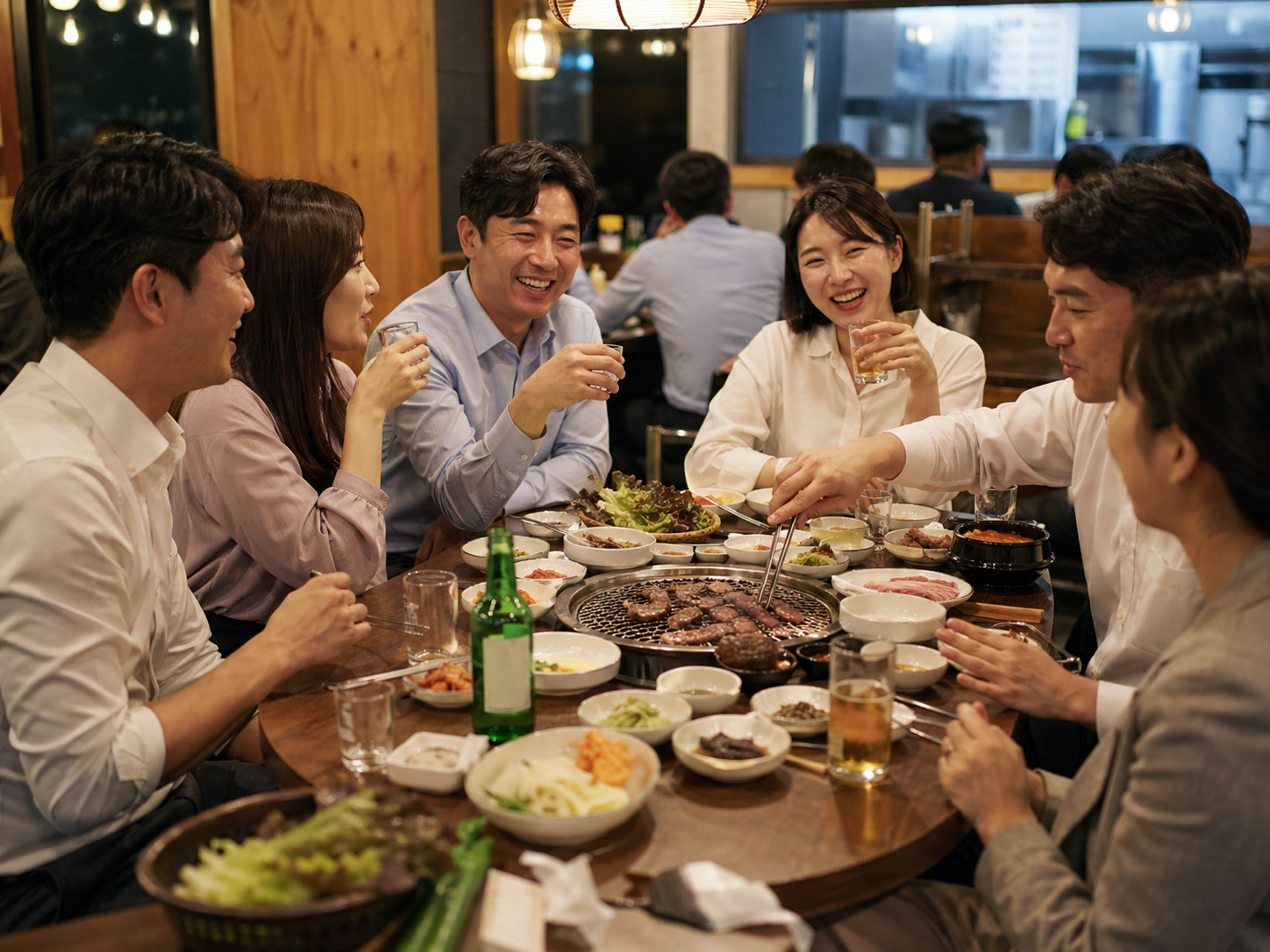
Work dinners have a very specific kind of aftermath.
They are not always wild nights out. Sometimes they are just long. Too much talking, too much sitting, too much food, maybe a couple of drinks, maybe not enough water, and somehow you get home feeling both full and oddly drained. Your body is tired, your brain is still buzzing, and the next morning can feel heavier than it should.
That is why recovery after a work dinner is not only about alcohol. Sometimes it is about overstimulation, a later bedtime, salty food, social fatigue, or that slightly uncomfortable feeling of having stayed “on” for hours longer than you wanted to.
A lot of people deal with this by doing nothing at all, then waking up the next day annoyed at themselves for feeling sluggish. Others swing too hard in the opposite direction and try to cancel out the night with some perfect reset plan involving supplements, a brutal workout, and moral regret over the second plate of fried food.
Usually, the easiest way to start recovering is much less dramatic.
It is just a short sequence of small things that help your body settle down, rehydrate a bit, and make the next morning less punishing.
Not a cleanse. Not a redemption arc. Just basic recovery that works in normal life.
People often underestimate how many things are hitting at once.
Even if the dinner itself was enjoyable, you may still be dealing with:
a later meal than usual
richer or saltier food than usual
more alcohol than you normally drink
less water than you realize
a longer social stretch than your brain wanted
getting home later and sleeping worse
eating fast because conversation kept interrupting you
caffeine earlier in the day plus drinks later at night
That combination adds up.
Some people mostly feel puffy and thirsty the next morning. Some feel foggy. Some get stomach discomfort. Some feel emotionally flat and tired in a way that is not exactly physical, but definitely not nothing. If you are already stressed or underslept going into the dinner, the effect usually feels worse.
That is part of why the recovery plan does not need to be fancy. It just needs to address the obvious things first.
The easiest recovery starts before you go to bed
This is probably the most useful part.
People often treat recovery as something that starts the next morning, but a lot of the damage control happens in the hour after you get home. Not in a scary way. Just in a practical way.
If you come home tired and go straight from shoes-off to face-down in bed, you may wake up feeling much rougher than necessary. But if you do a few simple things first, the next day usually goes better.
The basic after-dinner recovery checklist
When you get home, try this:
Drink water
Not gallons. Not some dramatic challenge. Just a decent glass or two.
A lot of people go to bed more dehydrated than they realize after work dinners, especially if they had alcohol, salty food, or very little water throughout the evening.
Wash up and change into comfortable clothes
This sounds minor, but it helps your body register that the “social performance” part of the night is over.
There is something oddly calming about washing your face, brushing your teeth, and getting into clean sleep clothes after being out too long.
Eat again only if you actually need to
Some people come home from a work dinner and keep eating out of habit, stress, or because the evening felt weirdly incomplete. If you are genuinely hungry, have something light and simple. But if you are just restless, more heavy food usually does not help.
Do not start doom-scrolling in bed
This is one of the quickest ways to turn one tired night into a worse one. You get home overstimulated, lie down, open your phone “for a minute,” and keep your brain in public mode for another 40 minutes.
That is not recovery. That is extending the event privately.
Water helps, but do not turn it into a performance
Hydration advice gets weirdly dramatic.
Yes, water helps. Especially if the meal was salty or included alcohol. But you do not need to turn it into a personality. Just drink enough to feel less dry and less depleted.
If plain water sounds unappealing, something simple with a bit more comfort can work too. Sparkling water, plain tea, or water with a snack in the morning if your stomach feels off. Some people do better sipping slowly than chugging a huge amount right before bed and waking up at 4 a.m. irritated.
That part is worth mentioning because “recover properly” does not mean making sleep worse.
A realistic approach
one or two glasses of water before bed
another glass in the morning
keep drinking normally through the next day instead of trying to catch up all at once
That is usually enough to be useful.
The next morning is not the time for punishment
This is where people often make things worse.
They wake up feeling puffy, tired, or sluggish and immediately decide they need to “make up for it.” So they skip breakfast, force a very intense workout, over-caffeinate, or start talking to themselves like they committed a moral failure by attending dinner and eating what was there.
That approach is rarely helpful.
The body usually responds better to gentleness than punishment, especially after a late night.
If you feel rough the next morning, the goal is not to become ultra-disciplined for twelve hours. The goal is to help yourself feel more normal again.
Start with the plainest morning possible
The easiest recovery mornings are often the least exciting ones.
Keep things simple.
A better morning-after routine
drink some water
get a little light food in if you are hungry
open a window or step outside for a few minutes
take a shower if that helps reset you
keep caffeine reasonable instead of aggressive
move a little, but do not force a full redemption workout if your body feels off
That is enough for a lot of people.
Sometimes the best recovery move is not doing something impressive. It is just not making the day harder than it already feels.
Food matters, but simpler is usually better
After a heavy work dinner, people tend to swing between two extremes the next day.
Either they eat greasy comfort food again because they feel off, or they try to “be good” by eating almost nothing. Neither always feels great.
A more helpful middle ground is simple, steady food.
Things that are usually easier the next day:
toast
eggs
rice
banana
yogurt
soup
oatmeal
fruit
something salty and light if you feel a bit wrung out
something plain with protein if you feel hungry but unsettled
This is not about a magic menu. It is just about not asking your stomach to handle another chaotic day when it may already be slightly annoyed.
If you drank alcohol
A very empty stomach plus too much coffee can be a rough combination the next morning. A little food first often goes better.
If you mostly overate
You may not want a big breakfast. That is fine. But do not confuse “I am still full” with “I should avoid eating all day.” Often a lighter meal later works better than waiting until you are suddenly starving and grabbing whatever is closest.
Sleep recovery matters more than people like to admit
A lot of the “why do I feel so terrible after work dinners?” problem is really a sleep problem.
You got home late, your body was still alert, maybe your sleep was lighter than usual, maybe you woke up thirsty or warm, and now the whole next day feels slightly crooked.
That is why recovery is not only about food or drinks. It is also about getting back to a normal sleep rhythm as smoothly as possible.
If the dinner was on a weekday, this part matters even more.
A few practical sleep-recovery moves
avoid staying up much later than necessary once you get home
keep screens low-key instead of jumping into more stimulation
aim for a calmer night the next evening too
do not rely on a late afternoon nap that wrecks your bedtime again
People often focus only on the immediate aftermath, but sometimes the smartest thing you can do is protect the next night’s sleep so one work dinner does not turn into two weird days.
Light movement helps, but keep your ego out of it
Movement can absolutely help you feel more normal again.
A walk, some stretching, a slower workout, even just getting outside for 10 or 15 minutes can make a big difference. Especially if the dinner left you feeling heavy, stiff, or mentally stale.
What usually does not help is using exercise as punishment.
That “I need to sweat this out and fix my life” mood tends to come from guilt more than wisdom.
The morning after a work dinner is often a good time for:
a walk
gentle stretching
easy mobility work
a light workout if you genuinely feel okay
fresh air and a bit of sunlight
It is often not the best time to force a punishing session just because you feel bloated and annoyed.
Your body can usually tell the difference between supportive movement and revenge exercise.
Social recovery is real too
This part gets ignored, but it matters.
Some work dinners are physically tiring. Others are socially tiring in a way that lingers.
If you spent hours making conversation, reading the room, staying polite, laughing at the right moments, or being “pleasantly engaged” long after your brain wanted to be horizontal and silent, you may need social recovery as much as physical recovery.
That can look like:
keeping the next morning quieter if possible
avoiding extra noise right away
not stacking another optional social plan on top of it
giving yourself a little screen-light, people-light, decision-light time
Sometimes what feels like physical exhaustion is partly just too much interaction without enough decompression.
And honestly, work dinners can be a lot.
The best recovery plan is the one you can repeat
If work dinners happen somewhat regularly, it helps to have a default system.
Not a strict rulebook. Just a few steps you can fall back on without thinking too hard.
That is boring advice, which is exactly why it works.
A lot of useful recovery habits are boring. They do not look impressive in a video. They just make you feel noticeably less wrecked.
What to avoid if you want to feel better faster
Sometimes the easiest advice is just “do less of the stuff that makes tomorrow worse.”
A few things tend to backfire:
More alcohol to “balance it out”
That usually turns one rough day into a longer recovery stretch.
Huge caffeine intake on an empty stomach
Tempting, yes. Often unpleasant.
Skipping all food until afternoon
This can leave you feeling shakier and more irritable than necessary.
Staying in bed scrolling for an hour
You may feel like you are resting, but it often just keeps your brain foggier.
Being weirdly harsh with yourself
This sounds soft, but it matters. Feeling guilty and irritated at yourself tends to make recovery feel more dramatic than it needs to be.
A realistic example of a better recovery day
Let’s say you had a work dinner on Thursday night. You ate later than usual, had two drinks, got home tired, and felt that mix of fullness and mental fatigue that comes from talking too long under restaurant lighting.
A helpful version of recovery might look like this:
You get home, drink a glass of water, wash your face, brush your teeth, change clothes, and go to bed without opening every app on your phone.
The next morning, you drink more water, eat something simple like eggs and toast or yogurt and fruit, take a short walk or at least step outside, keep coffee moderate, and avoid turning the rest of the day into a punishment schedule.
That is not revolutionary. But it often works much better than waking up late, chugging coffee, skipping food, feeling awful, and then promising yourself you will “be healthier” next week.
If work dinners include heavier drinking, be honest about that
Sometimes “recovering from a work dinner” is really “recovering from drinking more than I wanted to in a work setting.”
That is a slightly different issue, and it helps to be honest about it.
If that keeps happening, recovery is not only about what you do afterward. It may also help to plan ahead next time. Alternate drinks with water. Eat beforehand. Decide a limit earlier. Leave when you reasonably can. Those choices tend to matter more than any next-morning fix.
No recovery routine can fully outsmart a pattern that keeps pushing you past what feels okay.
Still, even then, the basics remain the same: water, sleep, lighter food, a calm morning, and not treating your body like the enemy.
When “recovery” feels worse than usual
Most post-dinner sluggishness is just that: sluggishness.
But if you ever have symptoms that feel more serious, like severe vomiting, fainting, chest pain, trouble breathing, confusion, or anything that feels beyond ordinary “I had a late dinner and now I feel lousy,” that is different and should be taken seriously.
For the usual rough next morning, though, simple care goes a long way.
The easiest way to recover is usually the least dramatic
You do not need a complicated plan after a work dinner.
You probably need water, sleep, a quieter landing, a decent breakfast or lunch, and a little patience with your body. Maybe a walk. Maybe a shower. Maybe just fewer bad decisions stacked on top of the first batch.
That is often enough.
Recovery does not have to look impressive to be effective. In fact, the useful version is usually pretty plain. You help your body settle, you make the next morning easier, and you move on without turning one social evening into a whole crisis.
Hi, I’m the creator and editor behind ZestyHabit. I research everyday safety, first aid, and practical wellness topics using official guidance and reliable public sources, then turn that information into clear, realistic steps for daily life.
My goal is to help readers make safer, better-informed choices at home and beyond.