
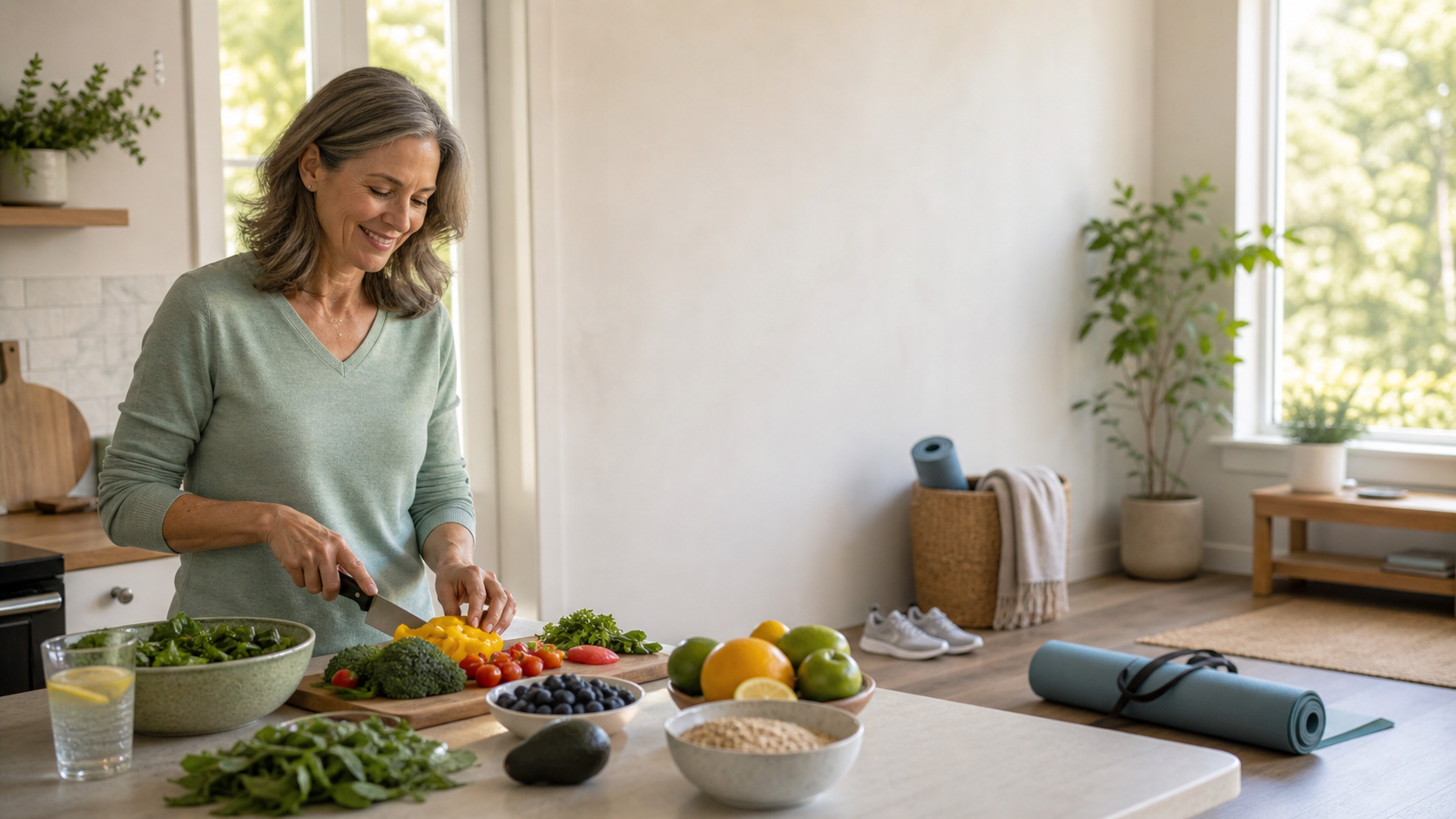

Cancer prevention is not about living perfectly. It is about the small daily habits that can lower risk over time, from tobacco avoidance and movement to food, alcohol, sleep, and routine screenings.
Cancer is one of those words that can make a room go quiet.
Most of us know someone who has gone through it. A parent. A neighbor. A coworker who suddenly disappeared from meetings for treatment. Maybe someone who seemed “healthy,” which makes the whole thing feel even more unfair.
So when people hear “cancer prevention,” it can sound almost too simple. Eat better. Move more. Don’t smoke. Drink less. Sleep well. Get screened.
Really? For something as serious as cancer?
The honest answer is: lifestyle habits do not guarantee that cancer will never happen. They cannot erase genetics, aging, environmental exposures, or plain bad luck. But they do matter. A lot.
The National Cancer Institute describes cancer prevention as actions that lower the risk of getting cancer, including healthy lifestyle choices, avoiding known cancer-causing exposures, and using vaccines or medicines when appropriate. The CDC and American Cancer Society also point to tobacco, body weight, physical activity, diet, and alcohol as major areas where everyday choices can affect cancer risk.
That is not meant to scare anyone into becoming a different person overnight. It is more like a gentle reminder: what we repeat often becomes part of the environment our body lives in.
And that environment matters.
Cancer Risk Is Not Only About Family History
A lot of people quietly believe cancer is mostly genetic. It makes sense. If someone has a strong family history of breast cancer, colon cancer, or another type of cancer, that history deserves attention.
But family history is only one piece of the picture.
The National Cancer Institute lists cancer risk factors as including both things we cannot control, such as age and family history, and things related to certain exposures or behaviors.
That distinction matters because it gives us somewhere to place our effort.
You cannot rewrite your DNA. You cannot become 25 again. You cannot go back and change every sunburn, every stressful year, or every meal you ate when life was chaotic.
But you can decide what your normal Tuesday looks like.
Maybe that means walking after dinner instead of sinking straight into the couch. Maybe it means keeping fruit visible on the counter so snacks are not always cookies grabbed over the sink. Maybe it means finally booking the screening test you have been putting off because the appointment feels annoying.
Small, ordinary choices are not glamorous. They are also the choices we repeat the most.
Tobacco Is Still the Big One
If there is one habit that deserves the clearest language, it is tobacco.
Cigarette smoking is the number one risk factor for lung cancer, and in the United States it is linked to about 80% to 90% of lung cancer deaths, according to the CDC. Tobacco use can also cause cancer in many parts of the body, not just the lungs.
That includes cigarettes, cigars, smokeless tobacco, and exposure to secondhand smoke. Vaping is a separate topic with its own uncertainties, but it is not a clean little health hack either.
Quitting is hard. Anyone who talks about it like it is just a matter of “willpower” probably has not watched someone try to break a nicotine habit. It can be tied to stress, driving, coffee, work breaks, social routines, and even identity.
Still, cutting tobacco out is one of the most meaningful cancer-prevention steps a person can take.
A practical place to start is not always “I will quit forever on Monday.” Sometimes it is smaller: noticing the cigarette you reach for automatically, delaying it by ten minutes, calling a quitline, asking a doctor about nicotine replacement, or telling one trusted person you are trying.
Progress may look messy. It still counts.
Food Shapes the Background of Daily Health
Food is tricky because people often turn it into a moral issue.
A salad becomes “good.” A burger becomes “bad.” Then one busy week turns into guilt, which somehow turns into ordering fries because the day is already “ruined.”
That cycle helps no one.
For cancer prevention, the bigger picture matters more than one meal. The American Cancer Society recommends a healthy eating pattern that includes plenty of vegetables, fruits, whole grains, and beans, while limiting red and processed meats, highly processed foods, and sugary drinks.
That does not mean every meal has to look like it came from a wellness retreat.
It might look like adding a bag of frozen vegetables to pasta. Swapping white toast for whole-grain toast most mornings. Eating beans or lentils a couple of times a week. Keeping a few easy proteins around so dinner is not always “whatever is fastest and saltiest.”
The “Add Before You Remove” Approach
For many people, the easiest change is adding something helpful before removing everything familiar.
Add berries to breakfast.
Add a side salad to takeout.
Add beans to soup.
Add a vegetable to scrambled eggs.
Add water before the second soda.
When healthier foods become normal, some of the less helpful foods naturally take up less space. There is less drama that way. Less white-knuckling. Less feeling like your kitchen has become a punishment zone.
Food habits work better when they fit real life.
Movement Helps More Than Just Weight
Exercise often gets reduced to weight loss, which is unfortunate.
Movement matters even when the scale is boring. It supports metabolism, insulin sensitivity, digestion, inflammation control, immune function, and overall health. The American Cancer Society includes regular physical activity and maintaining a healthy weight as part of its cancer prevention guidance.
That does not mean everyone needs to become a gym person.
Some people love the gym. Other people would rather file taxes in silence than spend an hour under fluorescent lights doing burpees. Fair enough.
Movement can be simpler.
A 20-minute walk after work. Taking the stairs when it is reasonable. Stretching while watching a show. Gardening. Dancing while cleaning. Parking farther away. Doing squats while waiting for the microwave, which looks ridiculous but does technically work.
The goal is to make your body less sedentary most days.
Sitting Is Sneakier Than We Think
Many modern routines are built around sitting.
Sit in the car. Sit at work. Sit to eat. Sit to relax. Sit in bed scrolling, somehow with worse posture than a shrimp.
Even people who “work out” may still spend most of the day inactive. Breaking up long sitting periods can help turn movement into a normal part of the day, not a separate heroic event.
A realistic habit: stand up once every hour. Walk to refill water. Do one small household task. Step outside for five minutes after lunch.
It sounds almost too small. But small habits are often the ones we actually keep.
Alcohol Deserves a More Honest Conversation
A lot of people know smoking raises cancer risk. Fewer people realize alcohol is also linked to cancer.
The American Cancer Society recommends that it is best not to drink alcohol; for people who do drink, it recommends limiting intake.
This can feel socially awkward because alcohol is woven into so many normal adult situations: weddings, game nights, work dinners, date nights, airport delays, “I survived this week” Fridays.
Nobody wants to be the person giving a lecture at brunch.
But it is still useful to know that drinking less can be a cancer-risk reduction choice. That might mean keeping alcohol for specific occasions instead of using it as a nightly reset button. It might mean alternating with sparkling water. It might mean choosing a smaller pour, skipping the drink you do not actually want, or deciding that weekday drinking is not serving you anymore.
The point is not purity. It is honesty.
If a habit has become automatic, it is worth looking at.
Weight Matters, But Shame Does Not Help
Body weight can be a sensitive subject, and for good reason. People are tired of being judged, simplified, or spoken to like a math equation.
Still, excess body weight is linked with higher risk for several cancers, and the American Cancer Society notes that excess body weight, physical inactivity, unhealthy diet, and too much alcohol are linked to about 1 in 5 cancers.
That does not mean every person in a larger body is unhealthy. It also does not mean weight is easy to change. Sleep, stress, medication, hormones, income, food access, pain, work schedules, and mental health can all affect it.
A more useful approach is to focus on habits that support health whether weight changes quickly or slowly.
Cook at home a little more often.
Walk most days.
Get enough protein and fiber.
Reduce sugary drinks.
Sleep at a steady time when possible.
Limit alcohol.
Ask for medical help if weight changes suddenly or feels impossible to manage.
Shame tends to make people hide. Support helps people keep going.
Sleep and Stress Are Part of the Picture Too
Sleep does not usually get the same attention as food and exercise, but it quietly influences how people live.
When you sleep badly, everything is harder. Cravings get louder. Exercise feels less likely. Caffeine stretches later into the day. Alcohol may start looking like a shortcut to relaxation. Patience disappears somewhere around 3 p.m.
The CDC lists not getting enough sleep, poor nutrition, lack of physical activity, tobacco use, and excessive alcohol use as personal behaviors that can affect chronic disease risk.
Cancer prevention should not turn sleep into another thing to be perfect about. Some seasons are rough: newborns, caregiving, shift work, anxiety, noisy apartments, hot flashes, deadlines.
But when sleep can be improved, it is worth protecting.
A boring sleep routine is often more helpful than an elaborate one. Dim the lights. Put the phone away earlier than feels natural. Keep the room cool. Stop treating bedtime like the moment you finally get your “real life” back through scrolling.
I say that with love because many of us have absolutely been there.
Stress is similar. Stress itself is not always avoidable, but the coping habits around stress matter. A stressful life plus smoking, drinking, skipping meals, and never moving is a different situation than a stressful life with some daily pressure release built in.
A walk. A phone call. Prayer. Journaling. Therapy. Quiet time in the car before going inside. None of these fix everything. They can still keep stress from driving every decision.
Sun Protection Is Not Just for Beach Days
Skin cancer prevention often gets treated like a summer topic. Sunscreen at the beach. Hats on vacation. Maybe a little concern after a sunburn.
But sun exposure adds up during regular life too.
Driving. Walking the dog. Sitting near a window. Yard work. Kids’ sports. Outdoor lunch. That quick errand that somehow becomes 45 minutes in full sun.
Protecting skin does not have to be complicated. Use broad-spectrum sunscreen when you will be outside. Wear hats or sunglasses. Choose shade when the sun is harsh. Do not use tanning beds. Keep an eye on spots that change, bleed, itch, or look different from the others.
This is one of those habits that feels minor until you remember your skin is with you all day, every day.
Vaccines and Screenings Are Lifestyle Choices Too
When people think of lifestyle, they usually picture food and exercise. But preventive healthcare is part of lifestyle as well.
Certain infections can increase cancer risk. For example, HPV is linked to several cancers, and hepatitis B can increase liver cancer risk. Vaccines can help prevent some infection-related cancers, depending on a person’s age, health history, and vaccination status. The National Cancer Institute includes vaccines and medicines among prevention tools when appropriate.
Screenings also matter because they can find some cancers early, when treatment may be more effective. Some screenings can even find precancerous changes before cancer develops, such as certain colonoscopy findings.
The exact screenings you need depend on age, sex, family history, and personal risk factors. Colon cancer screening, cervical cancer screening, breast cancer screening, lung cancer screening for certain people with a smoking history, and skin checks may all be relevant at different times.
This is where a primary care doctor can be genuinely useful. Not exciting, maybe. But useful.
A practical habit is to keep a simple note in your phone with your last screening dates. Pap test. Mammogram. Colonoscopy or stool test. Skin check. Vaccines. Family history details.
Future you will appreciate not having to dig through old emails and vague memories.
The Real Reason Habits Matter: They Compound
Lifestyle habits matter because they repeat.
One walk does not transform cancer risk. One bowl of oatmeal does not cancel a decade of stress. One night of good sleep does not make anyone invincible.
But repeated habits create a pattern.
They influence inflammation, hormone balance, digestion, body weight, immune function, blood sugar regulation, and exposure to cancer-causing substances. They also affect whether a person has the energy and mental clarity to keep making helpful choices.
This is why prevention is less about dramatic makeovers and more about boring consistency.
Not perfect consistency. Human consistency.
The kind where you eat vegetables most days but still enjoy pizza. You drink less often but still toast at your friend’s wedding. You walk even when it is not a “real workout.” You go to the doctor even though you would rather do almost anything else.
That kind of lifestyle is not flashy. It is sustainable.
A Simple Way to Start Without Overhauling Your Life
When the topic is cancer, it is easy to feel like every habit suddenly matters too much. That pressure can backfire.
So start with one area.
Not ten. One.
Maybe the most obvious one is tobacco. Maybe it is alcohol. Maybe it is walking after dinner. Maybe it is finally scheduling a screening. Maybe it is replacing your usual late-night snack with something that does not make you wake up feeling heavy and annoyed.
Choose a habit small enough that you can repeat it even on an average day.
Average days are the secret. Anyone can make healthy choices on a perfect day with enough sleep, a clean kitchen, a light workload, and a fridge full of groceries. The real test is a tired Wednesday.
What can you do on a tired Wednesday?
That is probably where your best habit should begin.
A Gentle Final Thought
Cancer prevention is not a promise. It is not a way to control every outcome or blame people who get sick. Many people who live carefully still face illness, and they deserve compassion, not judgment.
But lifestyle habits are still worth caring about because they are one part of health we can influence. They give the body a better daily environment. They lower certain risks. They support energy, resilience, and long-term well-being in ways that reach far beyond cancer prevention.
You do not have to become a perfect health person.
You just have to keep giving your future self a little more support than yesterday.

Hi, I’m the creator and editor behind ZestyHabit. I research everyday safety, first aid, and practical wellness topics using official guidance and reliable public sources, then turn that information into clear, realistic steps for daily life.
My goal is to help readers make safer, better-informed choices at home and beyond.


