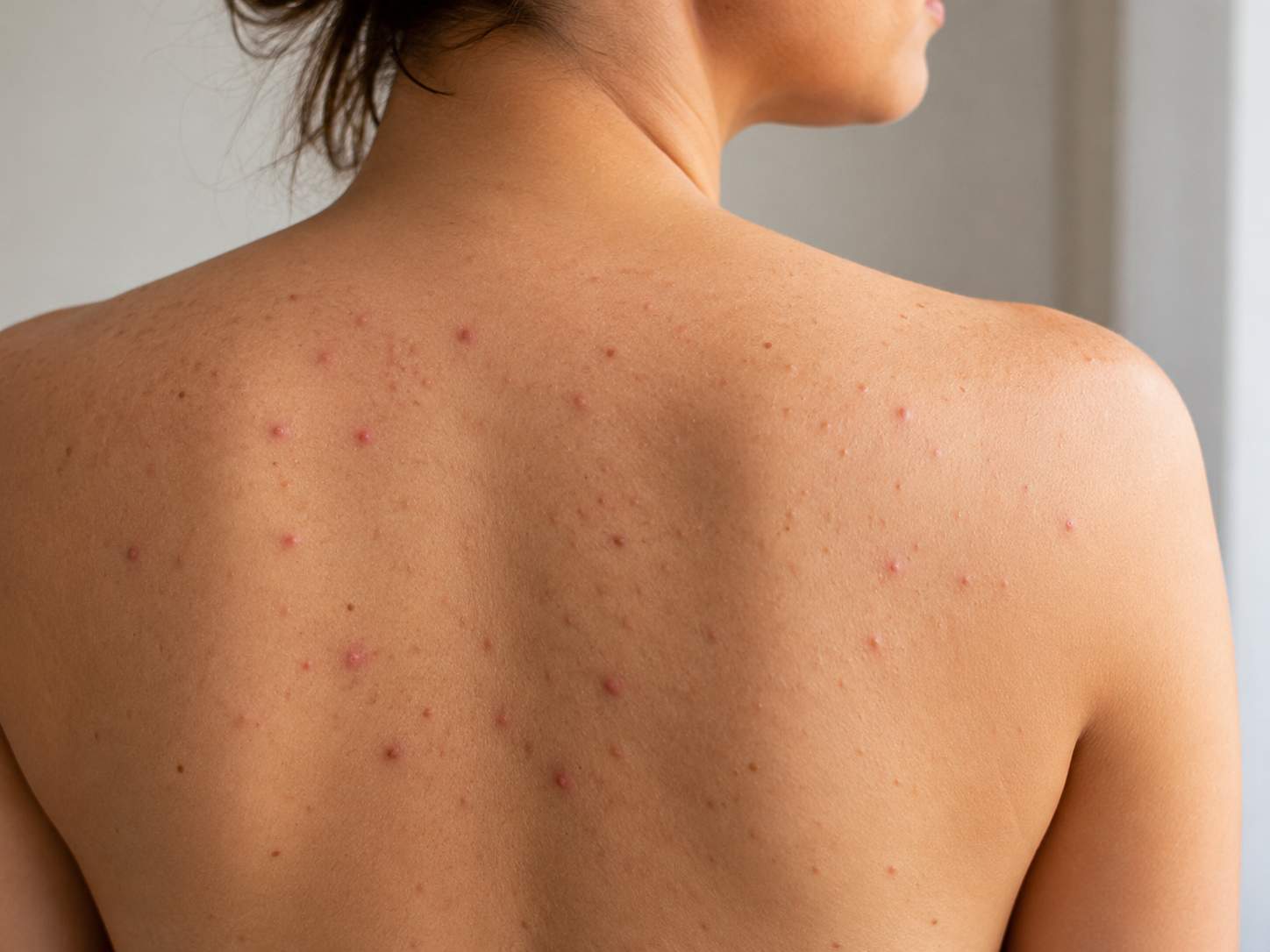
Back Acne from Exercise: How to Manage It for a Cleaner, More Confident Impression
Minjin Park
·
Back acne has a special talent for showing up at the worst time.
You start exercising more, feeling stronger, sweating regularly, maybe even eating better. Then suddenly your back, shoulders, or chest decide to break out like they were personally offended by your fitness goals.
It feels unfair.
Exercise is supposed to be good for your body, your mood, your skin, your sleep, basically everything. And it is. But the sweat, friction, tight workout clothes, gym equipment, and delayed showers that often come with exercise can create the perfect environment for body breakouts.
The good news is that exercise-related back acne is usually manageable. You do not have to stop working out. You do not have to hide in oversized shirts forever. You just need to understand what is causing the breakouts and build a few practical habits around your workouts.
Clean skin. Clean clothes. Less friction. Better timing.
Back acne, often called “bacne,” can happen for many of the same reasons facial acne happens: oil, dead skin cells, clogged pores, bacteria, and inflammation.
But exercise adds a few extra triggers.
When you work out, your body sweats. Sweat itself is not evil, but when it mixes with oil, dead skin cells, and bacteria, it can contribute to clogged pores. Add tight clothing, sports bras, backpack straps, bench contact, or friction from movement, and the skin can get irritated more easily.
The back is especially prone to this because it has many oil glands and is harder to clean properly. It is also usually covered by clothing, which traps heat and moisture.
So it is not that exercise “causes” acne in a simple way. It is more that the workout environment can make breakouts more likely if sweat and friction sit on the skin too long.
Your skin is not against fitness. It just does not like being trapped in a damp shirt for two hours afterward.
Sweat Is Not the Whole Problem
A lot of people blame sweat for everything.
But sweat alone is not usually the main villain. The real issue is what happens when sweat stays on the skin.
If you finish a workout and sit around in sweaty clothes, your skin stays warm and damp. That gives oil, bacteria, and dead skin more time to build up. Tight fabric can press all of that against the skin, especially on the back, chest, shoulders, and buttocks.
Friction makes it worse. Repeated rubbing can irritate hair follicles and pores, leading to acne-like bumps or inflamed breakouts.
This is why some people break out exactly where their sports bra sits, where their backpack rubs, where a tight tank top touches, or where they lie on gym benches.
The pattern often tells you a lot.
Change Out of Sweaty Clothes Quickly
This might be the most important habit.
After exercise, change out of sweaty clothes as soon as you can. That includes shirts, sports bras, underwear, socks, and tight leggings if you are also prone to breakouts on the butt or thighs.
I know it is tempting to stay in gym clothes while running errands, eating lunch, driving home, answering messages, and suddenly realizing it has been three hours. We have all done some version of it.
But sweaty clothes trap heat, moisture, oil, and bacteria against the skin. The longer they stay on, the more likely your pores are to complain.
If you cannot shower right away, at least change into a dry, clean shirt. Even that small step can help.
A clean oversized T-shirt in your gym bag is boring. It is also a lifesaver.
Shower After Workouts, But Do It Gently
Showering after a workout helps remove sweat, oil, and bacteria from the skin before they settle in.
But do not turn the shower into a punishment session.
Scrubbing your back aggressively with a rough towel or brush can make breakouts more irritated. Hot water can also dry out the skin and weaken the barrier, which may make acne-prone skin more reactive.
Use lukewarm water and a gentle body wash. If your back acne is persistent, you may benefit from a body wash with acne-supporting ingredients like salicylic acid or benzoyl peroxide. But start slowly, because these can be drying.
And rinse well. Leftover cleanser, conditioner, or shampoo on the back can contribute to clogged pores too.
The goal is to clean the skin, not sand it down.
Wash Your Back After Your Hair
This is a small habit that can make a real difference.
If you wash and condition your hair in the shower, conditioner can run down your back. Some conditioners are rich and slippery, which is great for hair but not always great for acne-prone back skin.
If residue stays on your skin, it may contribute to clogged pores.
Try this order: shampoo, condition, rinse hair thoroughly, clip hair up if it is long, then wash your back and body last.
That way, your body wash removes any leftover hair product from your shoulders and back.
It is such a simple change that it almost feels too easy. But for some people, it helps a lot.
Choose Workout Clothes That Breathe
Tight, non-breathable fabrics can trap sweat against the skin.
If you are prone to back acne, choose workout clothes that are breathable and moisture-wicking. The goal is to reduce how long sweat sits on your skin.
That said, synthetic workout fabrics can hold odor and bacteria if not washed properly. So breathable clothes help, but only if they are clean.
Avoid wearing the same gym shirt twice without washing it, even if it “doesn’t smell that bad.” Body heat has a way of revealing the truth.
Also, if a specific sports bra, tank top, or tight shirt always causes breakouts in the same area, it may be too tight, too occlusive, or not washing clean enough.
Your skin notices fabric choices more than you think.
Sports Bras and Tight Tops Can Trigger Breakouts
For many people, back acne gets worse under sports bras or tight compression tops.
These items create pressure, friction, and trapped sweat. The band area, shoulder straps, and upper back are common breakout zones.
A supportive sports bra is necessary, especially for high-impact workouts. But if you are breaking out, try changing out of it immediately after exercise. Wash it after each wear. Rotate between a few so you are not forced to reuse a sweaty one.
Make sure it fits properly too. Too tight can increase friction. Too loose can rub more as you move.
There is no perfect solution, but small adjustments help.
Your skin should not have to recover from your workout outfit.
Clean Gym Equipment When Possible
Gym benches, mats, and machines touch a lot of people. A lot of sweaty people. Let’s not think about it too deeply, actually.
If your back touches gym equipment, wipe it down before use when possible. Use a towel as a barrier on benches or mats.
This is especially helpful if you wear open-back tops or thin shirts. Direct contact with shared surfaces can transfer sweat, oils, bacteria, and residue to your skin.
Also, wash your own yoga mat regularly. Personal mats can get pretty gross if they are rolled up damp and forgotten.
A clean mat will not magically cure acne, but it removes one possible trigger.
Backpacks Can Make Back Acne Worse
If you work out, commute, or walk around with a backpack, that can contribute too.
Backpack straps and the back panel trap sweat and create friction. This is especially common if you carry a bag right after exercising or during hot weather.
If you notice acne along the shoulders, upper back, or where your bag sits, your backpack might be part of the problem.
Try loosening the straps slightly, wearing a clean shirt underneath, switching to a tote occasionally, or wiping down the backpack panel if it gets sweaty. Also avoid carrying a heavy backpack directly after a workout while still damp.
Your back needs air, not a sweaty portable heater strapped to it.
Do Not Pick at Back Acne
Back acne is annoying because you can feel it, but you cannot always see it clearly.
That makes picking even more tempting. You reach back, feel a bump, and suddenly your hand is doing detective work without permission.
Try not to.
Picking can increase inflammation, cause scabs, leave dark marks, and make healing take longer. Back skin can scar or discolor just like facial skin, and marks on the back often linger.
If you struggle with picking, keep nails short, wear breathable shirts that reduce access, and treat the area consistently so bumps calm down faster.
The fastest way to make back acne look worse is usually to start “checking” it constantly.
Your fingers are not a treatment plan.
Use the Right Body Wash
A regular gentle body wash may be enough if your breakouts are mild and mostly related to sweat.
But if you have recurring back acne, you may want to try an acne-focused body wash.
Salicylic acid can help with clogged pores and oily buildup. It is often useful for blackheads, whiteheads, and smaller bumps.
Benzoyl peroxide can help with acne-causing bacteria and inflamed breakouts. It can be effective for body acne, but it may dry the skin and can bleach towels, shirts, and bedding. Rinse very well and use white towels if you are worried.
Do not start with everything at once. Pick one product and give it time.
If your skin becomes dry, itchy, or irritated, reduce frequency. More acne wash does not always mean clearer skin. Sometimes it just means angry skin with acne.
Very unfair, but true.
Let Acne Wash Sit Before Rinsing
If you are using a medicated body wash, do not rinse it off immediately.
Many acne body washes work better if they stay on the skin briefly. You can apply the wash to your back, let it sit for one or two minutes while you wash another area, then rinse thoroughly.
Do not leave it on too long at first, especially benzoyl peroxide. Your skin may get dry or irritated.
And again, rinse well. Residue is not your friend.
The back is hard to reach, so a long-handled silicone body brush or soft washcloth can help spread cleanser. Just do not scrub harshly.
Exfoliation Can Help, But Be Careful
Back acne often makes people want to scrub.
Please be gentle.
A mild exfoliating body wash or chemical exfoliant can help prevent clogged pores. But rough scrubs can irritate active acne, especially if bumps are red, painful, or inflamed.
If your back has mostly rough texture and clogged pores, salicylic acid or a gentle body exfoliant may help.
If your back has painful pimples, pustules, or cystic breakouts, skip rough physical scrubs. They may worsen irritation.
Exfoliation should support clearer skin, not turn your back red and tender.
Moisturizer Still Matters
This surprises people.
If your back is breaking out, you may think moisturizer is the last thing you need. But if you are using acne washes, sweating often, showering frequently, or exfoliating, your skin can become dry and irritated.
Dry, irritated skin does not heal well.
Use a lightweight, non-greasy body lotion if your back feels tight or dry. Look for non-comedogenic or lightweight formulas. Avoid heavy oils and thick body butters on acne-prone areas.
Moisturizer is not just for soft skin. It helps the skin barrier stay calm.
A calm barrier is better at handling acne treatments.
Watch Hair Products and Body Products
Hair products can cause breakouts on the shoulders, upper back, and neck.
Leave-in conditioner, hair oil, styling cream, gel, and heat protectant can transfer onto the back, especially if you have long hair. Sweat can make them spread even more.
If you notice breakouts along the upper back or shoulders, try keeping hair off your back during workouts and rinsing your back after using hair products.
Heavy body lotions, oils, shimmer products, or fragranced creams can also clog or irritate acne-prone areas.
You do not have to stop using everything. Just keep heavy products away from areas that break out easily.
Your hair may love that rich leave-in cream. Your upper back may have different feelings.
Laundry Habits Matter More Than You Think
Workout clothes, towels, sports bras, and bed sheets can all affect back acne.
Wash sweaty clothes promptly. Do not let them sit damp in a gym bag. Use enough detergent, but avoid overloading the machine. Clothes need room to rinse properly.
Towels should dry fully between uses and be washed regularly. If you use the same towel repeatedly while dealing with back acne, it may collect oils, bacteria, and product residue.
Sheets matter too. Your back touches your sheets for hours every night. If you sleep shirtless or sweat at night, wash sheets more often.
Clean skin plus dirty fabric is a frustrating combination.
Is It Acne or Folliculitis?
Not every bump on the back is acne.
Sometimes exercise-related bumps are folliculitis, which is inflammation or infection around hair follicles. It can look like small red bumps or pimple-like spots, often itchy or tender.
Folliculitis can be triggered by sweat, friction, tight clothing, bacteria, yeast, or shaving. It may need a different approach than regular acne.
If your back bumps are very itchy, uniform-looking, sudden, or not responding to typical acne products, consider seeing a dermatologist.
This is important because using the wrong products can waste time and make irritation worse.
Skin problems are annoying enough without mislabeling them.
A Simple Post-Workout Back Acne Routine
Here is a realistic routine that does not require turning your life into a skincare project.
Before working out, wear clean, breathable clothing. Tie long hair up so it does not rub against your back. Avoid heavy body oils or rich creams on acne-prone areas.
After working out, change out of sweaty clothes quickly. Shower if possible. Wash your back after rinsing out hair conditioner. Use a gentle body wash or acne body wash depending on your skin. Dry your back with a clean towel. Apply a lightweight moisturizer if your skin feels dry.
Wash workout clothes, sports bras, and towels regularly.
That is the core routine.
Simple, repeatable, and much better than doing one intense scrub once a week and hoping for the best.
Maybe you work out before commuting home. Maybe the gym showers are not your thing. Maybe you exercise during lunch and have to return to work.
If you cannot shower immediately, change into a dry shirt as soon as possible. Use body wipes on your back, chest, and underarms if you can. At least blot away sweat and reduce moisture.
Keep a clean shirt in your bag. If you wear a sports bra, change it if possible.
Then shower properly when you get home.
This is not perfect, but it is better than staying in sweaty clothes for hours.
Skincare does not always need perfect conditions. It needs better choices when perfect is not available.
How Long Does It Take to Improve?
Back acne can take time.
If you change your habits and start using the right products, you may notice fewer new breakouts within a few weeks. Existing bumps and dark marks may take longer to fade.
Body skin can be stubborn. The back is thicker than the face, harder to reach, and constantly exposed to clothing and friction.
Give a routine at least six to eight weeks if your skin is tolerating it. But if the acne is painful, cystic, spreading, or leaving scars, do not wait too long before seeing a dermatologist.
There is no prize for suffering through back acne alone.
When to See a Dermatologist
If your back acne is severe, painful, deep, itchy, or leaving scars, a dermatologist can help.
You may need prescription treatments, stronger topical products, oral medication, or a diagnosis to rule out folliculitis or other skin conditions.
Also, if over-the-counter products make your skin worse or nothing improves after a couple of months, professional guidance is worth it.
Back acne is common, but that does not mean you have to just accept it forever.
Common Mistakes That Make Workout Back Acne Worse
Staying in sweaty clothes too long.
Re-wearing sports bras or gym shirts.
Using heavy hair products that touch the back.
Scrubbing inflamed acne aggressively.
Skipping showers after workouts.
Letting conditioner run down the back and not washing it off.
Using too many strong acne products at once.
Not washing towels, sheets, gym bags, or workout clothes properly.
Picking at bumps.
Wearing tight, non-breathable fabrics every workout.
Most of these are fixable. That is the nice part.
You do not need a perfect routine. You need fewer acne triggers piling up at once.
Clean Impression Matters Too
Back acne is not just a skin issue. It can affect confidence.
You may avoid certain shirts, swimsuits, gym outfits, or situations where your back shows. You may feel self-conscious during workouts or in warm weather.
That is understandable.
But a clean impression does not mean flawless skin. It means your skin looks cared for, your clothes are fresh, and your body hygiene feels intentional.
Even if you still have some breakouts, good habits can reduce odor, sweat buildup, irritation, and visible congestion. Your skin may look calmer, and you may feel more comfortable.
Perfect skin is not required to look clean and put-together.
Consistent care makes a difference.
Final Thoughts
Exercise can be great for your body and still create conditions that trigger back acne.
Sweat, friction, tight clothing, delayed showers, dirty gym gear, hair products, and laundry habits can all play a role. The solution is not to stop exercising. It is to manage what happens before and after your workout.
Wear clean, breathable clothes. Change out of sweaty gear quickly. Shower when possible. Wash your back after rinsing conditioner. Use gentle or acne-focused body wash wisely. Moisturize if your skin gets dry. Keep towels, sheets, and workout clothes clean. Avoid picking.
Back acne usually improves when you stop letting sweat and friction sit on your skin for hours.
Not instantly. Not perfectly. But steadily.
Your workout should make you feel stronger, not secretly anxious about your back. With a few practical habits, you can keep exercising and still maintain a cleaner, fresher, more confident impression.
Hi, I’m the creator and editor behind ZestyHabit. I research everyday safety, first aid, and practical wellness topics using official guidance and reliable public sources, then turn that information into clear, realistic steps for daily life.
My goal is to help readers make safer, better-informed choices at home and beyond.