
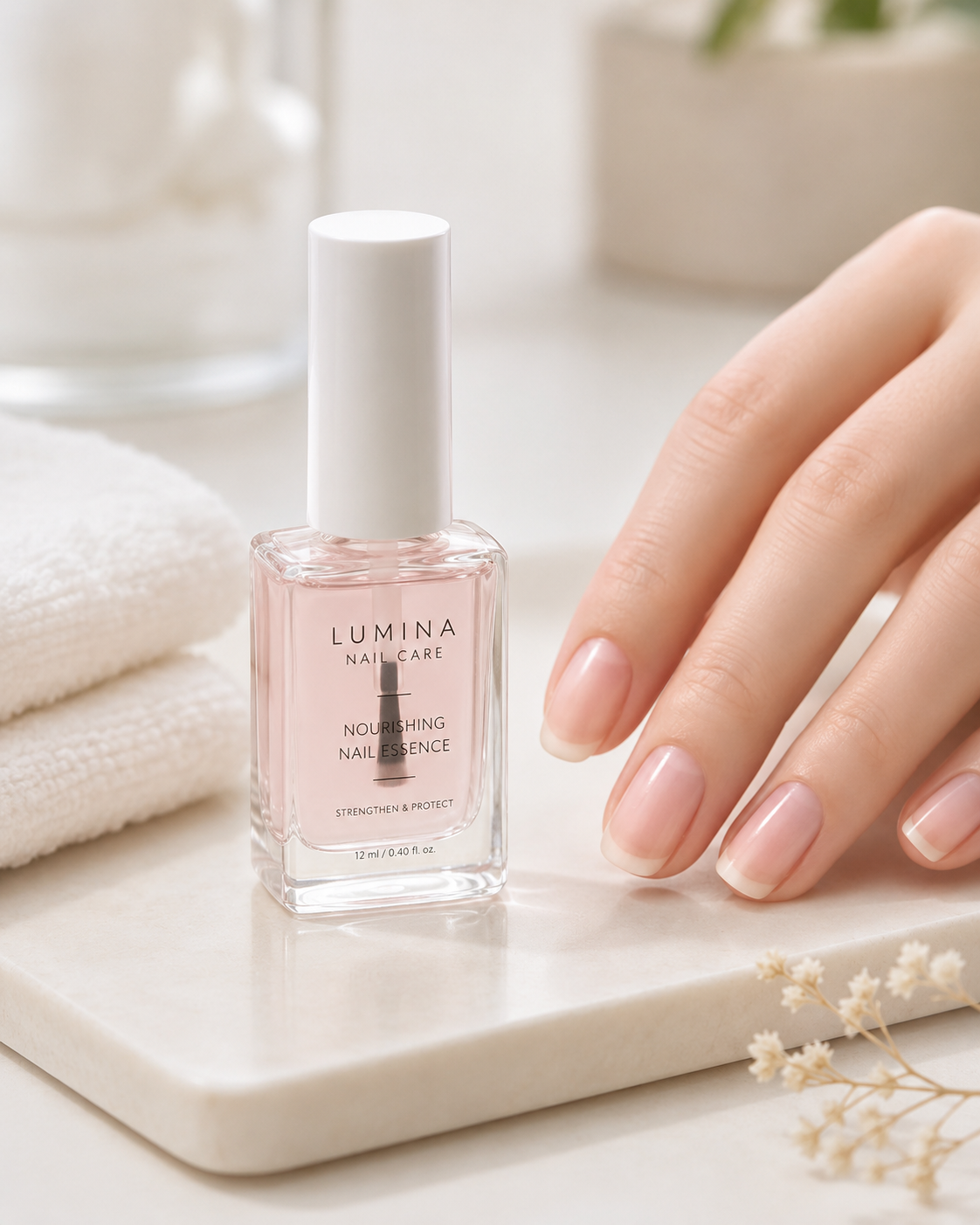
Nails are funny because we usually ignore them until something goes wrong.

One day they are just there, quietly growing at the ends of our fingers. Then suddenly one splits right before an event. Or they start peeling in thin layers. Or the tips keep breaking no matter how carefully you file them. Maybe your manicure chips faster than usual. Maybe your nails look dull, weak, bendy, or dry.
And that is when the nail supplement search begins.
Biotin. Collagen. Keratin. Multivitamins. Gummies. Hair-skin-nails capsules. Little beauty drinks that promise stronger nails and shinier hair and possibly a new personality if the packaging is fancy enough.
Nail supplements can be helpful for some people, especially if weak nails are related to nutritional gaps. But they are not magic. They do not work overnight. And they cannot fix every nail problem, especially if the real issue is water exposure, harsh polish removal, gel damage, over-filing, or health-related changes.
So let’s talk about nail supplements honestly — what they can do, what they cannot do, and the beauty care points people often miss when trying to grow stronger, healthier-looking nails.
First, Weak Nails Are Not Always a Supplement Problem
When nails become weak, it is tempting to assume your body is “missing something.”
Sometimes that is true. Low intake of certain nutrients can affect nail health. But brittle nails are not always caused by a vitamin deficiency.
Daily habits matter a lot.
Washing dishes without gloves. Using acetone too often. Peeling off gel polish. Filing back and forth roughly. Using nails as tools. Keeping hands in water all day. Skipping cuticle oil. Getting back-to-back manicures without breaks.
All of these can make nails weak, dry, thin, or prone to splitting.
This is why someone might take nail supplements for months and still feel disappointed. The supplement may be doing a little from the inside, but the nails are being damaged from the outside every day.
It is like trying to grow healthy hair while bleaching it weekly and never conditioning it.
The inside support matters.
But so does the daily treatment.
How Nails Actually Grow
Nails grow from the nail matrix, which is under the skin at the base of the nail. The nail you see is already formed. That means supplements do not instantly repair the visible nail plate.
If your nail is already split, peeling, or damaged, a supplement will not glue it back together permanently. The damaged part has to grow out.
This is why nail improvement takes time.
Fingernails usually grow slowly, so you may need several months before you notice stronger new growth. Toenails take even longer, because apparently they enjoy testing our patience.
When people say, “I took this supplement for two weeks and my nails did not change,” that may simply be too soon. The new nail has barely had time to show itself.
Nail supplements are long-term support, not emergency repair.
For emergency repair, you need trimming, filing, moisturizing, and not making the damage worse.
Very boring. Very effective.
Biotin: The Famous Nail Supplement
Biotin is probably the most famous ingredient in nail supplements.
It is a B vitamin often marketed for hair, skin, and nails. Some people with brittle nails do notice improvement when taking biotin consistently. Their nails may feel thicker, stronger, or less prone to splitting over time.
But biotin is not a guaranteed fix.
If your nails are weak because of gel polish damage, harsh removers, constant water exposure, or over-filing, biotin alone will not solve the problem. It may support new growth, but it cannot undo mechanical damage already done to the nail.
Also, more biotin does not always mean better results. Many hair-skin-nails supplements contain very high doses, and not everyone needs that. Biotin can also interfere with some lab tests, which is something people often do not know. If you are getting blood work done, it is worth telling your healthcare provider about supplements you take.
A beauty gummy may look harmless, but it still counts as a supplement.
Tiny, cute, fruit-flavored responsibility.
Collagen for Nails
Collagen is usually discussed for skin, but many people take it for nails too.
Collagen peptides provide amino acids that may support the body’s structural proteins. Some people report less nail brittleness after consistent collagen use. It may be especially appealing if you are already taking collagen for skin elasticity or hydration.
But again, expectations matter.
Collagen will not make your nails suddenly grow like acrylic tips. It may support overall nail quality over time, especially as part of a balanced diet, but it is not a replacement for protein, vitamins, minerals, or basic nail care.
Also, collagen is not a complete protein. It has useful amino acids, but it should not be your only protein source.
If your overall diet is low in protein, fixing that may matter more than adding a fancy collagen drink.
Beauty starts sounding much less glamorous when it becomes “please eat enough protein,” but here we are.
Iron, Zinc, and Other Nutrients
Nails can reflect general nutrition.
Iron, zinc, protein, vitamin B12, folate, and other nutrients can all play a role in healthy nail growth. If someone has a deficiency, their nails may become brittle, spoon-shaped, ridged, pale, slow-growing, or weak.
But this does not mean everyone should start taking every mineral they can find.
Too much of certain nutrients can be harmful. Iron especially should not be taken casually unless you need it. Zinc can also cause problems if taken too much for too long.
This is where supplement marketing gets tricky. A product may say “supports healthy nails,” but your body may not need the nutrients in that product. Or it may need something completely different.
If your nails have changed suddenly, dramatically, or along with fatigue, hair loss, skin changes, or other symptoms, it is better to check with a healthcare professional instead of guessing with random supplements.
Nail changes can be cosmetic.
They can also be clues.
Protein Matters More Than People Think
Nails are made mostly of keratin, which is a protein.
If your diet is consistently low in protein, your nails may not be at their best. This is one of the most overlooked beauty care points. People will buy expensive nail serums, collagen powders, and biotin gummies, but then barely eat enough protein throughout the day.
Your body needs building blocks.
You do not have to eat perfectly. You do not need a bodybuilder diet. But regular protein from foods like eggs, fish, chicken, tofu, beans, Greek yogurt, lentils, lean meat, or other sources can support hair and nail health.
Supplements are called supplements for a reason.
They supplement the basics.
They do not replace them.
Hydration Is Not Just About Drinking Water
People often think brittle nails need vitamins, but many brittle nails are dry.
Nails can lose moisture from frequent hand washing, sanitizers, dishwashing, cleaning products, cold weather, and harsh polish removers. When nails are dry, they may peel, split, or break more easily.
Drinking water is good, of course. But nail hydration also needs external care.
Cuticle oil, hand cream, and gentle protection matter a lot. Applying oil around the cuticle and nail plate can help reduce dryness and keep the nail area more flexible. A nail that is slightly flexible is often less likely to snap than one that is dry and brittle.
You do not need an expensive cuticle oil. Jojoba oil, vitamin E blends, or simple nail oils can work. The key is consistency.
Once a week when you remember will not do much.
A tiny bit every night before bed? Much better.
And yes, it will feel greasy for a minute. Beauty is occasionally inconvenient.
Cuticles Are More Important Than They Look
Cuticles get treated like an obstacle in manicures, but they actually protect the nail area.
The cuticle helps seal the space between the nail plate and surrounding skin. If you cut too aggressively, pick at them, or push them back roughly, the area can become irritated or open to infection.
Healthy cuticles support healthier-looking nails.
This is one of those tiny beauty details people miss. They focus on the nail plate but neglect the skin around it. Dry, cracked cuticles can make even polished nails look messy. They can also make you more likely to pick, peel, or cause little wounds.
Instead of cutting cuticles harshly, soften them. Use oil. Use hand cream. Gently push them back if needed after a shower or after applying a cuticle softener. Do not attack them like they personally wronged you.
Your cuticles are not the enemy.
They are just small and often misunderstood.
Stop Using Your Nails as Tools
This one hurts because we all do it.
Opening cans. Scraping labels. Picking at tape. Lifting stickers. Pressing buttons. Peeling things. Scratching dried bits off surfaces. Basically treating nails like tiny built-in tools.
Then we wonder why they split.
Nails are not screwdrivers. They are not box cutters. They are not emergency kitchen equipment.
If your nails keep breaking at the tips, pay attention to how often you use them for small tasks. Even strong nails can weaken from repeated pressure and bending.
Use actual tools when possible. A spoon, a key, scissors, a box opener, tweezers — anything except your poor nail edge.
This small change can make a surprising difference.
Not glamorous, again.
But very real.
Water Is a Bigger Problem Than You Think
Water sounds harmless, but repeated wet-dry cycles can weaken nails.
When nails absorb water, they expand. When they dry, they contract. Over and over again, this can contribute to peeling and brittleness.
If your hands are in water often, your nails may struggle even if you take supplements.
Dishwashing, cleaning, swimming, long baths, frequent hand washing, and certain jobs can all make nails more fragile. Hand sanitizer can add dryness too, especially if used constantly.
The fix is simple but annoying: gloves.
Wear gloves for dishes and cleaning. Moisturize after washing your hands. Keep nail oil nearby. Use a gentle hand soap when possible.
I know gloves feel like an extra step.
But broken nails also feel like an extra problem.
Choose your inconvenience.
Gel Manicures and Nail Damage
Gel polish can look beautiful. It lasts longer, stays shiny, and makes nails feel strong while it is on.
The issue is removal.
Peeling off gel polish is one of the fastest ways to damage your nails. When you peel the gel, you often take layers of your natural nail with it. Then the nail becomes thin, rough, bendy, and weak.
After that, people often say, “My nails are so weak. I need supplements.”
Maybe. But the main problem may be that the nails were physically stripped.
If you get gel manicures, proper removal matters. So does giving your nails breaks if they start feeling thin or sensitive. You can also ask your nail technician to be gentle with filing and avoid over-buffing the natural nail.
A manicure should not leave your nails feeling painful or paper-thin.
Pretty nails should still be attached to healthy nails underneath.
Acrylics, Press-Ons, and Glue
Acrylics and press-ons can also affect nail health.
The products themselves are not automatically terrible, but prep and removal can be rough. Over-filing, aggressive glue removal, peeling off press-ons, or wearing enhancements continuously without care can weaken the natural nail.
If you love extensions, the goal is not to shame the habit. Just protect the natural nail as much as possible.
Remove them properly. Avoid ripping them off. Moisturize between sets. Keep the nail plate as intact as possible. If your nails feel sore, thin, or sensitive, give them time to recover.
Supplements cannot outwork repeated damage from bad removal.
They are not miracle workers in a capsule.
Nail Hardener: Helpful or Harmful?
Nail hardeners can be useful for some people, but they are not always the best solution.
If your nails are soft and bendy, a hardener may help temporarily. But if your nails are dry and brittle, making them harder can sometimes make them more likely to snap. Think of a dry twig. Hard, yes. Flexible, no.
Healthy nails need a balance of strength and flexibility.
If you use nail hardener, watch how your nails respond. If they become more brittle, take a break and focus on moisture instead.
This is why nail care is not one-size-fits-all. “Weak nails” can mean soft and peeling, dry and brittle, thin and bendy, damaged from gel, or slow-growing from internal factors.
Different problems need different care.
The Role of Nail Filing
Filing seems simple, but it can make or break your nail routine.
A rough file can create tiny tears at the nail edge. Filing aggressively back and forth can worsen splitting, especially if your nails are already fragile.
Use a fine-grit file or glass file when possible. Shape gently. File in one direction or use soft, controlled movements. Keep the edge smooth so it does not catch on fabric or hair.
Also, consider keeping nails shorter while they recover. Long nails are more likely to bend, hit things, and break. Shorter nails may feel less exciting, but they are easier to strengthen.
Sometimes the fastest way to grow healthier nails is to stop insisting on length before the nail is ready.
A little humbling, but useful.
Nail Supplements Take Time
This may be the least satisfying part.
If a nail supplement works for you, you probably need to take it consistently for a few months before judging the results. Since nails grow slowly, the stronger new nail has to grow from the base outward.
You may notice the area near the cuticle looks smoother or stronger first, while the tips still split because they are older and damaged.
That is normal.
Do not expect the entire nail to transform in two weeks.
Also, take photos if you want to track progress. Nails change slowly enough that it is easy to miss improvement. A monthly photo in similar lighting can help you see whether the new growth looks better.
This is much more useful than staring at your nails every day and emotionally interrogating them.
Be Careful With Hair-Skin-Nails Gummies
Beauty gummies are tempting because they feel easy.
They taste good. They look cute. They make supplements feel like candy with benefits.
But read the label.
Some gummies contain sugar, low doses of active nutrients, or large amounts of certain vitamins you may not need. Some people end up taking multiple supplements without realizing they are doubling or tripling certain ingredients.
Also, because gummies taste like candy, it can be tempting to take more than the serving size. Please do not do that.
More gummies do not mean faster nail growth.
They mean you ignored the label because strawberry flavor was persuasive.
When Nail Changes Need Medical Attention
Most nail issues are harmless and related to dryness, damage, or habits.
But some changes should be checked.
See a healthcare professional if you notice sudden nail discoloration, dark streaks, nail separation, swelling, pain, pus, thick yellow nails, severe ridges, nails changing shape, or nail changes along with other symptoms.
Fungal infections, psoriasis, eczema, thyroid issues, anemia, and other health conditions can affect nails. In those cases, supplements may not solve the problem.
Also, if one nail looks very different from the others, pay attention.
Nails can be beauty details, but they are also part of your body. They deserve more than cosmetic guessing when something seems off.
A Simple Nail Care Routine That Actually Helps
You do not need a complicated routine.
Keep nails clean and dry.
Use gloves for dishes and cleaning.
Apply hand cream after washing.
Use cuticle oil daily if possible.
File gently with a smooth file.
Avoid peeling gel polish or press-ons.
Do not use nails as tools.
Keep damaged nails shorter while they recover.
Eat enough protein.
Consider supplements only if they make sense for your needs.
That is the core of it.
Simple does not mean useless. Sometimes simple is what works because you can actually keep doing it.
A routine that takes 30 seconds every night is better than a perfect routine you do once and abandon.
What to Look for in a Nail Supplement
If you decide to try a nail supplement, choose one thoughtfully.
Look for clear ingredient amounts. Avoid products that hide behind vague “beauty blend” labels without telling you how much of anything is inside.
Check whether it contains biotin, collagen, zinc, iron, or other nutrients. Make sure you actually want those ingredients. Be especially careful with iron unless a professional has told you that you need it.
Consider whether you already take a multivitamin or other supplements.
Check for allergens, gelatin, fish collagen, or other ingredients that may not fit your diet.
And choose a form you can take consistently. A powder you hate will sit in the cabinet. A capsule you forget will not help. A gummy you eat like candy is also not ideal.
The best supplement is not the prettiest one.
It is the one that is appropriate, safe, and realistic for you.
The Bottom Line
Nail supplements can help some people, especially when weak or brittle nails are connected to nutritional gaps or when the supplement supports healthy new nail growth over time. Biotin, collagen, protein, and certain vitamins or minerals can all play a role.
But supplements are only one part of nail care.
If you are constantly peeling off gel polish, washing dishes without gloves, skipping hand cream, using harsh remover, filing roughly, or using your nails as tiny tools, your nails may keep breaking no matter what you swallow.
Healthy nails need both internal support and external protection.
So take the supplement if it makes sense. But also oil your cuticles. Moisturize your hands. Be gentle with removal. Wear gloves. File carefully. Eat enough protein. Give damaged nails time to grow out.
Strong nails are not built from one beauty capsule.
They are built from small habits that stop punishing them every day.

Hi, I’m the creator and editor behind ZestyHabit. I research everyday safety, first aid, and practical wellness topics using official guidance and reliable public sources, then turn that information into clear, realistic steps for daily life.
My goal is to help readers make safer, better-informed choices at home and beyond.


