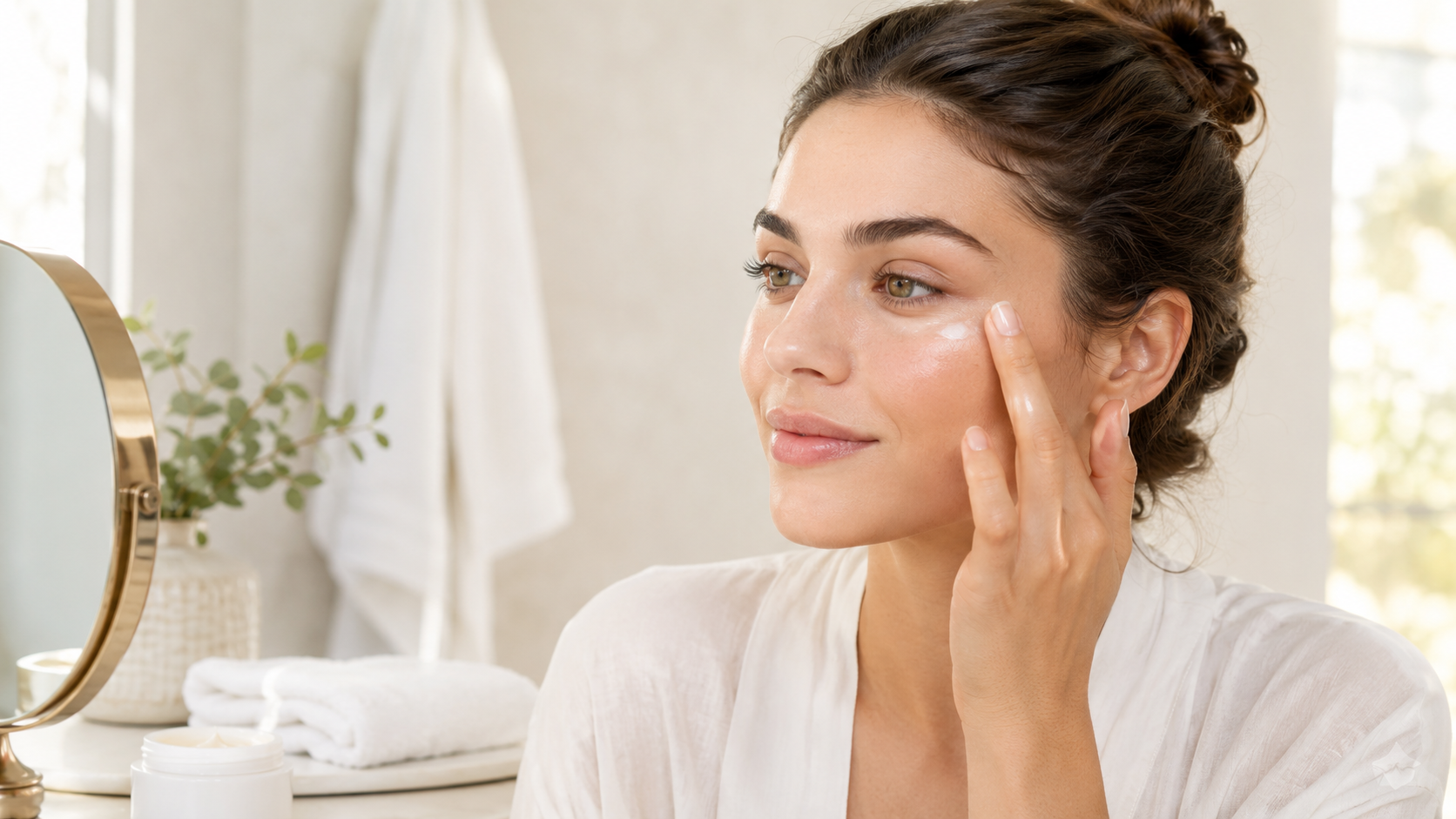

The under-eye area has a way of telling on us.
Sleep badly for one night? It shows up there. Cry a little? Puffy eyes. Drink too little water? Somehow the under-eyes know. Spend too long staring at a screen? Dark shadows appear like they had an appointment.
And because the eyes sit right in the center of the face, even small changes around them can affect your whole impression. You might have clear skin, nice makeup, and a good outfit, but if the under-eye area looks dry, puffy, dark, or messy, the face can still look tired.
A clean impression is not only about having perfect skin. It is often about looking rested, neat, and well cared for.
That is why under-eye care matters.
Not because we need to erase every line or pretend we never get tired. That’s impossible. The under-eye area naturally has thin skin, movement, shadows, and texture. But with the right habits, you can make it look smoother, brighter, and more polished.
Let’s talk about how to care for the under-eye area in a realistic way.
Why the Under-Eye Area Looks Tired So Easily
The skin under the eyes is thinner and more delicate than many other areas of the face. That means it can show changes faster.
A little dryness looks more obvious.
A little swelling looks puffier.
A little pigmentation looks darker.
A little texture makes concealer crease.
It is also an area that moves constantly. We blink, smile, squint, rub our eyes, cry, laugh, and make facial expressions all day. So even if you take good care of your skin, the under-eye area will never look completely motionless and airbrushed in real life.
That is normal.
The problem is not that the under-eye skin has lines or shadows. The problem is when the area looks neglected: dry flakes, smudged makeup, swollen bags, irritated skin, or concealer sitting in thick creases.
A clean under-eye look usually comes from comfort and balance, not from forcing the area to look unnaturally smooth.
Dark Circles Are Not All the Same
Before trying to “fix” dark circles, it helps to know what kind you might have.
Some dark circles are caused by pigmentation. The skin itself looks darker or brownish. This can be genetic, sun-related, or related to inflammation and rubbing.
Some are caused by thin skin and visible blood vessels. These may look bluish, purple, or reddish, especially when you are tired.
Some are caused by hollowing or facial structure. In this case, the shadow comes from the shape of the under-eye area rather than the skin color itself.
Some are caused by puffiness. Swelling creates a shadow underneath, making the area look darker.
And sometimes it is a mix of everything, because skin enjoys being complicated.
This matters because one product cannot solve every type of dark circle. A brightening serum may help pigmentation, but it won’t remove a hollow shadow. A cold compress may help puffiness, but it won’t erase genetic darkness. Concealer can help the look, but it doesn’t change the cause.
So instead of chasing one miracle eye cream, it is better to understand what you are dealing with.
Less dramatic, but much more useful.
Puffiness Needs a Different Approach
Under-eye puffiness can make the whole face look sleepy.
It often happens in the morning because fluid can collect around the eyes while you sleep. Salty food, alcohol, crying, allergies, lack of sleep, hormones, and sleeping flat can all make puffiness worse.
For mild morning puffiness, cooling can help.
A chilled spoon, cool eye mask, cold compress, or eye roller can make the area feel fresher. Just don’t press too hard. The goal is to calm the area, not crush it into submission.
Gentle lymphatic-style massage may also help. Use very light pressure and move from the inner under-eye area outward toward the temples, then down along the sides of the face and neck. Keep it soft. The eye area is not the place for aggressive rubbing.
Also, check your sleep position. If you wake up with very puffy eyes often, slightly elevating your head may help some people. And if allergies are involved, skincare alone may not fix it.
Sometimes the under-eye area is not asking for eye cream.
Sometimes it is asking you to stop eating very salty snacks at midnight.
Painful, but possible.
Rubbing Your Eyes Makes Things Worse
This is one of the biggest under-eye habits to watch.
Rubbing the eyes can irritate the skin, worsen dryness, increase redness, and contribute to pigmentation over time. It can also make puffiness worse, especially if you already have allergies or sensitive skin.
The tricky part is that most people rub their eyes without thinking.
Tired? Rub.
Itchy? Rub.
Makeup smudged? Rub.
Screen fatigue? Rub.
Just woke up? Rub.
But the under-eye area is delicate. Repeated friction can make it look darker and more textured.
If your eyes are itchy often, look for the reason. It could be allergies, dry eyes, contact lenses, makeup, lash glue, cleanser, or skincare getting too close to the eyes. If it happens frequently, it may be worth asking a professional rather than just rubbing through it.
For daily care, remove makeup gently. Don’t drag cotton pads back and forth aggressively. Press, hold, and wipe softly.
Your under-eyes should not be treated like a stubborn stain on a shirt.
Hydration Makes a Big Difference
Dry under-eyes can make you look more tired than you actually are.
When the area is dehydrated, fine lines look sharper, concealer settles more, and the skin can appear dull or crepey. Even a small amount of dryness can make makeup look heavy.
Hydration will not erase every line, but it can make the area look smoother and healthier.
Look for gentle moisturizing ingredients like glycerin, hyaluronic acid, panthenol, ceramides, squalane, or peptides. The formula matters more than the fancy label. Some eye creams are just small moisturizers in expensive packaging. That is not always bad, but it is worth knowing.
You do not always need a separate eye cream. If your regular moisturizer is gentle, fragrance-free, and does not sting your eyes, you may be able to use a tiny amount under the eyes.
Tiny amount is the key phrase.
Too much cream can cause makeup to slip, migrate into the eyes, or make the area look puffy.
The under-eye area likes moisture.
It does not need to be glazed like a donut.
Eye Cream: Necessary or Not?
Eye cream is optional, not mandatory.
Some people love eye creams because they are formulated to be lighter, less irritating, and more comfortable around the eyes. Others do perfectly fine with their regular moisturizer.
An eye cream may be worth using if:
- your regular face cream stings near the eyes
- your under-eyes are dry but your face cream is too heavy
- you want a product specifically made for puffiness or brightness
- you wear concealer and need smoother prep
- your eye area is sensitive
But don’t expect an eye cream to perform surgery in a jar.
It can hydrate, smooth, and sometimes brighten over time. It may help makeup sit better. But deep hollows, strong genetic dark circles, and significant bags usually won’t disappear from cream alone.
The best eye cream is one that keeps the area comfortable and doesn’t irritate your eyes.
That may sound boring.
Under-eye care is often boring when it works.
Sunscreen Around the Eyes Matters
A lot of people skip sunscreen near the eyes because it stings.
Understandable. Eye-stinging sunscreen is a betrayal.
But sun exposure can darken pigmentation, worsen fine lines, and affect skin texture around the eyes over time. If you are trying to keep the under-eye area bright and clean-looking, sunscreen matters.
The solution is to find a sunscreen that your eye area tolerates. Mineral sunscreens may be gentler for some people, though they can leave a cast. Some stick sunscreens are easier to apply around the eyes without migration. Sunglasses and hats also help a lot.
Don’t forget the outer corners of the eyes, where fine lines often show up first. That area gets sun exposure and movement, so protection matters.
If sunscreen always stings your eyes, don’t just give up entirely. Try applying a smaller amount around the orbital bone, not directly into the lash line, and use sunglasses as extra protection.
Your eye area deserves sun care too.
Even if it complains.
Concealer Can Help or Hurt the Clean Look
Concealer is useful, but under-eye concealer can go wrong quickly.
Too much concealer can make the under-eyes look dry, thick, and older. Very matte formulas can emphasize texture. Very creamy formulas can crease. Too much powder can make the area look dusty.
The cleanest under-eye makeup usually starts with less product.
Apply concealer only where darkness is strongest, often near the inner corner and shadowed area. You may not need to cover the entire under-eye. Blend gently with a fingertip, small brush, or damp sponge.
Let the concealer sit for a moment. Then tap out creases before setting with powder. If you use powder, use the smallest amount possible.
Under-eye makeup should brighten, not build a wall.
Sometimes a little color corrector works better than piling on concealer. Peach or salmon tones can help cancel blue or purple darkness, depending on your skin tone. For deeper skin tones, orange correctors may work better.
A thin corrector plus a thin concealer often looks cleaner than one thick layer of concealer.
Don’t Overuse Strong Actives Under the Eyes
The under-eye area is not the best place to casually experiment with strong skincare.
Retinoids, exfoliating acids, vitamin C, and acne treatments can all irritate the eye area if used too close or too often. Some products migrate while you sleep, even if you don’t apply them directly under the eyes.
If your under-eyes suddenly become red, dry, flaky, or burning, check whether your active products are getting too close.
Retinol eye creams can be helpful for some people, but they should be introduced slowly. A tiny amount, only a few nights a week at first, is safer than daily use right away. And moisturizer helps.
Do not apply strong exfoliating acids under the eyes unless the product is specifically made for that area.
The under-eye skin is not your cheek.
It will not always forgive you.
Sleep Shows Up Here First
I wish skincare could replace sleep.
It cannot.
Poor sleep can make the under-eyes look darker, puffier, and duller. It can also make the whole face look less fresh. Even the best eye cream has a hard time competing with five hours of restless sleep.
That doesn’t mean you need perfect sleep every night. Real life exists. Work, stress, family, late-night scrolling, and random worries all happen.
But if clean, fresh under-eyes are your goal, sleep habits matter.
Try to keep a more consistent sleep schedule when possible. Avoid too much screen brightness right before bed if it affects you. Keep the bedroom comfortable. Remove makeup before sleeping, even when you’re tired.
That last one matters more than people admit.
Sleeping in eye makeup can lead to irritation, smudging, dryness, and morning puffiness. It also makes the whole face feel less clean.
Your future morning face will appreciate the effort.
Allergies Can Make Under-Eyes Look Worse
Allergies are a major under-eye troublemaker.
They can cause puffiness, darkness, itching, watery eyes, and constant rubbing. Some people get what are sometimes called allergic shiners, where the under-eye area looks darker because of congestion.
If your under-eye issues flare during certain seasons, around pets, after dust exposure, or when your eyes itch, allergies may be involved.
In that case, skincare can only do so much. You may need to manage the allergy trigger, clean pillowcases more often, keep dust under control, or speak with a healthcare professional about treatment options.
Also, be careful with eye products if you have allergies. Fragrance, certain preservatives, lash serums, eye creams, or makeup can worsen irritation.
A clean impression starts with calm skin.
And calm skin is difficult when your eyes are itchy all day.
Pillow Habits Matter More Than You Think
Your pillow affects your under-eye area too.
If you sleep with your face pressed into the pillow, you may wake up with creases, puffiness, or smudged skincare around the eyes. If your pillowcase is not changed often, oil, sweat, hair products, and dust can irritate the skin.
A clean pillowcase can help, especially if you have sensitive skin or allergies.
Changing your pillowcase regularly is not glamorous skincare, but it is practical. If your under-eyes are often puffy or irritated in the morning, it is worth checking your sleep environment.
Also, if your pillow is too flat or too high, it may affect fluid retention or neck position. You don’t need a special beauty pillow, but sleeping comfortably with your head supported can help.
The under-eye area is dramatic.
It notices everything.
Lash Products Can Irritate the Under-Eye Area
Mascara, eyeliner, lash glue, lash extensions, and lash serums can all affect the eye area.
If your under-eyes are suddenly dry, red, itchy, or darker-looking, think about what you’re applying near your lashes. Waterproof mascara can require more rubbing to remove. Lash glue can irritate sensitive skin. Some lash serums can cause discoloration or irritation in certain people.
Makeup removal is especially important.
Use a gentle remover that breaks down eye makeup without harsh rubbing. Press the remover-soaked pad gently over the eye for a few seconds, then wipe softly. Repeat if needed.
Don’t scrape mascara off with your fingers.
I know it happens. Still, don’t.
The cleaner your removal routine, the better your under-eye area usually looks over time.
A Simple Morning Under-Eye Routine
A clean morning routine does not need to be complicated.
Start by gently rinsing or cleansing your face. If your eyes are puffy, use a cool compress for a minute or two. Apply a small amount of eye cream or moisturizer under the eyes. Give it a little time to absorb.
Apply sunscreen carefully around the eye area if tolerated. Use sunglasses outdoors for extra protection.
If you wear makeup, apply concealer lightly. Focus on the darkest area rather than covering everything. Set only if needed.
That’s enough.
The morning goal is freshness, not perfection.
Sometimes the best under-eye makeup is simply hydrated skin and less product.
A Simple Night Under-Eye Routine
At night, remove eye makeup gently and completely.
This is the main step.
After cleansing, apply a small amount of moisturizer or eye cream. If you use a retinol eye product, use it slowly and only if your skin tolerates it. Avoid applying strong face treatments too close to the eyes.
If the area is very dry, you can apply a slightly richer cream, but don’t overdo it. Too much product near the eyes can migrate and cause irritation or morning puffiness.
And try not to rub your eyes when you’re tired.
That is the hardest step, somehow.
When to See a Professional
Most under-eye concerns are normal and manageable with simple care. But some situations deserve professional attention.
Consider speaking with a dermatologist or doctor if you have sudden swelling, one-sided puffiness, pain, severe redness, persistent itching, eczema-like patches, infection signs, or dark circles that change suddenly.
Also, if under-eye bags, hollows, or pigmentation bother you a lot, a dermatologist or qualified cosmetic professional can explain options. These may include prescription skincare, allergy management, lasers, fillers, or other treatments depending on the cause.
Creams have limits.
Professional advice can help you avoid wasting money on products that were never going to solve your specific concern.
So, How Do You Keep the Under-Eye Area Looking Clean?
Under-eye care is about small, consistent habits.
Hydrate the area gently.
Avoid rubbing.
Remove makeup carefully.
Use sunscreen and sunglasses.
Manage puffiness with cooling and light massage.
Don’t overload concealer.
Be careful with strong actives.
Change pillowcases regularly.
Pay attention to allergies and lash products.
Get enough sleep when life allows it.
You do not need a perfect under-eye area to look clean and polished. Real under-eyes have lines, shadows, and movement. That is normal.
The goal is not to erase your face.
The goal is to make the eye area look calm, fresh, and cared for.
And usually, that comes less from one miracle cream and more from being gentle with the most delicate part of your face.
Leave a Reply