Ice Hockey Precautions: How to Stay Safer on the Ice
Minjin Park
·
Ice hockey is fast, physical, and demanding. Learn practical ice hockey safety precautions for skating, falls, contact, protective gear, warm-ups, and recovery.
Ice hockey is one of those sports that looks thrilling even before the puck drops. The cold air, the sound of skates cutting into the ice, the speed, the quick turns, the boards, the stick handling, the sudden contact — it all makes the game exciting.
But that same excitement is exactly why hockey requires real safety habits.
Unlike some sports where players move mostly on stable ground, hockey happens on a slippery surface while wearing blades. Players accelerate, stop, turn, collide, fall, and react in tight spaces. Add sticks, boards, a hard puck, and body contact, and it becomes clear why preparation matters.
This does not mean hockey should be feared. It means players should respect the environment they are in. Staying safer on the ice is not only about being tough or athletic. It is about wearing the right gear, warming up properly, learning how to fall, controlling contact, building skating skills, and knowing when to slow down.
The American Orthopaedic Society for Sports Medicine notes that properly fitting equipment is essential in hockey, and that full facial protection can significantly reduce eye and dental trauma. It also emphasizes rule enforcement, fair play, and zero tolerance for hits to the head as important safety points.
Whether you are new to hockey, returning after a break, playing in an adult league, or helping a child get started, these ice hockey precautions can help make the game safer and more enjoyable.
Hockey is different from many recreational sports because several risk factors happen at the same time.
First, there is skating. Even before handling a puck or making contact, players must balance and move on thin blades. Stopping, turning, and changing direction require strength, coordination, and practice.
Second, the game is fast. Players may not have much time to react. A small mistake can become a fall, collision, or awkward twist.
Third, there is contact. Even in non-checking leagues, players can bump into each other, lose balance near the boards, or collide accidentally while chasing the puck.
Fourth, the equipment itself matters. A helmet that does not fit, loose pads, poorly sharpened skates, or missing mouth protection can turn a minor fall into a more serious injury.
Ice hockey injuries can include bruises, cuts, sprains, strains, dental injuries, concussions, and, in more serious cases, fractures or spinal injuries. A hockey injury prevention guide from the American Academy of Orthopaedic Surgeons describes common risks including contact injuries, falls, overuse strains, and muscle pulls from forceful skating movements.
That is why hockey safety has to be practical. It is not enough to say, “Be careful.” Players need specific habits.
Start With Proper Protective Gear
Good gear does not make a player invincible, but it can make a major difference.
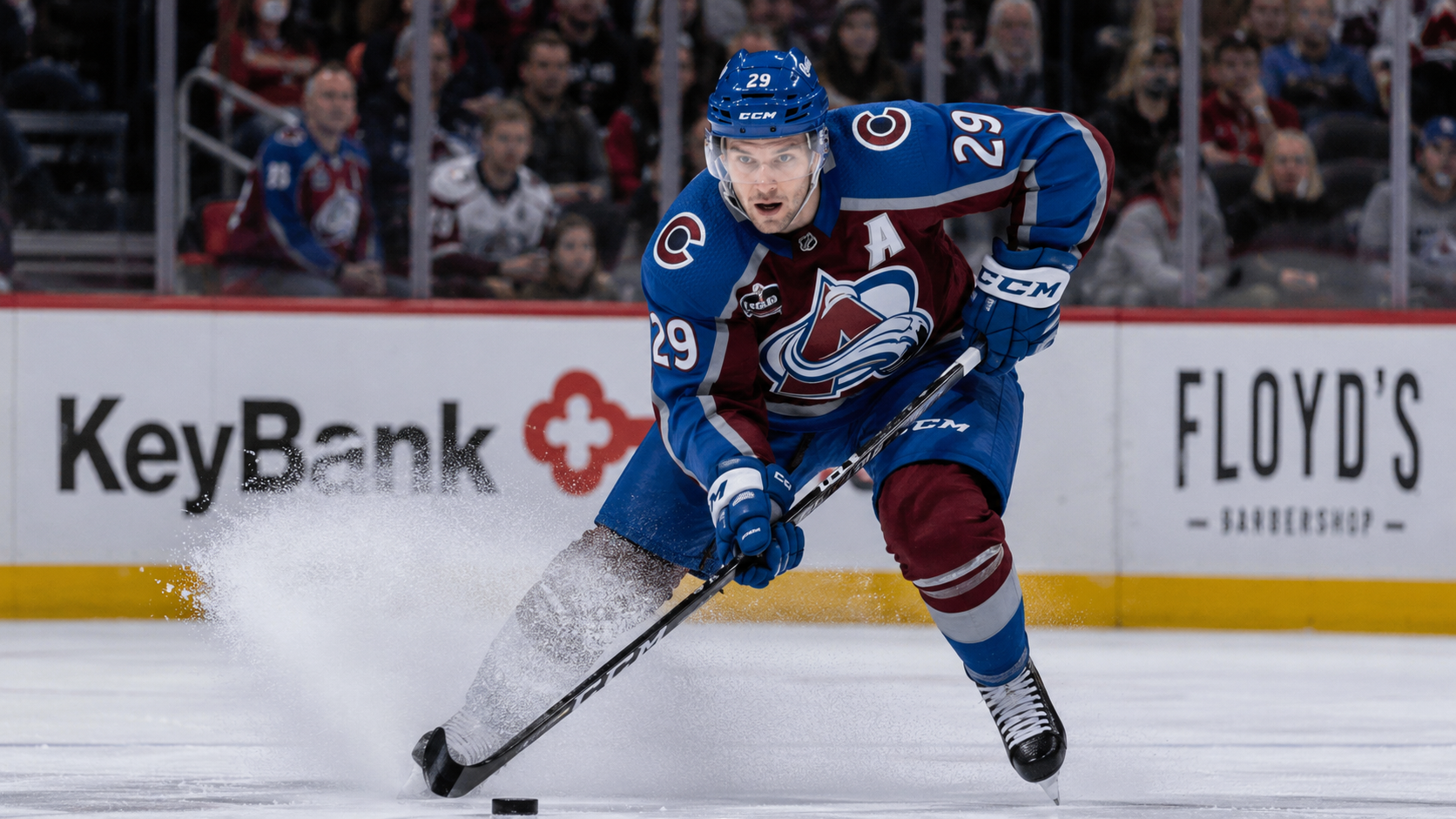
Every hockey player should wear properly fitted equipment designed for ice hockey, not random sports padding or casual skating gear. A full setup usually includes a hockey helmet, face cage or visor, mouthguard, shoulder pads, elbow pads, gloves, hockey pants, shin guards, protective cup or pelvic protection, socks, skates, and a neck guard where required or strongly recommended.
Fit matters more than many beginners realize.
A helmet should sit snugly on the head without sliding around. The chin strap should be secure. A face cage or shield should be attached correctly and checked for cracks, dents, scratches, or loose hardware.
Children’s Hospital Pittsburgh advises checking safety gear regularly for wear and tear, using a foam-lined helmet designed for ice hockey, avoiding used helmets, replacing helmets after significant blows, and making sure the helmet fits snugly.
Pads should cover the areas they are supposed to protect. Elbow pads should not slide down when the player moves. Shin guards should protect the knee and shin without leaving big gaps. Gloves should allow grip and stick control while still protecting the hands and wrists.
Loose gear may feel comfortable while standing still, but it can shift during a fall. Gear that is too tight can limit movement and make skating awkward.
The best equipment is protective, comfortable, and secure.
Do Not Treat the Helmet as a Concussion Shield
A hockey helmet is essential. But it is important to understand what it can and cannot do.
A helmet can help protect the skull from direct impact. It can reduce the risk of cuts, fractures, and certain traumatic injuries. A face cage or shield can protect the eyes, nose, teeth, and mouth area.
But a helmet does not make head contact safe.
Mayo Clinic explains that a hockey helmet is effective for preventing skull trauma such as fracture or bleeding, but it does not necessarily prevent a concussion.
That is a key point. Players should never think, “I have a helmet, so head hits are fine.” They are not.
Avoid hits to the head. Do not lead with the head. Do not check from behind. Do not shove players into the boards. Do not ignore dizziness, headache, confusion, nausea, light sensitivity, or feeling “off” after a hit or fall.
If a concussion is suspected, the player should stop playing and be evaluated. Returning too soon can be dangerous.
Consider Neck Protection Seriously
Neck protection has become a much bigger safety topic in hockey. Skate blades are sharp, and although severe neck lacerations are uncommon, the consequences can be serious.
Many youth hockey organizations and leagues have moved toward stronger rules around neck laceration protection. USA Hockey announced that it would mandate neck laceration protection for players under 18, effective August 1, 2024, and also recommended that adults wear neck protection.
Even if your league does not require it, a cut-resistant neck guard is worth considering. This is especially true for youth players, beginners, players who fall often, and anyone who plays in crowded or fast-paced situations.
Like any gear, neck protection should fit properly. It should not be so loose that it shifts out of place, and it should not be so uncomfortable that the player refuses to wear it.
Safety gear only helps when it is actually worn.
Warm Up Before Getting Into Full-Speed Play
Hockey players sometimes rush onto the ice and immediately start shooting, sprinting, or scrimmaging. That may feel fun, but cold muscles and stiff joints are not ready for explosive skating.
A good warm-up should prepare the hips, groin, hamstrings, ankles, core, shoulders, and neck. Hockey is not just a leg sport. Skating uses the lower body heavily, but shooting, checking, turning, and balancing require the whole body.
The AAOS recommends warming up thoroughly before winter sports, noting that cold muscles, tendons, and ligaments are vulnerable to injury.
Before stepping onto the ice, try light movement such as jogging in place, jumping jacks, high knees, hip circles, lunges, arm circles, and gentle trunk rotations. Once on the ice, start with easy laps, controlled stops, basic turns, and light stick handling before going into hard sprints or contact drills.
The goal is not to get tired before practice. The goal is to tell your body, “We are about to move fast.”
Learn How to Fall
Falling is part of hockey. Even skilled players fall. Beginners fall more often, but experienced players can still lose an edge, get bumped, or slide into the boards.
Try not to reach straight back with a stiff arm when falling. That can put stress on the wrist, elbow, or shoulder. Try to keep your limbs from locking out. If you fall forward, avoid leading with your head or face. If you slide, protect your head and avoid twisting wildly to stop yourself.
Falling safely is a skill that improves with practice. New players can benefit from basic skating lessons where they practice controlled falls and getting back up.
Getting up safely matters too. Keep your hands protected, stay aware of other skaters, and avoid popping up blindly into traffic.
The more comfortable you are with falling, the less likely you are to panic when it happens.
Build Skating Skills Before Playing Too Hard
Hockey is much safer when players can skate under control.
Speed is exciting, but control comes first. A player who can go fast but cannot stop, turn, or avoid contact is a risk to themselves and others.
Beginners should spend time practicing basic skating skills before jumping into intense games. These include forward skating, backward skating, stopping on both sides, turning, crossovers, balance, edge control, and controlled starts.
Stopping is especially important. A player who cannot stop well may crash into the boards, collide with another player, or fall awkwardly.
Better skating does not only improve performance. It gives you options. You can slow down, change direction, avoid contact, and protect yourself near the boards.
For adult beginners, this can feel humbling. But it is completely normal. Hockey skating is a specialized skill. Give yourself time.
Respect the Boards
The boards are part of the game, but they are also a major source of injury risk.
Players can be checked, bumped, tripped, or lose balance near the boards. Hitting the boards awkwardly can affect the shoulder, head, neck, ribs, knees, or spine.
Do not turn your back casually when you know contact may be coming. Learn how to angle your body, keep your knees bent, and absorb contact safely. Avoid reckless pushes, hits from behind, and late contact.
For youth and recreational hockey, rule enforcement is especially important. AOSSM specifically highlights zero tolerance for hits to the head and enforcing rules against checking from behind as key injury prevention points.
Even in adult recreational leagues, players should remember that everyone has work, family, and normal life after the game. A dangerous hit is not worth it.
When players stare down at the puck, they are less aware of other players, open ice, sticks, and the boards. This increases the risk of collisions and poor reactions.
Good puck control should eventually allow you to glance down briefly without locking your eyes on the puck. That takes practice. Stick handling drills can help players become more comfortable controlling the puck while scanning the ice.
Keeping your head up is not only about avoiding hits. It also helps you make better passes, find open teammates, and read the play.
For beginners, slow the game down. Practice skating with the puck at easy speeds. Build comfort before trying to move fast through traffic.
Be Smart About Contact
Contact is part of hockey, but not all contact is equal.
Legal body contact, controlled angling, and battling for position are different from reckless hits, high hits, checking from behind, or charging into someone who cannot defend themselves.
Players should understand the rules of their league. Youth, adult beginner, non-checking, and competitive leagues may all have different contact standards.
If you are playing in a non-checking league, that does not mean there will be zero contact. Accidental bumps still happen. Players still battle along the boards. Skates still get tangled. But the mindset should be controlled and respectful.
Playing safer does not mean playing soft. It means playing with awareness.
Control your speed near crowded areas. Do not swing your stick carelessly. Avoid emotional retaliation after a rough play. If you feel yourself getting angry, take a breath and reset.
Many hockey injuries happen when players lose control, not just when the game is naturally physical.
Protect the Groin, Hips, and Lower Back
Hockey skating puts unique stress on the groin and hip flexors. The stride pushes outward and backward, which can strain muscles if they are weak, tight, or overloaded.
Mayo Clinic notes that muscle and tendon injuries in hockey often involve the groin or hip flexor because of the skating stride.
This is why off-ice conditioning matters. Strong hips, glutes, core muscles, and adductors can help players skate with better control and reduce strain.
Useful exercises include side lunges, glute bridges, Copenhagen plank progressions, step-ups, squats, dead bugs, side planks, and controlled lateral movements. These do not need to be extreme. Consistency is more important than intensity.
Stretching can help too, but do not rely on stretching alone. Hockey players need both mobility and strength.
If your groin or hip flexor feels tight every time you skate, take it seriously. That tightness may be an early warning sign that your body is struggling with the skating load.
Check Your Skates
Skates affect balance, comfort, speed, and safety.
Poorly fitting skates can cause foot pain, blisters, ankle instability, and awkward movement. Skates that are too loose may reduce control. Skates that are too tight can cause numbness or pain. Dull or uneven blades can make stopping and turning harder.
Make sure your skates fit properly with your hockey socks. Tie them securely, but not so tightly that your feet go numb. Check the blade holders, steel, and laces regularly.
Beginners should not ignore skate sharpening. A bad edge can make skating feel much harder than it should. If you keep slipping unexpectedly or cannot stop consistently, your technique may need work, but your skate edges may also need attention.
Good skates do not replace skill, but they help you use your skill safely.
Do Not Ignore Stick and Puck Safety
The stick and puck are part of the game, but they can cause injuries when players are careless.
Keep your stick under control. Avoid high sticking. Do not swing wildly in crowded areas. Be careful during slap shots if people are close. In practice, make sure players know when shooting is allowed and where they should stand.
A puck can cause serious bruises, cuts, dental injuries, or facial injuries. This is another reason face protection and mouthguards matter.
During drills, coaches should organize lines and shooting areas clearly. Players waiting for their turn should not stand in unsafe spots near the net or shooting lane.
A lot of avoidable injuries happen during casual practice moments, not official game play.
Take Fatigue Seriously
Hockey is exhausting. Shifts are short for a reason.
As players get tired, skating form breaks down. Knees straighten, balance worsens, reaction time slows, and decision-making becomes sloppy. A tired player may reach with the stick instead of moving the feet, fall more often, or make late contact.
Fatigue can also make muscle strains more likely.
Pay attention to how your body feels. If your legs feel heavy, your edges feel sloppy, or you are reacting late, it may be time for a shorter shift or a break.
For adult recreational players, this is especially important. Many people play late at night after work, with limited sleep, little food, or not enough water. That combination can make the body less prepared for high-speed skating.
You do not need to prove toughness by staying out too long. Smart line changes protect both performance and safety.
Know When to Stop Playing
Some discomfort is normal in a demanding sport. But certain symptoms should not be ignored.
Stop playing if you have severe pain, dizziness, confusion, headache after contact, vision changes, numbness, tingling, trouble bearing weight, chest pain, shortness of breath beyond normal exertion, or pain that worsens as you continue.
Also stop if your equipment breaks or shifts in a way that leaves you exposed. Do not keep playing with a loose helmet, cracked visor, broken cage, missing mouthguard, or damaged skate blade.
Players often want to finish the shift, finish the period, or finish the game. But one more play is not worth making an injury worse.
A Simple Safety Routine for Hockey Players
A safer hockey habit can be simple.
Before playing, check your gear, warm up off the ice, and ease into skating once you get on the ice. Make sure your helmet, face protection, mouthguard, neck guard, pads, gloves, and skates are secure.
During play, keep your head up, control your stick, respect the boards, avoid reckless contact, and take shorter shifts when tired.
After playing, cool down, stretch gently, hydrate, and pay attention to soreness that feels unusual or one-sided.
Between games, work on skating skills, hip strength, core stability, mobility, and general conditioning. The safer player is usually not just the strongest player. It is the player who moves well, reacts well, and knows how to stay in control.
Final Thoughts
Ice hockey will always be fast and physical. That is part of what makes it fun. But the goal is not to remove every risk. The goal is to reduce the risks you can control.
Wear properly fitted gear. Take helmets seriously, but do not rely on them as a concussion shield. Use face and mouth protection. Consider neck protection. Warm up before full-speed play. Learn how to fall. Build skating control. Respect the boards. Keep your head up. Stop when something feels wrong.
These precautions do not make the game less exciting. They help you stay healthy enough to keep playing.
The best hockey players are not just fast. They are aware, prepared, controlled, and smart on the ice.
Hi, I’m the creator and editor behind ZestyHabit. I research everyday safety, first aid, and practical wellness topics using official guidance and reliable public sources, then turn that information into clear, realistic steps for daily life.
My goal is to help readers make safer, better-informed choices at home and beyond.