Why Sealed Containers Can Burst in the Microwave: A Simple Kitchen Safety Guide
Minjin Park
·
Putting a sealed container in the microwave can cause pressure to build until the lid pops, leaks, or bursts. Learn why it happens, common mistakes, warning signs, and safer ways to reheat food.
The Everyday Microwave Mistake That Can Make a Big Mess
The microwave is one of the most convenient appliances in the kitchen. You can reheat leftovers, warm soup, soften butter, cook oatmeal, steam vegetables, or rescue a cup of coffee that went cold while you were busy.
Because it is so quick, many people use it on autopilot. Open the fridge, grab a container, put it in the microwave, press a few buttons, and walk away.
That is where one very common mistake happens: microwaving food in a tightly sealed container.
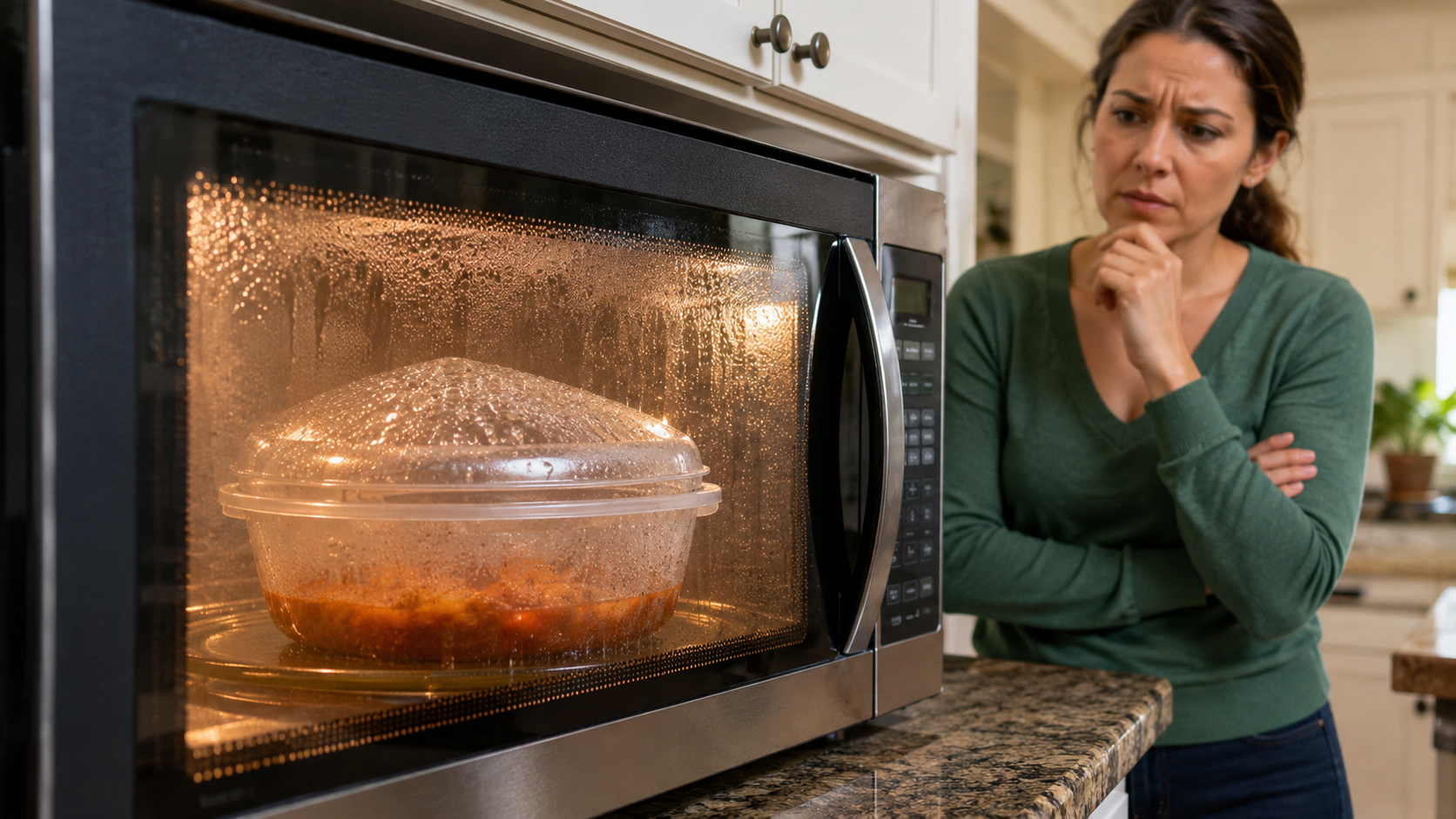
At first, it may not seem like a big deal. The lid keeps food from splattering, and it feels cleaner than leaving the top open. But if the container is truly sealed, steam has nowhere to go. As the food heats, pressure can build inside. Eventually, the lid may pop off, sauce may spray everywhere, or in some cases, the container may crack, warp, or burst.
This is not just annoying. It can lead to burns, damaged containers, messy cleanup, and a microwave that smells like soup for the rest of the day.
The good news is that this is easy to prevent. You do not need to stop using food containers. You just need to understand how steam behaves and give it a safe way to escape.
Why Sealed Containers Can Burst in the Microwave
When food heats in the microwave, water inside the food turns into steam. This happens in soups, rice, pasta, vegetables, sauces, leftovers, and even foods that do not look especially watery.
Steam takes up more space than liquid water. If the container is open or loosely covered, that steam can escape. If the lid is locked down tightly, pressure begins to build.
Think of shaking a soda bottle, except the pressure is coming from heat instead of carbonation. The container may hold for a while, but if the pressure keeps rising, something has to give.
Usually, the lid pops off first. That can send hot food across the microwave. If the lid is very tight, or if the container is weak, damaged, or not microwave-safe, the container itself may crack or deform.
This is why a “sealed” container and a microwave are not a good combination. The microwave heats the food, the food creates steam, and the sealed lid traps that steam.
Steam Builds Faster Than You Expect
One reason this mistake is so common is that pressure buildup is not always obvious. You may put a container in the microwave and see nothing unusual for the first minute. Then suddenly the lid pops with a loud sound.
Steam can build quickly, especially in foods with high moisture content. Soup, curry, tomato sauce, stew, chili, rice bowls, and saucy leftovers are common troublemakers.
Dense foods can also heat unevenly. One part may become very hot while another part still feels cool. A pocket of steam may form under sauce, under a layer of rice, or inside a piece of food. When that steam is trapped under a sealed lid, pressure rises even more.
That is why microwaving sealed leftovers “just for a minute” can still create a problem.
A Lid Is Helpful, but It Should Not Be Airtight
Covering food in the microwave is not bad. In fact, it can be useful. A loose cover helps reduce splatter, keeps food from drying out, and helps heat distribute more evenly.
The key word is loose.
A microwave cover, vented lid, paper towel, or slightly offset lid can allow steam to escape while still protecting the microwave from splashes. An airtight lid does the opposite. It turns the container into a pressure chamber.
Many food storage containers have snap-lock lids or silicone seals. These are great for carrying lunch or storing leftovers in the fridge. But those same tight seals can become a problem during heating.
Before microwaving, unlock the tabs, open the vent if the lid has one, or remove the lid and use a microwave-safe cover instead.
“Microwave-Safe” Does Not Always Mean “Microwave It Sealed”
This is an important point. A container labeled microwave-safe may be safe for microwave heating under normal use, but that does not mean it should be heated while sealed tightly.
Microwave-safe usually means the material is designed to tolerate microwave heating without melting, releasing obvious odors, or breaking down easily under typical conditions. It does not mean the container can handle internal pressure.
A microwave-safe bowl can still create a mess if it is sealed. A microwave-safe lid can still pop off if the vent is closed. A microwave-safe plastic container can still warp if overheated or used with very fatty or sugary foods that get extremely hot.
Always follow the container’s instructions. If it says to vent before microwaving, do not skip that step.
The Most Common Foods That Cause Pressure Problems
Some foods are more likely to create steam and splatter than others.
Soups and stews are obvious because they contain a lot of liquid. Tomato sauce, curry, gravy, and chili can also bubble quickly and spray when pressure releases. Rice and pasta can hold steam between grains or noodles. Vegetables with high water content can release steam as they cook.
Foods with skins or membranes can also trap steam inside themselves. Potatoes, sausages, eggs, tomatoes, and certain vegetables can burst if heated without being pierced or prepared properly.
The sealed container adds another layer. Instead of just one food item trapping steam, the entire container traps it too.
If the food is moist, saucy, dense, or covered tightly, treat it with extra care.
What Can Happen When the Lid Pops
The most common result is a messy microwave. The lid pops, sauce splashes, and food gets sprayed onto the walls, ceiling, turntable, and door.
But there are other concerns too.
Hot liquid can splash onto your hands or face when you open the door or remove the container. The lid may fly loose. The container may shift suddenly. Steam may rush out toward you when the seal breaks.
Even if the container does not burst inside the microwave, it can surprise you afterward. Sometimes the pressure remains trapped until you touch the lid. When you pull it open, steam escapes all at once. That sudden release can burn skin.
This is why it is smart to let heated food sit for a short moment before opening it and to open lids away from your face and hands.
Plastic Containers Can Warp or Crack
Plastic containers are convenient, but they need careful use in the microwave.
A sealed plastic container may warp when pressure builds. The lid may bend. The sides may bulge. If the container is old, scratched, thin, or not designed for microwave use, it may become misshapen or crack.
Fatty and sugary foods can get very hot in spots. Sauces with oil, cheese, butter, or sugar may heat beyond what you expect. That extra heat can stress plastic more than plain water-based foods.
If a container becomes warped, sticky, cloudy, cracked, or smells strange after heating, it may be time to stop using it for microwaving.
For frequent reheating, glass or ceramic microwave-safe dishes with a loose cover are often a better choice.
Glass Containers Are Not Risk-Free Either
Glass feels sturdier than plastic, and microwave-safe glass is often a good option for reheating food. But sealed glass containers can still be dangerous because pressure is the issue.
A tight glass container with a locking lid can build pressure just like a plastic one. If the lid seal is strong, steam may escape suddenly when opened. If the glass is not microwave-safe, has hidden damage, or experiences sudden temperature changes, cracking can occur.
Do not microwave glass jars with sealed metal lids, vacuum-sealed jars, or tightly closed containers. A jar of sauce or homemade broth should never be heated with the lid screwed on tight.
If you use a glass storage container, remove or vent the lid before heating.
Takeout Containers Need Extra Caution
Takeout containers are a mixed category. Some are microwave-safe, and some are not. Some lids may warp quickly. Some containers may have metal parts, foil lining, plastic coatings, or materials not meant for reheating.
It is tempting to put the whole takeout box into the microwave, lid and all. But this can create several problems: trapped steam, melting plastic, odd smells, uneven heating, or sparks if metal is present.
A safer habit is to transfer takeout food to a microwave-safe plate or bowl. Cover it loosely with a microwave-safe cover or paper towel.
This takes an extra minute, but it prevents many common microwave problems.
The Hidden Risk of Reheating in Jars
Jars are especially risky when used incorrectly. People may microwave pasta sauce, soup, jam, broth, or leftovers in a jar because it seems convenient.
But jars are often designed for storage, not microwave heating. If the lid is on, pressure can build quickly. If the jar is cold from the fridge and then heated rapidly, temperature stress may also be a concern, especially if the glass is not made for microwave use.
Never microwave a sealed jar. Remove metal lids completely. If the food is thick, stir it in a microwave-safe bowl instead of heating it inside the jar.
Thick sauces can heat unevenly and create hot pockets, so stirring is important.
Why You Should Not Trust a “Tiny Gap” Too Much
Some people loosen a lid slightly and assume that is enough. Sometimes it is. But if the lid shifts, seals again, or food bubbles up and blocks the gap, steam may still get trapped.
If the container has a built-in microwave vent, use it as directed. If not, consider removing the lid entirely and placing a microwave-safe cover loosely over the top.
A paper towel can work for many foods, especially foods that splatter lightly. For saucy foods, a vented microwave cover is often better.
The goal is to reduce splatter while still letting steam escape freely.
Stirring Helps Reduce Hot Spots
Microwaves often heat unevenly. One section of food may be steaming while another is still lukewarm. This uneven heating can make pressure problems worse because steam pockets form in specific areas.
Stirring halfway through heating helps release trapped steam and spread heat more evenly. This is especially helpful for soup, rice, pasta, stew, sauces, and leftovers in deep containers.
If the food is thick, stir carefully and give steam time to escape. Use a microwave-safe utensil, and be cautious when removing the cover.
For foods like mashed potatoes, oatmeal, or thick curry, stirring can prevent sudden bubbling and splattering.
Use Shorter Heating Intervals
Instead of microwaving sealed or tightly covered food for several minutes at once, use shorter intervals.
Heat for 30 to 60 seconds, stir or check, then continue if needed. This gives steam a chance to escape and reduces the chance of sudden pressure buildup.
Short intervals are also better for food quality. Leftovers are less likely to dry out, overcook, or develop extremely hot spots.
This is a simple habit, but it makes microwave use calmer and more predictable.
Open Hot Containers Carefully
Even when you vent a container properly, steam can still be hot. The moment you remove the cover, steam may rise quickly.
Open lids away from your face. Use oven mitts or a towel if the container is hot. Let food sit for a minute before handling, especially soups and sauces.
Be careful with children around microwaved food. A container may feel only warm on the outside while the food inside is much hotter. Stir and test carefully before serving.
This is not about being nervous every time you use the microwave. It is just about respecting steam. Steam can burn quickly because it transfers heat very efficiently.
Common Mistakes People Make
One common mistake is microwaving leftovers directly from the fridge with the snap-lock lid still closed. The lid may look secure and convenient, but it traps steam.
Another mistake is reheating soup in a sealed jar or container because the person wants to avoid washing a bowl. That shortcut can create a bigger mess than the dish you were trying to avoid.
People also forget to open the small vent on microwave containers. Some lids have a vent tab, but it only works if you actually open it.
Another mistake is microwaving food in a container that is nearly full. When soup or sauce bubbles, it needs room to rise. A full container is more likely to spill or force liquid into the lid area, where it may block vents.
Warning Signs to Watch For
Stop the microwave and check carefully if you notice the lid bulging, the container swelling, loud popping sounds, bubbling that lifts the lid, liquid leaking from the sides, or the container changing shape.
If the lid is puffed up after heating, do not put your face close to it. Let it sit briefly. Use a towel or mitt, and open it slowly away from you.
If the container is warped, cracked, melted, or smells like burnt plastic, do not keep using it for microwaving.
Also watch for repeated splattering. If the same container keeps making a mess, it may not be venting well enough.
Safer Ways to Reheat Food
The safest routine is simple. Transfer food to a microwave-safe dish. Cover it loosely with a vented cover, paper towel, or microwave-safe lid that is not sealed. Heat in short intervals. Stir halfway through. Let it rest briefly before opening or eating.
For liquids, use a bowl with enough extra space at the top. For thick sauces, stir often. For rice or pasta, add a small splash of water if needed, cover loosely, and stir after heating.
For foods with skins, pierce them first when appropriate. A whole potato, for example, should not go into the microwave without holes for steam to escape.
For leftovers in snap-lid containers, unlock the lid or remove it. Do not rely on a tightly sealed storage lid.
How to Keep the Microwave Clean Without Sealing Containers
Many people seal containers because they hate cleaning splatter. That is understandable. But there are better ways to keep the microwave clean.
Use a vented microwave cover. These are made to sit over bowls and plates while allowing steam to escape. They reduce splatter without trapping pressure inside a sealed container.
A microwave-safe plate placed loosely over a bowl can also work, as long as it is not sealed tightly. Paper towels can help with foods that spit or pop, such as beans or certain leftovers.
Also avoid overheating. Food that is cooked too long is more likely to bubble over and splatter.
Cleaning small splashes right away is easier than dealing with a dried, exploded mess later.
A Quick Microwave Safety Checklist
Before pressing start, ask yourself a few questions.
Is the container microwave-safe? Is the lid vented or loose? Is there room for steam to escape? Is the container not too full? Are metal lids, foil, or non-microwave-safe packaging removed? Will you stir halfway through if the food is thick or dense?
After heating, ask one more question: could steam rush out when I open this?
If yes, open it slowly and away from your face.
This quick pause takes only a few seconds, but it prevents many of the most common microwave accidents.
Conclusion: Let the Steam Escape
A sealed container can burst in the microwave because heating food creates steam, and steam needs space to expand. When a tight lid traps that steam, pressure builds until the lid pops, the food sprays, or the container becomes damaged.
The safer habit is easy: do not microwave airtight containers. Vent the lid, loosen the cover, or transfer food to a microwave-safe dish with a loose cover. Heat in shorter intervals, stir when needed, and open hot containers carefully.
The microwave is a helpful tool, not something to fear. But it works best when steam has a way out. A small change in how you cover your food can save you from burns, broken containers, and a very messy microwave.
Hi, I’m the creator and editor behind ZestyHabit. I research everyday safety, first aid, and practical wellness topics using official guidance and reliable public sources, then turn that information into clear, realistic steps for daily life.
My goal is to help readers make safer, better-informed choices at home and beyond.



[…] unexplained, or accompanied by another packaging defect, the safest choice is to leave the container sealed and discard or return […]