How Long Are Leftover Side Dishes Safe in the Fridge? A Practical Guide for Everyday Meals
Minjin Park
·
Wondering how many days refrigerated side dishes and leftovers are safe to eat? Learn simple storage timelines, warning signs, common mistakes, and practical fridge safety habits.
The Everyday Fridge Question: Is This Still Safe to Eat?
Almost every home has that one container in the back of the fridge.
Maybe it is leftover roasted vegetables from Monday. Maybe it is rice from takeout night. Maybe it is a small bowl of pasta salad, mashed potatoes, cooked greens, or a homemade side dish you meant to finish yesterday.
You open the lid, look at it, and ask the familiar question: “Can I still eat this?”
It is a normal kitchen moment. Most people do not want to waste food, especially when groceries are expensive and meal prep takes time. At the same time, no one wants to take unnecessary chances with spoiled food.
So how long can refrigerated side dishes and leftovers stay safe?
For most cooked leftovers, a good rule of thumb is 3 to 4 days in the refrigerator when they have been cooled, stored, and handled properly. That does not mean every food magically becomes unsafe the minute day five begins, but it does mean the risk starts going up as time passes.
Food safety is not about being nervous every time you open the fridge. It is about building simple habits that help you know what to keep, what to eat first, and what to throw away.
Why Leftover Side Dishes Need Attention
Side dishes may seem less risky than meat or seafood, but many of them are still perishable. Cooked rice, pasta, beans, potatoes, casseroles, vegetables, dairy-based dishes, egg dishes, and sauces can all support bacterial growth if they are kept too long or stored poorly.
The refrigerator slows bacterial growth, but it does not stop it completely. That is the key point many people miss.
A cold fridge buys you time. It does not preserve food forever.
This matters in everyday life because side dishes often get handled more casually than main dishes. People may leave them on the counter while serving dinner, scoop from them with used utensils, open and close the container several times, or forget when they were cooked.
Small habits like these can shorten how long a food stays fresh and safe.
The Simple Rule: Most Leftovers Last 3 to 4 Days
For everyday home cooking, the simplest rule is this:
Eat refrigerated cooked leftovers within 3 to 4 days.
This includes many common side dishes such as cooked vegetables, cooked rice, pasta, mashed potatoes, casseroles, soups, beans, and cooked grains.
If you know you will not eat the food within that time, freeze it sooner rather than waiting until the last possible day.
A helpful way to think about it is:
Day 1: Freshly cooked and stored. Day 2: Usually still good if handled well. Day 3: Eat soon. Day 4: Last-call day for most leftovers. Day 5 and beyond: Better to throw it out unless you have specific, reliable guidance for that food.
This may feel shorter than what some families grew up doing. Many people were taught to rely on smell, taste, or “it looks fine.” But food can sometimes become unsafe before it looks obviously spoiled.
What Counts as a “Side Dish”?
For this article, side dishes mean prepared foods stored after cooking or serving. That includes:
Cooked rice or fried rice. Pasta, noodles, or macaroni salad. Mashed potatoes, roasted potatoes, or potato salad. Cooked vegetables. Beans, lentils, or chickpeas. Soups and stews. Casseroles. Stuffing or dressing. Grain bowls. Cooked greens. Sauces and gravies. Egg-based or dairy-based sides. Takeout leftovers.
Some foods may have slightly different storage times depending on ingredients, but the 3-to-4-day rule is a safe everyday starting point for most cooked leftovers.
The Refrigerator Temperature Matters
Leftovers last longer and stay safer when the refrigerator is cold enough. Your fridge should be at 40°F or below.
Many people assume their refrigerator is cold enough because the food feels cold. But fridge temperatures can vary, especially in older appliances, crowded refrigerators, or during hot weather.
A small refrigerator thermometer is inexpensive and helpful. Place it near the middle of the fridge, not just in the door. The door area is often warmer because it is opened frequently.
Avoid Overpacking the Fridge
When the refrigerator is packed too tightly, cold air cannot circulate well. This can create warmer spots where food may not chill as quickly.
After a big grocery run or holiday meal, try not to cram hot containers into every corner. Leave some space for air to move, and divide large portions into smaller containers.
Cool Leftovers Promptly
One of the biggest safety mistakes is letting food sit out too long before refrigerating it.
Perishable foods should generally be refrigerated within 2 hours. If the room or outdoor temperature is above 90°F, the safer window is shorter, about 1 hour.
This matters for cookouts, potlucks, holiday meals, packed lunches, and big family dinners where dishes sit on the table while people talk.
Do Not Wait for Food to Cool Completely
A common myth is that hot food must cool all the way to room temperature before going into the fridge. That can lead to food sitting out too long.
Instead, divide large amounts into shallow containers so they cool faster. Let steam escape briefly if needed, then refrigerate promptly.
For example, a large pot of soup should not go into the refrigerator as one deep, heavy pot. It may take too long for the center to cool. Move it into smaller containers first.
Storage Containers Make a Difference
The container you use will not make leftovers last forever, but it can help keep them safer and fresher.
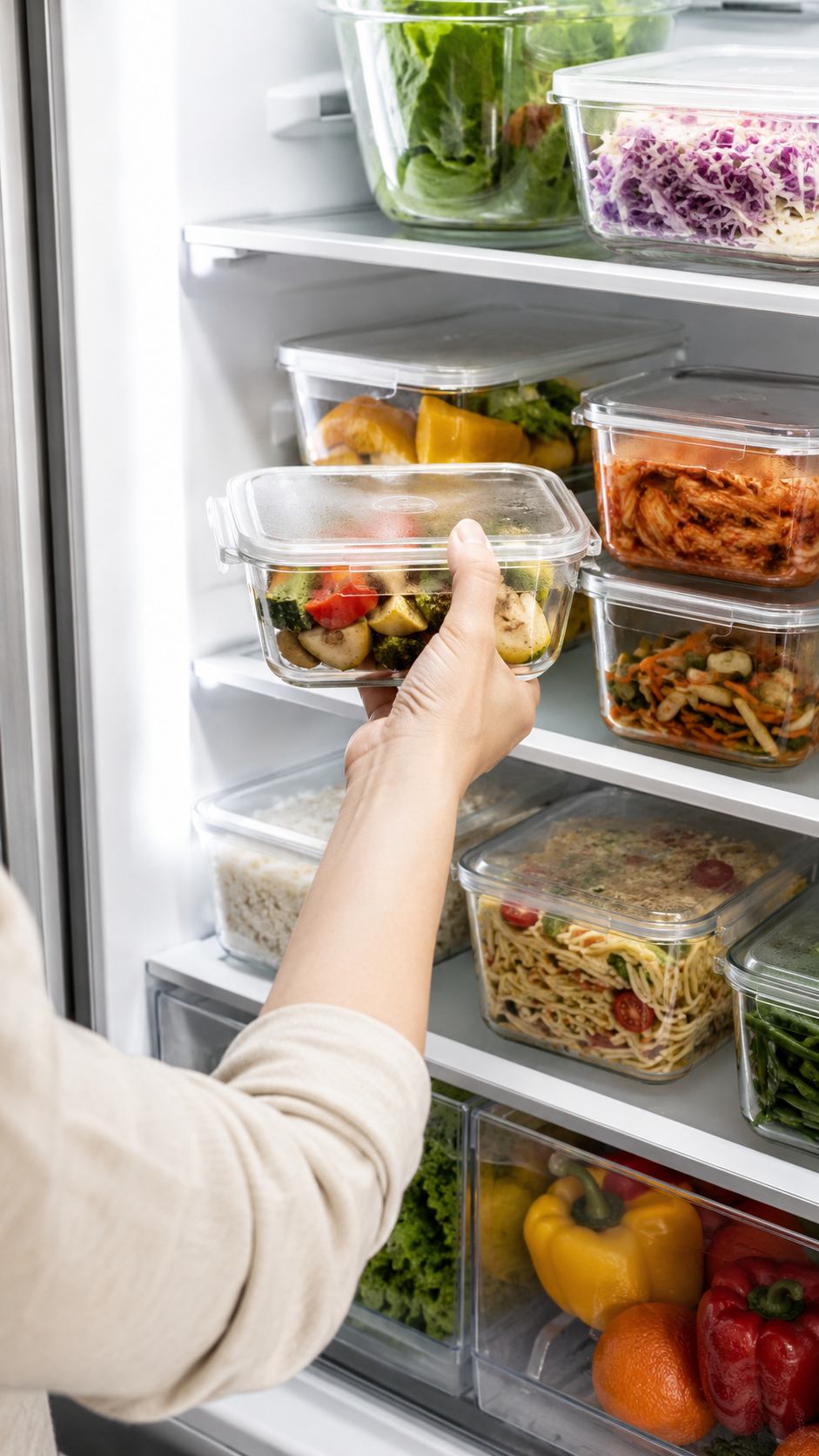
Use clean, airtight containers with lids that close properly. Shallow containers are especially useful because they help food cool faster and make it easier to portion leftovers.
Avoid storing food in an open bowl covered loosely with a napkin or plate. That may be fine for a very short time, but it is not ideal for several days.
Label the Date
Labeling leftovers may sound like something only very organized people do, but it is one of the easiest safety habits.
You do not need fancy labels. A piece of masking tape and a marker works.
This removes the guessing game. If you cannot remember when you made it, that is usually a sign to be cautious.
Different Side Dishes and How to Think About Them
The 3-to-4-day rule is the main guide, but some foods deserve extra attention because of how people commonly store or reheat them.
Cooked Rice and Grains
Cooked rice, quinoa, barley, farro, and other grains should be cooled and refrigerated promptly. Rice especially has a reputation for being “fine for days,” but cooked rice can be risky when left out too long or stored casually.
Store rice in shallow containers and eat it within 3 to 4 days. Reheat only the portion you plan to eat.
A good habit is to divide rice into small meal-size containers right after dinner. That way, you are not repeatedly opening one large container all week.
Pasta and Noodles
Plain cooked pasta, sauced pasta, macaroni salad, and noodle dishes should also be treated as perishable leftovers.
Creamy pasta salads and mayo-based sides should be handled carefully because they often sit out during gatherings. Keep them cold until serving and return them to the fridge promptly.
If pasta smells sour, feels unusually slimy, or has visible mold, throw it away.
Potatoes and Potato Dishes
Mashed potatoes, roasted potatoes, potato salad, and casseroles with potatoes should usually be eaten within 3 to 4 days.
Potato salad is often served at picnics or cookouts, so the time spent outside the fridge matters. If it sat out for hours on a warm day, do not rely only on the calendar date.
Cooked Vegetables
Cooked vegetables can seem harmless, but once cooked and stored, they are still leftovers.
Roasted carrots, sautéed greens, green beans, broccoli, squash, and mixed vegetables should be refrigerated promptly and eaten within a few days.
Watery vegetables may lose quality faster. If they become slimy, sour-smelling, or moldy, discard them.
Beans and Lentils
Beans, lentils, chickpeas, and split peas are great for meal prep, but they should still follow leftover safety rules.
Store them in airtight containers, keep them cold, and eat within 3 to 4 days. If you made a large batch, freeze part of it right away.
Soups and Stews
Soups and stews are common leftovers, but large pots can cool slowly. Divide them into shallow containers before refrigerating.
When reheating, heat only what you plan to eat. Repeatedly cooling and reheating the same large container can reduce quality and increase handling risk.
Sauces and Gravies
Gravy, meat sauces, cream sauces, and broths can spoil faster than people expect. Some gravies and meat broths have shorter recommended storage times than general leftovers.
If a sauce smells off, looks separated in an unusual way, has mold, or has been stored longer than you can remember, throw it away.
Warning Signs That Leftovers Should Be Thrown Away
The calendar is important, but so are your senses.
Throw away refrigerated side dishes if you notice:
Mold. A sour, rotten, or unusual smell. Slimy texture. Unexpected bubbling or fizzing. A swollen container lid. Visible discoloration. A sticky or stringy texture. Food that was left out too long before refrigeration.
Do not taste food to check if it is safe. A tiny taste is not a reliable safety test, and it is not worth the risk.
“It Smells Fine” Is Not a Perfect Test
Smell is useful, but it is not enough by itself. Some harmful bacteria do not create obvious smells, colors, or textures.
That is why date labeling matters. Food can look normal and still be past the safer storage window.
If someone scoops a side dish with a spoon they already used for eating, bacteria from the mouth can enter the container.
Use clean utensils when serving leftovers. This is especially important for foods that will go back into the fridge.
Leaving Food on the Table During Dinner
Family-style meals are convenient, but side dishes can sit out longer than people realize.
After everyone has served themselves, put leftovers away instead of leaving them out for the whole evening.
Reheating the Same Container Over and Over
It is better to reheat one portion at a time. Reheating and cooling the entire container repeatedly can affect both quality and safety.
Scoop out what you need, heat that portion, and return the main container to the fridge quickly.
Storing Food in the Fridge Door
The fridge door is usually warmer than the back or middle shelves. It is fine for condiments, but not ideal for perishable leftovers.
Store side dishes on an interior shelf where the temperature is more stable.
Forgetting About Takeout Containers
Takeout leftovers follow the same basic rules. Once you bring food home, refrigerate it promptly. Do not leave takeout bags on the counter for hours.
If you plan to keep takeout leftovers for more than a day, transfer them to a clean airtight container.
How to Reheat Leftover Side Dishes Safely
Reheating is not just about making food warm. It should be heated evenly.
For many leftovers, a common food-safety target is 165°F when reheating. This is especially important for mixed dishes, casseroles, rice, pasta, soups, and foods that were previously cooked and chilled.
Use a food thermometer if you want the most reliable check.
Stir Food While Heating
Microwaves can heat unevenly. One part of the dish may be steaming while another part is still cool.
Stir the food halfway through heating, rotate the container if needed, and let it stand briefly so the heat can distribute.
Add Moisture When Needed
Rice, pasta, and vegetables may dry out in the microwave. Adding a small splash of water or broth can help them heat more evenly and taste better.
Cover the dish loosely with a microwave-safe lid or cover to reduce splatter and help trap steam.
When Freezing Is the Better Choice
If you cooked too much food and know you will not finish it within 3 to 4 days, freeze it early.
Do not wait until day four and then decide to freeze food that has been sitting in the fridge all week. Freezing preserves food best when it is still fresh.
Creamy sauces, mayo-based salads, and watery vegetables may not freeze as nicely, but safety and quality are different issues. A food may be safe after freezing but not have the same texture.
Label Freezer Containers
Write the food name and date before freezing. Frozen leftovers can remain safe for a long time if kept frozen, but quality is usually better when eaten within a few months.
Labels help you avoid mystery containers.
A Simple Leftover System for Busy Homes
If your fridge often becomes a graveyard of forgotten containers, try a simple system.
Use an “Eat First” Area
Choose one shelf or bin for foods that should be eaten soon. Put older leftovers there.
When someone asks what to eat for lunch, the answer is easy: check the “eat first” section.
Store Smaller Portions
Large containers are easy to ignore. Smaller portions feel more usable.
Instead of one giant container of rice, make three single-meal portions. Instead of one large casserole dish, divide leftovers into lunch containers.
Do a Twice-a-Week Fridge Check
Pick two days a week to check leftovers. For example, Wednesday and Sunday.
Look at dates, move older items forward, freeze what you can, and throw away anything questionable.
This takes only a few minutes and prevents the “What even is this?” moment later.
Special Situations: Kids, Older Adults, and Guests
Some people are more vulnerable to foodborne illness than others, including young children, older adults, pregnant people, and people with weakened immune systems.
For households with vulnerable family members, it is wise to be more careful with leftover storage times, reheating, and questionable foods.
This does not mean you need to panic. It just means the “when in doubt, throw it out” rule becomes even more important.
Final Thoughts: Keep the 3-to-4-Day Rule Simple
So, how many days can refrigerated side dishes be eaten safely?
For most cooked leftovers, aim for 3 to 4 days in the refrigerator. Store them promptly, keep your fridge at 40°F or below, use clean airtight containers, label the date, and reheat portions thoroughly.
Do not rely only on smell or appearance. If the food is moldy, slimy, sour-smelling, left out too long, or older than you can confidently track, throw it away.
This is not about wasting food. It is about managing food before it becomes waste. Cook realistic portions, freeze extras early, and keep an “eat first” area in the fridge.
A safe leftover routine does not need to be complicated. With a marker, a few containers, and the 3-to-4-day rule, you can make your fridge easier to manage and your meals a little safer every day.
Hi, I’m the creator and editor behind ZestyHabit. I research everyday safety, first aid, and practical wellness topics using official guidance and reliable public sources, then turn that information into clear, realistic steps for daily life.
My goal is to help readers make safer, better-informed choices at home and beyond.