Introduction: That Bottle in the Back of the Cabinet
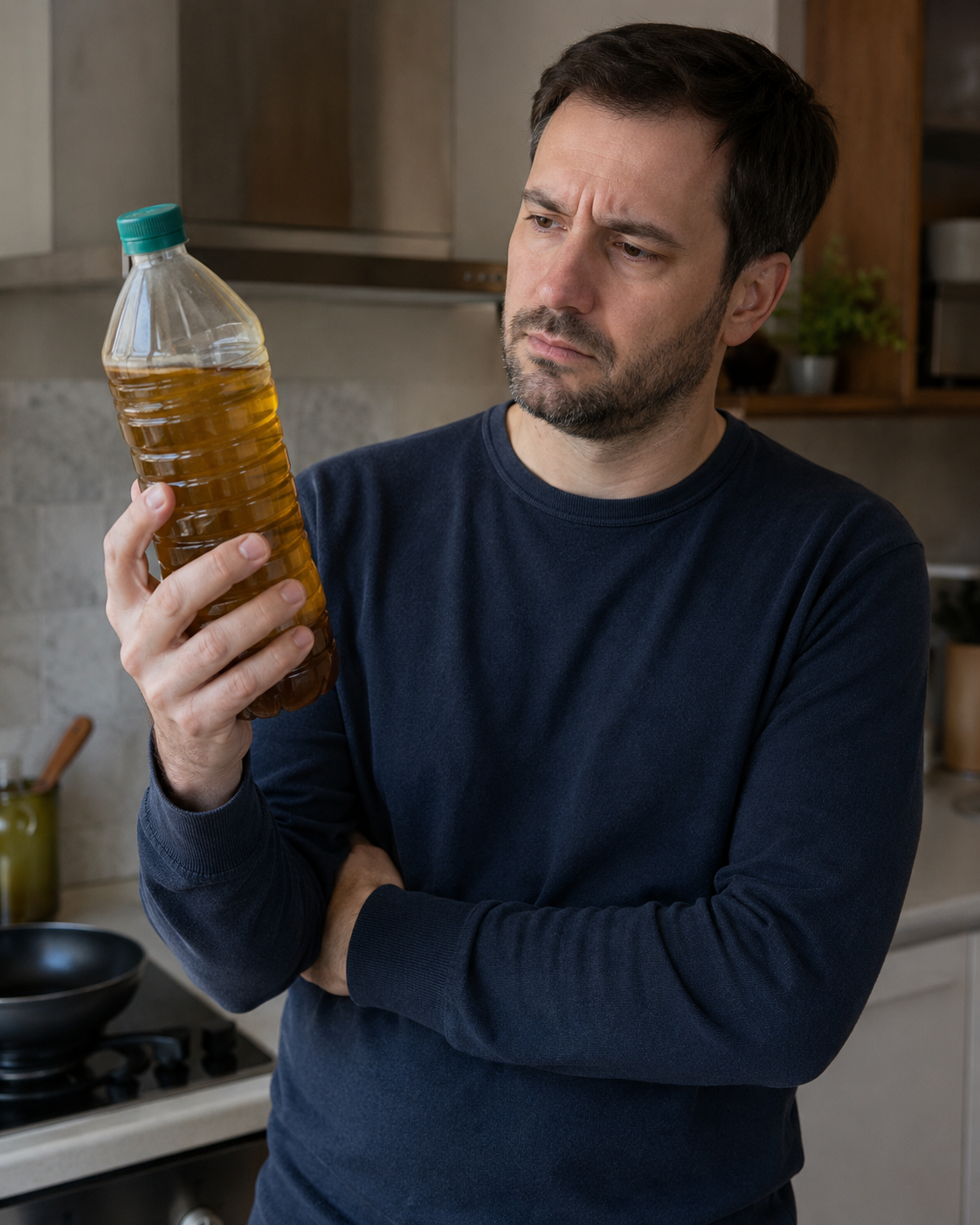
Most kitchens have at least one bottle of cooking oil that has been sitting around longer than we want to admit.
Maybe it is a half-used bottle of vegetable oil behind the flour. Maybe it is olive oil from a big warehouse-size container. Maybe it is oil you used once for frying and saved because it still looked “fine.”
Cooking oil does not spoil in the same obvious way as milk or fresh meat. It usually does not grow fuzzy mold or turn a dramatic color overnight. That is why old oil is easy to ignore.
But cooking oil can go bad.
Over time, heat, light, oxygen, moisture, and repeated use can break down the fats in oil. The oil may become rancid, smell unpleasant, smoke sooner, taste bitter, or leave food with a stale greasy flavor. In some cases, old or badly reused oil can also create more irritating cooking fumes and make your food less pleasant to eat.
This is not about being afraid of oil. Oil is a normal part of cooking. The point is to treat it like a perishable pantry item, not something that lasts forever just because it comes in a bottle.
With a few simple habits, you can keep cooking oil fresher, know when to replace it, and avoid using oil that has clearly passed its best point.
Why Cooking Oil Gets Old
Cooking oils are made of fats, and fats change over time.
The biggest issue is oxidation. When oil is exposed to air, the fats slowly react with oxygen. Heat and light speed this up. Eventually, the oil develops off-flavors and off-smells. This is what people usually mean when they say oil has gone rancid.
Rancid oil may smell like old nuts, crayons, paint, stale popcorn, or something sharp and sour. It may taste bitter or leave a harsh aftertaste.
Oil can also break down when heated repeatedly. Frying creates extra stress because the oil is exposed to high heat, food particles, moisture, and air all at once.
That does not mean oil becomes dangerous the first time you cook with it. But it does mean oil has a useful life. Once it smells wrong, smokes too easily, darkens heavily, becomes sticky, or makes food taste unpleasant, it is time to let it go.
Rancid Oil Is Not Just a Flavor Problem
The first thing you usually notice about rancid oil is taste.
Food cooked with old oil can taste stale, heavy, bitter, or oddly greasy. Salad dressing made with rancid oil can ruin fresh vegetables in one pour. Baked goods can come out with a strange aftertaste that you cannot quite identify.
But rancidity is not only about flavor. It is a sign that the oil has chemically changed. The fats have started breaking down, and the oil is no longer at its best quality.
Eating a small amount of rancid oil by accident is not usually a reason to panic. Many people notice the unpleasant taste and stop eating. But regularly using old, oxidized oil is not a good kitchen habit.
Food safety is often about reducing avoidable risks. If oil smells stale, bitter, sour, or paint-like, there is no good reason to keep cooking with it.
A fresh bottle is cheaper than ruining several meals.
Reusing Frying Oil: When It Becomes a Problem
Reusing frying oil is common, especially after making foods like fries, chicken, fish, doughnuts, or tempura. It can feel wasteful to throw away a pot of oil after one use.
In some cases, oil can be reused once or a few times if it was handled carefully. But it depends on what you cooked, how hot the oil got, how long it was used, and how cleanly it was stored afterward.
Oil used for mild foods like potatoes may stay usable longer than oil used for breaded fish or heavily seasoned foods. Breading, crumbs, flour, and food bits break down and burn in the oil. Fish and strong seasonings also leave odors behind.
Each time oil is heated, it breaks down more. The smoke point may drop. The color may darken. The smell may become stronger. Food may absorb more oil or taste heavy.
If reused oil looks dark, smells strong, foams, smokes quickly, feels sticky, or has lots of particles floating in it, do not reuse it.
The Smoke Point Clue
Every cooking oil has a smoke point, which is the temperature where it begins to smoke noticeably.
Fresh oil used correctly should not smoke heavily during normal cooking. If oil starts smoking at a lower temperature than usual, that can be a sign it has broken down or contains leftover food particles.
Smoking oil is not just annoying. It can create unpleasant fumes, affect flavor, and make the kitchen uncomfortable. It may also signal that the oil is being overheated for the type of cooking you are doing.
If oil smokes heavily, turn down the heat and ventilate the kitchen. If it continues to smoke easily, discard it once it is cool.
Also remember that different oils work better for different cooking methods. A delicate oil may be fine for dressing or low-heat cooking but not ideal for deep frying. Using the right oil for the job helps prevent early breakdown.
How to Tell If Cooking Oil Is Too Old
You do not need lab equipment to check kitchen oil. Your senses are usually enough.
Start with smell. Fresh oil should smell mild or like the ingredient it came from. Olive oil may smell grassy or fruity. Sesame oil may smell nutty. Neutral oil should smell fairly plain.
Old oil may smell sour, musty, bitter, sharp, stale, metallic, waxy, or like crayons or paint.
Next, look at it. Some oils naturally have color, but old frying oil may become much darker than it started. It may look cloudy, thick, sticky, or dirty.
Then think about performance. Does it smoke too soon? Does it foam strangely? Does food come out greasy or stale-tasting?
If you are still unsure, taste a tiny drop only if it looks normal and does not smell bad. Rancid oil usually tastes bitter, stale, or unpleasant. If it tastes wrong, throw it away.
Do not keep using oil just because the bottle is not empty.
Signs You Should Throw Oil Away
It is time to discard cooking oil if it has any of these warning signs:
It smells rancid, sour, bitter, stale, or like paint.
It tastes bitter or harsh.
It smokes quickly at normal cooking temperatures.
It is very dark after frying.
It has thick, sticky, or gummy texture.
It foams heavily during heating.
It contains burnt food particles that cannot be strained out.
It was used to fry fish or strong-flavored foods and now smells unpleasant.
It has been stored open for a long time in a warm or sunny place.
You do not need every sign. One strong warning sign is enough.
When oil smells wrong, trust your nose.
Old Oil Can Ruin Good Food
One of the most practical reasons to replace old oil is simple: it makes food taste bad.
Fresh potatoes fried in old oil taste stale. A nice salad can taste bitter if the oil in the dressing is rancid. Homemade granola can taste off if the nuts and oil are both old. A cake can carry a strange background flavor if the vegetable oil has been sitting open too long.
Sometimes people blame the recipe when the real problem is the oil.
If you bake often, check your neutral oils before using them. Vegetable oil, canola oil, corn oil, sunflower oil, and similar oils can go rancid, especially after opening.
If you use olive oil mainly for dressings or dipping, freshness matters even more because the flavor is not hidden by cooking.
A quick smell check before pouring oil into a recipe can save the whole dish.
Storage Mistakes That Make Oil Go Bad Faster
Cooking oil lasts longer when it is protected from air, heat, light, and moisture.
Unfortunately, many kitchens store oil in the worst possible places.
A bottle next to the stove is convenient, but it is exposed to heat. A clear bottle on a sunny counter looks pretty, but light speeds breakdown. A large open container used slowly may be exposed to too much air over time.
Another mistake is leaving the cap loose. Oxygen gets in, and kitchen odors can affect the oil.
Moisture is also a problem. Do not pour wet utensils or water droplets into oil. Water can make oil sputter during cooking and may affect storage quality.
Better storage is simple: keep oil tightly closed, away from heat and light, in a cool cabinet or pantry.
Should You Buy Big Bottles of Oil?
Large bottles can be economical if you cook often.
But if your household uses oil slowly, a huge bottle may not be the best deal. Oil that goes rancid before you finish it is not saving money.
Think about your real cooking habits.
If you fry often, a larger container of high-heat oil may make sense. If you only use a tablespoon here and there, smaller bottles are easier to finish while fresh.
For specialty oils, small bottles are usually better. Walnut oil, flaxseed oil, toasted sesame oil, and other flavorful oils can be more delicate. They may not be used every day, so buying less often keeps them from aging in the pantry.
A good rule: buy the amount you can reasonably use while it still smells and tastes fresh.
How to Store Different Cooking Oils
Most everyday cooking oils should be stored in a cool, dark place with the cap tightly closed.
Olive oil does well away from light and heat. A dark cabinet is better than a sunny countertop.
Vegetable, canola, corn, and peanut oils should also be kept cool and sealed.
Toasted sesame oil has a strong flavor and can become stale if kept too long. Store it tightly closed and consider refrigeration if you use it slowly.
Nut and seed oils can be more delicate. Some are best refrigerated after opening, depending on the type and label instructions.
Always read the storage directions on the bottle. The label may recommend refrigeration after opening for certain oils.
If refrigerated oil becomes cloudy, that does not always mean it is bad. Some oils naturally turn cloudy or solidify in the cold and clear again at room temperature. Smell and taste are better clues for rancidity.
Reusing Oil More Safely
If you choose to reuse frying oil, handle it carefully.
Let the oil cool completely before moving it.
Strain out food particles using a fine mesh strainer or cheesecloth.
Store it in a clean, dry, airtight container.
Label it with what it was used for and the date.
Keep it in a cool, dark place, or refrigerate it if you will not use it soon.
Do not mix old used oil into a fresh bottle.
Do not reuse oil that cooked fish, heavily seasoned foods, or burnt crumbs if the smell is strong.
Use reused oil for similar foods. Oil used for fries may be fine for more potatoes, but not for delicate doughnuts.
And most importantly, check it before every reuse. If it smells off, smokes easily, foams, or looks very dark, discard it.
Do not pour oil down the sink, toilet, or garbage disposal. Oil can coat pipes, contribute to clogs, and create plumbing problems.
For small amounts, let the oil cool and wipe it up with paper towels, then throw the towels in the trash. For larger amounts, pour cooled oil into a non-recyclable container with a lid, such as an old jar or bottle, and place it in the trash according to your local rules.
Some communities have cooking oil recycling or disposal programs, especially for larger amounts. Check local waste guidance if you regularly deep fry.
If oil spills on the floor, clean it thoroughly. Slippery oil on tile or wood can cause falls, especially for children, older adults, or pets.
Hot oil can cause serious burns and kitchen fires if overheated or handled carelessly. Keep an eye on oil while heating, use a pot with enough room, avoid adding wet food too quickly, and keep children and pets away from the stove.
If oil begins to smoke heavily, reduce the heat and ventilate the area. If you ever have a grease fire, do not pour water on it. Follow basic kitchen fire safety guidance and contact emergency services when needed.
For everyday prevention, the best approach is simple: do not leave heating oil unattended, and do not push old oil past its useful life.
What About Oil Past the Best-By Date?
The date on the bottle is a helpful clue, but it is not the only thing that matters.
An unopened bottle stored in a cool, dark place may stay acceptable for some time around its date. An opened bottle stored near heat may go bad earlier.
Once oil is open, air exposure begins. The clock depends on the type of oil and how it is stored.
Use the date, but also use your senses.
If the oil is past its date and smells fresh, looks normal, and tastes fine, it may still be usable. If it smells rancid before the date, throw it away.
Storage history matters more than the printed date alone.
A Simple Cooking Oil Routine
Here is an easy routine for most home kitchens.
Keep only one or two everyday oils within easy reach.
Store backup bottles in a cool, dark cabinet.
Write the opening date on the bottle with a marker or tape.
Smell oil before using it in dressings, baking, or frying.
Keep frying oil separate and label it after use.
Throw away oil that smells rancid, smokes too soon, or looks heavily degraded.
Buy smaller bottles of oils you use slowly.
This routine does not take much effort. It just prevents the “mystery oil” problem.
When Saving Oil Is Not Worth It
It is natural to want to avoid waste. But saving bad oil is not really saving money.
Old oil can ruin food, smell up the kitchen, create more smoke, and make meals less enjoyable. If you are unsure about reused frying oil, think about the food you are about to cook. Is it worth risking a whole batch of fresh ingredients to save a few cups of tired oil?
Sometimes the practical choice is to start fresh.
Use less oil when possible, choose the right pan size, and avoid deep frying more oil than you need. Smaller batches can reduce waste without relying on old oil again and again.
Final Thoughts
Cooking oil may look shelf-stable, but it does not last forever. Air, heat, light, time, and repeated frying all change it. When oil becomes rancid or heavily degraded, it can smell bad, taste bitter, smoke sooner, and make food less pleasant to eat.
The safest everyday habit is simple: store oil tightly closed in a cool, dark place, buy amounts you can use in a reasonable time, and check oil before cooking.
If it smells like old paint, crayons, stale nuts, or sour grease, let it go. If reused frying oil is dark, sticky, smoky, or full of burnt particles, replace it.
Good cooking starts with ingredients you can trust. Fresh oil is one of those quiet basics that makes the whole kitchen feel cleaner, calmer, and easier to cook in.
Hi, I’m the creator and editor behind ZestyHabit. I research everyday safety, first aid, and practical wellness topics using official guidance and reliable public sources, then turn that information into clear, realistic steps for daily life.
My goal is to help readers make safer, better-informed choices at home and beyond.