
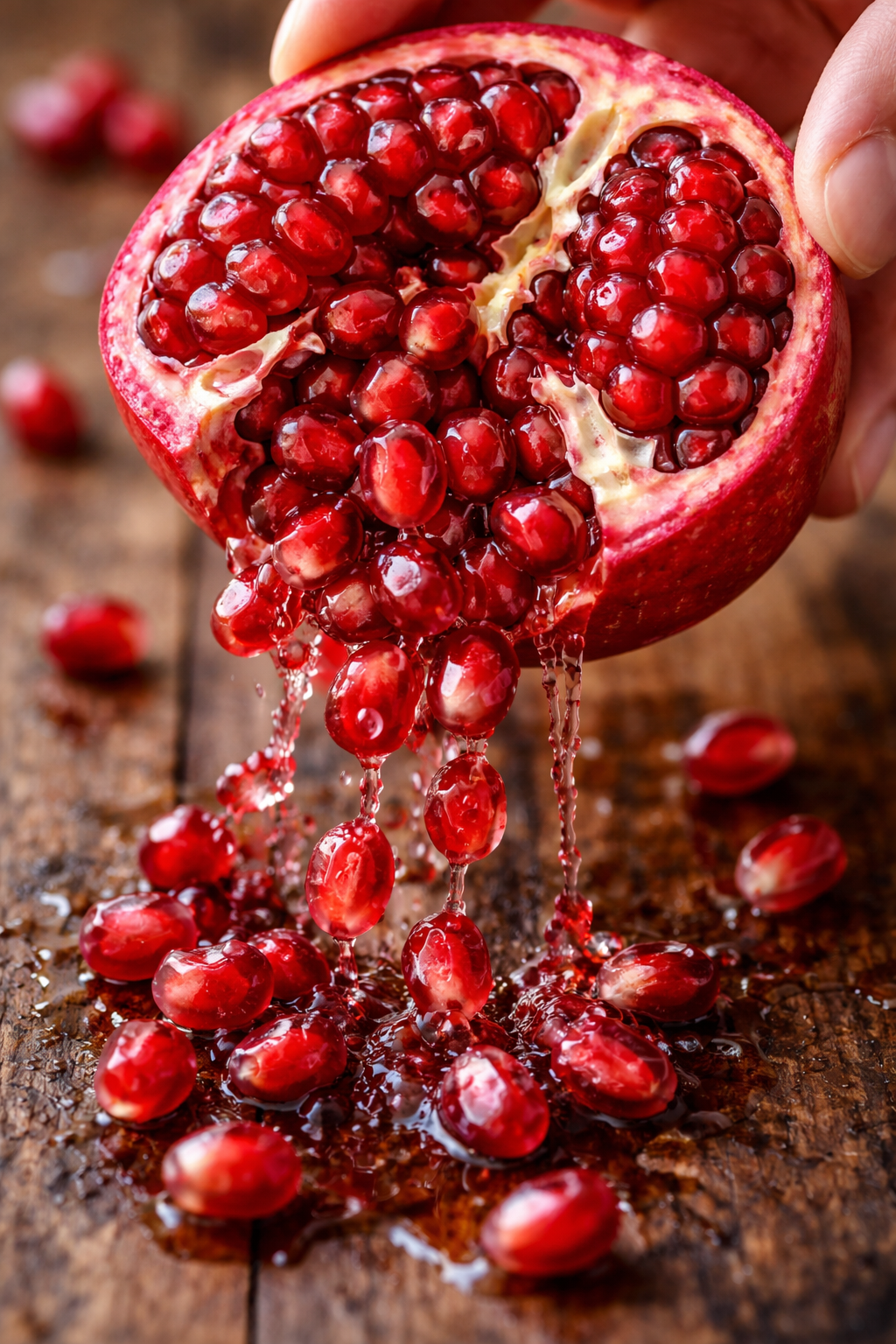

Pomegranate is one of those fruits that seems to carry more meaning than most. It is beautiful, dramatic, slightly mysterious, and packed with jewel-like seeds that make it feel almost too elegant to eat. In health media, wellness ads, and beauty-focused branding, pomegranate is often linked to women’s health. It appears in products marketed for skin, hormones, “feminine balance,” and healthy aging. Over time, it has gained a reputation that feels bigger than its actual size in the fruit aisle.
But where did that image come from? Is it based on real nutrition science, or is it mostly branding and symbolism?
The answer is a mix of both. Pomegranate does contain several nutrients and plant compounds that support overall health. At the same time, its connection to women’s health has also been shaped by history, culture, color symbolism, and the way the wellness industry tells stories. To understand why pomegranate became so strongly associated with women, it helps to look at both the facts on the nutrition label and the larger cultural story around the fruit.
A quick look at pomegranate nutrition
Pomegranate is not just visually striking. It is also a nutrient-dense fruit, especially when eaten as whole arils rather than only as juice. The edible seeds, known as arils, provide a combination of carbohydrates, fiber, vitamins, minerals, and antioxidant-rich polyphenols.
A typical serving of pomegranate arils offers:
- Vitamin C, which supports immune function and collagen production
- Vitamin K, important for bone health and blood clotting
- Folate, a B vitamin involved in cell growth and DNA synthesis
- Potassium, which helps regulate fluid balance and muscle function
- Fiber, which supports digestion and satiety
- Polyphenols such as punicalagins, anthocyanins, and ellagic acid derivatives
This combination already makes pomegranate a strong candidate for a “health halo.” It is colorful, rich in plant compounds, and naturally sweet without being empty calories. That alone is enough to attract attention in the nutrition world.
Still, plenty of fruits are healthy. Blueberries, oranges, kiwis, and grapes all bring valuable nutrients too. So why did pomegranate in particular become wrapped in a distinctly feminine image?
The power of color, shape, and symbolism
Before science enters the picture, symbolism often gets there first.
Pomegranate has been associated with fertility, beauty, sensuality, and womanhood for thousands of years. In ancient cultures across the Mediterranean, the Middle East, and parts of Asia, it was often treated as a sacred or ceremonial fruit. Its abundance of seeds made it a natural symbol of fertility, life, and reproduction. In mythological and religious traditions, pomegranate frequently appeared in stories about love, marriage, rebirth, and feminine power.
The fruit’s appearance helped reinforce this image. Its deep red color naturally evokes blood, vitality, and the menstrual cycle. Its rounded shape and complex interior have also led many people to connect it, consciously or unconsciously, with femininity and the female body. Even the experience of opening a pomegranate feels symbolic: a hard exterior protecting a rich, intricate interior full of life.
These symbolic associations mattered long before modern nutrition science. By the time contemporary wellness marketing arrived, pomegranate already had centuries of feminine meaning attached to it. In other words, the fruit did not start with a blank identity. It came with a story.
Antioxidants and the rise of the “superfood” narrative
Pomegranate’s modern image took off even more when the “superfood” era exploded. Once consumers became interested in antioxidants, anti-aging foods, and functional nutrition, pomegranate was perfectly positioned to shine.
Its bright red-purple color signals the presence of anthocyanins and other polyphenols, compounds that help protect plants from environmental stress. In human nutrition, these compounds are studied for their antioxidant and anti-inflammatory potential. Pomegranate became especially attractive because it contains punicalagins, which are often highlighted as one of its standout plant chemicals.
This helped create a compelling marketing message: here was an exotic-looking fruit, rich in antioxidants, associated with beauty and vitality, and easy to turn into juice, skincare branding, or supplement language. It fit neatly into a growing consumer desire for foods that promised not only health, but radiance.
Women were often the main target audience for that message. Not because pomegranate is only beneficial for women, but because the wellness and beauty industries have historically marketed “inner glow,” skin support, and anti-aging most aggressively to female consumers.
Does pomegranate actually support women’s health?
This is where nuance matters. Pomegranate can certainly be part of a healthy diet for women, but it is not a miracle fruit, and it should not be treated as a cure-all for hormonal or reproductive issues.
What it does offer is broad nutritional support that may be especially relevant in some areas of women’s health.
1. Support for heart health

Heart disease is often mistakenly seen as more of a men’s issue, but cardiovascular health is just as important for women, especially as they age. Diets rich in fruits, vegetables, fiber, and polyphenols are generally associated with better heart health. Pomegranate fits naturally into that pattern.
Its potassium content supports normal blood pressure regulation, while its polyphenols have been studied for their possible role in supporting vascular health. That does not make pomegranate a replacement for medical care or a guaranteed heart-protective treatment, but it does make it a smart addition to an overall plant-forward diet.
2. Skin and healthy aging
The beauty connection is not purely invented. Pomegranate contains vitamin C and polyphenols, both of which are relevant to skin health. Vitamin C is essential for collagen synthesis, and antioxidant-rich foods may help reduce oxidative stress, one of the factors involved in visible aging.
That said, no fruit can single-handedly create youthful skin. Good skin health comes from a much larger pattern: sleep, hydration, overall diet, sun protection, genetics, and lifestyle. Pomegranate belongs in that conversation, but it should not dominate it.
3. Digestive health and satiety
Whole pomegranate arils contain fiber, which matters for digestive health, blood sugar balance, and fullness after meals. This is particularly important because many people consume pomegranate only as juice, which removes or reduces much of the fiber and makes it easier to overconsume sugar.
For women trying to build balanced meals or maintain steady energy throughout the day, the whole fruit is usually a better choice than sweetened juice products.
4. Bone and cell health
Vitamin K and folate are not as glamorous as antioxidants, but they are highly relevant. Vitamin K contributes to bone health, which is especially important for women as osteoporosis risk rises with age. Folate supports healthy cell growth and is particularly important during the reproductive years.
Again, pomegranate is not the only food that provides these nutrients, but it contributes meaningfully to dietary variety.
What about hormones and estrogen?
This is one of the biggest reasons pomegranate gets linked to women’s health, and also one of the most misunderstood areas.
Some discussions around pomegranate suggest that it can “balance hormones,” improve estrogen levels, or strongly influence menopausal symptoms. The truth is more complicated. Pomegranate contains plant compounds that researchers have explored for possible biological effects, including interactions related to inflammation, oxidative stress, and certain metabolic pathways. There has also been interest in compounds derived from ellagitannins and how they are metabolized in the body.
But from a practical, everyday health perspective, it is misleading to present pomegranate as a natural hormone regulator in the way wellness marketing often does. Eating pomegranate is not the same as receiving hormone therapy, and it should not be presented as a direct solution for menstrual irregularity, infertility, or menopause-related symptoms.
This is where image often outruns evidence. Because pomegranate already looked like a “women’s health fruit,” it became easy for marketers to attach hormonal claims to it, even when the science remained limited or preliminary.
Why the wellness industry embraced pomegranate so strongly
To understand the fruit’s reputation, you also have to understand marketing psychology.
Pomegranate has nearly everything a wellness brand wants:
- A rich history and mythological background
- A luxurious appearance
- A strong, memorable color
- A taste profile that feels indulgent yet healthy
- Legitimate nutritional value
- A name that sounds elegant and premium
- An easy connection to beauty, femininity, and vitality
In branding terms, that is gold.
Compare it with a banana. Bananas are nutritious, convenient, and affordable. But they do not carry the same emotional or visual drama. Pomegranate does. It feels ancient, sensual, and a little elevated. It photographs beautifully. It turns simple foods like yogurt, salads, and oatmeal into something that looks intentional and refined.
That aesthetic power helped push it beyond the category of “healthy fruit” into something closer to a lifestyle symbol.
The role of female-centered health messaging
Another reason pomegranate became tied to women’s health is that women are often the primary audience for health communication around food. Diet culture, beauty culture, and “clean eating” trends have long targeted women more intensely than men. As a result, foods are frequently gendered in subtle ways.
Protein-heavy, performance-oriented foods tend to be marketed with masculine energy: strength, muscle, endurance, power.
Antioxidant-rich, colorful, elegant foods are more often marketed with feminine language: glow, balance, beauty, renewal, wellness.
Pomegranate fits squarely into the second category. It was easy for brands to place it in ads about self-care, anti-aging, skin nutrition, or hormonal wellness because the fruit already carried the right emotional cues.
That does not mean the association is fake. It means the association has been amplified through gendered storytelling.
The gap between whole fruit and processed products
One important point often gets lost in the hype: pomegranate the fruit is not the same thing as every product labeled “pomegranate.”
Many commercial items use pomegranate flavor, pomegranate concentrate, or tiny amounts of extract mainly for branding. Some juices are heavily sweetened. Some skincare and supplement products rely more on the fruit’s image than on meaningful amounts of active compounds.
This is common in wellness marketing. A healthy ingredient becomes a symbol, and then the symbol spreads faster than the actual substance.
If someone wants the real nutritional benefits of pomegranate, the best place to start is usually the whole arils or 100% pomegranate juice in moderate portions, not a snack bar or beauty drink covered in romantic packaging.
So, is pomegranate especially good for women?
It is fair to say that pomegranate is a healthy fruit that can fit very well into a woman’s diet. Its fiber, vitamins, minerals, and polyphenols make it a smart choice for general wellness. It may be especially appealing in conversations about heart health, healthy aging, digestion, and nutrient variety.
But it is not accurate to say that women uniquely need pomegranate, or that it has magical powers for hormones, fertility, or beauty.
Its “women’s health” image comes from three things working together:
First, real nutrition value. Pomegranate genuinely contains beneficial nutrients and plant compounds.
Second, ancient symbolism. For centuries, it has been linked to fertility, femininity, beauty, and life.
Third, modern marketing. The wellness and beauty industries recognized that symbolic power and built on it aggressively.
That combination is what gave pomegranate its lasting reputation.
A more balanced way to think about it
The healthiest way to view pomegranate is neither as a miracle food nor as pure hype.
It is a nutrient-rich fruit with strong cultural meaning. It deserves a place in the conversation, but not on a pedestal above all other fruits. A bowl of berries, citrus, apples, grapes, kiwi, and pomegranate together will usually do more for long-term health than obsessing over any single “superfood.”
Still, there is something valuable in the way pomegranate brings together nutrition and meaning. Food is never just chemistry. People also respond to story, beauty, memory, and symbol. Pomegranate endures because it satisfies both the body and the imagination. It offers real nourishment, but it also feels like more than nourishment. It feels special.
That may be the deepest reason it became so closely associated with women’s health. Not simply because of one nutrient or one scientific study, but because it sits at the meeting point of biology, beauty, culture, and belief.
And in the world of health storytelling, that is exactly the kind of fruit that becomes iconic.

Hi, I’m the creator and editor behind ZestyHabit. I research everyday safety, first aid, and practical wellness topics using official guidance and reliable public sources, then turn that information into clear, realistic steps for daily life.
My goal is to help readers make safer, better-informed choices at home and beyond.


