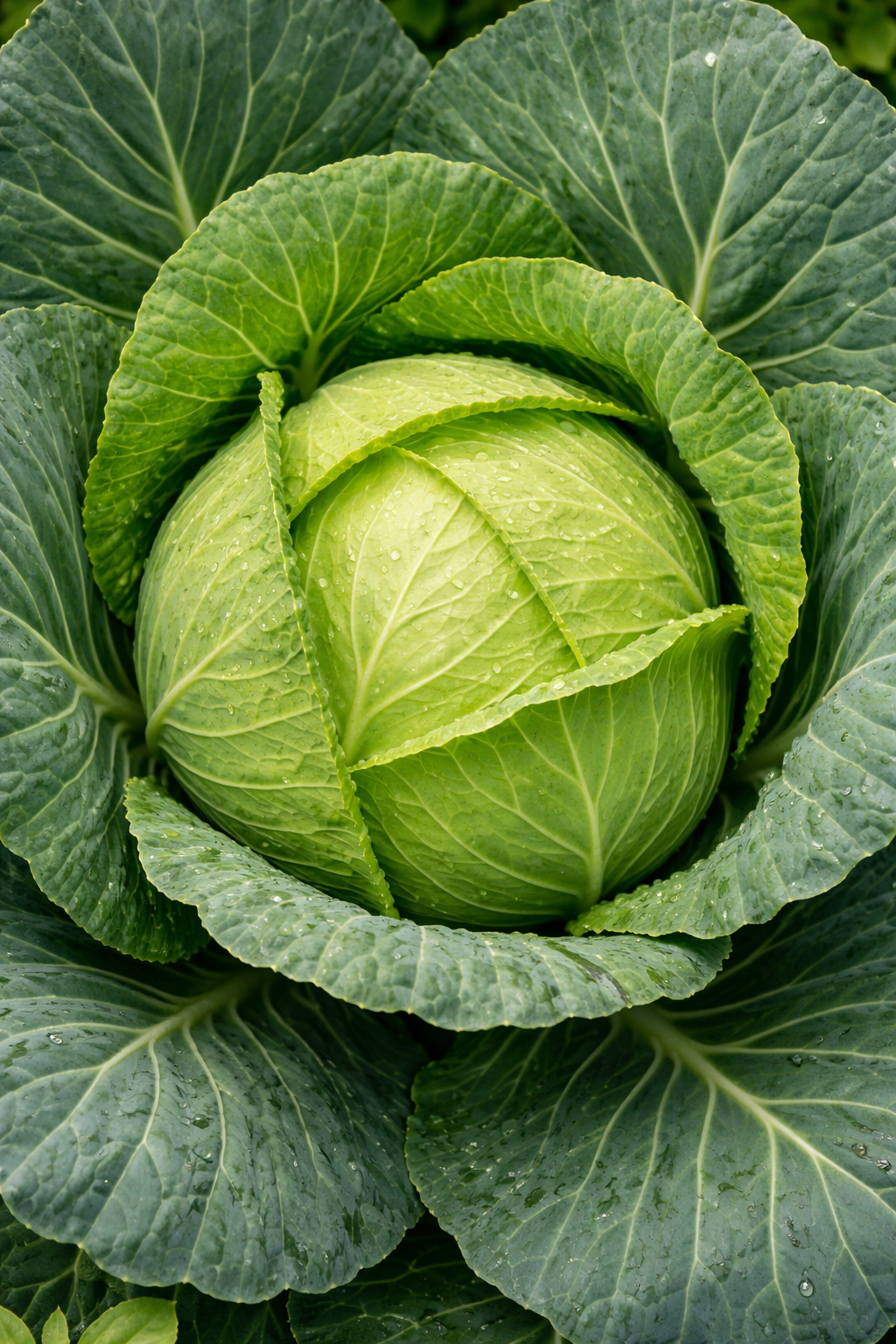
Why Cabbage Is Often Mentioned in Stomach-Friendly Diets
Minjin Park
·
If you look through articles about gentle eating, vegetable-focused meals, or “stomach health” food lists, cabbage comes up surprisingly often. It appears in soups, fermented side dishes, light meal plans, and traditional home-style remedies. That recurring mention is not just folklore. Cabbage is inexpensive, versatile, naturally nutrient-dense, and part of the cruciferous vegetable family that has been studied for its fiber, vitamin C, and plant compounds.
That said, cabbage is often misunderstood. It is not a miracle cure for every stomach problem, and it is not equally comfortable for everyone to digest. The better question is not “Is cabbage magical for the stomach?” but “Why does cabbage keep showing up in stomach-friendly eating patterns?” The answer usually comes down to nutrition, simplicity, and how it fits into broader vegetable-rich diets.
Why Cabbage Gets Attention in Digestive and Stomach-Health Conversations
One major reason is that cabbage is a vegetable people can eat in many forms. It can be lightly cooked in soups, steamed, stir-fried, fermented, or eaten raw in smaller amounts. That makes it easy to include in everyday meals without building an entirely new diet around it.
Another reason is nutritional density. Cruciferous vegetables such as cabbage are known for providing vitamin C and other beneficial plant compounds while fitting easily into vegetable-forward diets. Harvard notes that vegetables and fruits overall support healthy dietary patterns and can help lower the risk of several chronic health problems, including some digestive issues.
In practical diet advice, cabbage is often mentioned because it is a realistic way to increase vegetable intake, not because it has been proven to “heal the stomach” on its own.
Cabbage Provides Fiber, Which Matters for Digestive Health
One reason cabbage shows up in gut-health discussions is fiber. Vegetables are important sources of dietary fiber, and fiber helps support overall digestive regularity. NIDDK guidance on digestive conditions such as diverticular disease notes that vegetables are good sources of fiber and that doctors may recommend eating more high-fiber foods in some digestive contexts.
This does not mean that every person with stomach discomfort should immediately eat large bowls of cabbage. But it does explain why cabbage gets grouped into digestive-health food lists. In balanced amounts, vegetables with fiber can support broader digestive patterns that people often associate with “stomach health.”
It Is Part of the Cruciferous Vegetable Family
Cabbage belongs to the Brassica, or cruciferous, vegetable family, alongside broccoli, cauliflower, kale, and Brussels sprouts. These vegetables are frequently discussed in nutrition science because they contain glucosinolates and related compounds that researchers continue to study for potential health effects.
That research interest is one reason cabbage receives more attention than some other vegetables. Even when the evidence does not support exaggerated claims, cruciferous vegetables have a strong reputation in nutrition because they combine ordinary meal usefulness with biologically interesting plant compounds.
Cabbage Is a Source of Vitamin C
Cabbage is also often mentioned because cruciferous vegetables are recognized food sources of vitamin C. Harvard lists cabbage among cruciferous vegetables that contribute vitamin C intake. Vitamin C matters for normal immune function and collagen formation, and foods rich in it are generally considered valuable in a balanced diet.
This does not make cabbage a special “stomach vitamin” food. But it helps explain why it is seen as a strong supporting vegetable in light, balanced, health-conscious meal plans.
Cabbage Fits Well in Simple, Gentle Meals
Another reason cabbage is often brought up in stomach-friendly eating is that it works well in plain, low-complexity meals. Soft cooked cabbage can be added to broth-based soups, rice dishes, noodle dishes, and light stir-fries. In many traditional diets, foods that feel “gentle” are often foods that are cooked, simple, and easy to combine with other basic ingredients.
That practicality matters. A food does not have to be perfect in a lab setting to become popular in real diets. It only needs to be nutritious, affordable, adaptable, and easy to prepare repeatedly. Cabbage checks all of those boxes.
Why People Connect Cabbage With the Stomach Specifically
Some of the stomach-health reputation comes from broader associations rather than direct proof for every claim. People often connect cabbage to stomach health because:
cabbage is a vegetable rather than a greasy or heavily processed food, it can be served cooked and mildly seasoned, it contributes fiber and vitamin C, and it belongs to a vegetable family studied for health-promoting plant compounds.
There is also research interest in diet patterns involving cruciferous vegetables and stomach outcomes. For example, observational studies have explored links between cruciferous vegetable intake and lower odds of stomach cancer, though these studies do not prove that cabbage alone prevents disease.
That distinction is important for SEO-style health writing: cabbage deserves interest, but not overclaiming.
Cabbage Is Not a Cure-All for Gastritis, Ulcers, or Bloating
This is where many blog posts become misleading. Cabbage may be a healthy vegetable, but that does not mean it is automatically helpful for every stomach problem.
If someone has gastritis, peptic ulcer disease, reflux, functional dyspepsia, or bloating, the best food pattern depends on the specific issue and on personal tolerance. NIDDK dietary guidance for digestive conditions focuses more on overall eating patterns and symptom triggers than on one “healing” vegetable.
In real life, some people tolerate cooked cabbage well, while others find raw cabbage gassy or uncomfortable. So the most accurate statement is this: cabbage is commonly mentioned in stomach-friendly diets because it is nutritious and versatile, not because it is universally soothing.
Raw vs. Cooked Cabbage: Why Preparation Matters
Preparation can change how cabbage feels in the body. Raw cabbage may feel crisp and refreshing, but it can also be harder for some people to digest in large amounts. Cooked cabbage is often softer and easier to tolerate, especially for people who feel bloated after raw cruciferous vegetables.
That is one reason cabbage soup, sautéed cabbage, and lightly braised cabbage show up in “gentle meal” ideas more often than giant raw cabbage salads.
If someone wants to test tolerance, cooked forms are often the more practical place to start.
What About Fermented Cabbage?
Fermented cabbage foods such as sauerkraut or kimchi are often brought into digestive-health discussions too. They are not the same as plain cabbage nutritionally or functionally, because fermentation changes the food. Some people enjoy them in small amounts as part of a varied diet, but others may find them too acidic, spicy, or salty depending on their symptoms.
So when people say “cabbage is good for the stomach,” it helps to ask which form they mean. Raw cabbage, cooked cabbage, and fermented cabbage can feel very different.
Why Cabbage Works So Well in Vegetable-Forward Diets
Cabbage keeps getting recommended because it helps people do several useful things at once:
It increases total vegetable intake. It adds fiber. It contributes vitamin C. It belongs to a respected cruciferous family. It is cheap and widely available. It works in soups, sides, bowls, and main dishes.
That combination is powerful. In nutrition, foods that are both beneficial and easy to use usually become staples. Cabbage is one of those foods.
A Few Important Cautions
Cabbage is healthy for most people, but there are still a few practical cautions.
First, cruciferous vegetables contain glucosinolates and goitrogen-related compounds. Harvard notes that these can interfere with iodine absorption, which may matter more for people with iodine deficiency or hypothyroidism.
Second, high-fiber foods are not always ideal during every digestive flare. Some people may be advised to use a lower-fiber approach temporarily for certain conditions or after specific medical advice.
Third, cabbage can cause gas for some people, especially in large portions or raw form. That does not make it unhealthy. It just means tolerance matters.
Easy Ways to Include Cabbage in a Stomach-Friendly Meal Pattern
If you want to use cabbage in a more stomach-friendly way, simplicity usually works best.
Try lightly sautéed cabbage with olive oil and a mild protein. Add chopped cabbage to clear soups with rice or noodles. Use cooked cabbage in stir-fries with tofu or chicken. Pair it with other soft cooked vegetables instead of eating a huge raw salad. Start with smaller portions and see how your body responds.
The goal is not to force cabbage into your routine because the internet said it is “good for the stomach.” The goal is to see whether it fits your body and your meals.
Final Thoughts
Cabbage is often mentioned in stomach-friendly diets because it is nutritious, affordable, versatile, and part of the cruciferous vegetable family. It contributes fiber and vitamin C, fits easily into simple cooked meals, and supports the broader goal of eating more vegetables. Those are strong reasons for it to appear often in digestive-health conversations.
But the most honest conclusion is a balanced one.
Cabbage is not a miracle stomach cure. It is a solid vegetable that fits well into many healthy eating patterns.
And in nutrition, that is often exactly why a food gets recommended so often.
FAQ
Why is cabbage considered good for stomach-friendly diets?
Because it is a nutrient-dense vegetable that can be eaten in simple cooked meals, provides fiber and vitamin C, and fits well into broader vegetable-rich eating patterns.
Is cabbage good for digestion?
It can support digestive health as part of a balanced diet because vegetables provide fiber, but tolerance varies by person and by preparation method.
Is cooked cabbage easier on the stomach than raw cabbage?
For many people, yes. Cooked cabbage is often softer and easier to tolerate than large raw portions, especially if raw cruciferous vegetables tend to cause gas.
Can cabbage cure gastritis or ulcers?
There is no strong basis to claim that cabbage alone cures gastritis or ulcers. Symptom management depends on the specific condition, overall diet, and medical guidance.
Are there any downsides to eating cabbage?
Some people experience gas or discomfort, and people with iodine deficiency or hypothyroidism may need to think more carefully about very high cruciferous intake.
As an Amazon Associate I earn from qualifying purchases.
Hi, I’m the creator and editor behind ZestyHabit. I research everyday safety, first aid, and practical wellness topics using official guidance and reliable public sources, then turn that information into clear, realistic steps for daily life.
My goal is to help readers make safer, better-informed choices at home and beyond.