Why Vitamin D Gets So Much Attention and the Lifestyle Habits That Actually Matter
Minjin Park
·
Vitamin D has become one of the most talked-about nutrients in modern wellness conversations. It shows up in discussions about bone health, immunity, fatigue, aging, mood, sunlight exposure, supplements, and even general preventive health. That level of attention is not random. Vitamin D plays a real and important role in the body, but the public conversation often mixes solid science with exaggerated expectations.
So why does vitamin D keep attracting so much interest?
The short answer is this: vitamin D is essential, many people worry they are not getting enough, sunlight-based production is affected by daily routines and environment, and supplement use has grown much faster than public understanding of when it is truly helpful. At the same time, authoritative guidance makes an important distinction: vitamin D is clearly necessary for healthy bones, muscles, and normal body function, but taking extra vitamin D does not automatically mean extra protection from every disease people talk about online.
This article explains why vitamin D gets so much attention and which lifestyle habits matter most if you want to maintain healthy vitamin D status in a realistic, sustainable way.
Vitamin D helps the body absorb calcium and maintain proper calcium and phosphate balance, which is essential for normal bone mineralization. Without enough vitamin D, bones can become thin, brittle, soft, or misshapen. In children, severe deficiency can contribute to rickets, and in adults it can contribute to osteomalacia. It also supports muscle and nerve function, and vitamin D receptors are present in many tissues throughout the body.
That is the first reason vitamin D gets so much attention: it is not a trendy “bonus” nutrient. It is fundamental.
People also pay attention to vitamin D because low blood levels have been associated in research with a wide range of health concerns, including poorer bone outcomes and, in some studies, broader health risks. But this is where context matters. Associations do not always mean that taking more vitamin D will prevent those outcomes. Major guideline groups have emphasized that healthy adults under 75 generally should meet recommended intake targets, but routine high-dose supplementation or routine testing is not automatically necessary for everyone.
Why Vitamin D Became Such a Big Wellness Topic
Vitamin D gets public attention for several overlapping reasons.
Third, deficiency risk is widely discussed. People who spend little time outdoors, cover most of their skin, live in places with limited winter sunlight, are older, or have certain health conditions may be more likely to have low vitamin D status. That makes the topic relevant to a very broad audience.
Finally, vitamin D became one of those nutrients that sits at the intersection of medicine, prevention, and self-care. That naturally fuels interest. But it also creates confusion, because the internet often treats vitamin D as a cure-all, while official guidance is more measured.
The Real Reason Vitamin D Matters in Everyday Life
For most people, the practical value of vitamin D is not that it is fashionable. It matters because it supports basic long-term health.
When vitamin D is inadequate, the body cannot manage calcium as effectively, and that can affect skeletal health over time. Muscle function also depends on vitamin D. That is why public health agencies and medical groups consistently focus on sufficient intake rather than hype.
This is also why vitamin D is often discussed in relation to aging. Bone integrity and muscle function become increasingly important with age, and guideline updates from the Endocrine Society specifically note that some groups, including adults over 75, may benefit from more focused vitamin D attention than younger healthy adults.
Common Reasons People May Not Get Enough Vitamin D
If vitamin D is so important, why do people worry about it so much?
One major reason is indoor living. Many people spend most of the day inside, whether at work, school, or home. Even people who believe they are “out often” may not consistently get meaningful sunlight exposure on a regular schedule.
Diet can also be a weak point. Unlike nutrients that are widely available across fruits, vegetables, grains, and proteins, vitamin D sources are comparatively narrow. If someone rarely eats oily fish, eggs, fortified foods, or supplements, intake may be modest.
Some people are also at higher risk because of age or health status. The Endocrine Society’s 2024 guidance highlighted children, pregnant people, adults over 75, and adults with high-risk prediabetes as groups that may warrant more attention to vitamin D intake than the average healthy adult under 75.
1. Build a Routine That Includes Safe Time Outdoors
Because the body can produce vitamin D through sunlight exposure, daily outdoor time matters. Public health advice commonly emphasizes short, regular daylight exposure rather than extreme sun-seeking behavior. The NHS notes that from late March or early April to the end of September, many people can make the vitamin D they need from sunlight, though recommendations depend on local climate and sun conditions.
The key lifestyle takeaway is simple: a life that includes some regular daylight exposure tends to support vitamin D status better than a life spent almost entirely indoors.
This does not mean chasing sunburn or ignoring skin protection. It means recognizing that modern indoor routines can quietly reduce natural vitamin D production.
2. Include Vitamin D Food Sources More Intentionally
Food usually is not the only source of vitamin D, but it still matters. Good dietary sources include oily fish such as salmon, sardines, and mackerel, egg yolks, and fortified foods like some breakfast cereals, spreads, and dairy alternatives.
A practical lifestyle habit is to stop assuming vitamin D will “just happen” in your diet. It often does not.
This rustic seafood spread showcases grilled fish, colorful caviar, and artisanal bread for a traditional meal.
If your meals rarely include fish, eggs, or fortified products, it may be worth reviewing your weekly eating pattern. You do not need a perfect menu. You need awareness.
3. Do Not Assume Supplements Are Always Better
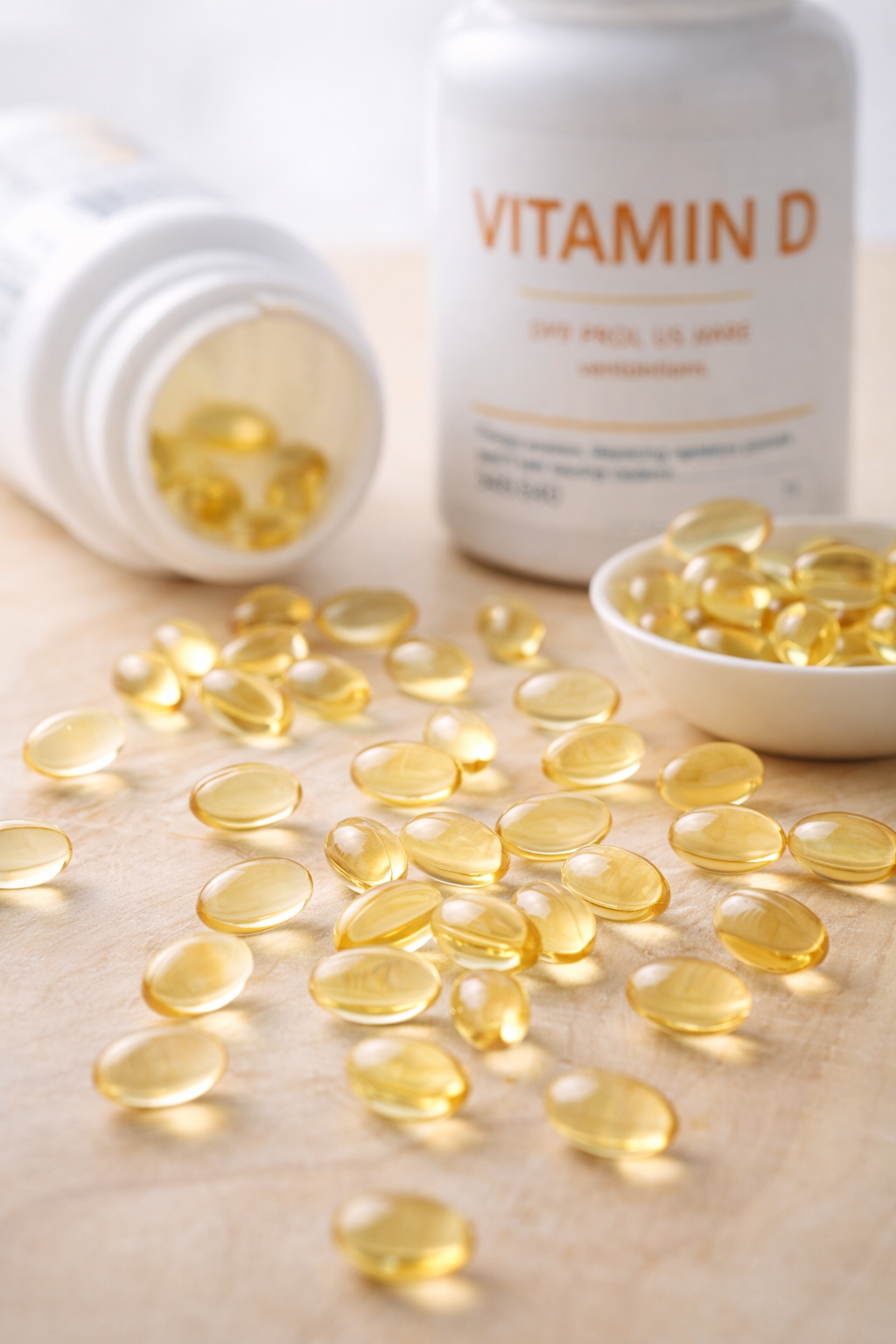
This is one of the most important checkpoints. Vitamin D supplements are useful in some situations, but more is not automatically better. The NIH Office of Dietary Supplements notes that excessive vitamin D from supplements can cause toxicity, including hypercalcemia, kidney-related complications, and other serious effects. Vitamin D toxicity is almost always due to excessive supplement intake, not normal sun exposure or ordinary food intake.
The Endocrine Society’s 2024 guideline also pushed back against overuse by stating that healthy adults under 75 are unlikely to benefit from taking more than the recommended daily allowance for disease prevention, and they do not require routine testing in the absence of specific indications.
That is a good reminder that vitamin D deserves respect, not megadosing.
4. Pay Attention to Life Stage and Risk Factors
Not everyone should think about vitamin D in the same way.
Older adults, pregnant people, children, and certain other higher-risk groups may need a more deliberate approach. The official recommended intake for most adults ages 19 to 70 is 15 mcg, or 600 IU, per day, while adults 71 and older are generally advised to get 20 mcg, or 800 IU, per day.
Lifestyle habits should reflect real needs, not social media trends. A college student who spends weekends outdoors and eats fortified foods may have a different practical strategy than an older adult who stays indoors most of the time.
5. Be Consistent, Not Extreme
One reason vitamin D is such a frustrating topic is that people often approach it in extremes. They ignore it completely for months, then suddenly buy high-dose supplements after reading a few alarming posts online.
A more useful habit is consistency.
Regular outdoor time. Regular intake from food where possible. Evidence-based supplementation when appropriate. Medical input when risk factors or symptoms warrant it. This kind of boring consistency tends to work better than reactive health behavior.
6. Know That “Low Vitamin D” Symptoms Can Be Vague
Fatigue, low mood, muscle aches, and a general feeling of being “off” are often discussed in connection with vitamin D deficiency. But vague symptoms are not proof of deficiency on their own. Many health issues can overlap with those complaints. That is one reason official guidelines do not recommend casual self-diagnosis based on internet symptom lists alone.
This lifestyle lesson matters because it helps people avoid turning vitamin D into a catch-all explanation for every problem.
7. Review Your Overall Routine, Not Just One Pill
Vitamin D status reflects a pattern. Ask yourself:
Do I spend almost all my time indoors? Do I avoid vitamin D food sources? Do I live in a place or season with limited sunlight? Am I in a higher-risk age or life stage? Am I taking supplements without actually knowing whether they are appropriate?
That pattern-based view is more useful than obsessing over a single supplement bottle.
What a Vitamin D-Friendly Lifestyle Looks Like
A practical, sustainable vitamin D-supportive lifestyle usually includes a few simple habits:
You spend some time outdoors regularly when possible. You include vitamin D food sources in your weekly routine. You understand that winter and indoor living may reduce natural production. You do not treat supplements like harmless candy. You align your intake with evidence-based recommendations rather than social media claims.
That is the real answer to why vitamin D gets so much attention. It matters because it sits right at the crossroads of nutrition, environment, routine, and long-term health.
What Vitamin D Is Not
Vitamin D is not a guaranteed shortcut to better energy, better immunity, better mood, better metabolism, better weight loss, and better overall health all at once.
There is active research on vitamin D in many areas, but major medical sources remain careful about overclaiming benefits beyond established needs. Mayo Clinic notes that findings are mixed in several areas, including cancer and cognitive outcomes, and more research is needed.
That is why SEO-friendly content on vitamin D should still be honest. Readers do not need sensationalism. They need clarity.
When Someone Should Talk to a Healthcare Professional
Vitamin D becomes more than a casual wellness topic when someone has known risk factors, suspected deficiency, bone concerns, malabsorption issues, age-related concerns, pregnancy-related questions, or is considering higher-dose supplementation. It is also worth discussing if someone has been taking large vitamin D doses long term without supervision. The NIH notes clear risks from excessive supplemental intake.
The best lifestyle habit is not blind supplementation. It is informed decision-making.
Final Thoughts
Vitamin D gets so much attention because it genuinely matters, but also because it is easy to oversimplify. It is essential for calcium absorption, bone health, and normal muscle and nerve function. Sunlight, diet, season, age, and daily routine all influence vitamin D status. At the same time, the latest guideline perspective is clear: many healthy adults do not need high-dose vitamin D habits just because the nutrient is popular online.
The smartest approach is not fear and not hype.
It is a realistic lifestyle strategy: get regular daylight exposure when appropriate, eat vitamin D-containing foods more intentionally, understand your risk factors, and use supplements thoughtfully rather than automatically. That is the kind of habit-based approach that supports health without turning vitamin D into a miracle story it was never meant to be.
FAQ
Why is vitamin D so important?
Vitamin D helps the body absorb calcium and supports healthy bones, muscles, and normal nerve function. It is essential rather than optional.
Can I get enough vitamin D from food alone?
Some people can get part of their vitamin D from foods like oily fish, egg yolks, and fortified products, but food sources are relatively limited compared with many other nutrients.
Should everyone take a vitamin D supplement?
Not necessarily. The Endocrine Society’s 2024 guidance says healthy adults under 75 are unlikely to benefit from taking more than the recommended daily allowance for disease prevention, and routine testing is not needed for everyone.
Can too much vitamin D be harmful?
Yes. Excessive vitamin D from supplements can lead to toxicity and serious complications, including high calcium levels and kidney-related problems.
What daily habit helps most with vitamin D?
A balanced combination of regular safe outdoor time, vitamin D-containing foods, and evidence-based supplement use when appropriate is more helpful than relying on one single habit
As an Amazon Associate I earn from qualifying purchases.
Hi, I’m the creator and editor behind ZestyHabit. I research everyday safety, first aid, and practical wellness topics using official guidance and reliable public sources, then turn that information into clear, realistic steps for daily life.
My goal is to help readers make safer, better-informed choices at home and beyond.
[…] Morning breath is something almost everyone experiences. You wake up, take your first breath, and suddenly notice a strong, unpleasant smell. While it may feel embarrassing, morning breath is actually a very common and natural phenomenon. However, if the smell is particularly strong or persistent, it can signal underlying lifestyle habits or oral health issues that need attention. […]
Loading...
Discover more from
Subscribe now to keep reading and get access to the full archive.



[…] Morning breath is something almost everyone experiences. You wake up, take your first breath, and suddenly notice a strong, unpleasant smell. While it may feel embarrassing, morning breath is actually a very common and natural phenomenon. However, if the smell is particularly strong or persistent, it can signal underlying lifestyle habits or oral health issues that need attention. […]