How Sleep-Deprived Working Men Can Manage Their Condition Better
Minjin Park
·
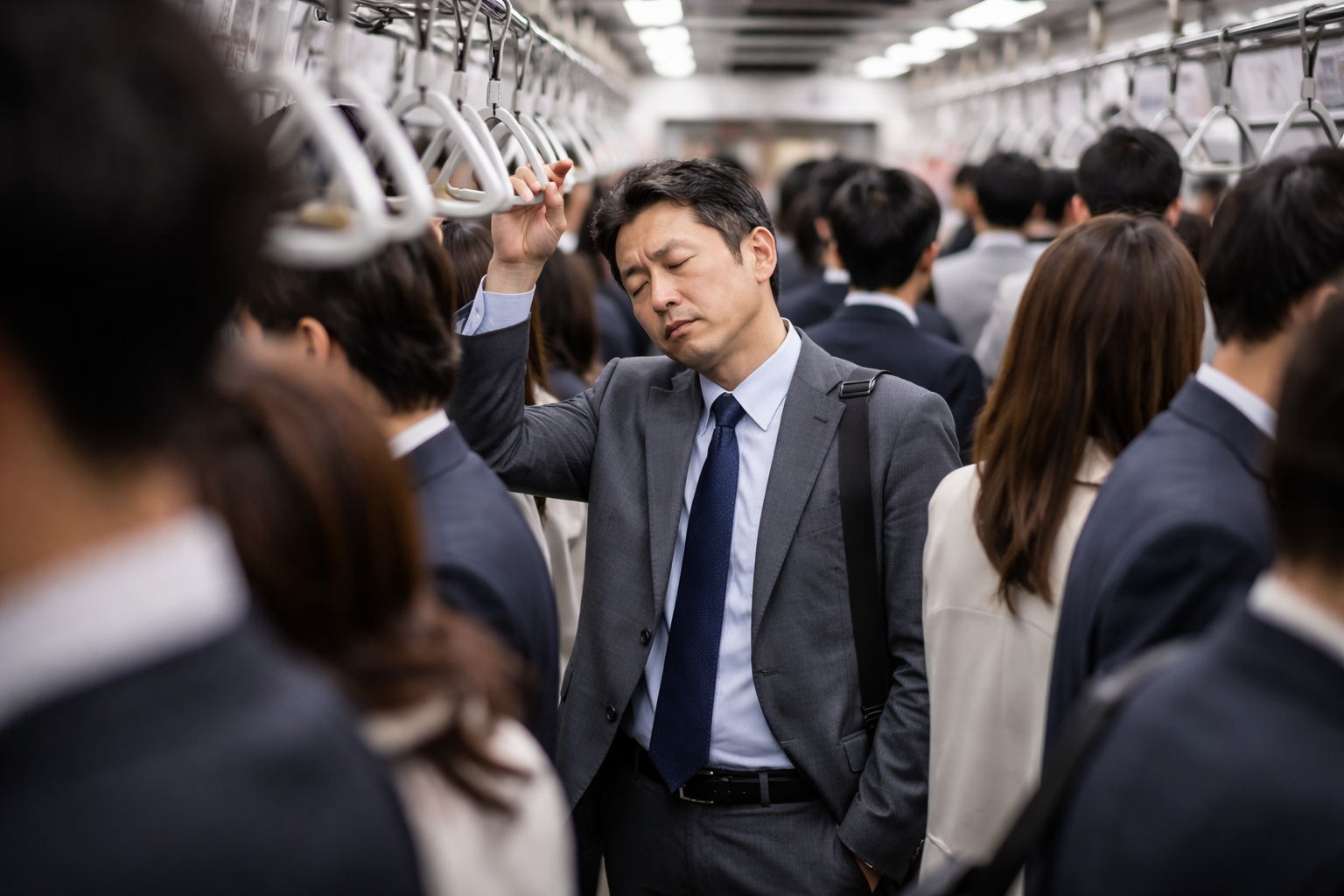
Modern working life has made one thing painfully common: men who are constantly running on too little sleep.
Late-night work, long commutes, stress, screen time, social obligations, irregular meals, and early alarms create a routine that slowly chips away at rest. For many male office workers, lack of sleep is not a rare bad night. It is a pattern. And after a while, that pattern starts showing up everywhere — in concentration, mood, energy, digestion, productivity, and even appearance.
The problem is that many men get used to functioning at less than their best.
They tell themselves they are fine because they are still going to work, still answering emails, still meeting deadlines, still pushing through the day. But “still functioning” and “actually doing well” are not the same thing. A man who is chronically short on sleep may look normal from the outside while feeling foggy, irritable, heavy, unmotivated, and physically off for most of the day.
The good news is that condition management does not have to start with a perfect life or a miracle routine.
Even if you cannot immediately fix your sleep schedule, there are realistic ways to protect your energy, reduce the physical damage of sleep loss, and function better during busy workdays. Let’s look at practical condition-management strategies for sleep-deprived working men who need to stay sharp without pretending their body is invincible.
First, Understand What Sleep Loss Actually Does to You
Sleep deprivation is not just about feeling tired.
When you do not get enough sleep, your body and brain start operating with less reserve. Attention drops. Memory becomes less reliable. Emotional control weakens. Hunger signals change. Cravings increase. Stress feels harder to manage. Recovery from exercise becomes slower. Even small annoyances feel bigger than they should.
In working men, this often shows up in very everyday ways:
You snack more, especially on sugar or salty foods
Your body feels stiff and swollen
You lose motivation for exercise
Your face looks dull or puffy
You feel mentally “on,” but physically behind
This matters because condition management starts with honesty. If you are sleeping badly, you should stop expecting your body to perform like it is fully rested. The goal is not to shame yourself. The goal is to adjust your habits in a smarter way.
Stop Trying to Win the Morning by Sacrificing the Night
A lot of working men make the same mistake: they try to reclaim control by waking up even earlier.
They think a strict early-morning routine will fix everything. So they cut sleep even further to squeeze in exercise, emails, studying, or self-improvement. That may sound disciplined, but if you are already sleep-deprived, this often makes things worse.
A tired body does not always need a tougher schedule. Sometimes it needs less damage.
If you are regularly sleeping too little, the first priority is not building the perfect 5 a.m. productivity routine. It is protecting what sleep you can get. That may mean reducing unnecessary late-night screen time, cutting down on nighttime scrolling, or letting go of activities that keep you awake longer than needed.
Condition management begins with not digging the hole deeper.
Use Caffeine Strategically, Not Emotionally
For sleep-deprived office workers, caffeine often feels like survival. And in moderation, it can help. The problem is that many men use it reactively instead of strategically.
They wake up exhausted, drink coffee immediately, crash again, drink more in the afternoon, and then wonder why they cannot fall asleep that night. The cycle keeps repeating.
A smarter approach is to treat caffeine like a tool, not a personality trait.
Try not to overload your system first thing in a panic. Space it out with intention. Avoid turning every dip in energy into another cup. And be careful with late-afternoon caffeine, because it often steals from the next night’s sleep, even if you think you “can still fall asleep fine.”
That is one of the traps of chronic sleep deprivation: you may fall asleep from exhaustion, but your sleep quality can still suffer.
For many working men, better caffeine timing does more for daily condition than simply drinking more of it.
Eat Like Someone Who Is Tired, Not Like Someone Who Is Fine
Sleep deprivation changes appetite in sneaky ways.
When you are underslept, you are more likely to crave quick energy: sugary drinks, heavy lunches, convenience-store snacks, fried food, instant noodles, pastries, or oversized coffee-based drinks. These foods may feel comforting in the moment, but they often make energy swings worse.
A sleep-deprived office worker does better with steady, practical meals.
That means not skipping breakfast only to overeat at lunch. It means not living on coffee until noon. It means choosing meals that keep energy more stable instead of creating a sharp spike followed by a slump.
A good rule is simple: when sleep is poor, your food should become more stable, not more chaotic.
Try to include protein, fiber, and enough fluids earlier in the day. Keep lunch heavy enough to satisfy you, but not so greasy or oversized that it ruins your afternoon. If you need a snack, choose one that actually supports energy instead of just stimulating your taste buds for ten minutes.
This does not require a bodybuilder meal plan. It just requires fewer desperate food choices.
Fix the Afternoon Crash Before It Fixes You
One of the most common struggles for sleep-deprived working men is the afternoon collapse.
Somewhere between 2 p.m. and 5 p.m., concentration drops, posture worsens, eyelids get heavy, and motivation disappears. This is where many people either drown themselves in caffeine or give up on productivity entirely.
Instead, think of the afternoon as a condition-management zone.
You do not always need a dramatic solution. Sometimes what helps most is a short reset:
Get out of artificial lighting briefly if possible
Stretch your neck, shoulders, and lower back
Avoid a heavy sugary snack that leads to another crash
Break your work into smaller tasks instead of forcing intense focus
The mistake many men make is trying to fight biological fatigue with pure mental aggression. That usually backfires. When sleep is low, small physical resets often help more than trying to “push harder.”
Move Your Body, But Stop Punishing It
Exercise is important, but sleep-deprived men often handle it in one of two bad ways: they either stop moving entirely, or they force themselves into intense workouts their body is not ready for.
Both extremes can hurt condition.
When you are underslept, movement still helps. In fact, it may help a lot. Light to moderate exercise can improve circulation, reduce stiffness, support mood, and prevent that heavy sluggish feeling that builds during office life. The key is matching the workout to your actual condition.
If you slept terribly, your body may respond better to walking, light strength training, mobility work, cycling, or a shorter session than to punishing high-intensity exercise. You do not need to prove toughness every day.
Sometimes the most mature fitness decision is not going harder. It is going appropriately.
A man who is low on sleep but still keeps his body moving in a sustainable way will usually feel better than the man who alternates between burnout workouts and total inactivity.
Protect Your Neck, Back, and Eyes During the Workday
Sleep deprivation makes physical discomfort feel worse.
A normal desk setup can start causing neck tightness, eye strain, headaches, shoulder stiffness, and lower back discomfort much faster when your body is already tired. That is why condition management for sleep-deprived office workers is not only about sleep itself. It is also about reducing unnecessary physical stress during the day.
Pay attention to how you sit. Raise the screen if you are constantly bending your neck down. Relax your shoulders. Do not let your jaw stay clenched for hours. Blink more. Step away from the monitor occasionally. Stretch your chest and hip flexors if you spend most of your day seated.
These habits sound small, but when your body is low on recovery, small sources of strain build up fast.
Many men think they are “just tired,” when in reality they are tired, tense, dehydrated, and sitting badly for ten hours. Of course they feel terrible.
Stop Using Late-Night Revenge Time Against Yourself
A lot of working men get poor sleep not only because they are busy, but because they want some part of the day to feel like their own.
After work, they stay up scrolling, gaming, watching videos, drinking, or just sitting awake because it feels unfair to go straight to bed after a long day. This is understandable. It is also one of the biggest reasons sleep debt keeps growing.
This behavior is often less about laziness and more about emotional resistance. You do not want the day to end because it feels like the day was never yours.
But when this becomes a pattern, the next day’s condition pays the price.
Managing your condition sometimes means being honest about this trade-off. That extra hour or two at night may feel mentally rewarding in the moment, but if it destroys your mood, focus, and physical energy the next day, it is not really free time. It is borrowed time with interest.
Use Weekends to Recover, But Don’t Destroy Your Rhythm
Weekend sleep can help, but many working men sabotage recovery by swinging between extremes.
They wake up early all week, then stay up very late on Friday, sleep half the day on Saturday, ruin their body clock, and feel awful again by Sunday night. This creates a rhythm that never fully stabilizes.
A better approach is to use weekends for partial recovery, not total schedule chaos.
Yes, extra sleep can help if you are carrying sleep debt. But if you completely reverse your sleep-wake timing, Monday becomes even harder. Your goal should be to catch up reasonably while keeping some consistency.
Think recovery, not rebellion.
That also means not packing every weekend with alcohol, late meals, zero movement, and endless screen time while expecting Monday morning to feel manageable.
Keep Hydration Simpler Than You Think
Tired men often underestimate dehydration.
When you are sleepy, your body can feel sluggish, heavy, and foggy. Dehydration can make that much worse. It can also contribute to headaches, reduced concentration, dry eyes, and that overall “bad condition” feeling many office workers know too well.
The fix is not complicated. Drink water regularly through the day. Do not replace most of your fluids with coffee. If your lunch is salty or your office is dry, pay even more attention.
Hydration will not erase sleep deprivation, but it can prevent your condition from dropping even lower than necessary.
Learn the Difference Between “Sleepy” and “Burned Out”
This matters more than people think.
Some men assume all tiredness comes from lack of sleep, but sometimes the bigger issue is emotional exhaustion. You can be underslept and burned out at the same time, and the two feed each other. If you feel constantly drained, cynical, numb, unmotivated, or emotionally flat, the solution may need to go beyond a better breakfast or one extra hour of sleep.
Condition management works best when you identify the real problem.
If you are only physically tired, lifestyle adjustments may help quickly. If you are mentally depleted too, you may need boundaries, reduced overload, more recovery time, and a more serious look at your work-life pattern.
A man who treats burnout like simple sleepiness usually stays stuck longer.
Build a “Low-Sleep Survival Routine”
Not every week will be ideal. That is why it helps to have a basic routine for periods when sleep is not enough.
A realistic low-sleep survival routine might look like this:
Wake up and get light exposure early instead of staying in a dark room.
Do light movement in the morning or at lunch, even for ten minutes.
Keep caffeine earlier instead of late.
Use short posture and stretching resets during work.
Avoid a huge heavy dinner that makes sleep worse.
Reduce late-night screen stimulation when possible.
Go to bed slightly earlier rather than pretending tomorrow will somehow be different.
This kind of routine is not glamorous, but it works better than trying to power through on pride alone.
When Lack of Sleep Starts Affecting Health More Seriously
Sometimes poor sleep is no longer just a condition issue. It becomes a health issue.
If you are constantly exhausted, snore heavily, wake up choking, have morning headaches, feel extreme daytime sleepiness, or struggle to stay awake during meetings or while driving, it may be time to consider whether something more serious is going on, such as sleep apnea or another sleep disorder.
The same applies if lack of sleep is causing repeated digestive trouble, worsening blood pressure, constant irritability, or reliance on alcohol or sleeping pills just to shut down at night.
There is a point where “I’m just busy” stops being a useful explanation.
The Bottom Line
For sleep-deprived working men, condition management is not about pretending you can outwork biology. It is about reducing damage, stabilizing energy, and helping your body function better even before your sleep becomes ideal.
That means protecting what sleep you can get, using caffeine more intelligently, eating more steadily, moving without overdoing it, managing the afternoon crash, reducing physical tension at work, and being honest about habits that quietly make everything worse.
You do not need a perfect routine to feel better.
You need a realistic one.
A man who sleeps too little but manages his condition wisely will usually perform better, think more clearly, and feel more like himself than the man who ignores every signal and calls it discipline. In the long run, real toughness is not about pushing through endless fatigue. It is about taking care of your body well enough that it can keep carrying you.
Hi, I’m the creator and editor behind ZestyHabit. I research everyday safety, first aid, and practical wellness topics using official guidance and reliable public sources, then turn that information into clear, realistic steps for daily life.
My goal is to help readers make safer, better-informed choices at home and beyond.
[…] A lot of people try to “catch up” on sleep by sleeping much later on weekends. While extra sleep can sometimes help after sleep loss, a wildly different weekend schedule may leave you feeling groggy on Monday morning. Some people describe this as feeling like they have jet lag without ever leaving home. If you wake up tired most weekdays but sleep until noon on weekends, your body clock may be one of the first things to review. […]
Loading…
Discover more from
Subscribe now to keep reading and get access to the full archive.



[…] A lot of people try to “catch up” on sleep by sleeping much later on weekends. While extra sleep can sometimes help after sleep loss, a wildly different weekend schedule may leave you feeling groggy on Monday morning. Some people describe this as feeling like they have jet lag without ever leaving home. If you wake up tired most weekdays but sleep until noon on weekends, your body clock may be one of the first things to review. […]