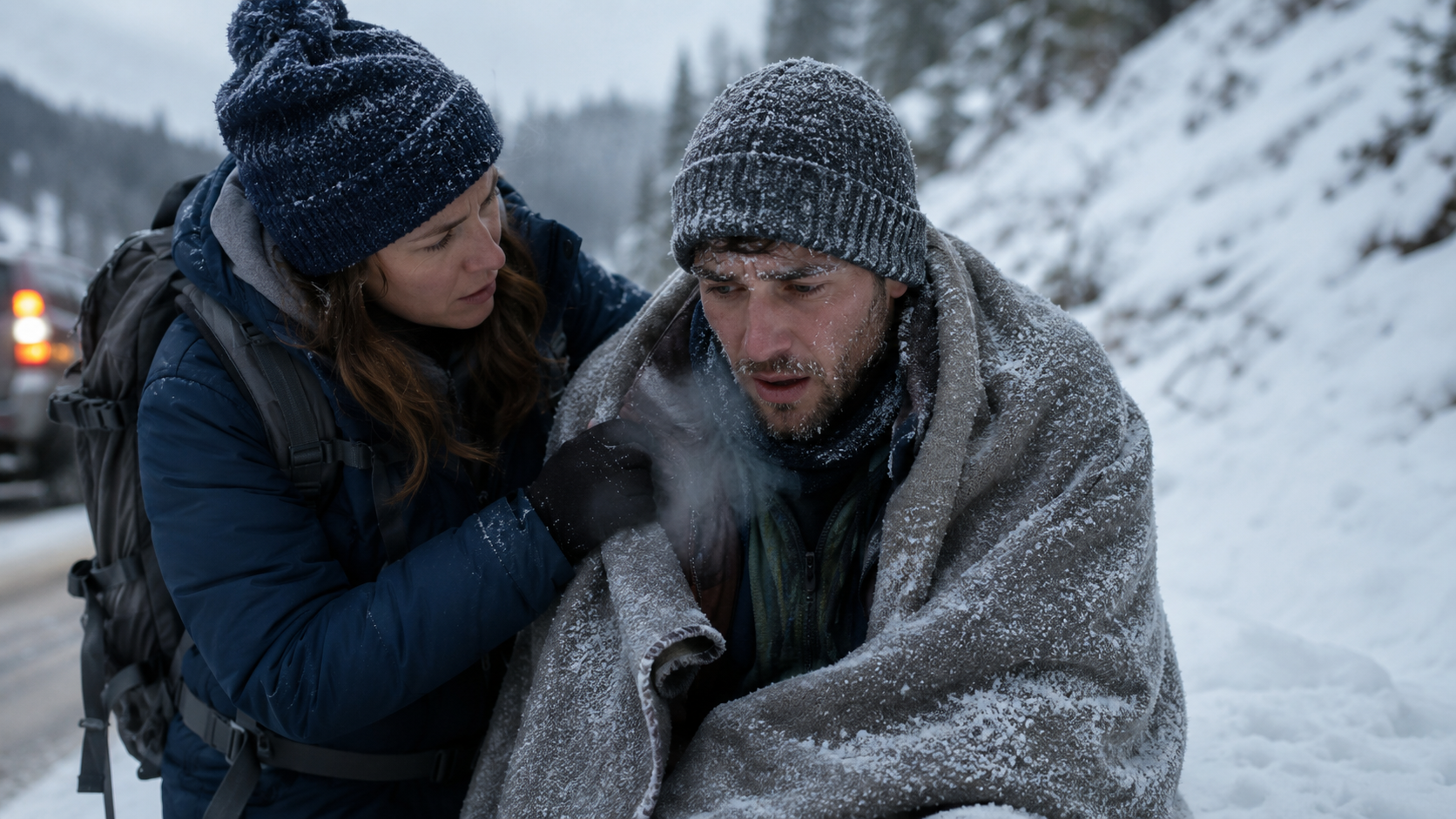
Why Missing the Early Signs of Hypothermia Can Be Dangerous
Minjin Park
·
Early hypothermia signs can be subtle and easy to miss. Learn why they matter, common mistakes people make, and simple ways to stay safer in cold, wet, or windy conditions.
When many people picture hypothermia, they imagine someone stranded in a snowstorm, shivering uncontrollably, or lost in the wilderness. While those situations can happen, hypothermia often begins in much quieter ways.
It may start with cold hands, a little shivering, stiff fingers, tiredness, or mild confusion. Someone may simply say, “I’m fine, just cold,” and keep walking, fishing, working outside, or sitting at a chilly football game.
That is what makes early hypothermia easy to miss.
Hypothermia happens when the body loses heat faster than it can produce it. The risk increases in cold weather, but it can also happen in cool temperatures when a person is wet, exposed to wind, tired, or not dressed properly.
You do not need to be in freezing weather for it to matter. A damp jacket, windy trail, cold lake, rainy campsite, or long wait outdoors can all make body heat drop faster than expected.
The good news is that early action can help. The key is noticing the signs before the situation becomes harder to manage.
Why Early Signs Matter So Much
Early hypothermia signs matter because they are the body’s first warning that it is losing heat. At this stage, simple steps may still make a big difference: moving indoors, changing out of wet clothes, adding dry layers, drinking something warm, or getting out of the wind.
The danger is that people often ignore the first signals.
They push through because they want to finish the hike, catch one more fish, stay at the game, complete outdoor work, or avoid looking dramatic. But cold stress can affect judgment. As the body gets colder, a person may become less aware of how serious the situation is.
That is why hypothermia is not only a temperature problem. It is also a decision-making problem.
The colder and more tired someone gets, the less likely they may be to make smart choices on their own.
Everyday Situations Where Hypothermia Can Sneak Up
Hiking in Cool, Wet Weather
A fall hike can feel safe because the temperature is not extremely low. But if rain soaks your clothing and wind picks up, your body can lose heat quickly.
This is especially common when people wear cotton clothing, which holds moisture and dries slowly. A damp cotton hoodie may feel cozy at home, but it can become a problem on a cold trail.
Kayaking, Boating, or Fishing
Water pulls heat from the body much faster than air. Even if the day feels mild, cold water exposure can chill a person quickly.
Someone sitting in a small boat with wet pants, damp socks, or a cold breeze may slowly become colder without realizing it. This is one reason extra dry clothing and a properly worn life jacket matter during water activities.
Outdoor Sports and Events
Parents watching a soccer game, fans sitting at a stadium, or kids waiting between games can all get chilled over time. People often dress for the temperature at the start of the day, not for the wind, shade, or evening drop.
Standing or sitting still makes it harder to stay warm than walking around.
Working Outside
Outdoor workers may be focused on the task and ignore early signs. Construction, landscaping, delivery work, farm chores, snow removal, and roadside work can all involve cold exposure.
The risk increases when gloves get wet, boots are damp, or breaks are skipped.
Power Outages During Cold Weather
Hypothermia can also become a concern indoors if a home loses heat during cold weather, especially for older adults, babies, or people with limited mobility.
A house does not become dangerously cold instantly, but indoor temperatures can drop over time. That is why it helps to have blankets, warm layers, safe heating plans, and a way to check on vulnerable family members or neighbors.
Early Signs of Hypothermia People Often Miss
Shivering
Shivering is one of the body’s natural ways to create heat. It is an important early warning sign, especially if it continues after adding a layer or moving out of the wind.
People sometimes dismiss shivering as normal. And yes, shivering can happen any time you are cold. But steady or intense shivering means the body is working hard to warm itself.
Do not ignore it, especially if the person is wet, tired, or exposed to wind.
Cold, Numb, or Clumsy Hands
Fingers may become stiff, numb, or slow to move. A person may struggle to zip a jacket, open a snack, tie a shoelace, hold a fishing rod, or use a phone.
This matters because clumsiness can make it harder to fix the problem. If someone cannot easily put on gloves or open a dry bag, they may need help sooner rather than later.
Slurred or Slow Speech
A person who is getting too cold may speak more slowly, mumble, or sound unusually tired. This can be subtle at first.
Cold exposure can make a person feel drained. Someone may want to sit down, stop moving, or “rest for a minute.”
That may sound harmless, but in cold conditions, stopping for too long can make body temperature drop further. If someone suddenly seems very tired in a cold, wet, or windy setting, take it seriously.
Confusion or Poor Judgment
One of the most concerning early patterns is when a person starts making odd choices.
They may refuse a jacket even though they are shivering. They may insist they are fine while acting slow or confused. They may wander away from the group, forget simple instructions, or become unusually irritated.
Cold can affect thinking before people realize it. This is why group awareness matters. Sometimes the person experiencing early hypothermia is not the best judge of their own condition.
Pale or Cool Skin
Skin may feel cold to the touch or look pale. In some people, lips or fingers may look bluish or grayish. Skin signs can vary depending on the person and conditions, but visible cold stress is worth noticing.
Do not wait for dramatic symptoms before taking action.
Common Mistakes That Make Hypothermia More Likely
Dressing for the Forecast, Not the Conditions
A weather app may say 45 degrees, but shade, wind, rain, elevation, and time of day can make it feel much colder.
A sunny parking lot can feel comfortable. A windy ridge, shaded trail, or wet boat can feel completely different.
Always think beyond the number on the forecast.
Wearing Cotton in Cold, Wet Settings
Cotton absorbs moisture and stays wet. Sweat, rain, snow, or splashing water can turn cotton clothing cold against the skin.
For outdoor activities, moisture-wicking base layers, fleece, wool, and waterproof or wind-resistant outer layers are often better choices.
You do not need expensive gear for every outing, but avoid relying on a cotton sweatshirt as your main protection in cold, wet weather.
Ignoring Wet Socks and Gloves
Wet feet and hands can make the whole body feel colder. People often tolerate damp socks or gloves because changing them feels inconvenient.
But dry socks and gloves can make a big difference. For hikes, camping trips, or long outdoor days, packing extras is a simple habit that pays off.
Skipping Food and Fluids
The body needs energy to stay warm. If someone is cold, hungry, tired, and dehydrated, they may become chilled more easily.
Warm drinks and simple snacks can help people feel better during cold outings. Avoid treating food and water as optional just because the weather is cool.
Staying Outside to “Tough It Out”
This is a common mistake among adults and teens. People may not want to seem weak, delay the group, or admit they are uncomfortable.
But cold safety is not about toughness. It is about timing. The earlier you respond, the easier it usually is to warm up and continue the day safely.
Warning Signs That Mean It Is Time to Act
If you notice any of the following, do not just wait and see:
Shivering that does not improve
Wet clothing in cold or windy weather
Clumsy hands or stumbling
Slurred speech or unusual quietness
Confusion, irritability, or poor decisions
Strong tiredness or wanting to lie down
Pale, cool, or bluish skin
A child who becomes unusually sleepy or quiet
An older adult who seems slow, confused, or very cold
These signs do not mean you should panic. They mean it is time to stop, warm up, and reassess the situation.
What to Do When Early Signs Appear
Get Out of the Cold, Wind, or Water
The first practical step is to reduce exposure. Move indoors, into a car, behind a windbreak, into a tent, or to a sheltered area.
Wind and wet clothing can continue pulling heat away from the body, so getting out of those conditions matters.
Remove Wet Clothing When Possible
Wet clothing keeps cooling the body. If dry clothes are available, change into them. Pay special attention to socks, gloves, hats, and base layers.
If changing fully is not possible right away, add a dry outer layer and get to a warmer place as soon as you can.
Add Warm, Dry Layers
Use jackets, blankets, hats, gloves, sleeping bags, or dry towels. Cover the head and neck if possible, since exposed skin loses heat.
Layering works best when the layers are dry and not too tight. Tight clothing can reduce comfort and limit circulation.
Offer Warm Drinks If Appropriate
A warm drink can be comforting and helpful if the person is awake, alert, and able to drink normally. Choose something simple like warm water, tea, or broth.
Avoid alcohol. It can make people feel warm while actually affecting judgment and heat regulation.
Stay With the Person
Do not leave a very cold, confused, or unusually tired person alone. Keep an eye on their behavior and whether they are improving after warming steps.
If symptoms seem severe, the person is confused, very drowsy, not improving, or you are unsure what to do, seek appropriate medical help.
How to Prevent Hypothermia Before It Starts
Dress in Layers
Layering gives you options. A basic cold-weather system usually includes:
A moisture-wicking base layer An insulating middle layer A wind-resistant or waterproof outer layer
You can add or remove layers as your activity level changes. The goal is to stay warm without getting soaked in sweat.
Keep a Dry Backup Layer
For hiking, camping, boating, or long outdoor events, pack at least one dry layer in a plastic bag or dry bag. Dry socks and gloves are especially useful.
This does not need to be complicated. Even a spare sweatshirt, hat, and socks can help in everyday situations.
Watch the Wind
Wind can make temperatures feel much colder and can speed up heat loss. If the day is windy, dress more warmly than the air temperature suggests.
Choose routes, seating areas, or work breaks with shelter from wind when possible.
Avoid Getting Sweaty in Cold Weather
Sweat can become a problem once you stop moving. If you are hiking, shoveling snow, or working outdoors, open vents or remove a layer before you overheat.
It may feel strange to avoid sweating when it is cold, but staying dry is a big part of staying warm.
Plan for the Coldest Part of the Day
Temperatures can drop quickly in the evening. A trip that starts in mild afternoon weather can become much colder after sunset.
Bring layers even if you do not need them at the beginning. This is especially important for fall hikes, spring camping, fishing trips, and outdoor sports.
Extra Care for Children and Older Adults
Children may not recognize or explain early cold stress well. They may keep playing until they are suddenly miserable. Watch for shivering, quietness, red or pale skin, complaints about hands or feet, or unusual tiredness.
Older adults may also be more vulnerable, especially if they have limited mobility, live alone, or are in a home that is not well heated. During cold snaps or power outages, checking in can be a simple but meaningful safety habit.
For both groups, prevention is easier than correction. Dress warmly early, keep dry layers available, and avoid long exposure to cold wind or wet conditions.
A Simple Cold-Weather Safety Checklist
Before heading out in cold, wet, or windy weather, ask:
Do I have enough layers for later, not just right now? Could I stay warm if my clothes got wet? Do I have dry socks or gloves? Will the temperature drop before I return? Is wind, rain, snow, or water exposure likely? Does everyone in the group have proper clothing? Do children or older adults need extra protection? Is there a warm place nearby if someone gets too cold? Do we have snacks and water? Will someone notice if a person starts acting confused or unusually tired?
This quick check can prevent a lot of trouble.
Final Thoughts
The early signs of hypothermia are easy to miss because they often look ordinary at first. Shivering, clumsy fingers, tiredness, quiet behavior, or mild confusion may not seem serious in the moment. But in cold, wet, or windy conditions, those signs can mean the body is losing heat faster than it should.
The practical takeaway is simple: respond early.
Move out of the wind. Change wet clothes. Add dry layers. Drink something warm if it is safe to do so. Check on children, older adults, and anyone who seems unusually tired or confused.
You do not need to be afraid of cold weather to prepare for it. With a little awareness and a few simple habits, you can enjoy outdoor activities, travel, work, and everyday winter routines with more confidence and less risk.
Hi, I’m the creator and editor behind ZestyHabit. I research everyday safety, first aid, and practical wellness topics using official guidance and reliable public sources, then turn that information into clear, realistic steps for daily life.
My goal is to help readers make safer, better-informed choices at home and beyond.