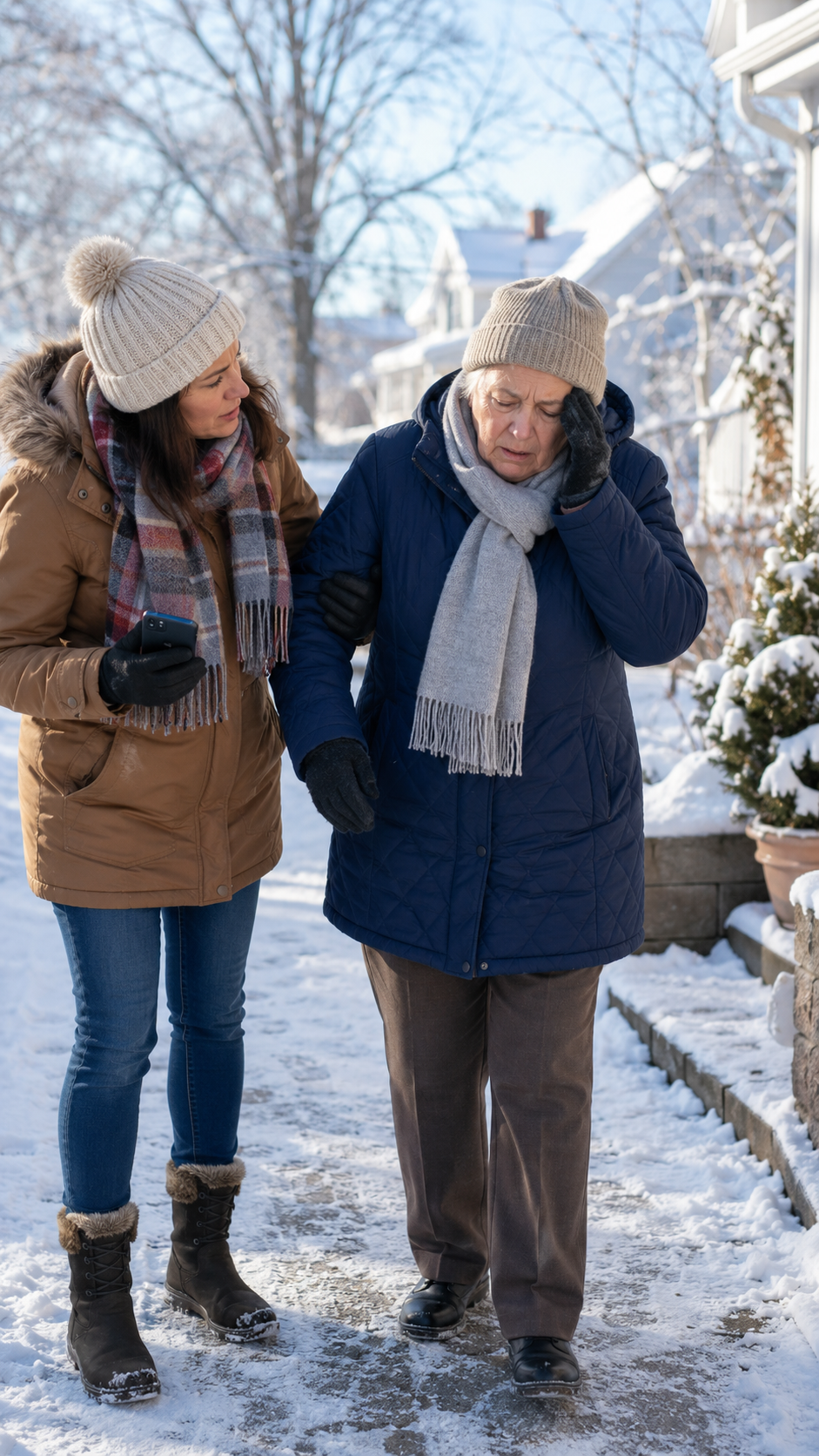
Winter Stroke Risk: Why Cold Weather Matters and How to Protect Yourself
Minjin Park
·
Winter brings holiday gatherings, snow-covered streets, and more time indoors—but it can also create extra challenges for cardiovascular health. Cold temperatures may narrow blood vessels, raise blood pressure, and make the heart work harder. At the same time, people often exercise less, eat more salty convenience foods, and change their daily routines during the colder months.
These factors do not mean that stepping outside on a cold day will automatically cause a stroke. A stroke usually develops through a combination of existing medical conditions and immediate triggers. However, winter weather can add stress to the circulatory system, particularly in people who already have high blood pressure, atrial fibrillation, diabetes, high cholesterol, or a history of stroke.
Understanding that connection makes it easier to prepare. Regular blood pressure checks, consistent medication use, warm clothing, safe exercise, and early recognition of stroke symptoms can all make winter safer.
Important: This article provides general health information and is not a substitute for personalized medical advice. Call 911 immediately if you or someone near you develops possible stroke symptoms.
A stroke occurs when part of the brain suddenly loses its normal blood supply.
Most strokes are ischemic strokes, which happen when a clot blocks an artery carrying blood to the brain. A hemorrhagic stroke occurs when a weakened blood vessel ruptures and causes bleeding in or around the brain.
In both situations, brain cells can be injured within minutes. The longer normal circulation remains interrupted, the greater the potential for permanent disability or death. This is why stroke symptoms should always be treated as an emergency rather than something to monitor at home.
A transient ischemic attack, often called a TIA or “mini-stroke,” causes temporary stroke-like symptoms. Although the symptoms may disappear, a TIA can warn that a larger stroke may follow. It still requires immediate emergency evaluation.
Does Stroke Risk Really Increase in Winter?
Research has found seasonal patterns in blood pressure and cardiovascular emergencies, but the relationship is not identical for every person or every location. Cold weather is better understood as a possible additional stressor—not a single direct cause of stroke.
When the body is exposed to cold, blood vessels near the skin contract to conserve heat. This response can raise blood pressure and increase the workload placed on the heart and arteries. According to the American Heart Association, cold-related blood-vessel constriction may increase the risk of heart attack, stroke, and cardiac arrest, especially when combined with strenuous activity.
A large analysis presented at the American Heart Association’s 2023 Hypertension Scientific Sessions found that average systolic blood pressure was slightly higher in winter and that blood pressure control rates declined during winter months. That does not prove that cold weather alone causes strokes, but it supports the importance of closer monitoring during seasonal changes.
Why Cold Weather Can Affect Stroke Risk
Several winter-related factors may come together to increase cardiovascular strain.
1. Cold Temperatures Can Raise Blood Pressure
Blood pressure often rises when blood vessels become narrower. The heart must generate more force to move blood through the circulatory system.
For someone with healthy blood vessels, this temporary change may not create a major problem. For a person with uncontrolled hypertension, narrowed arteries, or fragile blood vessels, the added pressure may be more concerning.
Winter sometimes turns normally inactive people into temporary heavy laborers. Snow shoveling, pushing a stuck car, carrying firewood, or walking quickly through deep snow can be surprisingly intense exercise.
Cold air is already causing the body to conserve heat and maintain blood pressure. Adding sudden strenuous activity forces the cardiovascular system to work even harder. This combination may be especially risky for older adults and people who are usually sedentary.
Start slowly, take breaks, and avoid holding your breath while lifting. People with cardiovascular disease, a previous stroke, uncontrolled blood pressure, or poor physical conditioning should ask a healthcare professional whether snow removal is safe for them.
3. Winter Habits May Make Risk Factors Harder to Control
Cold, dark days can disrupt healthy routines. People may become less active, gain weight, sleep irregularly, and rely more heavily on processed food.
Holiday meals, canned soups, instant noodles, cured meats, sauces, and packaged snacks can contain substantial amounts of sodium. Excess sodium can make blood pressure more difficult to control in salt-sensitive individuals.
Alcohol consumption may also increase during celebrations. Heavy or binge drinking can raise blood pressure and may trigger abnormal heart rhythms. Smoking remains another major concern because it damages blood vessels, reduces the blood’s oxygen-carrying capacity, and increases stroke risk.
4. Medication Routines Can Change
Travel, holiday schedules, illness, and altered sleeping patterns can lead people to miss doses of blood pressure medicine, cholesterol-lowering medication, diabetes medicine, or anticoagulants.
Missing a prescribed anticoagulant can be particularly dangerous for a person with atrial fibrillation. AFib allows blood to pool in the heart, where a clot may form and later travel to the brain. Blood-thinning medication may substantially reduce this risk when prescribed appropriately.
Do not skip, double, stop, or adjust cardiovascular medication without instructions from a healthcare professional—even if a home blood pressure reading appears normal.
People with hypertension, heart disease, an irregular heartbeat, or a history of stroke should speak with a pharmacist or clinician before using a decongestant. Also check multi-symptom products carefully so that you do not unknowingly take the same ingredient twice.
Who Needs to Be Especially Careful?
Anyone can experience a stroke, including younger adults. However, winter precautions are particularly important for people who have:
High blood pressure
Atrial fibrillation or another heart rhythm disorder
Diabetes
High LDL cholesterol
Coronary artery or peripheral artery disease
A previous stroke or TIA
Chronic kidney disease
Obesity
Sleep apnea
A history of smoking
Limited physical activity
A family history of stroke or cardiovascular disease
Difficulty staying warm because of age, illness, housing, or mobility limitations
Risk also generally increases with age, but age should never be used to dismiss symptoms in a younger person.
How to Prevent a Stroke During Winter
No prevention strategy can guarantee that a stroke will never occur. Still, controlling the major risk factors can significantly reduce the likelihood.
Check Your Blood Pressure Regularly
Because hypertension often has no symptoms, measurement is the only reliable way to know whether it is under control.
If you use a home monitor, choose a validated upper-arm device with the correct cuff size. Sit quietly before measuring and follow the manufacturer’s instructions. Try to take readings under similar conditions and keep a written or digital record.
A single unusual reading does not always mean that treatment has failed. However, repeated changes should be discussed with your healthcare team. Never change your medication dose based solely on home readings unless your clinician has given you a specific plan.
Use a pill organizer, phone reminder, calendar, or automatic refill service if winter travel and holiday schedules make medication routines difficult.
This includes medications prescribed for:
High blood pressure
High cholesterol
Diabetes
Atrial fibrillation
Blood-clot prevention
Other cardiovascular conditions
If a medication causes side effects or becomes too expensive, contact your clinician or pharmacist instead of stopping it suddenly. There may be another medication, dose, or assistance option available.
Dress Warmly and Limit Sudden Cold Exposure
Wear several light layers rather than depending on one heavy garment. Protect the head, hands, feet, and neck, and replace wet clothing promptly.
People with cardiovascular disease may want to warm up indoors before walking or working outside. When possible, avoid moving directly from a very warm room into extreme cold and immediately beginning strenuous activity.
During severe cold, consider moving outdoor exercise indoors. A hallway, shopping center, community center, treadmill, or home exercise routine can provide movement without prolonged exposure.
Stay Active—but Exercise Safely
Regular physical activity supports blood pressure, blood sugar, cholesterol, weight, mood, and sleep. Winter should not mean becoming completely inactive.
The key is consistency rather than occasional intense effort. Walking, stationary cycling, swimming in a heated indoor pool, resistance-band exercises, and guided online workouts can all be useful options.
If you exercise outdoors:
Check the weather and wind chill.
Wear dry, layered clothing.
Warm up gradually.
Begin at an easy pace.
Avoid isolated routes during dangerous weather.
Stop if you feel chest discomfort, unusual shortness of breath, severe weakness, dizziness, or confusion.
Ask your healthcare professional what level of activity is appropriate if you have cardiovascular disease or have previously had a stroke.
Be Careful When Shoveling Snow
Snow shoveling combines cold exposure, heavy lifting, pushing, twisting, and repeated upper-body effort. Wet snow is especially demanding.
If shoveling is safe for you, push the snow when possible instead of repeatedly lifting and throwing it. Work in short sessions, use a smaller shovel, and take frequent breaks. Do not smoke, eat a heavy meal, or drink alcohol immediately before shoveling.
Consider asking for help or using a snow-removal service if you have heart disease, prior stroke, poorly controlled blood pressure, serious mobility limitations, or low exercise tolerance.
Keep Sodium Under Control
Read nutrition labels and compare products rather than relying on whether food tastes salty. Bread, sauces, deli meats, frozen meals, restaurant food, and canned products can contribute significant sodium.
Build meals around vegetables, fruits, beans, whole grains, fish, nuts, and appropriate portions of lean protein. Choose lower-sodium products when available, rinse canned beans and vegetables, and flavor meals with herbs, spices, citrus, garlic, or vinegar.
Do not start potassium supplements or salt substitutes without medical advice, particularly if you have kidney disease or take medicines that affect potassium levels.
Stay Hydrated
People may feel less thirsty in cold weather, even while heated indoor air, illness, and physical activity contribute to fluid loss.
Drink water regularly unless a clinician has instructed you to restrict fluids because of heart, kidney, or another medical condition. Hydration supports normal body function, but it should not be presented as a substitute for blood pressure control, prescribed medication, or other proven preventive care.
Avoid Tobacco and Limit Alcohol
Smoking and other tobacco exposure damage blood vessels and substantially increase cardiovascular risk. Quitting helps at any age.
Alcohol does not need to be started for supposed heart benefits. If you drink, follow the limits recommended by your healthcare professional. People taking blood thinners or certain other medications should ask whether alcohol is safe at all.
Manage Diabetes, Cholesterol, AFib, and Sleep
Stroke prevention extends beyond blood pressure. Attend scheduled medical appointments and complete recommended tests for cholesterol, blood glucose, kidney function, and heart rhythm.
Report unexplained palpitations, an irregular pulse, fainting, or persistent shortness of breath. If you have AFib and take an anticoagulant, follow the schedule exactly and report unusual bleeding to your healthcare team.
Good-quality sleep is also part of cardiovascular health. Loud snoring, gasping during sleep, morning headaches, and excessive daytime sleepiness can be signs of sleep apnea, which should be medically evaluated.
These habits align with the American Heart Association’s Life’s Essential 8, which focuses on diet, activity, nicotine exposure, sleep, weight, cholesterol, blood sugar, and blood pressure.
Know the FAST Warning Signs of Stroke
Prevention matters, but recognizing a stroke quickly can save brain function and life. Use the FAST reminder:
F — Face drooping: Ask the person to smile. Is one side uneven?
A — Arm weakness: Ask the person to raise both arms. Does one drift downward?
S — Speech difficulty: Is speech slurred, strange, or difficult to understand?
T — Time to call 911: Call immediately if any one of these signs appears.
Other stroke symptoms may include sudden vision loss, double vision, confusion, severe headache, numbness or weakness on one side, dizziness, loss of balance, or difficulty walking. The CDC emphasizes that every minute counts and advises calling 911 immediately for sudden stroke symptoms.
Do not drive the person to the hospital unless emergency services are genuinely unavailable. An ambulance can begin assessment on the way, alert the hospital, and take the patient to an appropriate facility.
Note the time the symptoms first appeared—or the last time the person was known to be normal. This information may affect treatment decisions. Do not give aspirin, food, drinks, or additional medication unless emergency professionals instruct you to do so. Some strokes involve bleeding, and aspirin could make that bleeding worse.
Even if the symptoms disappear after a few minutes, call 911. A possible TIA is not something to schedule for a later appointment.
A Safer Winter Starts With Preparation
Cold weather is only one part of the stroke-risk picture, but it can expose weaknesses in blood pressure control, medication routines, physical conditioning, and cardiovascular health. Prepare before the coldest days arrive: check your blood pressure, refill medications, make an indoor exercise plan, arrange help with snow removal, and teach the people in your household to recognize FAST.
Which winter habit do you think is most difficult to maintain—regular exercise, healthy eating, blood pressure monitoring, or consistent medication use? Share your experience and your best winter health tip in the comments below.
Hi, I’m the creator and editor behind ZestyHabit. I research everyday safety, first aid, and practical wellness topics using official guidance and reliable public sources, then turn that information into clear, realistic steps for daily life.
My goal is to help readers make safer, better-informed choices at home and beyond.