Alcohol Poisoning in Pets: Toxic Sources, Symptoms, and Emergency First Aid
Minjin Park
·
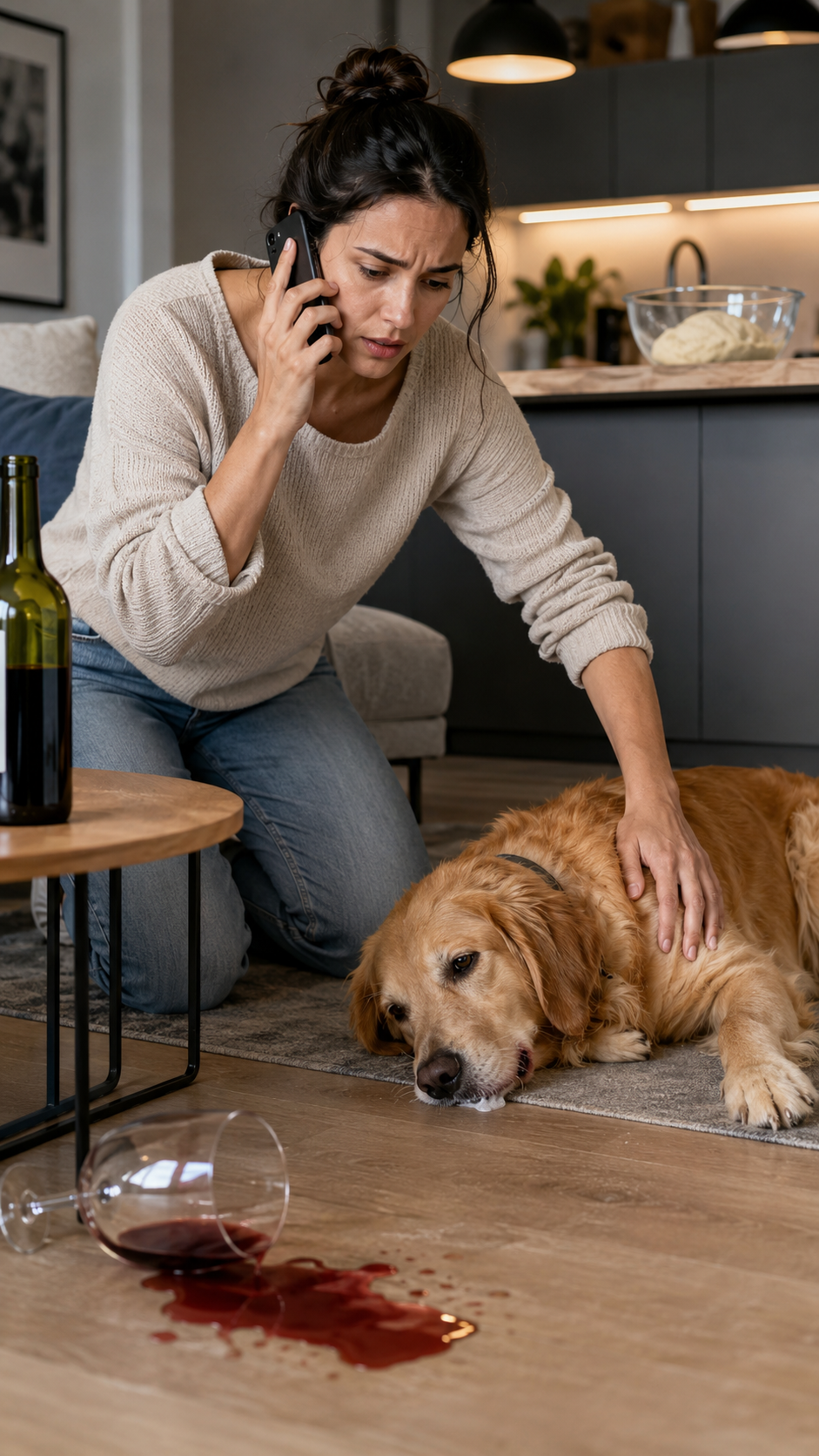
A half-finished cocktail on a coffee table may not look like a serious household hazard. Neither does a bottle of hand sanitizer, a bowl of rising bread dough, or a small amount of mouthwash spilled on the floor. For a dog, cat, or other companion animal, however, these products can cause alcohol poisoning—and symptoms may develop quickly.
Pets do not need to drink straight liquor to be exposed. Alcohol may be present in beverages, desserts, medications, cleaning products, perfumes, disinfectants, and personal-care products. It can also be produced inside raw yeast dough as the dough ferments.
Alcohol is rapidly absorbed through the digestive tract, and some forms can also be absorbed through the skin. Poisoning can depress the central nervous system, lower blood sugar and body temperature, disrupt breathing, and lead to seizures, coma, or death in severe cases.
Any known or suspected alcohol exposure should be treated seriously. Do not wait for a pet to “act drunk” before calling a veterinarian.
Emergency note: This article provides general safety information and cannot replace veterinary care. Contact your veterinarian or an animal poison-control service immediately after a suspected exposure. A pet that is unconscious, struggling to breathe, collapsing, or having seizures needs emergency veterinary treatment without delay.
Alcohols are chemicals that are quickly distributed throughout the body after ingestion. They primarily affect the brain and nervous system, but they can also interfere with blood sugar, body temperature, blood pressure, heart function, breathing, and the body’s acid-base balance.
The three alcohols most often associated with poisoning in companion animals are:
Ethanol, found in alcoholic beverages, some sanitizers, liquid medicines, mouthwash, fermented foods, and raw yeast dough
Isopropanol, found in rubbing alcohol, some sanitizers, disinfectants, cleaning products, and certain flea sprays
Methanol, which may be found in windshield-washer fluid, solvents, and some industrial products
Isopropanol is considered approximately twice as toxic as ethanol in animals. Alcohol can be absorbed through both the gastrointestinal tract and skin, which means a pet does not always have to swallow a product to become ill. Excessive application of an alcohol-based flea spray, for example, can result in poisoning through skin exposure and grooming.
All animal species may be affected. A pet’s risk depends on the type and concentration of alcohol, the amount involved, body weight, age, health status, route of exposure, and how quickly treatment begins. Small dogs, cats, puppies, kittens, and medically fragile animals can be especially vulnerable to a relatively small quantity.
Common Sources of Alcohol Exposure in Pets
Most owners would never intentionally offer alcohol to an animal. Accidental poisoning usually happens because the source was not recognized or was left within reach.
Alcoholic Beverages
Beer, wine, hard liquor, cocktails, liqueurs, and mixed drinks all contain ethanol. A curious dog may drink from an unattended glass, knock over a cup, or lick a spill. Cats may also investigate sweet, creamy, or strongly scented drinks.
The alcohol percentage matters, but there is no safe reason to let a pet sample any alcoholic beverage. A few laps from a high-proof drink may be far more concerning than the same volume of a lower-alcohol beverage, particularly in a small animal.
Cocktails can contain additional toxic ingredients, including chocolate, coffee, caffeine, grapes, raisins, macadamia nuts, or xylitol-containing mixers. These combined exposures can make the situation more complicated than alcohol poisoning alone.
Raw Yeast Dough
Unbaked bread or pizza dough creates two separate emergencies.
As yeast ferments carbohydrates, it produces ethanol. The warm stomach environment can allow fermentation to continue after the dough is swallowed, exposing the animal to alcohol from inside the digestive tract.
At the same time, the dough can expand and create painful gas accumulation and stomach distention. In severe cases, the stomach may twist, creating a life-threatening condition that requires immediate treatment.
A dog that eats raw yeast dough should be evaluated promptly even if no alcohol was poured into the recipe.
Hand Sanitizer and Disinfectants
Many hand sanitizers contain ethanol or isopropanol. Pets may lick freshly applied sanitizer from a person’s hands, chew a travel-size bottle, or walk through a spill and later groom their paws.
One quick lick from dry hands is different from swallowing liquid directly from a container, but the product concentration, amount, and pet’s size must be considered. Call a veterinary professional rather than attempting to estimate the risk at home.
Rubbing Alcohol
Rubbing alcohol commonly contains isopropanol, although some formulations use ethanol. It should never be poured onto a pet, used to reduce a fever, applied as a flea remedy, or used to clean large areas of skin.
A pet may swallow rubbing alcohol directly, lick it from its coat, or absorb it through skin after excessive application. Isopropanol can cause serious neurological and metabolic effects at relatively low doses.
Mouthwash, Perfume, and Personal-Care Products
Mouthwash, perfume, cologne, body spray, aftershave, hair products, and some cosmetics may contain alcohol. Pets may be attracted to sweet flavors, strong scents, or an interesting bottle.
These products may also contain other hazardous ingredients, so the label and packaging should be taken to the veterinary clinic.
Medicines and Supplements
Some liquid medications, herbal tinctures, flavor extracts, and elixirs use alcohol as a solvent. Never give a human medication to a pet unless a veterinarian has prescribed the exact product and dose.
The active medication itself may be toxic in addition to the alcohol. Sugar-free liquid products may also contain xylitol, which can cause a dangerous drop in blood sugar and, in dogs, possible liver injury.
Cleaning and Automotive Products
Certain glass cleaners, disinfectants, solvents, canned fuels, paint removers, and windshield-washer fluids contain alcohols. Methanol is especially associated with some windshield-washer products.
Do not assume that every automotive fluid presents the same toxic risk. Bring the exact product label or safety data information to the veterinarian so the ingredients can be identified correctly.
Fermenting or Rotten Food
Overripe or fermenting fruit, discarded food, and improperly stored food waste may produce ethanol. Outdoor pets may encounter fermenting fruit beneath trees, while indoor animals may raid compost bins or garbage cans.
Food exposures can involve alcohol, mold toxins, foreign material, or other hazardous ingredients at the same time.
Symptoms of Alcohol Poisoning in Pets
Signs may begin within approximately 15 to 90 minutes after a significant exposure, although timing varies with the product, amount, route of exposure, stomach contents, and individual animal. Alcohol levels may continue rising after the first symptoms appear.
Early signs can resemble human intoxication and may include:
Unsteady walking or loss of coordination
Unusual sleepiness or lethargy
Weakness
Disorientation
Drooling
Nausea or vomiting
Diarrhea
Increased thirst or urination
A noticeable alcohol odor on the breath
Behavioral changes or reduced responsiveness
As poisoning becomes more severe, a pet may develop:
Alcohol acts as a powerful central nervous system depressant. A pet that first seems mildly wobbly can become profoundly sedated as more alcohol is absorbed.
Vomiting creates an additional concern. A heavily sedated animal may be unable to protect its airway and can inhale vomit into the lungs, potentially leading to aspiration pneumonia.
What to Do Immediately After an Alcohol Exposure
1. Remove the Pet From the Source
Take away the drink, food, sanitizer, chemical, or contaminated material. Move other pets out of the area as well.
Do not spend valuable time cleaning the entire room before seeking help. Prevent further exposure, check the animal’s condition, and make the call.
2. Contact a Veterinarian Immediately
Call your regular veterinarian, the nearest emergency veterinary hospital, or an animal poison-control service. Do this even when the pet currently appears normal, because toxic effects may be delayed until more alcohol has entered the bloodstream.
In the United States, the ASPCA Animal Poison Control Center can be reached at 888-426-4435. Pet Poison Helpline is available at 855-764-7661. Consultation fees may apply.
ASPCA guidance emphasizes contacting a veterinary professional promptly rather than waiting for symptoms or following unverified internet remedies.
3. Gather the Product Information
Be ready to provide:
Your pet’s species, breed, age, weight, and medical history
The product name
The type and percentage of alcohol, when listed
Other ingredients in the product
The estimated amount swallowed or spilled
The time of exposure
Symptoms already present
Whether the exposure involved swallowing, skin contact, eyes, or inhalation
Take the container, label, packaging, recipe, or a clear photograph with you. Do not discard vomit or chewed packaging until the veterinary team has determined whether it may help identify the exposure.
4. Do Not Induce Vomiting Unless Instructed
Do not give hydrogen peroxide, salt, mustard, oil, milk, food, charcoal, or another homemade treatment unless a veterinarian or veterinary toxicologist specifically tells you to do so.
Inducing vomiting can be dangerous when an animal is already drowsy, uncoordinated, trembling, or having trouble swallowing. The pet could inhale vomit into the lungs.
Activated charcoal is generally not very effective at binding small-chain alcohols and is not routinely recommended for alcohol poisoning.
Whether veterinary staff induce vomiting depends on the type of alcohol, amount, timing, and whether neurological symptoms have begun. This decision should not be made at home.
5. Handle Skin Exposure Carefully
When an alcohol-containing product has soaked the fur or skin, prevent the pet from licking the area. Remove a contaminated collar, harness, clothing, or bedding.
Veterinary guidance may include bathing the animal with mild shampoo for dermal exposure. Call before bathing when the pet is weak, cold, trembling, or having neurological symptoms, because bathing could worsen hypothermia or delay emergency transport.
Wear gloves if the product could also be hazardous to people.
When to Go Straight to an Emergency Veterinary Hospital
Do not wait for a telephone consultation when the pet is:
Unconscious or difficult to wake
Collapsing
Having a seizure
Struggling to breathe
Breathing unusually slowly
Unable to stand
Repeatedly vomiting while very sleepy
Trembling severely
Becoming cold to the touch
Rapidly losing responsiveness
ASPCA guidance recommends taking an animal directly to a veterinary clinic when it is unconscious, having difficulty breathing, bleeding, or experiencing seizures.
Call the clinic while traveling when possible so staff can prepare. Keep the pet warm and quiet, but do not place direct heating pads or very hot water against the skin. Position a vomiting or heavily sedated pet so material can drain from the mouth without obstructing breathing, provided this can be done safely.
How Veterinarians Treat Alcohol Poisoning
There is no single antidote that immediately reverses most alcohol poisoning in pets. Treatment focuses on limiting additional absorption when appropriate and supporting the body while the alcohol is metabolized and eliminated.
Depending on the exposure and symptoms, veterinary care may include:
Careful decontamination
Intravenous fluids
Dextrose to correct low blood sugar
Controlled warming for hypothermia
Oxygen or respiratory support
Medication to control seizures or vomiting
Correction of electrolyte or acid-base abnormalities
Monitoring of blood glucose, blood pressure, temperature, heart rate, and breathing
Hospitalization for neurological and cardiovascular observation
The veterinarian may perform blood tests to check glucose, electrolytes, organ function, and metabolic changes. Diagnosis often relies heavily on the exposure history and the pattern of clinical signs rather than a human-style breathalyzer test.
With prompt treatment, the outlook can be excellent. Prognosis becomes more guarded when treatment is delayed, the pet develops respiratory failure or coma, or the product contains additional toxic substances.
How to Prevent Alcohol Poisoning at Home
Keep all alcoholic beverages above pet level and clear glasses promptly after parties. Remember that a chair, couch, or low side table can give a dog access to surfaces that normally seem out of reach.
Store sanitizers, rubbing alcohol, perfume, mouthwash, liquid medications, cleaning products, and automotive fluids in closed cabinets. Secure garbage and compost containers, and never leave raw yeast dough rising where a pet can reach it.
During gatherings, consider placing pets in a comfortable room away from drink tables and food preparation. Ask guests not to offer beer, cocktails, alcohol-soaked desserts, or “just a taste.”
Never use rubbing alcohol to cool an overheated pet or as a homemade flea treatment. Contact a veterinarian for safe fever, overheating, parasite-control, and wound-care advice.
Finally, save the phone numbers for your regular veterinarian, nearest emergency clinic, and pet poison-control service before an emergency happens. Quick access to accurate guidance can make a major difference.
Frequently Asked Questions
Can one sip of beer harm a dog?
The risk depends on the dog’s size, the amount swallowed, the beverage’s alcohol concentration, and other ingredients. A tiny lick may not produce the same risk as drinking from a glass, but owners should not guess. Call a veterinarian with the product and estimated amount.
Is alcohol more dangerous for cats?
All pets can be poisoned, and cats may be particularly sensitive. Their smaller body size also means a relatively small volume can represent a meaningful dose.
Can pets safely eat food cooked with alcohol?
Some cooked foods may retain alcohol, depending on the recipe and cooking method. They may also contain onions, garlic, chocolate, raisins, xylitol, or excessive fat. The safest approach is not to feed alcohol-containing human dishes to pets.
Will giving water dilute the alcohol?
Do not force water into a pet’s mouth. A weak or sedated animal may aspirate it. Call a veterinary professional before offering food, water, or medication after a poisoning exposure.
Can hand sanitizer poison a pet through the paws?
Alcohol can be absorbed through the skin, and a pet may swallow additional product while grooming. Prevent licking, remove the pet from the spill, and contact a veterinarian for product-specific instructions.
Final Thoughts
Alcohol poisoning in pets can begin with an ordinary household accident: an unattended drink, a chewed sanitizer bottle, spilled rubbing alcohol, or raw dough left rising on the counter. Because alcohol is absorbed quickly and early symptoms can progress from wobbliness to dangerous nervous-system and respiratory depression, waiting to see what happens is not a safe strategy.
Remove the source, contact a veterinarian or animal poison-control service immediately, preserve the packaging, and avoid inducing vomiting or giving home remedies unless directed. Prompt veterinary treatment gives many affected pets an excellent chance of recovery.
Has your dog, cat, or other pet ever gotten into an alcoholic drink, raw dough, sanitizer, or another unexpected alcohol-containing product? Share what happened and the safety changes you made afterward in the comments. Your experience may help another pet owner recognize a hidden household hazard before an emergency occurs.
Hi, I’m the creator and editor behind ZestyHabit. I research everyday safety, first aid, and practical wellness topics using official guidance and reliable public sources, then turn that information into clear, realistic steps for daily life.
My goal is to help readers make safer, better-informed choices at home and beyond.