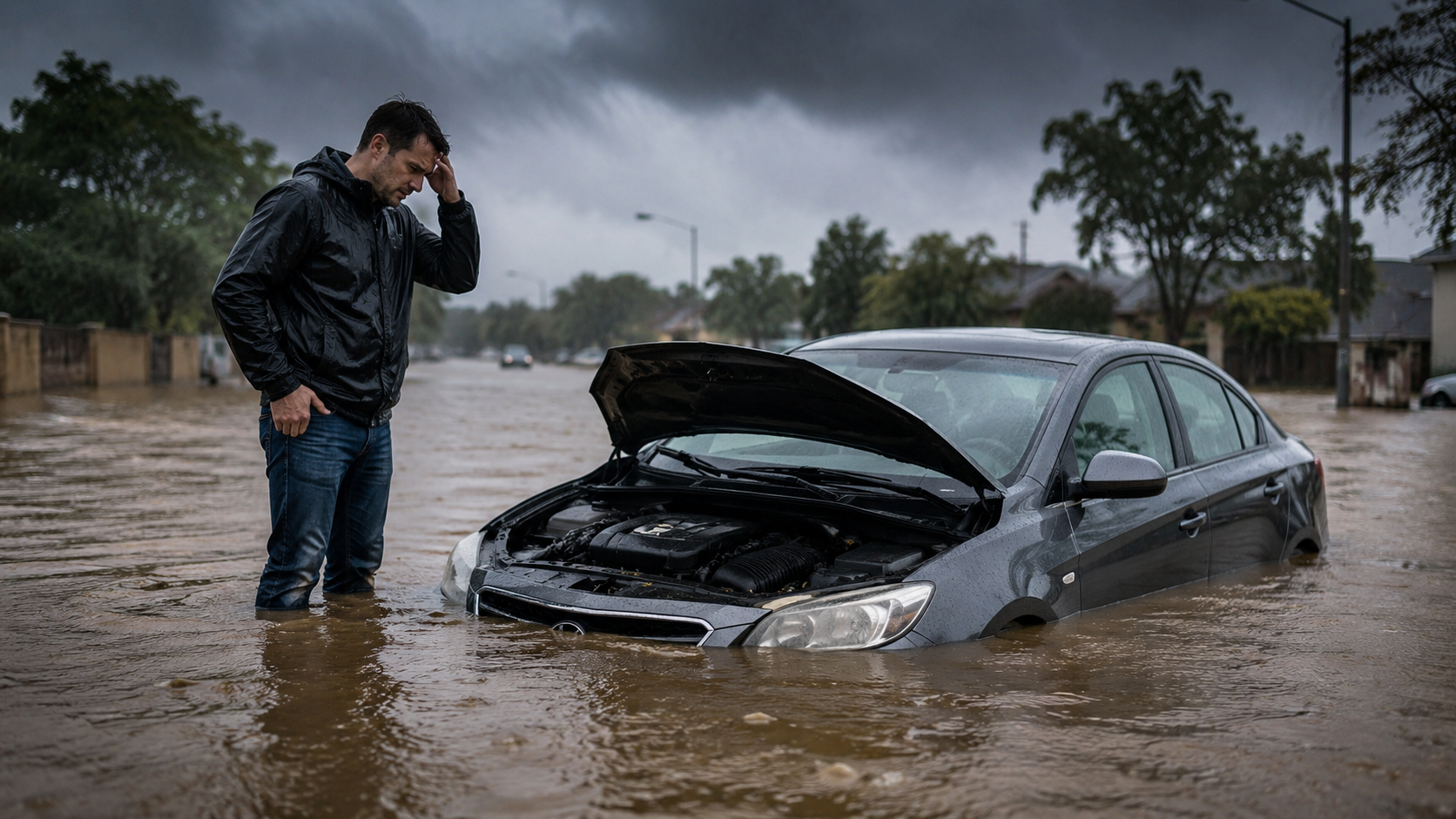
Why You Should Never Restart a Flooded Car After It Has Been in Water
Minjin Park
·
A flooded car may look harmless once the water recedes, but restarting it can cause serious engine, electrical, and safety problems. Learn why it matters and what to do instead.
Why a Flooded Car Is Not “Fine” Just Because It Looks Fine
After heavy rain, flash flooding, or a storm surge, it is natural to want to check your car as soon as possible. Maybe the water has gone down. Maybe the car is still sitting in the driveway, parking lot, or on the side of the road. From the outside, it may not look too bad.
The first thought many people have is simple: “Let me start it and see if it still runs.”
That instinct is understandable, but it can be a very expensive mistake.
A car that has been sitting in floodwater is not just wet on the outside. Water may have reached the engine, air intake, exhaust system, transmission, electrical wiring, computer modules, brakes, carpets, and hidden body cavities. Even if the water level did not seem very high, moving water can splash, seep, and carry debris into places you cannot see.
Restarting a flooded vehicle can turn a repairable situation into a major mechanical failure. In some cases, it can also create electrical risks, smoke, strange odors, or long-term problems that do not appear right away.
This does not mean every water-exposed car is automatically ruined. It means the safest and smartest first step is to not start it until it has been inspected properly.
What Happens When Water Gets Into a Car Engine?
Engines Need Air, Fuel, and Compression — Not Water
A gasoline engine is designed to pull in air, mix it with fuel, compress that mixture, and ignite it. Water changes that completely.
Air can be compressed inside the engine’s cylinders. Water cannot compress the same way. If water has entered the engine through the air intake, starting the car may force the pistons to push against trapped water. That can cause a condition often called hydrolock.
Hydrolock can bend connecting rods, damage pistons, crack engine parts, or stop the engine suddenly. What might have been a situation requiring cleaning and inspection can quickly become an engine replacement.
This is one of the biggest reasons mechanics warn drivers not to “just try it.”
The Air Intake May Be Lower Than You Think
Many drivers assume water would need to reach the hood before it becomes an engine problem. That is not always true.
Depending on the vehicle, the air intake may sit lower than expected. Floodwater does not need to cover the entire car to create trouble. If a car was driven through deep water or sat in water while waves or passing vehicles pushed water around, the intake may have pulled in moisture or debris.
SUVs and trucks may sit higher than small sedans, but they are not immune. A taller vehicle can still suffer engine damage if water gets into the wrong place.
Why Restarting Can Make Damage Worse
It Moves Water Through Systems That Should Stay Dry
When you turn the key or press the start button, the car begins moving fluids, sending electrical signals, engaging sensors, and activating mechanical parts. That is normal when the vehicle is dry. It is not normal after flooding.
If water is sitting in the engine, fuel system, exhaust, or electrical connectors, starting the car can spread it deeper. It may push contaminated water through areas that could have been drained, cleaned, or dried first.
Think of it like turning on a wet appliance without checking the inside. The outside may look okay, but the act of powering it up can create new problems.
It Can Hide the Original Cause of Damage
Starting a flooded car may also make it harder for a mechanic or insurance adjuster to understand what happened. Once the engine has been cranked, damaged, or overheated, it may be more difficult to tell which issues came from the flood and which came from trying to restart the vehicle afterward.
From a practical standpoint, documenting the car before touching anything is usually a better first move than experimenting with the ignition.
Electrical Problems Can Be Just as Serious as Engine Problems
Modern Cars Are Full of Electronics
Today’s vehicles are not just engines and wheels. They rely on sensors, wiring harnesses, control modules, cameras, seat motors, airbag systems, infotainment screens, keyless entry, power windows, and many other electronics.
Floodwater does not need to completely submerge a car to affect these systems. Water can seep under carpets, behind panels, into door cavities, and under seats. Some important electronic modules are mounted low in the vehicle, where water collects first.
Even after the car dries, corrosion can continue developing. That means a flooded car may seem normal one day and begin showing problems weeks later.
Warning Signs of Flood-Related Electrical Trouble
After a vehicle has been exposed to water, warning signs may include flickering dashboard lights, random warning messages, power windows that stop working, a musty odor, wet carpeting, malfunctioning locks, a dead battery, or electronics that work only sometimes.
Another red flag is a vehicle that starts but behaves strangely. Maybe the lights flash, the horn chirps unexpectedly, the screen freezes, or the engine runs roughly. These symptoms should not be ignored.
Water and electrical systems do not mix well, and floodwater is rarely clean. It may contain mud, road salt, fuel, oil, sewage, lawn chemicals, or other contaminants that make corrosion more likely.
Floodwater Is Dirtier Than It Looks
It Can Carry Mud, Sand, and Debris
A flooded street or parking lot may look like ordinary rainwater, but it often contains grit and debris. That material can get into brakes, wheel bearings, suspension parts, radiator fins, and underbody components.
Mud and sand can act like abrasive material. If they settle into moving parts, they can cause wear or noise later. Even if the car starts, that does not mean the brakes, steering, or suspension are in good condition.
It Can Contaminate Fluids
Cars depend on clean fluids: engine oil, transmission fluid, brake fluid, coolant, power steering fluid in some vehicles, and differential fluid in trucks and SUVs. Floodwater can contaminate some of these fluids, especially if seals, vents, or caps were exposed.
Milky-looking oil, unusual fluid levels, strange smells, or foamy residue can be clues that water has mixed with a vehicle fluid. Starting the engine or driving the car can circulate contaminated fluid and increase damage.
A vehicle that has been in water should be checked before being driven, not after it has already been tested on the road.
Common Mistakes People Make After a Car Floods
Mistake 1: Starting It “Just for a Second”
Many people think a quick test cannot hurt. Unfortunately, even a brief crank can cause damage if water is inside the engine. It does not take a long drive to create a serious problem.
The better approach is simple: do not start it until someone qualified has inspected it.
Mistake 2: Assuming Low Water Means Low Risk
Water does not have to reach the windows or dashboard to cause trouble. Water around the wheels, floorboards, or lower doors can still affect brakes, wiring, carpeting, connectors, and lower-mounted modules.
A few inches of water in the wrong place can matter more than people realize.
Mistake 3: Waiting Too Long to Dry the Interior
If water entered the cabin, time matters. Wet carpet, padding, and insulation can hold moisture for a long time. That can lead to musty odors, mold concerns, rust, and electrical corrosion under the floor.
Even when the seats feel dry on top, the padding underneath may still be soaked.
Mistake 4: Driving Away Because the Engine Starts
A car that starts is not automatically safe to drive. The brakes may be wet or contaminated. The steering or electrical systems may behave unpredictably. Warning lights may appear after the vehicle has warmed up.
Starting is only one small part of vehicle safety. Flood exposure requires a broader inspection.
Mistake 5: Forgetting to Take Photos
Before moving items, cleaning, or arranging repairs, it is helpful to take clear photos and videos of the vehicle. Capture the water line if visible, wet interior areas, mud, debris, license plate, dashboard, odometer, and surrounding conditions.
Photos can help you remember details and may be useful when speaking with insurance, a repair shop, or a towing company.
What You Should Do Instead of Restarting the Car
Step 1: Stay Away From Moving Water
If the flooding is still active, focus on your own safety first. Do not walk into moving water just to check the vehicle. Floodwater can hide open drains, sharp debris, uneven pavement, and electrical hazards.
A car can be repaired or replaced. Personal safety comes first.
Step 2: Do Not Turn the Key or Press Start
Even if you are curious, avoid starting the vehicle. Also avoid turning on electronics, windows, lights, or accessories unless a professional has advised it is safe.
In many newer vehicles, even opening doors or pressing buttons can wake up electrical systems. That does not mean you should panic, but it is a good reason to keep unnecessary actions to a minimum.
Step 3: Document the Condition
Take photos from multiple angles. Look for water lines on the doors, bumpers, tires, seats, and interior panels. Photograph wet floor mats, mud, debris, and any dashboard warning messages if they are visible without starting the car.
Write down the date, location, estimated water depth, and how long the vehicle may have been exposed.
Step 4: Contact Your Insurance Company
If you carry comprehensive coverage, flood damage may be part of your policy. Coverage varies, so it is best to ask your insurer what steps they want you to take.
They may recommend towing, inspection, or a specific claims process. They may also tell you not to attempt repairs before documentation is complete.
Step 5: Arrange a Tow
A flooded vehicle should usually be towed rather than driven. Let the towing company know the car was in water. That helps them handle it appropriately.
Do not assume that a short drive to the shop is harmless. A few miles can be enough to spread contaminated fluids, worsen engine damage, or create braking concerns.
Step 6: Have It Inspected Before Use
A proper inspection may include checking the engine intake, oil, transmission fluid, battery, electrical modules, carpets, brakes, wheel bearings, exhaust, and interior moisture. The exact process depends on the vehicle and how deep the water was.
For hybrids and electric vehicles, it is especially important to let trained technicians handle the situation. High-voltage systems require extra caution and should not be treated like ordinary wet electronics.
Warning Signs That Water Reached Important Parts
Visible Signs
Look for water stains on the seats, doors, dashboard, or trunk lining. Check for mud in the wheel wells, under the floor mats, in the spare tire area, or around seat tracks. A clear water line on the exterior or interior is an important clue.
Foggy interior glass, damp seat belts, or wet carpet edges can also suggest moisture inside the cabin.
Smell and Texture Clues
A musty smell is one of the most common signs of hidden water. The interior may feel humid even when surfaces look dry. Carpet padding may stay wet underneath while the top layer feels only slightly damp.
Do not rely only on what you can see. Floodwater often hides under trim and insulation.
Dashboard and Driving Clues
If the car has already been started, warning lights, rough idling, stalling, strange sounds, delayed shifting, weak brakes, or flickering electronics can suggest flood-related damage.
At that point, it is wise to stop driving and have the vehicle checked. Continuing to drive may turn a smaller issue into a larger one.
Prevention Tips Before Heavy Rain or Flooding
Park Higher When Storms Are Expected
If heavy rain is forecast and you live in a flood-prone area, consider moving your car to higher ground early. Avoid low parking lots, underpasses, creekside roads, and underground garages when flooding is possible.
The best way to avoid flood damage is to prevent the vehicle from sitting in water in the first place.
Know Your Neighborhood’s Low Spots
Every community has places where water collects. It may be the dip near a railroad crossing, the apartment parking lot entrance, a low driveway, or a street that always floods during heavy rain.
Pay attention to these patterns. Everyday awareness can save you from rushing into a bad decision during a storm.
Keep Insurance Details Handy
It helps to know whether your auto policy includes comprehensive coverage before a storm happens. Keep your insurer’s contact information available and understand the general claims process.
You do not need to become an insurance expert. Just knowing who to call and what your policy roughly includes can reduce stress later.
Prepare a Simple Car Emergency Kit
A basic kit with a flashlight, phone charger, gloves, bottled water, paper towels, and a small notebook can be useful in many situations. For flood-prone areas, keeping important documents backed up digitally is also smart.
The goal is not to prepare for every possible disaster. It is simply to make stressful moments easier to manage.
A Practical Example: The Parking Lot After a Storm
Imagine your car was parked outside an apartment building during a heavy overnight storm. In the morning, the water has receded. You see leaves stuck to the tires and a faint muddy line near the bottom of the doors. The floor mats feel a little damp, but the dashboard looks normal.
It is tempting to start the engine and drive to work. After all, the car does not look “flooded.”
But that muddy line tells you water was high enough to reach areas you cannot inspect easily. Moisture may be under the carpet. Electrical connectors may be wet. The brakes may have debris around them. If water reached the air intake, starting the engine could be costly.
A calmer approach would be to take photos, avoid starting the car, call your insurer, and arrange an inspection. It may feel inconvenient in the moment, but it protects you from making the damage worse.
What About Cars That Were Only Splashed?
Not every wet car is a flooded car. Driving through ordinary rain or shallow puddles is different from sitting in rising water or driving through a flooded road.
The concern grows when water reaches the lower doors, enters the cabin, covers part of the wheels, splashes near the engine intake, or leaves mud and debris behind. Moving floodwater is also more concerning than a normal rainy street because it can push water into places it would not normally go.
When in doubt, avoid restarting and get advice from a qualified mechanic or your insurance company.
Conclusion: Pause Before You Press Start
A flooded car can be deceptive. Once the water goes down, it may look like the worst is over. But hidden water can remain in the engine, electronics, fluids, brakes, and interior long after the surface looks dry.
Restarting the vehicle too soon can cause engine damage, spread contaminated fluids, worsen electrical problems, and make repairs more complicated. The smarter habit is to pause, document the condition, avoid turning the car on, and arrange a proper inspection.
Flood situations are stressful enough without adding preventable car damage. A few careful steps can protect your vehicle, your wallet, and your peace of mind.
Hi, I’m the creator and editor behind ZestyHabit. I research everyday safety, first aid, and practical wellness topics using official guidance and reliable public sources, then turn that information into clear, realistic steps for daily life.
My goal is to help readers make safer, better-informed choices at home and beyond.