What to Do First If a Fire Starts at Home: A Calm, Practical Safety Guide
Minjin Park
·
Learn what to do first if a fire starts at home, including how to react quickly, avoid common mistakes, escape safely, and prepare your family before an emergency happens.
A house fire is one of those situations most people hope they will never face. Because of that, many families do not talk about it until a smoke alarm goes off, something smells wrong, or a small kitchen flare-up suddenly feels bigger than expected.
The problem is that fire does not give people much time to think clearly. Smoke can spread fast. A familiar hallway can become hard to see. A room you know perfectly well in daylight may feel confusing when an alarm is sounding and everyone is startled.
That is why the most important question is simple: What should you do first if there is a fire at home?
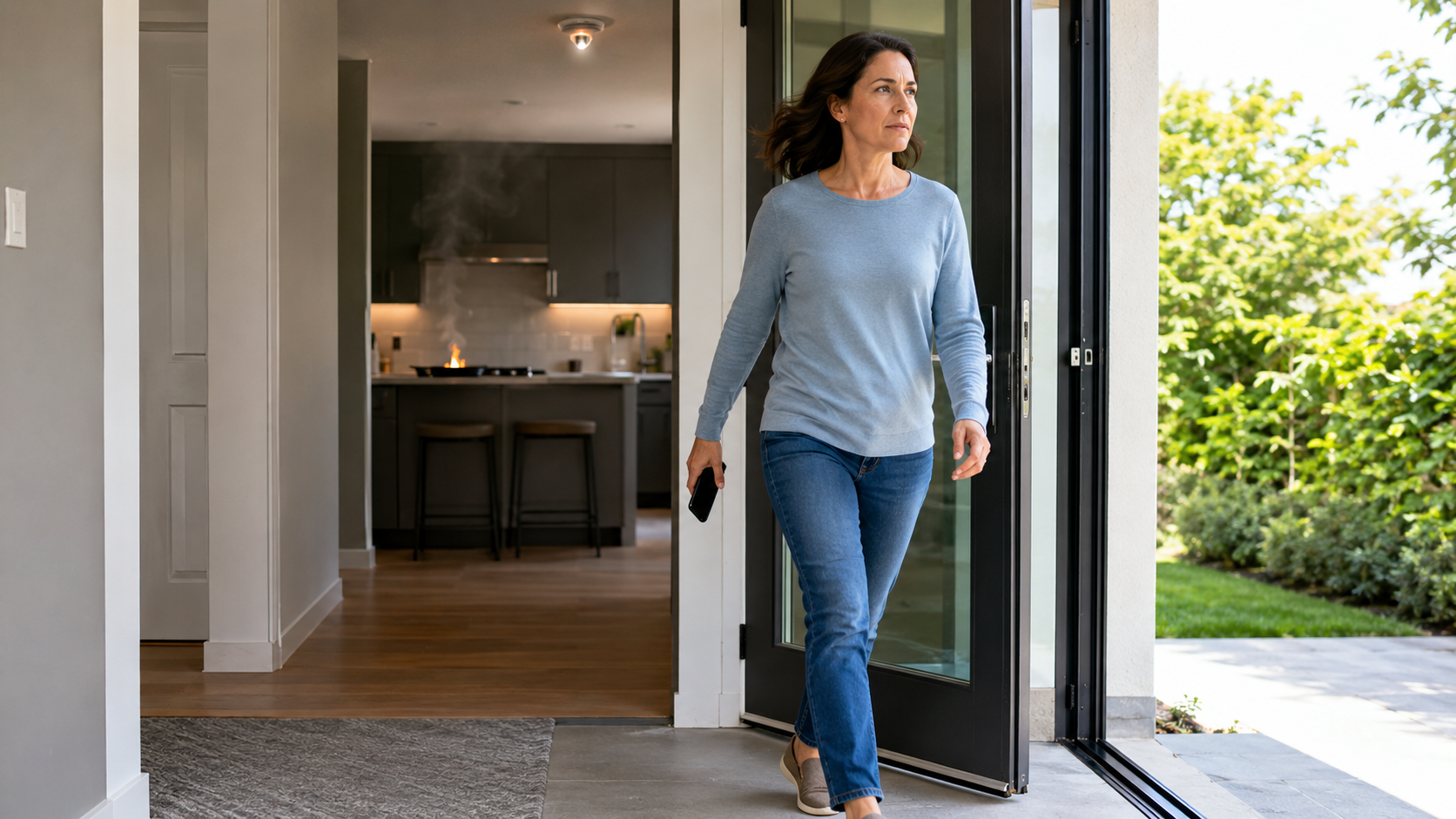
The answer is not to grab valuables. It is not to investigate every room. It is not to fight the fire if you are unsure. The first priority is to get people out safely and call for help from a safe location.
This article is not meant to scare you. It is meant to make the first steps easier to remember, especially for everyday families, renters, apartment residents, pet owners, older adults, and parents with children at home.
A calm plan made before anything happens can make a stressful moment much less confusing.
The First Thing to Do: Get Out and Alert Others
If you see flames, smell smoke, hear a smoke alarm, or notice signs of a possible fire, your first job is to alert anyone nearby and start moving toward safety.
In a real fire, seconds matter. It is easy to freeze for a moment because your brain wants to understand what is happening. But you do not need to fully investigate before taking action. If something looks or smells like fire, treat it seriously.
Say it out loud in a clear voice: “Fire. Get out now.”
That may sound too simple, but direct words help people respond faster. Avoid vague phrases like “Something’s wrong” or “Come look at this.” In an emergency, people need clear instructions.
Wake Sleeping Family Members
If the fire happens at night, wake others immediately. Call their names, knock on doors, and tell them to leave the home.
This is especially important for children, older adults, people who sleep deeply, and anyone who may not hear or understand the alarm right away.
If you have children, it helps to practice this ahead of time. Some children hide when scared, especially during loud alarms. They may go under a bed, into a closet, or behind furniture. Teaching them ahead of time to respond to a smoke alarm can make a big difference.
Do Not Stop to Collect Belongings
One of the most common mistakes people make is trying to grab phones, wallets, laptops, documents, jewelry, or sentimental items before leaving.
It is understandable. People think, “It will only take a second.” But a second can turn into a minute, and smoke can change conditions quickly.
Your belongings can be replaced. Your safety cannot. If there is a fire, leave first. You can call for help once you are outside or from a neighbor’s phone if needed.
If There Is Smoke, Stay Low
Smoke is often more dangerous than the flames themselves. It can make it hard to breathe, hard to see, and hard to think clearly.
If smoke is in the room or hallway, get low and move toward your exit. Smoke rises, so the air closer to the floor may be clearer than the air higher up.
This is why fire-safety education often teaches people to crawl low under smoke. You do not need to make it dramatic or complicated. Just remember: if the air is smoky, lower your body and keep moving toward the safest exit.
Keep Your Route Simple
In a smoky room, do not wander around looking for extra items or trying to understand where the fire started. Go to the nearest safe exit.
This may be a door, a stairway, or another planned escape route. If your usual path is blocked by smoke or heat, use your second way out.
That is why a home escape plan matters. During a fire, you do not want to be creating a plan for the first time. You want to follow a plan you already know.
Check Doors Before Opening Them
If you are inside a room and need to leave, pause briefly before opening a closed door. Use the back of your hand to feel the door, the doorknob, and the area around the door.
If the door feels hot, or if smoke is coming in around it, do not open it. There may be fire or heavy smoke on the other side. Use another exit if one is available.
If the door feels cool, open it slowly. Be ready to close it quickly if smoke or heat comes in.
This step is especially important at night when bedroom doors may be closed. A closed door can slow smoke and heat for a period of time, so do not rush to open it without checking.
Teach Children This Step Simply
For children, you can explain it in simple language:
“Before you open a door during a fire, touch it first. If it is hot, do not open it.”
Children do better with short, repeatable instructions. Practice during a family safety drill so it feels familiar rather than frightening.
Once You Are Outside, Stay Outside
After you escape, stay out of the home.
This is one of the hardest rules emotionally, especially if a pet, valuable item, or important document is still inside. But going back into a burning or smoke-filled home is extremely dangerous.
Tell firefighters or emergency responders if someone may still be inside. Tell them where the person or pet was last seen, if you know. They have equipment and training that ordinary residents do not have.
Have a Meeting Place
Choose a safe meeting place outside your home before an emergency happens. It could be a mailbox, a neighbor’s driveway, a large tree, a sidewalk spot, or another clear location away from the building.
The meeting place helps everyone know where to go. It also helps you quickly see who is outside and who may be missing.
For apartment buildings, the meeting place should be far enough away from the building that you are not blocking firefighters or standing near smoke, glass, or emergency vehicles.
Call 911 From a Safe Location
Once you are outside and away from danger, call 911.
Give the dispatcher your address clearly. If you live in an apartment complex, include the building number, floor, unit number, gate code, or any helpful location details.
If someone is missing, say that clearly. If pets are inside, mention that too. If you know where the fire started, such as the kitchen, garage, laundry room, or bedroom, share that information if you can do so calmly.
Do not hang up until the dispatcher tells you to, unless staying on the phone would put you in danger.
Do Not Assume Someone Else Called
In a neighborhood or apartment building, it is easy to think, “Someone must have called already.” Maybe they have. Maybe they have not.
If you are safe outside, make the call. Emergency dispatchers can handle multiple calls about the same incident, and it is better for them to receive clear information than for everyone to assume someone else took care of it.
Should You Try to Put Out the Fire?
This is where many people get confused.
A small cooking flare-up, a smoking appliance, or a small contained fire may look manageable at first. But fires can grow quickly, and smoke can spread before you realize it.
Only consider using a fire extinguisher if the fire is very small, you know how to use the extinguisher, you have a clear exit behind you, and you are not putting yourself at risk. If you are unsure, leave.
For most everyday people, the safest first response is not heroism. It is escape.
Keep Your Exit Behind You
If you ever use a fire extinguisher, your back should be toward a clear exit. You do not want the fire between you and the way out.
Never move deeper into the home to fight a fire. Never go upstairs, into a garage, into a basement, or into a closed room if you are not sure what is happening.
When in doubt, get out.
Common Mistakes People Make During a Home Fire
The best way to prepare is to know what not to do.
Mistake 1: Investigating Too Long
Many people want to find the source of the smoke alarm. They walk from room to room, open doors, look behind appliances, or check the garage.
A quick glance may be reasonable if you are right there and conditions are clear. But if you see smoke, smell burning, hear crackling, or feel heat, do not waste time investigating. Leave.
Mistake 2: Going Back Inside
This is one of the most dangerous mistakes. People go back for pets, phones, medication, keys, wallets, or family keepsakes.
It is natural to feel that pull. But smoke can overwhelm someone quickly. Once you are out, stay out and give information to emergency responders.
Mistake 3: Using Elevators in Apartment Fires
If you live in an apartment or condo building, do not use elevators during a fire. Elevators may stop working, open on a dangerous floor, or become unavailable during emergency response.
Use stairs if they are safe and clear. Follow your building’s fire-safety instructions and posted evacuation guidance.
Mistake 4: Ignoring a Smoke Alarm
A smoke alarm should never be treated like background noise. Even if you have had false alarms before, respond seriously until you know everyone is safe.
Sometimes people disable alarms because of cooking smoke or low-battery chirping. That can leave the home unprotected later.
If an alarm is nuisance-triggering often, move it if appropriate, improve ventilation while cooking, or replace it if it is old or malfunctioning. Do not simply remove the batteries and forget about it.
Mistake 5: Not Practicing the Plan
A fire escape plan on paper is helpful. A practiced plan is much better.
People act differently under stress. Children may freeze. Adults may forget which window opens. A blocked hallway may create confusion.
Practicing makes the plan feel normal.
Warning Signs That Deserve Attention Before a Fire Starts
Not every fire begins with visible flames. Some warning signs appear earlier.
Pay attention to burning smells, flickering lights, buzzing outlets, warm wall plates, overloaded power strips, damaged cords, appliances that spark, or breakers that trip repeatedly.
In the kitchen, stay alert to unattended cooking, grease buildup, towels near burners, and appliances placed too close to flammable items.
In laundry areas, clean lint traps and avoid ignoring unusual dryer smells or overheating.
These warning signs do not mean disaster is about to happen, but they do mean something should be checked, cleaned, repaired, replaced, or unplugged.
How to Prepare Your Home Before an Emergency
The best fire response starts long before a fire.
Install and Maintain Smoke Alarms
Smoke alarms should be placed where they can alert people quickly, especially near sleeping areas and on each level of the home.
Test them regularly, replace batteries when needed, and replace old alarms according to the manufacturer’s instructions. If your alarm chirps, do not ignore it. A chirp usually means it needs attention.
For families with children, let them hear the sound of the alarm during a calm moment so they know what it means.
Make a Two-Way Escape Plan
Every room should have two possible ways out when possible. Usually, this means a door and a window. In apartments, it may mean a door and a designated stairwell route.
Walk through your home and ask:
Can this window open? Is this hallway clear? Can children unlock this door? Are security bars, locks, or furniture blocking an exit? Would an older adult or person with mobility needs need help?
A plan is only useful if the exits actually work.
Keep Exits Clear
Do not block doors, windows, hallways, stairways, or balcony exits with storage boxes, furniture, laundry baskets, shoes, or holiday decorations.
This is a simple habit, but it matters. In a fire, you do not want to be moving clutter out of the way.
Choose Family Roles
If you live with others, decide ahead of time who helps young children, who checks on older adults if safe to do so, and who brings pets out only if they are already nearby and easy to take.
Do not create a plan that depends on someone running through the whole house. Keep it realistic.
Practice During the Day and at Night
Practice your escape plan during daylight first. Then try a nighttime drill when lights are low. You do not need to frighten anyone. Keep it calm and practical.
The goal is to help everyone know what to do without panic.
What About Pets?
Pets are part of the family, and it is completely understandable to worry about them during a fire.
The safest approach is prevention and planning. Keep leashes, carriers, or pet supplies near exits if possible. Use window decals only as a backup, not as your main plan. Make sure pets are not usually trapped in rooms with no easy access.
If a pet is close and you can bring them while escaping, do so. But do not delay your escape or go back inside after you are out. Tell emergency responders that pets may still be inside and where they may hide.
Many pets hide under beds, behind furniture, in closets, or near familiar sleeping spots. Knowing those habits can help you give better information.
A Simple Fire Response Phrase to Remember
In a stressful moment, long instructions are hard to recall. A simple phrase helps:
Alert. Get out. Stay out. Call 911.
Alert the people around you. Get out by the safest route. Stay outside once you escape. Call 911 from a safe place.
That short sequence is easy enough for adults, teens, and children to remember.
Final Thoughts: Prepare Now So You Can React Calmly Later
No one wants to imagine a fire at home. But preparing for one does not mean living in fear. It simply means giving yourself and your family a clear plan for a situation where clear thinking can be difficult.
The first thing to do in a home fire is to get people moving toward safety. Do not stop for belongings. Do not investigate longer than necessary. Stay low if there is smoke. Check doors before opening them. Once you are outside, stay outside and call 911.
Then, before anything happens, make your home easier to escape from. Test smoke alarms. Keep exits clear. Practice two ways out. Choose a meeting place. Talk through the plan with children, older adults, roommates, and anyone else in your household.
Fire safety is not about panic. It is about simple habits that make a difficult moment more manageable. A little preparation today can help everyone respond faster, calmer, and safer tomorrow.
Hi, I’m the creator and editor behind ZestyHabit. I research everyday safety, first aid, and practical wellness topics using official guidance and reliable public sources, then turn that information into clear, realistic steps for daily life.
My goal is to help readers make safer, better-informed choices at home and beyond.