The Dust Under Your Bed Is Easier to Ignore Than It Should Be
Minjin Park
·
Dust under the bed can build up quietly and affect bedroom freshness, allergies, and cleaning routines. Here’s how to check the habit, clean it without making it a huge project, and keep it from coming back so fast.
Under the bed is one of those places that almost begs to be forgotten.
You do not see it when you walk into the room. You do not think about it when you make the bed. If the comforter hangs low enough, the whole area disappears like a small domestic secret.
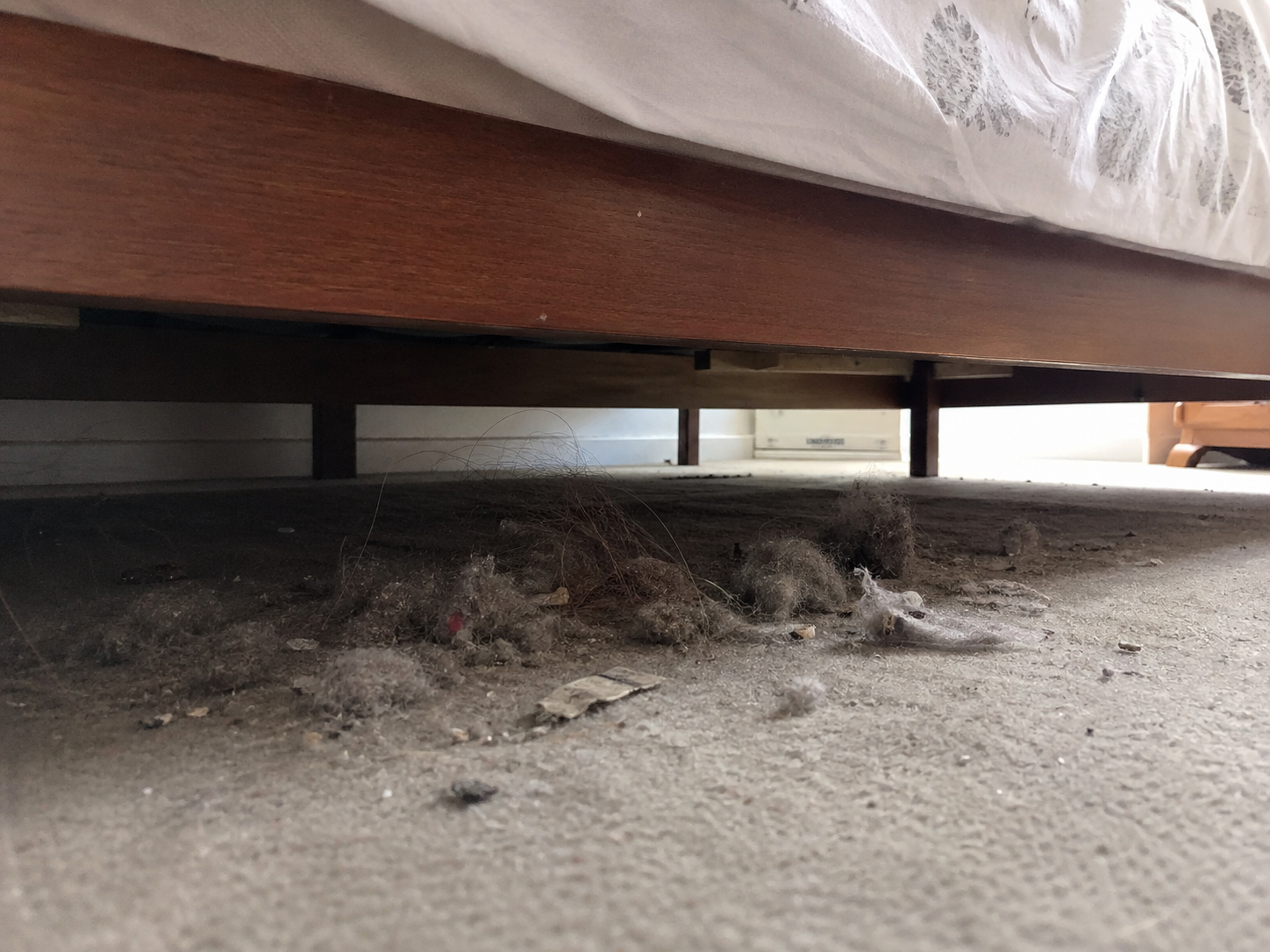
Then one day, maybe you drop a sock. Or a pen rolls under there. Or you finally decide to move the bed “just a little,” and suddenly you are staring at a gray, fuzzy landscape that looks like it has been quietly forming its own weather system.
Dust under the bed is not the most glamorous home topic. Nobody is bragging about their under-bed cleaning routine at brunch. But it is one of those small habits that can affect how clean the bedroom feels, especially if you have allergies, pets, carpet, or a habit of storing half your life in bins under the mattress.
The good news is that fixing it does not require a dramatic cleaning day. You do not need to empty the entire bedroom, light a candle, and become a different person.
You just need to notice the habit, clean the area properly, and make it easier to maintain.
It can include tiny fibers from clothes and bedding, dead skin cells, hair, pet dander, pollen, outdoor particles, and general household debris. A bedroom is basically a perfect dust factory because it contains fabric everywhere: sheets, blankets, curtains, rugs, pajamas, pillows, laundry baskets.
And the bed itself is a big object with a low, shaded space underneath.
Air moves through the room, but under the bed usually does not get much direct attention. Dust settles there, then stays there. If you have a fan, HVAC vent, or open windows, airflow can push more particles around. If you have a pet that likes to sleep near the bed, congratulations, you may also be hosting a quiet collection of fur tumbleweeds.
The annoying part is that the surface of the room can look clean while the hidden areas are not.
You vacuum the visible floor. You change the sheets. You wipe the nightstand. The room smells fine.
Meanwhile, under the bed is living by different rules.
The Bedroom Air Connection
Most of us spend a lot of time in the bedroom, even if we are only awake there for a little while.
Six, seven, eight hours of breathing in the same room matters. If dust builds up under the bed, it can get disturbed when you walk, move bedding, run a fan, open drawers, or vacuum nearby. You may not see it floating around, but that does not mean it is not there.
For people with allergies, asthma, or sensitive sinuses, bedroom dust can be especially annoying. It may show up as a stuffy nose in the morning, itchy eyes, sneezing, a dry throat, or that mysterious feeling of waking up slightly congested even though you are not sick.
Of course, dust under the bed is not always the only cause. Pillows, mattresses, carpets, curtains, pets, humidity, and outdoor pollen can all play a role. But under-bed dust is worth checking because it is easy to miss and relatively easy to improve.
Sometimes the problem is not that your bedroom is “dirty.” It is that one hidden zone has been collecting dust for months while the rest of the room gets all the attention.
Out of Sight Really Does Mean Out of Mind
This habit usually has nothing to do with laziness.
It is more about visibility.
People clean what they can see. Crumbs on the kitchen counter are obvious. Toothpaste on the bathroom mirror is annoying. A full trash can announces itself. But dust under the bed is quiet. It waits.
The bed may also be physically awkward to clean under. Low frames, heavy storage bins, wall placement, small rooms, bad knees, and tight spaces all make the job easier to avoid.
And if the area under the bed is used for storage, cleaning becomes more complicated. You are not just vacuuming. You are pulling out bins, finding random cables, wondering why you own three tote bags full of tote bags, and somehow discovering a gift bag from 2019.
No wonder people postpone it.
The trick is to make the task smaller and less mysterious.
First, Check What Is Actually Under There
Before you decide on a cleaning routine, take a real look.
Use your phone flashlight. Crouch down. Pull up the bed skirt if you have one. Look from more than one side.
You may find simple dust. You may find pet hair. You may find tissues, receipts, socks, missing earrings, old water bottles, snack wrappers, kids’ toys, or enough dust bunnies to start a small emotional support group.
Do not judge yourself too hard. Hidden spaces collect hidden things.
But this first check is useful because it tells you what kind of cleaning you need. Light dust can be handled quickly. Heavy dust, hair, or clutter may need a slightly bigger reset.
If it has been a long time, consider wearing a mask while cleaning, especially if you are sensitive to dust. Open a window if outdoor air is decent. Turn off strong fans while you are disturbing dust, or you may just launch it around the room like confetti.
Not festive confetti. Sinus confetti.
Clear the Floor Before You Vacuum
Vacuuming under the bed works better when the area is not full of random objects.
Pull out storage bins, shoes, bags, and loose items. If you store things under the bed, this is a good time to check whether they still belong there.
Under-bed storage tends to become a place for decisions we did not want to make.
Clothes that might fit later.
Gift wrap.
Old electronics.
Seasonal blankets.
Shoes you never wear.
A box labeled “miscellaneous,” which is usually a warning sign.
You do not need to declutter your entire life right now. But if something has been sitting under the bed for years and you forgot it existed, it may not deserve prime bedroom real estate.
The less you keep under the bed, the easier cleaning becomes.
Use the Right Tool for the Space
A regular vacuum head may not fit under a low bed. That is one reason dust stays there for so long.
Try a flat vacuum attachment, a long crevice tool, or a dust mop that can slide under the frame. Some people use a microfiber duster with an extendable handle. Robot vacuums can help if the bed is high enough and cords are not in the way.
For hard floors, a microfiber dust mop can grab dust before vacuuming. For carpet, vacuum slowly and from several angles if you can. Dust and hair can settle into carpet fibers, especially around the bed legs.
If you have storage bins, wipe the tops and sides before putting them back. Otherwise, you will drag dusty containers right back into the clean space.
It is mildly irritating, yes. But it makes a difference.
Do Not Forget the Bed Frame and Baseboards
Dust under the bed does not only sit on the floor.
It collects on bed frame rails, slats, wheels, legs, headboards, baseboards, and the wall behind the bed. If you have a platform bed, dust may gather along edges and corners. If you have a fabric bed frame or upholstered headboard, it can hold dust too.
After vacuuming the floor, wipe hard surfaces with a slightly damp microfiber cloth. Not soaking wet. Just damp enough to collect dust instead of sending it into the air.
For upholstered parts, use a vacuum upholstery attachment.
This is also a good time to check for anything else: moisture, mildew smell, pest signs, or damaged flooring. Hidden areas are where small home problems like to quietly become bigger home problems.
Storage Under the Bed: Helpful or Dust Trap?
Under-bed storage can be practical, especially in small homes or apartments. Not everyone has a giant closet and a spare room. Sometimes the space under the bed is necessary.
But open storage makes dust worse.
If you keep things under the bed, use closed bins or zippered fabric storage bags. Clear bins are nice because you can see what is inside without opening everything. Labeling helps too, unless you enjoy pulling out five containers to find one sweater.
Avoid storing loose shoes, paper piles, or fabric stacks directly under the bed. They collect dust, shed fibers, and make cleaning annoying.
A better system might be:
Seasonal bedding in one closed bag.
Off-season clothes in one labeled bin.
Gift wrap in a flat container.
Extra shoes in a lidded box.
And that is it.
If every inch under the bed is packed, dust will still find a way in, but you will have a much harder time removing it.
Bedding Habits Add to the Dust Load
Your bed is a major dust source because bedding sheds fibers and collects skin cells, hair, and body oils.
Washing sheets regularly helps. So does washing pillowcases more often if you have oily skin, allergies, or pets. Blankets, comforters, mattress pads, and bed skirts also need attention, even if not as often as sheets.
A bed skirt can hide under-bed clutter beautifully, which is both its gift and its danger. It can also collect dust along the bottom edge. If you use one, wash or vacuum it occasionally.
When changing sheets, try not to violently flap everything around if dust is already a problem. I know the dramatic sheet snap feels efficient, but it can send particles into the air.
A gentler shake and a regular wash routine are enough.
Pets Make This a Different Game
If you have pets, under-bed dust is not just dust. It is dust plus fur plus dander plus whatever tiny outdoor bits came in on paws.
Some pets also love sleeping under the bed. It is dark, cozy, and apparently the perfect place to hide from baths, thunder, visitors, or the vacuum cleaner itself.
If your pet spends time under there, cleaning may need to happen more often. You may also want to wash pet bedding regularly and brush your pet outside or in an easy-to-clean area.
A robot vacuum can be helpful in pet homes, but only if it can safely access the space and there are no cords, toys, or unfortunate surprises on the floor. Pet owners know exactly what I mean by “unfortunate surprises.”
How Often Should You Clean Under the Bed?
There is no perfect schedule for everyone.
A good general rhythm is to vacuum or dust under the bed once a month. If you have allergies, asthma, pets, carpet, or live in a dusty area, every two weeks may feel better. If your room stays fairly clean and the bed is easy to access, monthly may be plenty.
A deeper clean can happen seasonally. That means pulling out storage, wiping bins, cleaning baseboards, and checking corners.
If monthly sounds unrealistic, attach the habit to something you already do.
Clean under the bed when you wash sheets on the first weekend of the month.
Check it when you rotate the mattress.
Vacuum there when you change the HVAC filter.
Do a quick sweep when you switch seasonal clothes.
A cleaning habit sticks better when it has a cue.
Make It a Ten-Minute Task
The biggest reason people avoid under-bed cleaning is that it feels like a whole event.
So make it smaller.
Set a timer for ten minutes. Pull out what you can. Vacuum or dust as far as you can reach. Put things back neatly. Done.
You do not have to solve every storage issue in one session. You do not have to reorganize your entire bedroom. A partial clean is better than letting the dust build up for another six months because you were waiting for the perfect Saturday.
This is true for many home habits. The “perfect deep clean” fantasy often blocks the quick maintenance clean that would actually help.
Watch for Morning Symptoms
If you regularly wake up congested, sneezy, itchy, or with a dry throat, it may be worth looking at your bedroom environment.
Under-bed dust is one piece.
Also check pillows, mattress covers, curtains, rugs, laundry piles, humidifiers, air vents, and pets sleeping on the bed. If symptoms are persistent or severe, talk with a healthcare professional, especially if asthma or allergies are part of your life.
For the home side, start with the basics:
Wash bedding regularly.
Vacuum carpets and rugs.
Clean under furniture.
Reduce clutter.
Keep humidity balanced.
Use a mattress and pillow cover if dust mites are a concern.
Replace or clean HVAC filters as recommended.
Small changes in the bedroom can add up because you spend so many hours there.
Humidity Can Make Dust Feel Worse
Dust plus moisture is not a great combination.
High humidity can make rooms feel stuffy and may encourage mold or dust mite issues in some environments. Very dry air can irritate the nose and throat, making dust feel more noticeable.
Keeping humidity in a comfortable middle range can help the bedroom feel fresher. If you use a humidifier, clean it properly. A dirty humidifier can create its own problems, which is honestly rude for an appliance that is supposed to help.
If you notice a musty smell under the bed, do not ignore it. Check for dampness, spills, wall leaks, condensation, or storage items that trapped moisture.
Dust is one thing. Moisture problems deserve faster attention.
The “Drop Zone” Problem
Sometimes under the bed becomes a secret drop zone.
You are tidying fast, someone is coming over, and things get shoved under there. Shoes, bags, papers, clothes, gift boxes. The room looks clean. The hidden space pays the price.
This is very human.
But if it happens often, create a better temporary spot. A basket in the closet. A lidded bin for “deal with later.” A laundry hamper for clothes that are not quite dirty but definitely not clean. A small tray for random items.
The key is giving clutter a place that is easier to empty than under the bed.
Once something goes under the bed without a clear purpose, it tends to become part of the landscape.
Keep the Area Easier to Reach
If your bed is very low, cleaning underneath can be annoying. Bed risers may help if they are safe and compatible with your bed frame. A higher frame also allows better airflow and easier vacuum access.
That said, raising the bed is not necessary for everyone. Sometimes the simpler solution is buying a flat duster or vacuum attachment that actually fits.
If you are choosing new bedroom furniture, think about cleaning access. A bed that looks beautiful but traps dust forever may not be as practical as it seems. Future you, holding a vacuum hose at a weird angle, will have opinions.
A Simple Reset Plan
If the under-bed situation has gotten bad, try this:
Fourth, wipe the bed frame, baseboards, and storage containers.
Fifth, put back only what truly needs to live there, preferably in closed bins.
Sixth, set a reminder to check again in a month.
That is it.
No dramatic music required.
If dust triggers symptoms, wear a mask and take breaks. If the bed is heavy or hard to move, ask for help rather than hurting your back. Cleaning should not become a medical event.
A Cleaner Under-Bed Space Changes the Room
There is something surprisingly satisfying about cleaning a place nobody sees.
The room may not look dramatically different afterward, but it often feels different. The air feels fresher. The floor feels handled. The hidden mess is no longer sitting there quietly bothering your subconscious.
Maybe that sounds a little dramatic for dust, but home has a way of affecting the mind.
A bedroom should feel like a place to rest. Not perfect. Not magazine-level tidy. Just cared for enough that you can breathe, sleep, and not wonder what is lurking under the bed.
A Calm Final Thought
Dust under the bed is easy to ignore because it stays hidden. But hidden does not mean harmless, especially if you deal with allergies, pets, carpet, or morning congestion.
You do not need a complicated cleaning routine. Check the space. Remove unnecessary clutter. Use closed storage. Vacuum or dust regularly. Wash bedding. Keep the area reachable enough that cleaning does not feel like a major production.
Hi, I’m the creator and editor behind ZestyHabit. I research everyday safety, first aid, and practical wellness topics using official guidance and reliable public sources, then turn that information into clear, realistic steps for daily life.
My goal is to help readers make safer, better-informed choices at home and beyond.