
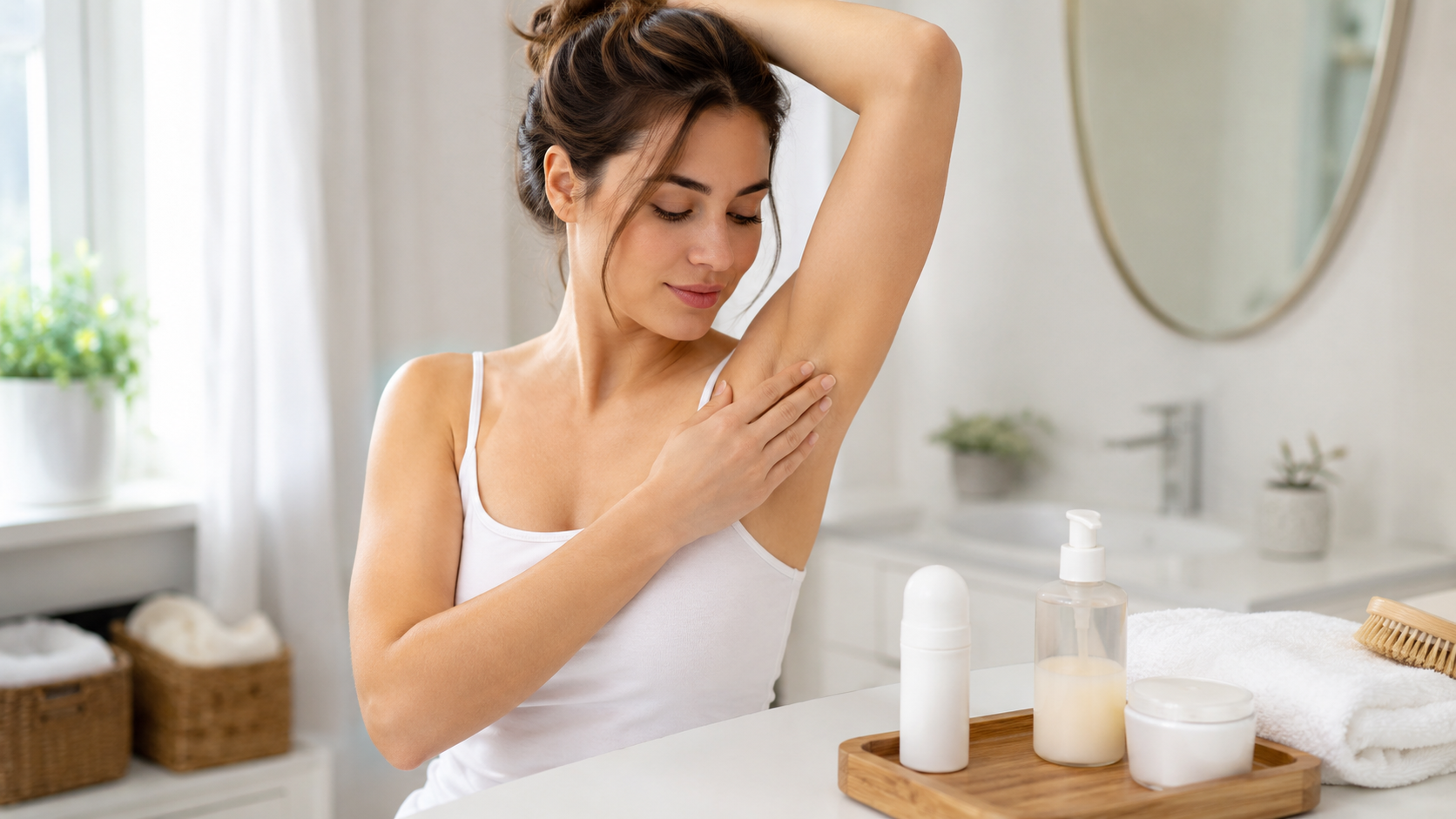

Body odor is one of those topics people get weirdly quiet about.
We can talk about face serums, hair treatments, body scrubs, and fancy moisturizers all day. But the moment body odor comes up, everyone acts like it is some shameful secret instead of a completely normal human thing.
The truth is, every body has a smell.
Your skin has sweat glands. Your body produces oil. Bacteria live on the skin. Clothes trap heat. Hormones change things. Food, stress, weather, workouts, and even your laundry habits can affect how you smell.
So no, body odor does not automatically mean someone is dirty. But it does matter in body skincare because odor is often connected to sweat, bacteria, skin folds, product buildup, clothing friction, and overall skin hygiene.
Managing body odor is not about trying to smell like a perfume counter twenty-four hours a day. It is about keeping your skin clean, balanced, comfortable, and healthy.
And honestly, it is also about feeling confident enough to lift your arms in public without doing a tiny emotional calculation first.
Body Odor Is Not Just Sweat
A lot of people think sweat itself smells bad.
Actually, fresh sweat is mostly odorless. The smell usually happens when sweat mixes with bacteria on the skin. Those bacteria break down compounds in sweat, and that process creates odor.
This is why certain areas of the body tend to smell more than others. Armpits, feet, groin area, under the breasts, and skin folds are warm, moist places where bacteria can thrive more easily.
There are also different types of sweat glands. Eccrine glands are found all over the body and mainly help regulate temperature. Apocrine glands are concentrated in areas like the underarms and groin, and they produce a thicker type of sweat that bacteria love to break down.
Very glamorous, I know.
But understanding this makes body odor feel less mysterious. It is not just “I smell bad.” It is skin chemistry, sweat, bacteria, and environment all working together.
Why Body Odor Belongs in Body Skincare
Body skincare is not only about smooth legs and soft elbows.
It is also about keeping the skin clean, balanced, and free from irritation. Odor can be a sign that sweat, bacteria, dead skin cells, oils, or product residue are building up in certain areas.
That does not mean you need to panic every time you smell like a human after walking outside in summer. But if odor is persistent, strong, or returning quickly after washing, it may be worth looking at your routine.
Are you cleansing properly? Are your clothes breathable? Are you drying your skin well after showering? Is your deodorant working for your body? Are you re-wearing sweaty clothes? Are you using heavy body products that trap moisture?
Body odor is not just a fragrance problem. It is often a skin environment problem.
Spraying perfume over it may hide it for a moment, but it does not address what is happening on the skin.
The Difference Between Deodorant and Antiperspirant
People often use these words as if they mean the same thing, but they do different jobs.
Deodorant helps reduce or mask odor. It may contain fragrance, odor-neutralizing ingredients, or antibacterial ingredients that help limit the smell caused by bacteria.
Antiperspirant helps reduce sweat. It usually contains aluminum-based ingredients that temporarily block sweat ducts, which means less sweat reaches the surface of the skin.
If your main issue is smell, deodorant may be enough.
If your main issue is heavy sweating, antiperspirant may be more useful.
Some products are both deodorant and antiperspirant, which is why the labels can get confusing. If you feel like your product “doesn’t work,” check what it actually claims to do. You might be using a deodorant when what you really need is sweat control.
Also, people’s bodies respond differently. A deodorant that works beautifully for one person may give another person three hours of peace and then completely clock out.
Washing Properly Matters, But Over-Washing Can Backfire
Good body hygiene matters for odor control.
Areas that sweat more need proper cleansing. Underarms, feet, groin area, skin folds, and anywhere sweat gets trapped deserve attention in the shower.
But there is a difference between washing well and attacking your skin.
If you scrub too hard, use harsh soaps, or wash repeatedly throughout the day, you can irritate your skin barrier. Irritated skin may become dry, itchy, red, or more prone to sensitivity. In some cases, damaged skin can actually feel less balanced and more uncomfortable.
Use a gentle body wash or soap that cleans without leaving your skin tight and stripped. For odor-prone areas, you can spend a little extra time cleansing, but you do not need to scrub like you are cleaning a kitchen tile.
Your skin is allowed to be clean without being punished.
Drying Your Skin Is More Important Than People Think
After showering, many people quickly towel off and move on. But if certain areas stay damp, odor can come back faster.
Moisture creates a cozy environment for bacteria and yeast, especially in skin folds, between toes, under the breasts, and around areas where clothing fits tightly.
Drying well is a simple but underrated step.
Pat your skin dry after showering. Pay attention to areas that trap moisture. If you sweat easily, wearing breathable fabrics and changing out of damp clothes quickly can make a big difference.
This is especially important after workouts. Sitting around in sweaty leggings or a soaked T-shirt for hours is basically giving odor a comfortable place to settle in.
We have all done it. Still not ideal.
Clothes Can Hold Onto Odor
Sometimes the problem is not your skin. It is your clothes.
Workout clothes, synthetic fabrics, tight shirts, bras, socks, and underwear can hold onto sweat and bacteria even after washing. That is why some clothes smell fine when they come out of the laundry, then suddenly smell weird again as soon as they warm up on your body.
Deeply rude behavior from fabric.
Synthetic activewear can be especially stubborn because it traps oils and odor compounds. If your body odor seems to appear quickly only in certain clothes, the clothing may be part of the issue.
Wash sweaty clothes as soon as possible. Avoid leaving damp workout clothes in a bag or hamper for days. Use enough detergent, but not too much, because detergent buildup can also trap residue. Occasionally using a laundry sanitizer or sports detergent may help with stubborn odor.
Also, let clothes dry fully before putting them away. Damp fabric in a drawer is never a good skincare-adjacent decision.
Feet Need Their Own Odor Strategy
Foot odor deserves special attention because feet spend so much time trapped inside shoes.
Feet sweat. Shoes trap heat. Socks absorb moisture. Bacteria have a little party. The result is not always pleasant.
To manage foot odor, wash your feet properly instead of assuming shampoo water running down your legs is enough. Clean between the toes. Dry between the toes. Wear clean socks. Rotate shoes so they have time to air out. Choose breathable footwear when possible.
If your shoes smell bad, your feet may keep smelling bad no matter how well you wash them.
Foot powders, moisture-wicking socks, and antibacterial shoe sprays can help some people. But if there is persistent itching, peeling, cracking, or a strong odor that does not improve, it may be something like athlete’s foot and worth treating properly.
Feet are easy to ignore until they make themselves impossible to ignore.
Body Hair and Odor
Body hair can affect how odor behaves, especially in the underarms and groin area.
Hair can trap sweat, oil, and bacteria. That does not mean body hair is dirty. It is normal. But if you notice more odor in areas with thicker hair, trimming or removing hair may make cleansing easier and help deodorant apply more evenly.
That said, shaving can irritate the skin, especially under the arms or bikini area. Irritation can lead to redness, bumps, ingrown hairs, and discomfort. If you shave, use a gentle method, a sharp razor, and moisturize afterward when appropriate.
You do not have to remove body hair for hygiene. But if odor control is difficult, hair length and product application are worth considering.
The goal is comfort, not following some imaginary rule about what bodies should look like.
Food, Stress, and Hormones Can Change Body Odor
Body odor is not only about shower habits.
Certain foods may affect how you smell. Garlic, onions, alcohol, strong spices, and some supplements can influence body odor for some people. It varies a lot from person to person.
Stress sweat can also smell different. When you are nervous or anxious, your apocrine glands may become more active. This kind of sweat can produce stronger odor when bacteria break it down.
Hormones can also change body odor. Puberty, menstrual cycle changes, pregnancy, menopause, medications, and health conditions can all shift how much you sweat or how your sweat smells.
This is why body odor can change suddenly even when your hygiene routine stays the same.
If odor changes dramatically or becomes unusually strong without an obvious reason, it is worth paying attention. Sometimes the body gives small signals before we understand what is going on.
Perfume Is Not a Substitute for Clean Skin
Perfume can be lovely.
A good body mist, lotion, or fragrance can make you feel polished and put together. I understand the joy of smelling like vanilla, clean laundry, or something expensive and mysterious.
But fragrance should go on clean skin, not over odor.
When perfume mixes with sweat and strong body odor, the result can be worse than either smell alone. It becomes sweet, sour, heavy, and strangely aggressive. We have all been trapped near that combination at least once.
For body odor management, cleansing comes first. Then deodorant or antiperspirant if needed. Then fragrance, if you want it.
Think of perfume as decoration, not the foundation.
Exfoliation Can Help Odor-Prone Areas
Dead skin cells can contribute to buildup in odor-prone areas. Gentle exfoliation may help, especially under the arms or on the feet.
This does not mean scrubbing aggressively every day. That can irritate the skin and make things worse.
For underarms, a mild chemical exfoliant used occasionally may help reduce buildup from deodorant, sweat, and dead skin. Some people use gentle exfoliating toners with ingredients like lactic acid or glycolic acid, but these can sting or irritate sensitive skin, especially after shaving.
For feet, gentle physical exfoliation or a foot file can help with thick dead skin that traps odor. Follow with moisturizer if the skin is dry.
Exfoliation should make the skin feel smoother and cleaner, not raw.
If it burns, back off.
Deodorant Buildup Is Real
If you use deodorant or antiperspirant every day, residue can build up on the skin.
This is especially true with long-lasting, waterproof, or heavy formulas. Sometimes regular body wash does not remove everything easily, and the underarms may feel coated even after showering.
That buildup can mix with sweat and bacteria, making odor harder to manage.
Try massaging your cleanser into the underarm area for a little longer. You can also use a gentle washcloth occasionally, but do not scrub harshly. If buildup is stubborn, an oil cleanser or cleansing balm used before body wash may help break down residue.
Yes, double cleansing your underarms sounds a little extra. But if it works, it works.
Choosing the Right Body Wash
A body wash does not need to be fancy, but it should fit your skin.
If your skin is dry or sensitive, choose a gentle, fragrance-free or low-fragrance body wash. Harsh soaps can strip the skin and make dryness worse.
If you are odor-prone, you may prefer a body wash with antibacterial ingredients, tea tree, benzoyl peroxide, or acids, depending on your skin tolerance. But be careful. Stronger does not always mean better.
Benzoyl peroxide washes, for example, can help with odor and body acne for some people, but they can also dry the skin and bleach towels or clothing. Use carefully and rinse well.
If your skin becomes itchy, tight, or irritated after switching to a stronger wash, it may not be the right product for daily use.
Clean skin should still feel like skin.
Body Moisturizer and Odor
Moisturizer is important for body skincare, but heavy products in sweat-prone areas can sometimes feel uncomfortable.
Thick creams, oils, and butters can trap heat and moisture in areas like underarms, groin folds, under the breasts, or between thighs. That does not mean you should never moisturize those areas, but choose textures carefully.
For dry arms and legs, richer creams may be great.
For sweat-prone areas, lightweight lotions or no moisturizer at all may be better unless the skin is dry or irritated.
If you notice odor, stickiness, or bumps after applying a heavy body cream in certain areas, adjust where and how much you use.
Your elbows may want shea butter. Your underarms probably do not.
When Body Odor Might Be a Medical Issue
Most body odor is normal and manageable with routine care.
But sometimes odor can signal something else.
If body odor is suddenly much stronger than usual, smells unusual, comes with excessive sweating, skin pain, redness, rash, discharge, itching, peeling, or does not improve with good hygiene, it may be worth checking with a healthcare professional.
Certain infections, hormonal changes, metabolic conditions, medications, and skin conditions can affect odor. Persistent foot odor with itching and peeling may be fungal. Strong odor in skin folds with redness or irritation may involve yeast or bacterial overgrowth.
There is no need to panic, but there is also no need to silently suffer.
Bodies are weird. Doctors have heard weirder.
A Simple Body Odor Care Routine
A good routine does not have to be complicated.
Shower regularly, especially after sweating heavily. Clean odor-prone areas properly. Dry the skin well. Use deodorant or antiperspirant based on your needs. Wear breathable clothes when possible. Change out of sweaty clothes quickly. Wash towels, bras, socks, and workout clothes regularly. Exfoliate gently when buildup is an issue. Keep feet clean and dry.
That is the basic structure.
The exact products can change based on your body. Some people need stronger odor control. Some need gentler cleansing. Some need better laundry habits more than a new deodorant.
It is not always about buying more. Sometimes it is about noticing the pattern.
Common Mistakes That Make Body Odor Worse
One common mistake is using perfume instead of washing properly.
Another is wearing the same sweaty clothes for too long. No judgment, but your skin knows.
Using harsh soap can also backfire if it irritates the skin. Scrubbing too aggressively can create sensitivity. Not drying skin folds properly can keep moisture trapped. Applying heavy oils or creams to sweat-prone areas may make odor worse.
Another sneaky mistake is not cleaning towels often enough. A damp towel can hold bacteria and odor. If your towel smells even slightly musty, it is not doing your freshly washed skin any favors.
And finally, not giving shoes time to dry can keep foot odor going no matter how clean your feet are.
Body odor management is a full system. Skin, clothes, towels, shoes, and products all matter.
Body Odor and Confidence
This part matters too.
Body odor can make people feel self-conscious. It can affect how close you stand to others, whether you raise your arms, what clothes you wear, and how comfortable you feel during the day.
That emotional side is real.
But shame does not help. Practical care helps.
Most odor issues can be improved with small changes: better cleansing, a different deodorant, breathable clothes, proper drying, laundry adjustments, or treating a skin condition if needed.
You do not need to smell like nothing. You do not need to smell like flowers at all times. You just deserve to feel comfortable in your own body.
That is a fair goal.
Final Thoughts
Body odor is normal, but it is still an important part of body skincare.
It tells you something about sweat, bacteria, clothing, moisture, product buildup, and how your skin is handling daily life. Managing it is not about embarrassment. It is about keeping your skin clean, balanced, and comfortable.
Wash well, but do not over-scrub. Dry your skin properly. Use the right deodorant or antiperspirant for your needs. Pay attention to clothes, towels, and shoes. Exfoliate gently when buildup is part of the problem. And if odor changes suddenly or comes with irritation, get it checked.
Body care is not just about looking smooth and moisturized. It is also about feeling fresh, comfortable, and confident as you move through the day.
A body that sweats is normal.
A body that needs care is normal too.

Hi, I’m the creator and editor behind ZestyHabit. I research everyday safety, first aid, and practical wellness topics using official guidance and reliable public sources, then turn that information into clear, realistic steps for daily life.
My goal is to help readers make safer, better-informed choices at home and beyond.


