How Hair Tying Affects Your Scalp and Hair Texture
Minjin Park
·
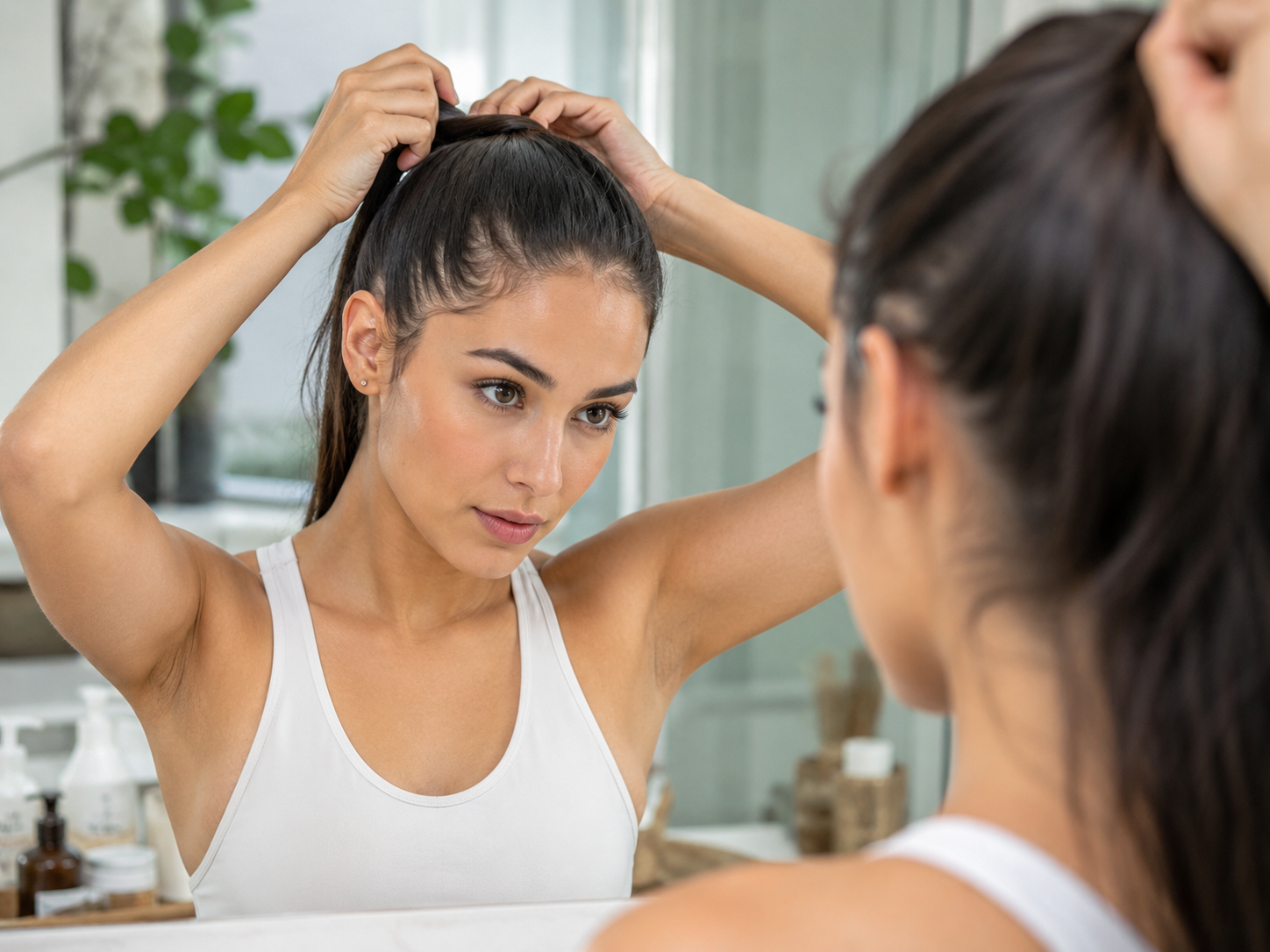
Tying your hair up seems harmless.
It is one of those automatic habits you do without thinking. Hair in your face? Tie it. Hot weather? Tie it. Workout? Tie it. Bad hair day? Tie it and pretend that was the plan all along.
A ponytail, bun, claw clip, braid, or tight slick-back style can feel neat and convenient. Sometimes it even makes you feel more put together in about fifteen seconds, which is honestly one of life’s small gifts.
Not in a dramatic “never wear a ponytail again” way. That would be unrealistic and frankly annoying. But the way you tie your hair, how tight you pull it, what accessories you use, and how often your hair stays in the same position can make a difference.
Your scalp can become sore or irritated. Your roots can feel tense. Your hair can break around the hairline. Your natural texture can get dents, frizz, or stretched-out areas. And if your hair is always pulled in the same direction, certain parts may weaken faster.
So let’s talk about hair tying in a practical way: what it does, when it becomes a problem, and how to keep your hair up without making your scalp quietly hate you.
We usually think about hair as the main thing, while the scalp is just the place it grows from. But your scalp has nerves, blood vessels, oil glands, follicles, and a skin barrier just like other areas of your body.
When you tie your hair tightly, that tension pulls on the scalp and the hair follicles. A little tension once in a while is usually fine. But repeated pulling can make the scalp feel tender, itchy, sore, or tight.
You may notice this after taking down a high ponytail at the end of the day. There is that strange, almost painful relief when your hair finally drops. It feels good, but also like your scalp is saying, “Please do not do that again tomorrow.”
That soreness is a sign that the style may have been too tight or worn for too long.
Tight Hairstyles Can Cause Scalp Tension
The biggest issue with tying hair is tension.
A loose braid or soft low ponytail is usually not a big deal. A tight high ponytail, slick bun, or tightly pulled braid is more stressful for the scalp.
The problem often happens around the hairline, temples, crown, and nape of the neck. These areas take a lot of pulling, especially when the hair is heavy or the style is secured firmly.
At first, you may only feel discomfort. But if you constantly wear tight styles, the repeated tension can contribute to breakage and, in more serious cases, traction-related hair loss.
If a hairstyle gives you a headache, leaves your scalp sore, or makes your hairline feel tight, it is probably too much.
Beauty should not require a tension headache. We have enough things in life doing that already.
Hairline Breakage Is Common
The hairline often shows damage first.
Those tiny baby hairs around your forehead, temples, and ears are more fragile than the thicker hair in the back. When you repeatedly pull them into tight ponytails or buns, they can snap.
This is why some people notice short broken pieces around the front of the hair. It may look like new growth, and sometimes it is. But if the pieces are uneven, frizzy, or constantly sticking out, they may be breakage.
Tight elastics, rough hair ties, and pulling hair back when it is wet can make this worse.
Wet hair is more fragile because it stretches more easily. Tying wet hair tightly may seem convenient after a shower, but it can increase tension and breakage as the hair dries and contracts.
If your front pieces are always breaking, your favorite tight bun might be part of the story.
Ponytail Dents Are Not Just Cosmetic
Most people know the ponytail dent.
You wear your hair up for a few hours, take it down, and there is a deep bend right where the hair tie was. Suddenly your hair has a shape you did not request.
For some hair types, this dent fades quickly. For others, it stays until the next wash.
This happens because tying hair bends the hair shaft and holds it in one position. If the hair is damp, heat-styled, fine, or chemically treated, the dent can be more noticeable.
The dent itself is not always damage. But repeatedly tying hair tightly in the same spot can create weak points along the strand. Over time, the area where the elastic sits may become more prone to breakage.
If you always tie your hair in the exact same high ponytail, the same section of hair gets stressed again and again.
Changing the placement of your ponytail can help. High one day, low another day, loose braid the next. Your hair appreciates variety more than we give it credit for.
Hair Ties Can Cause Friction
Not all hair ties are equal.
Traditional elastics, especially ones with metal pieces, can snag and break hair. Thin, tight elastics can create strong pressure in one small area, which increases dents and breakage.
Scrunchies, spiral hair ties, silk ties, and soft fabric bands are usually gentler because they spread tension over a wider area and reduce friction.
This does not mean you need to throw away every hair tie you own and buy a luxurious silk collection immediately. But if you notice breakage where your ponytail sits, switching to softer accessories can make a real difference.
Also, be careful when removing hair ties. Do not yank them out. Unwind them gently.
I know yanking is faster. Hair knows too. Hair remembers.
Tight Buns Can Stress the Crown
High buns are convenient. They keep hair off the neck, look cute, and hide hair that is somewhere between “needs washing” and “still socially acceptable.”
But tight buns can put a lot of pressure on the crown and hairline.
If your bun is heavy, tightly twisted, or secured with several elastics and pins, it may pull on the scalp for hours. This can cause soreness, headaches, and breakage around the areas taking the most tension.
A messy loose bun is usually kinder than a slick, tight one. Claw clips can also be gentler if they hold the hair without pulling too much, though they can still cause pressure if placed awkwardly.
The key is comfort. If you are aware of your hairstyle all day because it feels tight, it is probably not scalp-friendly.
Braids Can Be Gentle or Harsh
Braids can be protective, but only when they are not too tight.
A loose braid can reduce tangling, protect hair from friction, and help keep texture controlled. Sleeping in a loose braid can be helpful for some people who wake up with knots.
But tight braids, especially small or heavy braids, can pull on the scalp and hairline. If your scalp feels sore after braiding, or if you see little bumps and redness along the part lines, the braids may be too tight.
Protective styling should actually protect the hair. If the style hurts, it is not protecting you very well.
A good braid should feel secure but not painful.
Hair Tying Can Change Curl and Wave Patterns Temporarily
If you have wavy or curly hair, tying it up can noticeably affect your texture.
A tight ponytail can stretch out curls near the roots. A bun can flatten the crown and leave the ends bent in odd directions. A hair tie can create a sharp dent that interrupts the curl pattern.
For curly hair, repeated tight tying can also increase frizz because curls get stretched, compressed, and rubbed against the elastic.
This does not mean curly hair cannot be tied up. Of course it can. But softer methods help.
Loose pineapple styles, silk scrunchies, claw clips, satin-lined accessories, or loose braids can preserve texture better than tight elastics.
Curly hair tends to remember everything you do to it. Sometimes lovingly. Sometimes with revenge.
Fine Hair Can Break Easily from Tight Styles
Fine hair may not look heavy, but it can be fragile.
Because each strand is smaller in diameter, fine hair can snap more easily under tension. Tight elastics, repeated ponytails, and rough removal can cause breakage.
Fine hair also shows dents quickly. A tight hair tie can leave a visible mark that ruins the style when you take it down.
For fine hair, soft scrunchies, loose clips, and lower-tension styles are usually better. Avoid tying hair too tightly when wet, and try not to sleep with a tight ponytail.
Fine hair does not need heavy-handed styling. It usually does better with gentle control.
Thick or Heavy Hair Puts More Weight on the Scalp
Thick hair has a different problem: weight.
A high ponytail or bun with thick hair can pull heavily on the scalp. Even if the style is not extremely tight, the weight alone can cause discomfort.
This can lead to headaches, scalp soreness, or tension around the hairline and nape.
For thick hair, distributing weight helps. A braid, low bun, half-up style, or large claw clip may feel better than a high ponytail. Using more than one clip or sectioning the hair can also reduce pulling.
Sometimes the issue is not that your style is too tight. It is that your hair is heavy and gravity has decided to participate.
Sleeping with Tied Hair Can Be Tricky
Some people sleep with their hair tied to prevent tangles. Others sleep with it loose. Both can work, depending on hair type.
The problem is sleeping with hair tied too tightly.
A tight ponytail or bun can pull on the scalp as you move during sleep. It can also create friction and breakage at the hair tie point.
If you want to tie your hair at night, choose a loose braid, loose low ponytail, or loose top “pineapple” with a silk or satin scrunchie. The goal is to control the hair without tension.
A silk or satin pillowcase can also help reduce friction, especially for curly, dry, bleached, or fragile hair.
Your sleep hairstyle should not feel like a workout for your roots.
Tying Wet Hair Can Increase Breakage
Wet hair is more vulnerable.
When hair is wet, it stretches more easily. If you tie it tightly while wet, the strands can be put under more stress. As the hair dries, it may shrink slightly into that tied shape, increasing tension and leaving deeper dents.
This is especially risky if the hair is bleached, colored, chemically treated, or already damaged.
If you need to tie wet hair, keep it loose. Use a soft scrunchie or clip. Avoid tight buns or ponytails. Do not twist wet hair aggressively into a knot and secure it like you are sealing a package.
Wet hair needs patience. Annoying, but true.
Can Tying Hair Cause Hair Loss?
Occasional hair tying will not make you bald.
But repeatedly wearing tight hairstyles can contribute to traction alopecia, which is hair loss caused by ongoing pulling. It often affects the hairline, temples, or areas where the hair is pulled most tightly.
This is more likely with tight ponytails, buns, braids, extensions, weaves, or styles that create constant tension.
Early signs can include scalp tenderness, small bumps, itching, broken hairs, thinning near the hairline, or a widening part in areas under tension.
If you notice thinning from tight styles, it is important to reduce tension early. Hair can recover better when the problem is caught sooner. If pulling continues for a long time, hair loss can become more difficult to reverse.
A hairstyle should not slowly steal your edges. That is not the kind of commitment we need.
Scalp Pain After Taking Hair Down
That sore feeling after removing a tight ponytail is common.
When hair is pulled in one direction for hours, the follicles and nerves in the scalp can become irritated. When you let the hair down, the direction changes again, and the scalp feels tender.
It may feel like the roots hurt. Technically, the hair itself does not feel pain, but the follicle and surrounding scalp do.
If this happens often, try wearing looser styles, changing your ponytail position, using softer ties, and giving your scalp breaks.
You can also gently massage your scalp after taking hair down. Do not scratch aggressively. Just use light pressure to relax the area.
Your scalp should not need recovery time every evening.
Do not pull hair until your eyebrows feel involved. Leave a little softness at the roots. Use fabric-covered hair ties, silk scrunchies, or spiral ties. Avoid rubber bands and elastics with metal pieces.
Change where you place your ponytail so the same area is not stressed every day.
Use claw clips when possible, but make sure they are not pulling or pressing too hard.
Avoid tight styles on wet hair.
Take your hair down when you are home if you do not need it tied.
And when removing a hair tie, unwind it gently instead of dragging it through the hair.
These are small changes, but they add up.
Best Hairstyles for Reducing Tension
Loose low ponytails are usually gentler than tight high ponytails.
Loose braids can help reduce tangles without pulling too much.
Claw clips can be a good option if they hold the hair lightly.
A loose bun secured with a soft scrunchie can be better than a tightly twisted bun.
Half-up styles can keep hair out of your face while reducing the weight of a full ponytail.
For sleeping, loose braids, silk scrunchies, or a loose pineapple style are often better than tight elastics.
No hairstyle is perfect for everyone. The best one is the one that keeps your hair controlled without making your scalp sore.
Let it down when you are at home. Switch to looser styles. Avoid wearing the same tight style multiple days in a row. Massage your scalp gently. Use conditioner on the lengths to reduce tangles so you do not feel forced to tie it constantly.
Hair down time does not have to mean wearing your hair perfectly styled. It can mean a loose clip, a soft braid, or just letting it rest.
Your scalp and hair both benefit from not being under constant tension.
It is the hair version of taking off tight jeans at the end of the day. Immediate relief. Deeply spiritual.
Hair Texture and Product Use When Tying Hair
The products you use before tying your hair matter too.
Dry, tangled hair is more likely to break when pulled into a ponytail. A leave-in conditioner, light hair oil on the ends, or detangling spray can reduce friction.
But avoid applying heavy products at the roots just to make a slick style. Too much gel, wax, or pomade can build up on the scalp and hairline. If not washed properly, it may contribute to irritation, flakes, or clogged follicles.
Slick-back styles look clean, but they often require tension and product. If you wear them often, cleanse your scalp well and give your hairline breaks.
Neat does not always mean gentle.
When to Worry About Damage
Pay attention if you notice frequent scalp pain, headaches from hairstyles, redness, bumps along the hairline, broken hairs around the forehead or temples, thinning edges, or excessive shedding after tight styles.
Also notice if your hair always breaks at the exact place where you tie it.
These are signs that your styling habits may be too rough.
If you see thinning or scalp inflammation that does not improve after changing your habits, it may be worth seeing a dermatologist. Hair loss can have many causes, and it is better to get proper guidance early.
Do not wait until the hairline has filed a formal resignation.
A Simple Hair-Tying Care Routine
Use gentle hair ties.
Avoid tying wet hair tightly.
Change your hairstyle placement.
Keep ponytails and buns loose enough that your scalp feels comfortable.
Use conditioner or leave-in products to reduce tangling.
Sleep with hair loosely secured if needed.
Clarify occasionally if styling products build up.
Give your scalp breaks from tight styles.
Watch for breakage around the hairline.
That is the routine. Nothing fancy. Just kinder habits.
Final Thoughts
Tying your hair is not bad. It is practical, useful, and sometimes the only thing standing between you and a full emotional breakdown on a hot day.
But tying your hair too tightly or too often in the same style can affect your scalp and hair texture. It can cause scalp soreness, headaches, breakage, dents, frizz, stretched curls, and even tension-related thinning over time.
The solution is not to stop tying your hair forever. It is to tie it more gently.
Use softer accessories. Reduce tension. Change your ponytail placement. Avoid tight wet styles. Give your scalp breaks. Be careful around the hairline. Choose hairstyles that feel comfortable, not just sleek.
Your hair does not need to be pulled into submission to look neat.
Sometimes the healthiest style is the one that lets your scalp breathe a little.
Hi, I’m the creator and editor behind ZestyHabit. I research everyday safety, first aid, and practical wellness topics using official guidance and reliable public sources, then turn that information into clear, realistic steps for daily life.
My goal is to help readers make safer, better-informed choices at home and beyond.