
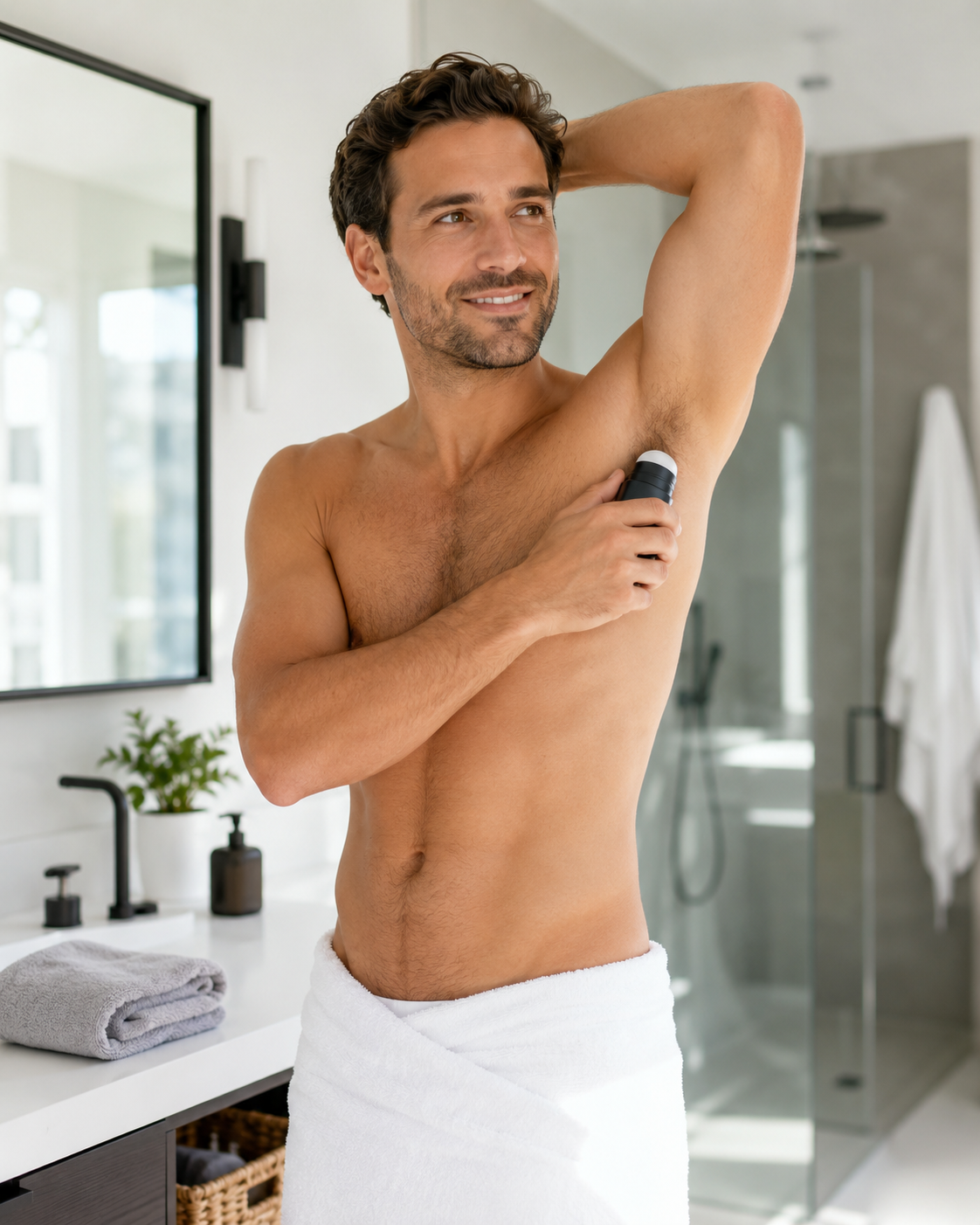

Body odor is one of those things most people do not want to talk about, but everyone notices.
Especially with men, it can become part of the first impression faster than expected. You can wear a clean shirt, style your hair, use a nice fragrance, and still give off the wrong vibe if sweat odor, old laundry smell, or musty shoes are quietly joining the conversation.
And to be fair, body odor does not mean someone is dirty or careless. Men often sweat more, have more body hair, produce more oil, and may wear thicker fabrics or tighter shoes for long hours. Add stress, commuting, workouts, coffee, spicy food, and a shirt that was “probably still okay,” and things can get real pretty quickly.
The good news is that body odor is usually very manageable.
You do not need a luxury grooming routine. You do not need to smell like expensive cologne from across the room. You just need a few consistent habits that keep your skin, clothes, and body environment fresh.
Clean impression first. Fragrance second.
That order matters.
Body Odor Is Not Just About Sweat
A lot of people think sweat itself smells bad, but fresh sweat is not usually the main problem.
The smell happens when sweat mixes with bacteria on the skin. Bacteria break down compounds in sweat, especially in areas like the armpits and groin, and that process creates odor.
Men may notice stronger odor because the underarms, chest, back, feet, and groin area can sweat heavily. Body hair can also hold sweat and bacteria more easily, which does not mean body hair is dirty. It simply means those areas may need more careful washing and drying.
So the goal is not to stop being human. Sweating is normal.
The goal is to reduce the buildup of sweat, bacteria, oil, dead skin, and damp clothing that makes odor stronger.
Clean Skin Comes Before Cologne
Cologne is nice. A good scent can make someone seem polished, confident, and memorable.
But cologne cannot fix body odor.
Actually, when fragrance is sprayed over sweat or musty clothing, the result can be worse. It becomes that heavy mix of perfume, sweat, and old fabric that announces itself before the person even enters the room.
A clean scent should start with clean skin and clean clothes.
Think of cologne as the final detail, not the main solution. Shower first. Wash properly. Dry well. Use deodorant or antiperspirant. Wear fresh clothes. Then, if you want, add a small amount of fragrance.
Two sprays on clean skin can smell great.
Six sprays over yesterday’s T-shirt is a public safety concern. Slightly dramatic, but you know what I mean.
Wash the Odor-Prone Areas Properly
A quick rinse is not always enough.
If you struggle with body odor, pay special attention to the areas where sweat and bacteria collect: underarms, chest, back, groin area, buttocks, feet, and skin folds.
Use a body wash or soap that actually cleans the skin without leaving it dry and itchy. Massage it into the underarms and other odor-prone areas for a little longer instead of letting water run over them and hoping for the best.
Feet deserve real washing too. Not just “the shampoo water went down there, so they’re probably fine.” Wash between the toes and dry between the toes afterward.
That one detail can make a big difference.
If odor returns very quickly after showering, it may mean your cleanser is not removing buildup well, your deodorant is not right for you, your clothes are holding odor, or your skin is staying damp after washing.
Drying Your Body Matters More Than You Think
This step is boring, but it matters.
Bacteria love warm, damp places. If you shower and then quickly throw on clothes while your skin is still slightly wet, odor can come back faster.
After showering, dry your underarms, groin area, feet, and any skin folds carefully. Do not scrub harshly, but do not leave those areas damp either.
This is especially important in hot weather or after exercise.
If you sweat a lot, breathable underwear and moisture-wicking socks can help. So can changing clothes after commuting or working out. Sitting in sweaty clothing for hours is one of the easiest ways to create odor that clings to both skin and fabric.
A clean shower followed by damp clothes is like doing half the job and then letting humidity finish the rest badly.
Deodorant vs. Antiperspirant: Know the Difference
Deodorant and antiperspirant are not the same thing.
Deodorant helps control smell. It usually works by reducing odor-causing bacteria, neutralizing odor, or adding fragrance.
Antiperspirant helps reduce sweat. It usually contains aluminum-based ingredients that temporarily reduce how much sweat reaches the skin’s surface.
If your issue is mostly smell, a deodorant may be enough.
If your issue is heavy sweating that soaks through shirts, an antiperspirant may work better.
Some products do both, so check the label. A lot of men think their product “doesn’t work,” but they are using only deodorant when they actually need sweat control.
Also, antiperspirant often works best when applied at night to clean, dry skin. This gives it time to settle and work more effectively. You can still apply deodorant in the morning if needed.
It sounds like a small change, but for heavy sweaters, timing can matter.
Your Shirts May Be the Real Problem
Sometimes your body is clean, but your clothes are betraying you.
Old sweat odor can cling to fabric, especially synthetic workout shirts, tight undershirts, polyester blends, and clothes that sit damp in a laundry basket. The annoying part is that the shirt may smell fine when dry, then suddenly smell bad again once your body heat warms it up.
This is why some shirts seem cursed.
If that happens, regular washing may not be enough. Try washing sweaty clothes quickly instead of letting them sit for days. Use the right amount of detergent, not a giant amount. Too much detergent can leave residue that traps odor. For gym clothes, a sports detergent or laundry sanitizer can help.
Also, make sure clothes dry completely before storing them. Damp fabric in a drawer can develop a musty smell, and then you are starting the day already losing.
A clean impression depends on clean clothes as much as clean skin.
Undershirts Can Help, But Only If They Are Clean
An undershirt can be useful, especially if you sweat through dress shirts or work clothes.
It absorbs sweat, protects outer shirts, and can help prevent odor from spreading. But it has to be changed daily. Sometimes more than once if you sweat heavily.
A dirty undershirt under a clean shirt is not a hack. It is just hidden evidence.
Choose breathable fabrics. Cotton works for some people, but it can stay damp. Moisture-wicking fabrics may help if you sweat a lot, but they need proper washing because they can hold odor over time.
If you wear dress shirts often, undershirts can be a smart grooming move. Just treat them like underwear: fresh every day, no negotiation.
Shoes and Feet Need a Separate Plan
Foot odor is its own category.
Feet sweat a lot, and shoes trap moisture. If you wear the same shoes every day, they may never fully dry out. Then even clean feet start smelling bad after a short time.
Rotate shoes when possible. Give each pair time to air out. Wear clean socks every day. If your feet sweat heavily, change socks during the day.
Moisture-wicking socks can help. So can foot powder or shoe spray. But again, the basics come first: wash feet properly, dry between toes, and do not wear damp shoes.
If your feet itch, peel, crack, or smell strongly even with good hygiene, it may be athlete’s foot or another issue that needs treatment. Do not just keep spraying fragrance into your shoes and hoping for a miracle.
Shoes can hold onto odor for a long time. Sometimes the feet are not the main villain anymore. The shoes are.
Body Hair Can Hold Sweat and Odor
Body hair is normal. Nobody needs to remove it to be clean.
But body hair can hold onto sweat and odor, especially in the underarms and groin area. If you notice smell building quickly in those areas, trimming the hair may help soap reach the skin better and allow deodorant to apply more evenly.
You do not have to shave bare if you do not want to. Even trimming can make a difference.
If you do shave, be careful. Shaving can cause irritation, bumps, ingrown hairs, and sensitivity, especially in high-friction areas. Use a clean razor or trimmer, go gently, and avoid applying harsh deodorant immediately after shaving if your skin stings.
Clean and comfortable is the goal. Not irritated and regretful.
Do Not Ignore the Groin Area
This is where we have to be honest.
The groin area sweats. It gets warm. It has friction. It is covered by layers of clothing for most of the day. Odor there is common, especially in hot weather or after workouts.
Wash the area gently but thoroughly. Use a mild cleanser externally. Rinse well. Dry well. Wear clean underwear every day. Choose breathable fabrics when possible.
Avoid using heavily fragranced sprays directly in sensitive areas. They can irritate the skin and make things worse. If chafing or sweat is an issue, a body powder or anti-chafe product may help, but choose one designed for the body and use it carefully.
If there is itching, rash, pain, unusual discharge, sores, or a strong odor that does not improve, it is worth seeing a doctor. Sometimes odor is not just hygiene. It can be fungal, bacterial, or skin irritation-related.
There is no shame in that. Bodies are not sterile machines.
The Back and Chest Can Smell Too
A lot of men focus on armpits and forget the back and chest.
But the back and chest can get oily and sweaty, especially if you wear backpacks, tight shirts, uniforms, work gear, or synthetic fabrics.
If your shirts smell around the upper back or chest, make sure you are washing those areas properly in the shower. A long-handled body brush or washcloth can help reach the back, but use it gently and keep it clean.
If you also get body acne, be careful with heavy scrubbing. It can irritate the skin. A gentle body wash with salicylic acid or benzoyl peroxide may help some people, but it can also dry the skin or bleach fabric, so use it thoughtfully.
The back is easy to forget because you do not see it. Unfortunately, sweat does not forget it.
Watch the Towel Situation
A towel can make you smell less fresh if it is damp, musty, or not washed often enough.
If you dry off with a towel that smells even slightly sour, that smell can transfer to your clean skin. Then you apply deodorant and put on clothes, but something still feels off.
Hang towels so they dry fully after each use. Wash them regularly. Do not leave damp towels in a pile. If a towel smells musty even after washing, it may need a hotter wash, proper drying, or replacement.
This is not glamorous grooming advice, but it is very real.
A fresh towel is part of a fresh body routine.
Stress Sweat Can Smell Stronger
Have you ever noticed that nervous sweat smells different from workout sweat?
Stress sweat can smell stronger because it comes more from apocrine glands, especially in the underarms. These glands produce sweat that bacteria break down into stronger odor.
That means you may smell fine on a calm day but notice more odor during presentations, dates, interviews, crowded commutes, or stressful workdays.
For stress sweat, antiperspirant may help more than deodorant alone. Wearing breathable layers can also help. Keeping a spare undershirt or deodorant at work or in a bag is not excessive. It is just practical.
There is nothing embarrassing about planning ahead. Honestly, it is more embarrassing to pretend the human body never sweats.
Food and Lifestyle Can Affect Odor
Certain foods can influence body odor in some people.
Garlic, onions, alcohol, strong spices, and some supplements may affect sweat or breath. Coffee can also contribute indirectly by affecting breath and sometimes sweating. Not everyone reacts the same way, though.
This does not mean you need to live on plain rice and water to smell clean. Please do not make life sad for no reason.
But if you notice your odor is stronger after certain foods or alcohol, pay attention. Drinking more water, showering after heavy sweating, and wearing fresh clothes may help.
Sleep and stress matter too. When your body is stressed and tired, sweating patterns can change. Personal care is not just products. It is the whole routine around your body.
Fragrance Should Be Subtle
A clean man does not need to be smelled from the elevator.
Fragrance should be discovered, not announced.
Apply cologne to clean skin, usually on pulse points like the neck or wrists. One or two sprays is enough for most situations. Do not spray it all over clothes, hair, and the air like a dramatic movie scene.
Also, be careful with layering too many scents. Strong body wash, scented lotion, deodorant, hair product, laundry scent, and cologne can clash. Instead of smelling clean, it can become overwhelming.
A simple combination works best: clean skin, effective deodorant, fresh clothes, subtle fragrance.
That is it. That is the clean impression formula.
Keep Grooming Tools Clean
Trimmers, razors, towels, nail tools, loofahs, and body brushes can all hold bacteria or residue if not cleaned properly.
If you use a body sponge or loofah, replace it regularly and let it dry completely. Those things can get gross faster than people admit.
Clean your trimmer after use. Change razor blades before they get dull or rusty. Wash hats, caps, and anything that touches sweaty skin often.
Personal care tools should not quietly become part of the odor problem.
A Simple Daily Routine for a Cleaner Impression
A basic routine can be very straightforward.
Shower daily, or after heavy sweating. Wash underarms, feet, groin area, chest, back, and skin folds properly. Dry your body completely. Use deodorant or antiperspirant. Put on fresh underwear, socks, and a clean shirt. Wear breathable clothes when possible. Keep shoes dry and rotated. Use cologne lightly, only after everything else is clean.
At night, wash your face and brush your teeth. If you sweat a lot during sleep, consider changing pillowcases and sleep shirts more often.
None of this is fancy. That is the point.
Cleanliness is usually built from small, repeated habits.
What to Keep in a Gym Bag or Work Bag
If you sweat easily, having a small backup kit can save you.
A travel deodorant, clean undershirt, clean socks, body wipes, breath mints, and a small fragrance sample can be useful. For gym days, add a separate bag for sweaty clothes so they do not contaminate everything else.
Body wipes are not a replacement for showering, but they are helpful when you cannot shower right away. Use them on underarms, neck, chest, or other sweaty areas, then change into a clean shirt if possible.
A little preparation makes you feel more in control.
Nobody needs to know. It is just quietly smart.
When Body Odor Needs Medical Attention
Most odor issues improve with better hygiene, laundry habits, deodorant, and clothing choices.
But if body odor suddenly changes, becomes very strong, or comes with excessive sweating, rash, itching, pain, skin peeling, sores, or unusual discharge, it may be time to get checked.
Persistent foot odor with peeling or itching may be fungal. Groin odor with rash may involve yeast or irritation. Excessive sweating may be hyperhidrosis. Certain medications or health conditions can also affect odor.
Do not keep blaming yourself if you are doing everything right and the problem is still there.
Sometimes you do not need a stronger body wash. You need the right treatment.
Common Mistakes Men Make with Body Odor
One mistake is relying on cologne instead of hygiene.
Another is re-wearing shirts that smell “fine enough.” Body heat will reveal the truth. It always does.
Using the same shoes every day is another common issue. Shoes need time to dry.
Some men wash quickly but do not dry properly. Some use deodorant on damp skin, which can make it less effective. Some forget to wash towels, caps, gym bags, and bedding.
Another mistake is using harsh soap everywhere and irritating the skin. Clean skin should not feel stripped, itchy, or burning.
And finally, many men ignore odor until someone else notices. It is better to build a routine before it becomes awkward.
Prevention is much easier than damage control.
Final Thoughts
Men’s body odor is normal, but managing it well makes a huge difference in how clean and put-together you seem.
It is not about smelling like cologne all day. It is about clean skin, dry skin, fresh clothes, well-managed sweat, clean shoes, and good grooming habits.
Wash the areas that actually need attention. Dry your body properly. Use the right deodorant or antiperspirant. Change clothes after sweating. Take care of your shoes and towels. Trim body hair if it helps. Use fragrance lightly and only on clean skin.
A clean impression does not come from one expensive product.
It comes from the small things you do every day, even when nobody sees them.
And honestly, that is what makes it work.

Hi, I’m the creator and editor behind ZestyHabit. I research everyday safety, first aid, and practical wellness topics using official guidance and reliable public sources, then turn that information into clear, realistic steps for daily life.
My goal is to help readers make safer, better-informed choices at home and beyond.


