A Smart Midlife Routine for Women to Help Prevent Osteoporosis
Minjin Park
·
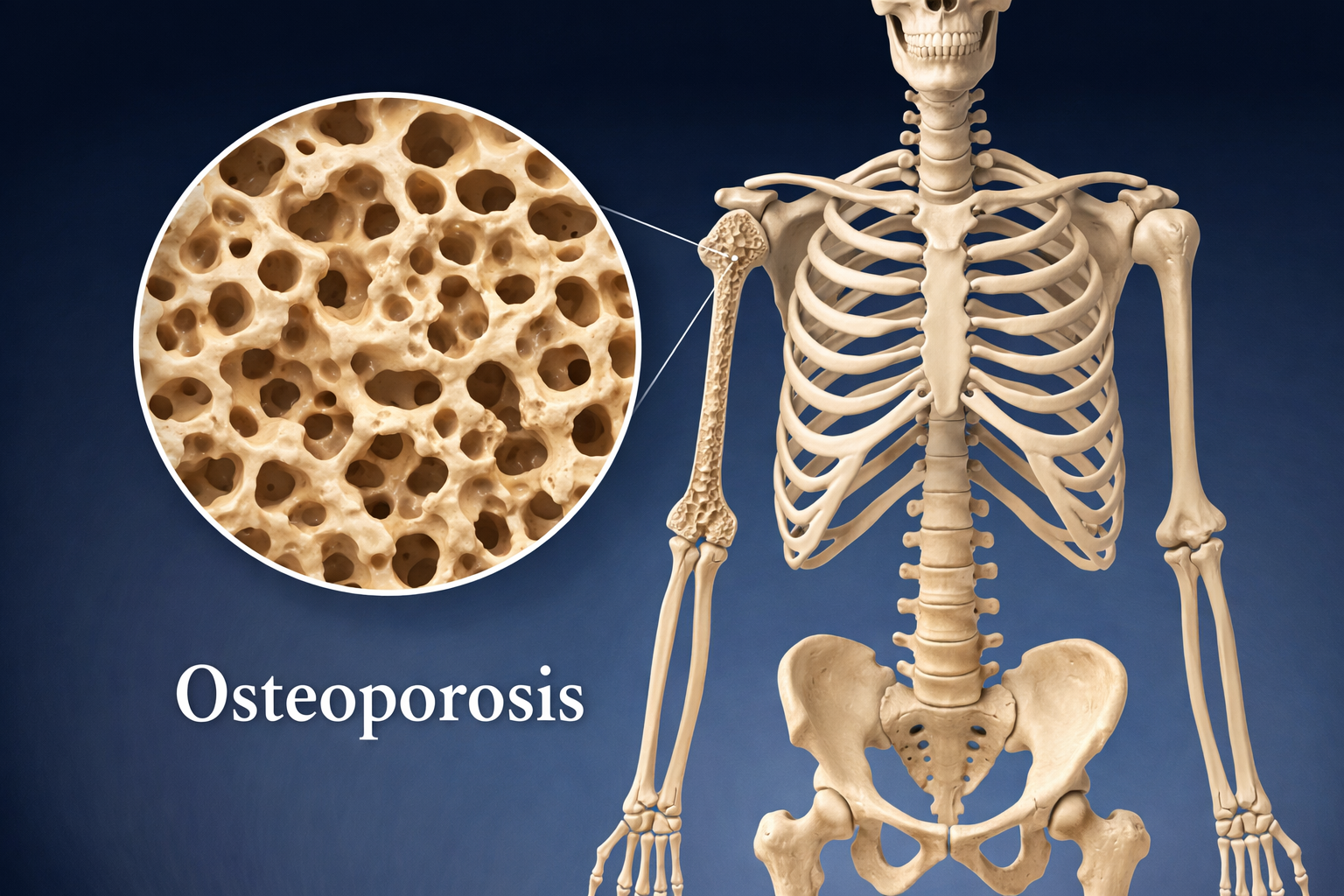
For many women, midlife is a season of transition. The body changes, energy levels shift, hormones begin to fluctuate, and health concerns that once felt far away start to feel much more real. One of the most important of these concerns is bone health. Osteoporosis, often called a “silent disease,” can develop gradually over the years without obvious symptoms, only becoming noticeable after a fracture or sudden loss of strength and stability.
That is what makes prevention so important, especially during middle age. Bone loss does not happen overnight, and strong bones are not something we can simply build back instantly later in life. The daily habits women practice in their forties, fifties, and early sixties can make a meaningful difference in long-term bone health.
The encouraging news is that osteoporosis prevention is not about one dramatic change. It is about a steady routine. The foods you eat, the way you move, the quality of your sleep, your exposure to sunlight, your stress levels, and even your posture and balance habits all work together over time. A healthy bone routine is not only about avoiding future fractures. It is about staying active, independent, and confident in your everyday life.
In this post, we will explore a practical midlife routine for women who want to support bone health and reduce the risk of osteoporosis. This is not an extreme fitness plan or a rigid diet. It is a realistic lifestyle approach built around simple habits that can be maintained for years.
Bone is living tissue. It is constantly being broken down and rebuilt. In younger years, the body usually builds bone faster than it loses it. But as women enter midlife, especially around menopause and after, that balance begins to change.
Declining estrogen levels play a major role. Estrogen helps protect bone mass, so when estrogen levels fall, bone loss can happen more quickly. This is one reason women are at higher risk of osteoporosis after menopause. Age alone is not the only factor, but hormonal changes make this stage of life especially important for prevention.
The challenge is that bone loss often happens quietly. You may feel completely normal while bone density is slowly decreasing. That is why prevention should begin before there is a problem, not after one appears.
A strong osteoporosis-prevention routine in middle age helps support:
Bone density
Muscle strength
Balance and coordination
Joint support
Reduced fall risk
Long-term mobility and independence
In other words, the goal is not only stronger bones on paper. It is a stronger, more stable life.
1. Start With a Bone-Friendly Morning Routine
The first part of the day can shape many of your health decisions. A good morning routine does not need to be perfect, but it should support consistency.
For women focused on bone health, mornings are a good time to build in three important habits: movement, nourishment, and light exposure.
Start the day by getting your body moving, even gently. This does not have to mean a hard workout before breakfast. A walk, light stretching, or a short strength session can wake up the muscles and remind the body that it needs to stay active and supportive. Bones respond to use. When the body moves against gravity, it sends signals that help maintain bone strength.
Morning meals matter too. Skipping breakfast regularly may not seem directly connected to bones, but poor nutrition habits tend to add up over time. A bone-supportive breakfast might include calcium-rich foods, protein, and other nutrients that help overall body maintenance.
Sunlight exposure also has value. Many women spend most of the day indoors, which can reduce opportunities for natural vitamin D support. A bit of safe morning sunlight, when possible, can become part of a sustainable wellness rhythm.
The point is not to make mornings complicated. It is to stop beginning the day in a way that ignores your body’s long-term needs.
2. Prioritize Calcium Through Everyday Meals
When people think about osteoporosis prevention, calcium is usually the first thing that comes to mind, and for good reason. Calcium is essential for bone health. If the body does not get enough calcium through food, it may draw calcium from the bones to keep other functions running properly.
That said, prevention is not just about taking a random supplement and hoping for the best. It is better to build calcium into your regular eating pattern.
Foods that may support calcium intake include dairy products like milk, yogurt, and cheese, as well as calcium-fortified foods, tofu made with calcium, leafy greens, almonds, and certain fish with edible bones. Not every woman enjoys the same foods or tolerates dairy well, so the best routine is one that fits your lifestyle and remains realistic.
What matters most is consistency. A single healthy meal does very little on its own. But a year of regularly eating in a way that supports bone health can make a meaningful difference.
It also helps to think beyond calcium alone. A meal pattern that includes enough protein, minerals, and overall balanced nutrition is usually more helpful than focusing on one nutrient in isolation.
3. Do Weight-Bearing Exercise, Not Just Gentle Movement
Walking is wonderful, and gentle movement has many benefits. But when it comes to preventing osteoporosis, women in midlife should remember that bone health responds especially well to weight-bearing and resistance-based activity.
Weight-bearing exercise means movement that works against gravity while you stay upright. This includes walking, hiking, dancing, stair climbing, and certain forms of aerobic exercise. Resistance training, such as using weights, resistance bands, or body weight, helps strengthen muscles and encourages bones to stay engaged as well.
Many women are active in ways that are good for circulation or flexibility but do not challenge bone and muscle enough to fully support long-term strength. For example, stretching is helpful, but stretching alone is not enough. Casual movement is beneficial, but it does not replace strengthening work.
A smart routine usually includes a mix of:
Walking or other weight-bearing cardio
Strength training several times a week
Balance work
Mobility and flexibility support
This combination helps not only with bone density but also with fall prevention, which is equally important. Stronger legs, better posture, and improved balance reduce the risk of injuries later on.
4. Do Not Ignore Muscle Health
Bone health and muscle health are closely connected. Bones do not function well in isolation. They rely on muscle support for movement, stability, and impact. When muscle mass declines with age, bones often face greater stress and less protection.
This is why women in midlife should not focus only on being thin or simply “staying active.” Maintaining muscle is just as important. In fact, chasing weight loss too aggressively can sometimes work against bone health if it leads to under-eating, weakness, or loss of lean body mass.
A healthy routine includes enough protein, regular resistance exercise, and recovery time that allows muscle to rebuild. Women who maintain stronger muscles often move with more confidence and are better protected against falls and frailty.
This shift in mindset matters. Instead of asking, “How do I stay smaller?” it may be more helpful to ask, “How do I stay stronger?”
5. Support Vitamin D in a Consistent Way
Calcium often gets more attention, but vitamin D is just as important because it helps the body absorb calcium effectively. Without adequate vitamin D, even a calcium-rich diet may not support bones as well as it should.
Midlife women are often more vulnerable to low vitamin D for simple lifestyle reasons. Many spend long hours indoors, use sun protection appropriately, or live in areas with limited sunlight during certain seasons. Skin also becomes less efficient at producing vitamin D with age.
A prevention routine should include awareness of vitamin D, whether through sunlight exposure, food choices, or medical guidance when needed. The right approach varies by person, season, and health condition, but the larger point is this: bone health is not only about what you eat. It is also about what your body can actually use.
6. Reduce Habits That Quietly Weaken Bones
Sometimes prevention is less about adding more and more healthy habits and more about reducing the habits that slowly work against your body.
Smoking is one of the clearest examples. It has been linked to poorer bone health and many other long-term risks. Excessive alcohol use can also interfere with bone maintenance and increase fall risk. Chronic dieting, very low-calorie eating, and unbalanced meal patterns may deprive the body of the resources it needs to protect bones.
Even too much sedentary time can become part of the problem. A woman may believe she is “doing okay” because she walks once in a while, but if the rest of the day is spent sitting for long stretches, the body is still not getting enough physical stimulation.
Midlife routines should look honestly at these patterns. Prevention is not only about what sounds healthy. It is also about what is quietly draining strength over time.
7. Pay Attention to Posture, Balance, and Fall Prevention
When people talk about osteoporosis, they often focus only on bone density numbers. But bone safety in real life also depends on how well you move through your environment.
A woman with modest bone loss but excellent balance, posture, and leg strength may function far better than someone with poor coordination and frequent instability. Preventing falls is a huge part of preventing fractures.
That means your routine should include habits that improve body awareness. Simple balance exercises, core strengthening, posture correction, and lower-body stability work can all help. Yoga or tai chi may also be useful when practiced safely, especially for body control and coordination.
Your home environment matters too. Slippery floors, poor lighting, loose rugs, and cluttered walkways can all increase risk. Bone health is not just biological. It is practical.
8. Get Serious About Sleep and Recovery
Many women in midlife treat sleep as optional because life is busy. Work, caregiving, stress, and hormonal changes can all make sleep more difficult. But recovery matters more than many people realize.
Poor sleep can affect hormones, appetite, inflammation, energy levels, exercise consistency, and emotional resilience. When women are tired all the time, they are less likely to prepare nourishing meals, exercise regularly, or maintain healthy routines. Fatigue can also affect coordination and increase the risk of accidents.
A bone-supportive routine does not need a perfect bedtime ritual, but it does need respect for recovery. Consistent sleep timing, less late-night screen exposure, reduced caffeine too late in the day, and a calmer evening rhythm can support overall wellness in ways that also benefit long-term bone health.
9. Manage Stress Before It Starts Running Your Routine
Stress may not seem directly related to osteoporosis at first glance, but chronic stress often shapes the very habits that influence long-term health. Under ongoing stress, women may eat poorly, skip workouts, sleep less, sit more, and feel too drained to care for themselves consistently.
In some cases, chronic stress may also affect hormonal balance and overall inflammation. Even without getting overly technical, it is clear that a stressed body often becomes a less well-supported body.
That is why a realistic midlife routine needs some form of stress management. This does not have to mean expensive wellness programs or complicated practices. A daily walk, quiet reading time, journaling, stretching, prayer, meditation, or simply protecting a little personal space can all help.
10. Maintain a Healthy Body Weight Without Extreme Dieting
Bone health and body weight have a complex relationship, but one thing is clear: extreme dieting is rarely helpful. Women who constantly cycle through restrictive eating plans may not get enough calcium, protein, or total energy to support bone and muscle maintenance.
At the same time, overall health still matters, so the answer is not to ignore weight completely. The healthier approach is to aim for steadiness. Support your body with balanced meals, strength-building activity, and habits that promote long-term wellness rather than quick fixes.
Midlife is not the ideal time to keep punishing the body in pursuit of unrealistic appearance goals. It is the time to invest in durability, resilience, and function.
11. Keep Up With Health Screenings and Ask Questions Early
A good prevention routine includes not only daily habits but also attention to medical care. Women in midlife should not wait until a fracture happens to think seriously about bone health.
If you have a family history of osteoporosis, have gone through early menopause, have taken certain medications, have a smaller body frame, or have other risk factors, it may be wise to talk with a healthcare professional earlier rather than later. Screening discussions can help identify concerns before they become more serious.
One of the best things a woman can do for her bones is to stop treating health like a short-term challenge. Bone protection is not a two-week reset. It is a long game.
That means your routine should be realistic enough to continue. A moderate walking habit is better than an intense workout plan you abandon after ten days. Regular balanced meals are better than a dramatic diet that leaves you exhausted. Light strength training done consistently is better than doing nothing because the “perfect plan” feels too overwhelming.
Women in midlife often have many responsibilities. The best bone-health routine is the one that works within a real life, not an ideal one.
A Simple Midlife Osteoporosis Prevention Routine
A practical daily pattern might look like this:
Start the day with light movement and a nourishing breakfast. Get some sunlight when possible. Include calcium-rich and protein-rich foods throughout the day. Break up long sitting periods. Add walking and strength training into the week. Practice simple balance or posture exercises. Prioritize sleep. Reduce smoking or excess alcohol if those habits are present. Keep up with checkups and stay aware of your individual risk factors.
None of this is extreme. That is exactly why it works.
Final Thoughts
Osteoporosis prevention for middle-aged women is not about fear. It is about preparation. Bone loss may be silent, but the habits that protect bones can be loud and clear in your everyday life. The way you eat, move, rest, and care for yourself in midlife lays the foundation for how strong and independent you may feel in the years ahead.
You do not need a perfect routine. You need a steady one. A little more strength work. A little more nourishment. A little more sunlight, balance, sleep, and awareness. Over time, these choices add up.
Strong bones support more than your frame. They support your freedom, your confidence, and your ability to keep living life on your own terms. And that is a goal worth building toward, one day at a time.
Hi, I’m the creator and editor behind ZestyHabit. I research everyday safety, first aid, and practical wellness topics using official guidance and reliable public sources, then turn that information into clear, realistic steps for daily life.
My goal is to help readers make safer, better-informed choices at home and beyond.