
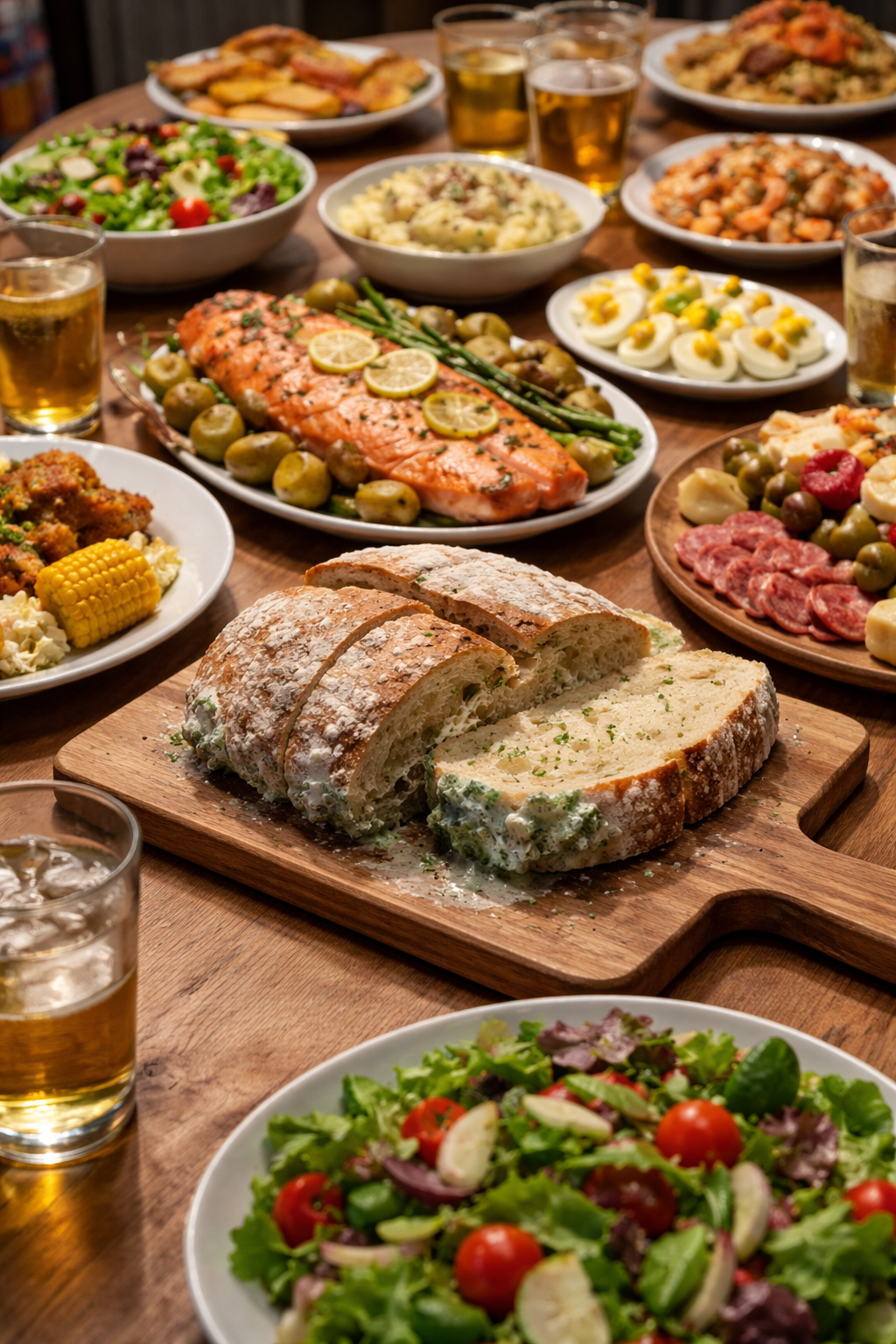

Summer is the season of cold noodles, picnic food, late-night delivery, outdoor barbecues, beach snacks, and meals that spend a little too long sitting out on the table.
It is also the season when food poisoning becomes much easier to trigger.
Hot weather creates the perfect environment for harmful bacteria to multiply faster, especially when food is left at unsafe temperatures, handled carelessly, or stored improperly. The CDC recommends four basic food-safety steps—clean, separate, cook, and chill—while the WHO adds a fifth: use safe water and raw materials. USDA also warns that bacteria grow quickly in the “danger zone” between 40°F and 140°F, and that perishables should not stay out for more than 2 hours, or more than 1 hour if the temperature is above 90°F.
The good news is that food poisoning prevention is not about doing anything complicated. In everyday life, it comes down to a few consistent habits. The people who avoid summer food trouble are often not the luckiest ones. They are the ones who are a little more careful with time, temperature, and hygiene.
Here are the summer food-safety habits worth building into your routine.
Wash Your Hands Before You Touch Food
This sounds basic, but it is one of the habits people skip most often, especially in summer.
You are out, moving around, touching phones, bags, door handles, delivery packaging, money, shopping carts, and public surfaces. Then you come home and start handling fruit, leftovers, or cooked food. That is an easy way to move germs straight into your meal.
The CDC lists handwashing and cleaning surfaces as one of the core food-safety steps. WHO also puts “keep clean” first in its safer-food guidance.
In real life, this means washing your hands before cooking, before eating, after handling raw meat or seafood, and after touching trash, pets, or anything that may be contaminated. In summer, when people snack more casually and eat more often outside the home, this one habit matters even more.
Do Not Leave Food Sitting Out Too Long
This is one of the biggest summer mistakes.
People order food, chat for a while, take photos, watch TV, or keep eating slowly outdoors while the food stays out. It feels harmless because the meal still looks fine. But harmful bacteria do not announce themselves with a warning smell or obvious color change.
USDA says bacteria multiply rapidly between 40°F and 140°F, the temperature range known as the danger zone. Perishable foods should not be left out for more than 2 hours, and if the temperature is above 90°F, the limit drops to 1 hour.
That means summer food should be treated with more urgency than people usually give it. If the meal is over, store it. If delivery arrives but you are not going to eat right away, refrigerate it. If you are outdoors, assume food warms up faster than you think.
Refrigerate Leftovers Promptly
Many cases of summer stomach trouble start with leftovers that were handled too casually.
The food was cooked properly. It tasted fine. But it sat out too long before going into the refrigerator, or it was packed away while still forgotten on the counter for hours. That is often where the problem begins.
CDC and USDA guidance both emphasize chilling food promptly as one of the main ways to prevent food poisoning.
A good summer habit is simple: once the meal is done, do not “deal with it later.” Put leftovers into shallow containers and refrigerate them as soon as reasonably possible. The longer food stays out in warm conditions, the riskier it becomes.
Keep Raw and Ready-to-Eat Foods Separate
Cross-contamination is one of those invisible problems that happens quietly.
You cut raw chicken on a board, then use the same knife or surface for fruit, salad, or cooked food. Or raw meat juices leak in a grocery bag, cooler, or refrigerator. Nothing looks dramatic, but germs move from risky food to food that will not be cooked again.
The CDC and WHO both stress separating raw and cooked foods. USDA does too.
In daily life, this means using separate cutting boards when possible, washing knives and counters after raw meat or seafood, and storing raw items below ready-to-eat items in the refrigerator so drips do not contaminate other foods. It is a small habit, but it prevents a very common summer mistake.
Wash Fruits and Vegetables, Especially in Hot Weather
Summer usually means eating more produce—watermelon, berries, lettuce, cucumbers, tomatoes, herbs, and cold fruit straight from the fridge.
That is great, but fresh produce can still carry germs if it is not washed properly. CDC guidance specifically lists unwashed fruits and vegetables among foods more likely to spread harmful germs, and also points to cut melon as a higher-risk item.
This matters because people often assume fruits and vegetables are automatically “safe” compared with meat. But produce is frequently eaten raw, which means there is no cooking step to reduce contamination. A good summer habit is to rinse produce under running water before eating, cutting, or peeling it. Prewashed items are one thing, but many fresh items still need attention before they hit the plate.
Be Extra Careful With Delivery Food and Takeout
Summer food poisoning is not only about home cooking. Delivery food can also become risky if it sits too long after arrival.
This is especially true for rice dishes, meat dishes, egg-based foods, seafood, dairy-heavy items, and anything with sauces or fillings. The issue is not always where the food came from. It is what happens after it reaches you. If it sits at room temperature for too long, the clock starts ticking.
CDC outbreak guidance continues to reinforce the same core steps for home meals and delivered food alike: clean, separate, cook, and chill.
A smart habit is to treat delivered food like freshly cooked perishable food, not like something that can safely stay out all evening. Eat it promptly, refrigerate leftovers quickly, and do not assume the box

Hi, I’m the creator and editor behind ZestyHabit. I research everyday safety, first aid, and practical wellness topics using official guidance and reliable public sources, then turn that information into clear, realistic steps for daily life.
My goal is to help readers make safer, better-informed choices at home and beyond.


[…] soft before you have a chance to use them. If several avocados ripen at once, freezing can be a practical way to prevent food […]