
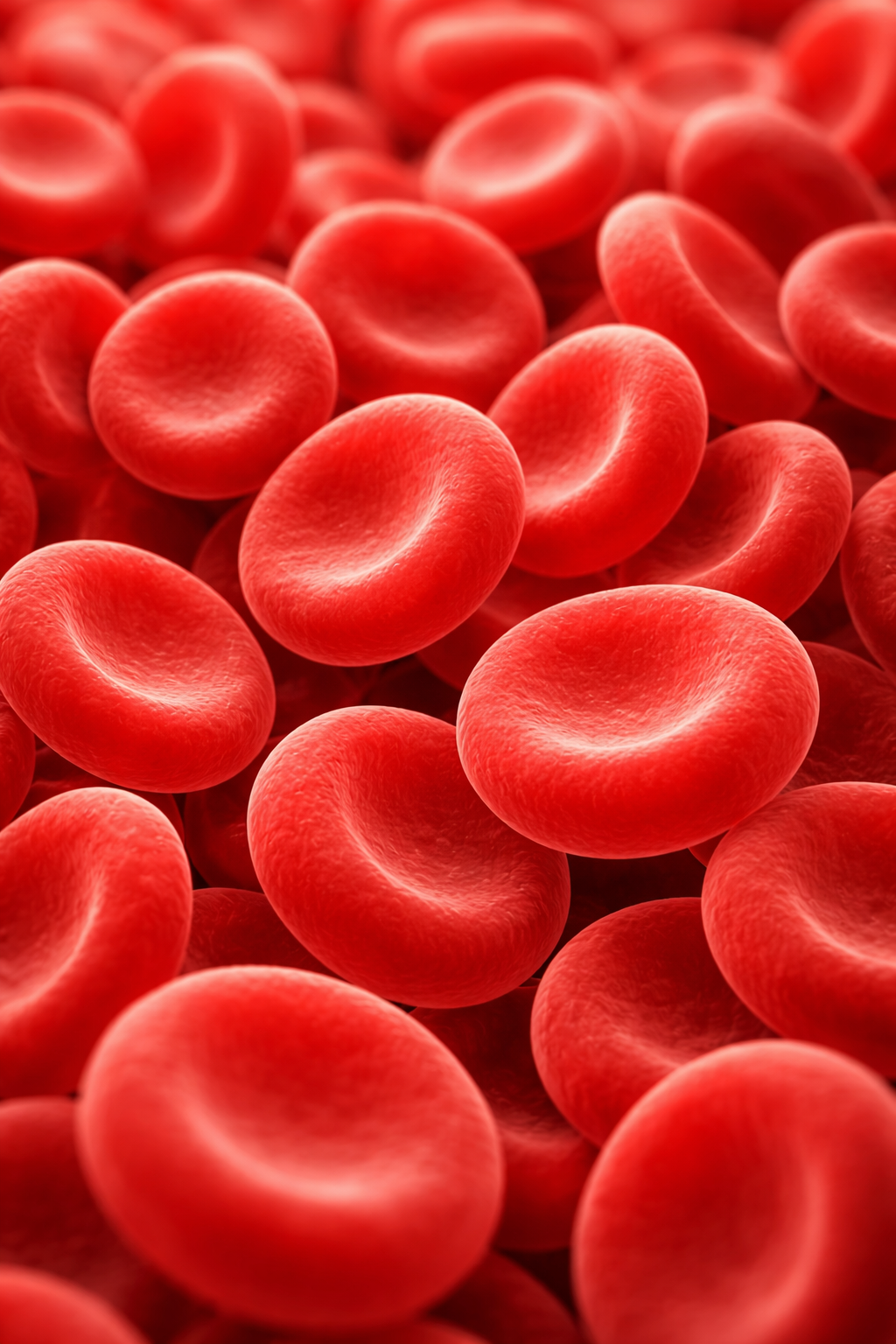

Anemia is one of those health issues that often builds quietly. It does not always announce itself dramatically at first. Instead, it can show up as everyday fatigue, dizziness, poor concentration, shortness of breath, pale skin, or a general sense that your body is running on less energy than it should. Many women brush these symptoms aside, blaming stress, lack of sleep, a busy routine, or simply “getting through the week.” But in many cases, low iron or other nutrient imbalances may be playing a role.
Women are especially vulnerable to anemia for several reasons. Menstruation, pregnancy, postpartum recovery, restrictive dieting, unbalanced eating habits, and higher nutrient demands during different life stages can all increase the risk. While anemia can have multiple causes, one of the most common is iron deficiency. That is why meal strategy matters so much. Food is not always the whole answer, especially if anemia is already significant, but daily eating habits can do a great deal to support prevention.
The good news is that preventing anemia does not mean eating a perfect diet or obsessing over every bite. It means understanding how to build meals more intentionally. What you eat matters, but so does how you combine foods, how regularly you eat, and whether your routine actually helps your body absorb the nutrients it needs.
In this post, we will look at practical meal strategies women can use to help prevent anemia, support iron balance, and build a diet that feels realistic, nourishing, and sustainable over time.
Why Women Are More Prone to Anemia
Women often have a higher risk of iron deficiency anemia than men because of regular blood loss during menstruation. For some, periods are light and manageable. For others, heavy menstrual bleeding can steadily reduce iron stores over time, even if it is not immediately obvious. Pregnancy also increases iron needs because the body must support a growing baby, increased blood volume, and changes in maternal tissues. Breastfeeding and postpartum recovery can add further nutritional demands.
Beyond biology, lifestyle patterns matter too. Many women skip meals, eat lightly during the day, rely on coffee in place of breakfast, or follow diet trends that unintentionally reduce iron intake. Some avoid red meat without fully replacing the iron they would otherwise get from it. Others eat iron-containing foods but combine them in ways that reduce absorption.
This is why anemia prevention is not just about eating “healthy” in a general sense. It is about being strategic enough to meet the body’s specific needs.

Understanding Iron: Not All Iron Works the Same Way
When talking about anemia prevention, iron is usually the first nutrient that comes up, and for good reason. But it helps to know that there are two main types of dietary iron: heme iron and non-heme iron.
Heme iron is found in animal-based foods such as red meat, poultry, liver, and seafood. It is generally easier for the body to absorb.
Non-heme iron is found in plant-based foods such as beans, lentils, tofu, spinach, nuts, seeds, and fortified grains. It is still valuable, but the body absorbs it less efficiently. That does not mean plant-based diets cannot support iron status. They absolutely can. It simply means women who rely mostly on plant foods need to be more deliberate about food combinations and overall intake.
This is where meal strategy becomes especially important. An iron-rich meal is one thing. An iron-rich meal that is also well absorbed is even better.
1. Build Meals Around Iron Sources Instead of Hoping Iron “Shows Up”
One of the simplest ways to prevent anemia is to stop treating iron as an accidental nutrient. Many women eat whatever is convenient and assume their needs will naturally be covered. But iron is one of those nutrients that benefits from intention.
Instead of asking, “What should I eat today?” it helps to ask, “Where is the iron in this meal?”
For women who eat animal products, good iron-supporting foods include lean beef, dark poultry meat, shellfish, sardines, eggs, and certain organ meats. For women who prefer plant-based eating, useful sources include lentils, chickpeas, black beans, soy foods, pumpkin seeds, sesame seeds, quinoa, fortified cereals, and dark leafy greens.
Not every meal has to be perfectly iron-focused, but it helps if at least one or two meals each day include a meaningful iron source. The more casually you leave it to chance, the easier it becomes to fall short over time.
2. Pair Iron With Vitamin C to Improve Absorption
This is one of the most powerful and underrated food strategies for anemia prevention. Vitamin C can significantly improve the absorption of non-heme iron, the kind found in plant foods and fortified foods.
That means the meal matters not only because of the iron in it, but also because of what is eaten alongside it.
A bowl of lentils becomes more supportive when paired with tomatoes or bell peppers. Spinach works better when eaten with citrus, strawberries, or broccoli. Fortified oatmeal becomes more useful when served with fruit rich in vitamin C. Tofu and vegetable stir-fry can become a smarter iron-supportive meal when it includes red peppers or a citrus-based sauce.
This is a practical example of how meal quality is not only about individual foods. It is about combinations. Even small changes, like adding orange slices to breakfast or squeezing lemon over beans or greens, can help your body use iron more effectively.
3. Do Not Rely on Coffee or Tea Around Iron-Rich Meals
Many women begin the day with coffee and continue drinking it throughout the morning. Others enjoy tea with meals and think little of it. While these habits may seem harmless, they can interfere with iron absorption, especially if your iron intake is already borderline.
Compounds in tea and coffee can reduce how much iron the body absorbs from a meal, particularly non-heme iron from plant-based foods. This does not mean you must give up coffee or tea entirely. It simply means timing matters.
If possible, avoid drinking tea or coffee right with iron-rich meals. Having them between meals instead may be a better strategy, especially for women who are prone to low iron or have already been told their iron stores are low.
Sometimes anemia prevention is not about eating more. It is about removing small barriers that quietly reduce the benefit of what you already eat.
4. Stop Skipping Meals, Especially Breakfast
Meal skipping is surprisingly common, especially among busy women. Some rush out the door with only coffee. Others delay eating until lunch because they are trying to “eat lighter” or because mornings feel too hectic. Over time, this pattern can make it harder to meet nutrient needs, including iron.
Breakfast does not need to be elaborate, but it should ideally contain something more substantial than caffeine alone. A fortified cereal with fruit, eggs with whole grain toast, oatmeal with seeds and berries, or a tofu scramble with vegetables can all be better starts than simply pushing food off until later.
Women who skip breakfast are often more likely to under-eat overall, snack randomly later, or fail to build consistent nutrient density into the day. When the body has ongoing needs, irregular eating patterns rarely help.
5. Include Protein in a Way That Also Supports Iron Intake
Protein and iron often work well together in meal planning, especially when the protein source itself contains iron. This is why well-structured meals tend to support anemia prevention more effectively than carb-heavy, low-protein eating patterns.
For example, a lunch built around lentils, chicken, tuna, tofu, or lean beef is usually more supportive than one built mainly around bread, crackers, or noodles with very little substance. This does not mean carbs are bad. It means meals need balance.
Protein also helps women maintain energy, satiety, and overall nutritional adequacy, which matters because undernourishment in general can make recovery harder if iron stores start to fall.
The best meal strategies are rarely about one single nutrient. They are about building meals that nourish the body broadly while still paying attention to specific risks like anemia.
6. Use Fortified Foods Wisely
Not all iron must come from naturally iron-rich whole foods. Fortified foods can also play a useful role, especially for women who do not eat much meat or who struggle to meet their needs through standard meals.
Iron-fortified cereals, breads, plant milks, and grains can help fill nutritional gaps. But they work best when used intentionally rather than randomly. A fortified breakfast eaten with berries or citrus fruit can be a helpful part of an anemia-prevention routine. A fortified grain bowl combined with beans and vegetables can be another good option.
Fortified foods should not replace the value of a generally balanced diet, but they can absolutely support it. For many women, they make iron intake more realistic without requiring a complete change in eating style.
7. Pay Attention to Heavy Periods and Adjust Your Meals Accordingly
One of the biggest mistakes women make is eating the same way all the time without responding to their own body’s demands. If your menstrual periods are heavy, your need for iron awareness is greater. You may not need a dramatic “special diet,” but you do need to take your risk more seriously.
This means being especially consistent with iron-rich meals during the weeks around your cycle and not dismissing symptoms like unusual tiredness, weakness, or breathlessness as normal. Women with heavy menstrual bleeding often normalize symptoms for years before realizing iron depletion has been building in the background.
A smarter strategy is to think of your meals as support, especially during high-demand phases. Iron-rich soups, bean dishes, lean meats, eggs, dark greens, and fortified breakfasts may become even more useful when blood loss is part of your regular routine.
8. Plant-Based Women Need a More Deliberate Strategy, Not a Fearful One
It is completely possible for vegetarian and even vegan women to eat in a way that supports iron status. But it does require planning. Iron from plant foods is less readily absorbed, so quantity, variety, and pairing become more important.
A plant-based woman trying to prevent anemia should think about regular intake of lentils, beans, soy products, tempeh, tofu, pumpkin seeds, chia seeds, quinoa, iron-fortified foods, and dark leafy greens. Just as important, she should regularly pair these foods with vitamin C sources and be mindful of excessive tea or coffee intake near meals.
The goal is not to become anxious about deficiency. It is to become informed enough to eat well. A plant-based diet can be nourishing and effective, but casual vegetarian eating based mostly on bread, pasta, salads, and snacks may not be enough.
9. Do Not Ignore Other Nutrients That Support Healthy Blood
Iron gets the most attention, but it is not the only nutrient involved in preventing anemia. Folate, vitamin B12, vitamin A, copper, and adequate overall protein intake also matter for healthy red blood cell production and circulation.
This means an anemia-prevention diet should not become overly narrow. If you focus so much on iron that you neglect overall meal quality, you may still fall short in important ways.
Folate can be found in beans, leafy greens, asparagus, avocado, and legumes. Vitamin B12 is especially important for women who eat little or no animal food, since it is mainly found in animal products and fortified foods. Protein, eggs, dairy, fish, and a wide range of nutrient-dense foods all contribute to a healthier foundation.
A body that is well nourished overall is better equipped to maintain healthy blood than one that is technically “trying to eat iron” but otherwise running on poor-quality intake.
10. Choose Smart Snacks Instead of Empty Convenience Foods
Snacking is not automatically unhealthy. In fact, for some women, snacks can help close nutrient gaps. The issue is that many common snacks do very little to support iron intake or overall nourishment.
Chips, cookies, sugary pastries, and low-substance processed foods may be convenient, but they do not offer much protection against anemia. Smarter snack choices might include trail mix with pumpkin seeds, hummus with vegetables, boiled eggs, fortified crackers with bean spread, yogurt with fruit, or roasted chickpeas.
These do not need to be perfect “health foods.” They just need to contribute something meaningful. Small choices repeated daily often matter more than one ideal lunch once in a while.
11. Be Careful With Extreme Dieting
Restrictive diets can quietly increase anemia risk, especially in women. Diet plans that severely limit calories, cut out entire food groups, or encourage chronic under-eating often reduce intake of iron, protein, and other important nutrients. Over time, this can leave the body depleted.
This is particularly common in women who are always “trying to be good” with food. They may eat salads without protein, skip meals after overeating, avoid heavier foods out of fear, or spend years in a cycle of dieting without realizing that their energy, hair health, mood, and iron status are all being affected.
Prevention works better when meals are regular, adequate, and balanced. The body cannot build healthy blood from constant nutritional scarcity.
12. Think in Patterns, Not Isolated Meals
One iron-rich dinner does not erase weeks of poor eating. Likewise, one low-iron day does not automatically create a problem. The real issue is pattern.
Anemia prevention comes from repetition: regularly including iron sources, regularly improving absorption with vitamin C, regularly eating enough, and regularly avoiding habits that interfere with absorption. That is why simple routines are often more effective than complicated food rules.
A woman who eats eggs and fruit for breakfast, a lentil or chicken lunch, a balanced dinner with greens and protein, and nutrient-dense snacks may not think she is doing anything remarkable. But over months and years, that pattern can be deeply protective.
This is where sustainable health always wins over perfectionism.
A Simple Daily Meal Pattern for Anemia Prevention
A practical day of eating might look something like this.
Breakfast could be iron-fortified oatmeal with strawberries and pumpkin seeds, or eggs with whole grain toast and fruit.
Lunch might be a lentil bowl with quinoa, spinach, tomatoes, and lemon dressing, or beef and vegetable soup with citrus on the side.
A snack could include roasted chickpeas, yogurt with berries, or nuts and seeds.
Dinner could be grilled chicken or tofu with broccoli, beans, and brown rice, or a bean stew with red peppers and leafy greens.
Coffee and tea can still fit into the day, just not ideally right next to iron-focused meals.
This is not a rigid plan. It is simply an example of how daily eating can become more supportive without becoming stressful.
When Food Alone May Not Be Enough
It is important to be honest here: food is powerful, but it is not always the whole answer. If a woman already has significant anemia, very heavy periods, digestive issues, chronic fatigue, or symptoms that are worsening, she should not rely only on dietary changes and hope for the best.
Medical evaluation matters. Some women need blood testing, treatment for heavy bleeding, iron supplementation, or evaluation for other causes of anemia such as B12 deficiency, digestive disorders, or absorption problems. Food can support recovery, but sometimes the body needs more direct help.
Being proactive about meals is wise. Ignoring symptoms is not.
Final Thoughts
Preventing anemia in women is not about eating perfectly. It is about eating intentionally. Women’s bodies move through life stages that place real demands on iron and overall nutrition, and those demands deserve more attention than they often get. Menstruation, pregnancy, busy routines, diet culture, and inconsistent eating habits can all increase vulnerability, but smart meal strategy can make a meaningful difference.
The most helpful habits are often simple: include real iron sources regularly, pair them with vitamin C, avoid blocking absorption with coffee or tea at the wrong time, stop skipping meals, and think in consistent patterns rather than one-off “healthy” choices. Add in balanced nutrition, adequate protein, and awareness of your own cycle and symptoms, and your meals become much more than fuel. They become prevention.
Women are often taught to push through tiredness and dismiss subtle warning signs. But low energy is not always something to normalize. Sometimes it is the body asking for better support. And often, that support can begin with what is on the plate every day.

Hi, I’m the creator and editor behind ZestyHabit. I research everyday safety, first aid, and practical wellness topics using official guidance and reliable public sources, then turn that information into clear, realistic steps for daily life.
My goal is to help readers make safer, better-informed choices at home and beyond.


