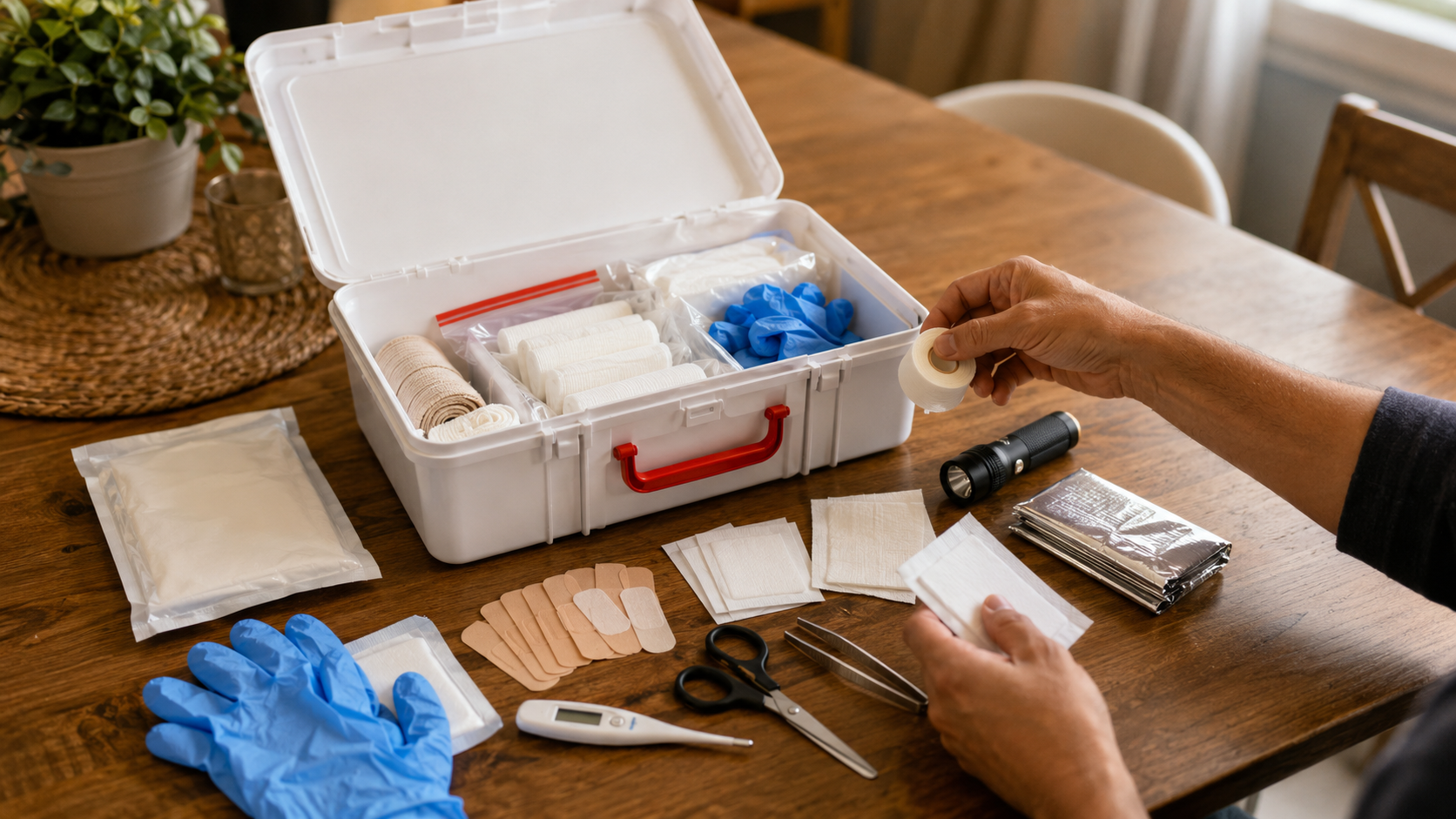
What Every Home First Aid Kit Should Have: A Practical Safety Checklist for Everyday Families
Minjin Park
·
Learn what to keep in a home first aid kit, where to store it, common mistakes to avoid, and how to keep your household prepared for everyday cuts, burns, allergies, and minor illnesses.
Why Every Home Needs a Thoughtfully Stocked First Aid Kit
A home first aid kit is one of those things you do not think about much until you suddenly need it.
Maybe someone cuts a finger while chopping vegetables. Maybe your child gets a scraped knee in the driveway. Maybe you wake up with a headache and realize the pain reliever expired two years ago. Or maybe there is a small burn from a hot pan, and you find yourself digging through bathroom drawers looking for gauze, ointment, or anything clean enough to cover it.
That is the real value of a home first aid kit. It is not about preparing for every possible emergency. It is about making ordinary household problems easier to handle calmly.
A good kit helps you respond to small injuries, minor discomforts, and unexpected moments without scrambling. It also keeps supplies in one predictable place, so everyone in the house knows where to look.
The best first aid kit is not necessarily the biggest or most expensive one. It is the one that fits your household, stays organized, and gets checked regularly.
Start With the Basics: Bandages and Wound Care
Most home first aid kits are used for small cuts, scrapes, and blisters. That means wound care supplies should be the foundation of your kit.
Adhesive Bandages in Different Sizes
A box of assorted adhesive bandages is one of the first things to include. Small bandages work for tiny cuts, while larger ones are helpful for knees, elbows, and bigger scrapes.
It is also smart to keep a few fingertip and knuckle bandages. Regular bandages do not always stay in place on moving joints, especially when hands are being washed often.
For families with children, colorful or character bandages are not required, but they can make a small scrape feel less upsetting. Sometimes the comfort matters almost as much as the bandage.
Sterile Gauze Pads
Gauze pads are useful when a cut or scrape is too large for a standard bandage. Keep several sizes in your kit.
Sterile gauze is especially helpful because it gives you a clean surface to cover the area. Store the pads in their original packaging until you need them.
Medical Tape
Gauze is not very useful if you have no way to hold it in place. A roll of medical tape helps secure gauze pads, wraps, or light dressings.
Look for tape that is easy to tear and gentle on skin. If someone in your home has sensitive skin, consider keeping a hypoallergenic option.
Antiseptic Wipes
Antiseptic wipes can help clean around small cuts and scrapes. Individually wrapped wipes are convenient because they stay clean and do not dry out as quickly as a large opened container.
Keep in mind that cleaning a wound can sting, especially for children. Having clean water available is also important for rinsing dirt away from minor scrapes.
Antibiotic Ointment
A small tube of antibiotic ointment is commonly kept in home kits for minor cuts and scrapes. Use it according to the product label, and avoid using old tubes that have been sitting open for years.
If anyone in your household has had skin reactions to certain ointments, choose supplies carefully and follow their healthcare provider’s guidance.
Supplies for Sprains, Strains, and Everyday Aches
A first aid kit is not only for cuts. It can also help with minor twists, sore muscles, and small bumps from daily life.
Elastic Bandage Wrap
An elastic bandage is useful for mild support around wrists, ankles, or knees. It can also help hold a cold pack in place.
The key is not to wrap too tightly. If fingers or toes feel numb, cold, tingly, or discolored, the wrap may be too tight and should be loosened.
Instant Cold Pack
Reusable ice packs are great if you have access to a freezer, but instant cold packs are useful when you need something right away. They are especially helpful for cars, sports bags, or homes where the freezer is packed.
Keep at least one or two in your kit. Check the packaging now and then, because they can leak or become damaged over time.
Pain Reliever
Many households keep over-the-counter pain relievers such as acetaminophen or ibuprofen in the medicine cabinet. These may be useful for headaches, minor aches, or fever, depending on the person and the product label.
This is one area where it is important to be careful. Not every medicine is right for every person. Age, allergies, medical conditions, pregnancy, other medications, and dosage instructions all matter.
Keep medicines in their original packaging so directions and warnings are easy to read.
Tools That Make a First Aid Kit More Useful
Some of the most helpful first aid kit items are not medicines at all. They are simple tools that make small problems easier to handle.
Tweezers
Tweezers can help remove tiny splinters or debris from the skin. Choose a pair with a good grip and store them clean.
Do not use rusty, dirty, or dull tweezers. After use, clean them before placing them back in the kit.
Small Scissors
A small pair of scissors can be used to cut gauze, medical tape, or clothing tags that are irritating the skin. Rounded-tip scissors are a good choice for homes with children.
Keep them inside the kit so you are not searching through a junk drawer when you need them.
Disposable Gloves
Disposable gloves help protect both the person giving care and the person receiving it. They are useful when handling blood, body fluids, or messy wounds.
Nitrile gloves are a good option for many households, especially because some people are sensitive to latex. Keep several pairs in different sizes if possible.
Digital Thermometer
A thermometer is one of the most practical items to keep at home. When someone says they “feel warm,” it helps to have an actual reading instead of guessing.
Store the thermometer with extra batteries if it uses them. Also keep it clean according to the instructions that came with it.
Safety Pins
Safety pins can help secure a wrap or sling in a pinch. They are small, cheap, and easy to forget until you need one.
Store them in a tiny plastic bag or container so they do not poke through other supplies.
Medicines and Comfort Items to Consider
A home medicine kit should be practical, not overloaded. The goal is to keep common supplies available without turning your cabinet into a confusing pile of half-used bottles.
Allergy Relief
An over-the-counter antihistamine may be useful for seasonal allergies or mild allergic symptoms, depending on the person and product directions.
Some allergy medicines can cause drowsiness, while others are labeled non-drowsy. Read labels carefully and keep them in their original boxes.
If anyone in your household has a known severe allergy and has been prescribed emergency medication, follow their healthcare provider’s instructions for storage, access, and expiration checks.
Anti-Itch Cream or Hydrocortisone Cream
Bug bites, mild rashes, and itchy skin can be annoying, especially for children. A small tube of anti-itch cream may help with minor irritation when used as directed.
Check the label for age guidance and avoid using it on large areas unless directed by a healthcare professional.
Burn Gel or Aloe Gel
For minor kitchen burns or sun-related discomfort, some households keep burn gel or aloe gel. These can be soothing for small, mild skin irritations.
Do not rely on home supplies for serious burns, large burns, burns on sensitive areas, or burns that look concerning. Those situations need appropriate medical attention.
Antacids or Stomach Relief
A basic antacid may be helpful for occasional heartburn or indigestion. Some households also keep anti-diarrheal medicine or oral rehydration packets.
Again, labels matter. These products are not suitable for everyone, and symptoms that are severe, unusual, or persistent should not be ignored.
Saline Solution
Saline solution can be useful for rinsing eyes or cleaning small areas of skin, depending on the product. Single-use sterile saline packets or wound wash sprays are convenient and easy to store.
Avoid using random homemade mixtures or old opened bottles that may no longer be clean.
Personal Items Your Kit Should Include
A first aid kit should not be one-size-fits-all. It should reflect the people who actually live in your home.
Prescription Medications
For households with daily prescription medications, it is wise to think about what would happen during a power outage, storm, travel delay, or pharmacy closure.
You do not need to store every medication in your first aid kit, but you should know where essential medicines are kept and whether you have enough on hand. Some families keep a written medication list in the kit, especially for older adults or children with special health needs.
Include medication names, dosages, allergies, emergency contacts, and healthcare provider information if that would be helpful for your household.
Special Supplies for Children
Families with children may need child-safe versions of common items. This can include children’s fever medicine, smaller bandages, a child-friendly thermometer, or oral syringes for liquid medicine.
Never guess a child’s dosage based on adult medicine. Use the product label or guidance from a healthcare professional.
Supplies for Older Adults
If you live with or care for an older adult, consider adding easy-open bandages, a medication list, spare glasses, hearing aid batteries, or other personal items that may be needed quickly.
The kit should be easy to see, easy to open, and easy to reach for the adults who may need it.
Pet Considerations
Pets should not use human medications unless a veterinarian specifically says so. Still, it can be helpful to keep your veterinarian’s number and an animal poison control number near your household emergency information.
If you have pets, also make sure your first aid kit is stored somewhere they cannot chew through it.
Where to Store Your First Aid Kit
The best first aid kit is easy for adults to access but safely out of reach of young children.
A hallway closet, kitchen cabinet, laundry room shelf, or labeled storage bin can work well. The bathroom may seem convenient, but heat and humidity can be hard on medicines and supplies.
Try to choose a cool, dry place. Keep the kit in a container that closes securely and is clearly labeled.
If your home has multiple floors, consider keeping a small basic kit upstairs and another downstairs. You may also want a separate kit for the car, especially if your family spends a lot of time driving, hiking, playing sports, or traveling.
Common Mistakes People Make With Home First Aid Kits
Keeping Expired Medicine
Expired medicine is one of the most common problems in home kits. A bottle gets pushed to the back of the cabinet, and nobody notices the date until someone needs it.
Check expiration dates at least twice a year. A good habit is to do it when clocks change for daylight saving time, or at the beginning of spring and fall.
Mixing Loose Pills in One Container
Loose pills in an unlabeled bag or container are unsafe and confusing. You may not remember what they are, when they expire, or how they should be used.
Keep all medications in their original packaging with labels intact.
Forgetting to Restock After Use
It is easy to use the last bandage or the last pair of gloves and forget to replace them. Then the next small accident happens, and the kit is half empty.
Place a sticky note inside the kit that says, “Restock what you use.” You can also keep a small checklist taped to the lid.
Storing the Kit Where Nobody Can Find It
A first aid kit hidden behind holiday decorations is not very helpful. Everyone old enough to use it should know where it is.
Make the location simple and consistent. If you move it, tell the household.
Letting Kids Access Medicine
A first aid kit should be accessible to responsible adults, not young children. Medicines, scissors, ointments, and small supplies should be stored safely.
If children are old enough, teach them where the kit is and when to get an adult, but do not let them treat injuries or take medicine on their own.
Warning Signs Your First Aid Kit Needs an Update
Your kit may need attention if:
You cannot find what you need within a minute.
Several items are expired.
Bandage wrappers are torn or dirty.
Ointment tubes are sticky, leaking, or unreadable.
The thermometer battery is dead.
You used supplies and never replaced them.
Your family’s health needs have changed.
You moved homes and no one knows where the kit is.
A first aid kit should not feel like a mystery box. It should be simple, clean, and ready.
A Simple Home First Aid Kit Checklist
Here is a practical starter list for most households:
Adhesive bandages in assorted sizes
Sterile gauze pads
Medical tape
Elastic bandage wrap
Antiseptic wipes
Antibiotic ointment
Disposable gloves
Tweezers
Small scissors
Digital thermometer
Instant cold pack
Pain reliever
Allergy medicine
Anti-itch cream
Burn gel or aloe gel
Saline wound wash or sterile saline
Antacids or basic stomach relief
Safety pins
Medication list
Emergency contact list
Any personal items your household needs
This list can be adjusted depending on your family, lifestyle, medical needs, and climate.
How Often Should You Check Your Kit?
A first aid kit does not need constant attention, but it does need a routine.
Check it every six months. Look for expired medicines, damaged packaging, missing supplies, dead batteries, and anything that no longer fits your household needs.
Also check it after any big use. If someone had a bad scrape and you used several gauze pads, replace them soon. If you took the thermometer out during flu season, make sure it went back into the kit.
A kit that is checked regularly is much more useful than one that was stocked perfectly five years ago and forgotten.
Final Thoughts: Keep It Simple, Safe, and Ready
A home first aid kit does not have to be fancy. It just has to be practical.
Start with the basics: bandages, gauze, gloves, antiseptic wipes, a thermometer, a few common over-the-counter items, and personal information your household may need. Store everything in one clean, labeled place. Keep medicines in their original packaging. Check expiration dates regularly. Restock what you use.
The goal is not to handle every situation on your own. The goal is to be prepared for the small, everyday moments that happen in real homes: a kitchen cut, a scraped knee, a mild burn, a headache, a bug bite, or a fever check in the middle of the night.
When your first aid kit is organized and easy to find, those moments feel less stressful. A little preparation now can make everyday household safety much easier later.
Hi, I’m the creator and editor behind ZestyHabit. I research everyday safety, first aid, and practical wellness topics using official guidance and reliable public sources, then turn that information into clear, realistic steps for daily life.
My goal is to help readers make safer, better-informed choices at home and beyond.