
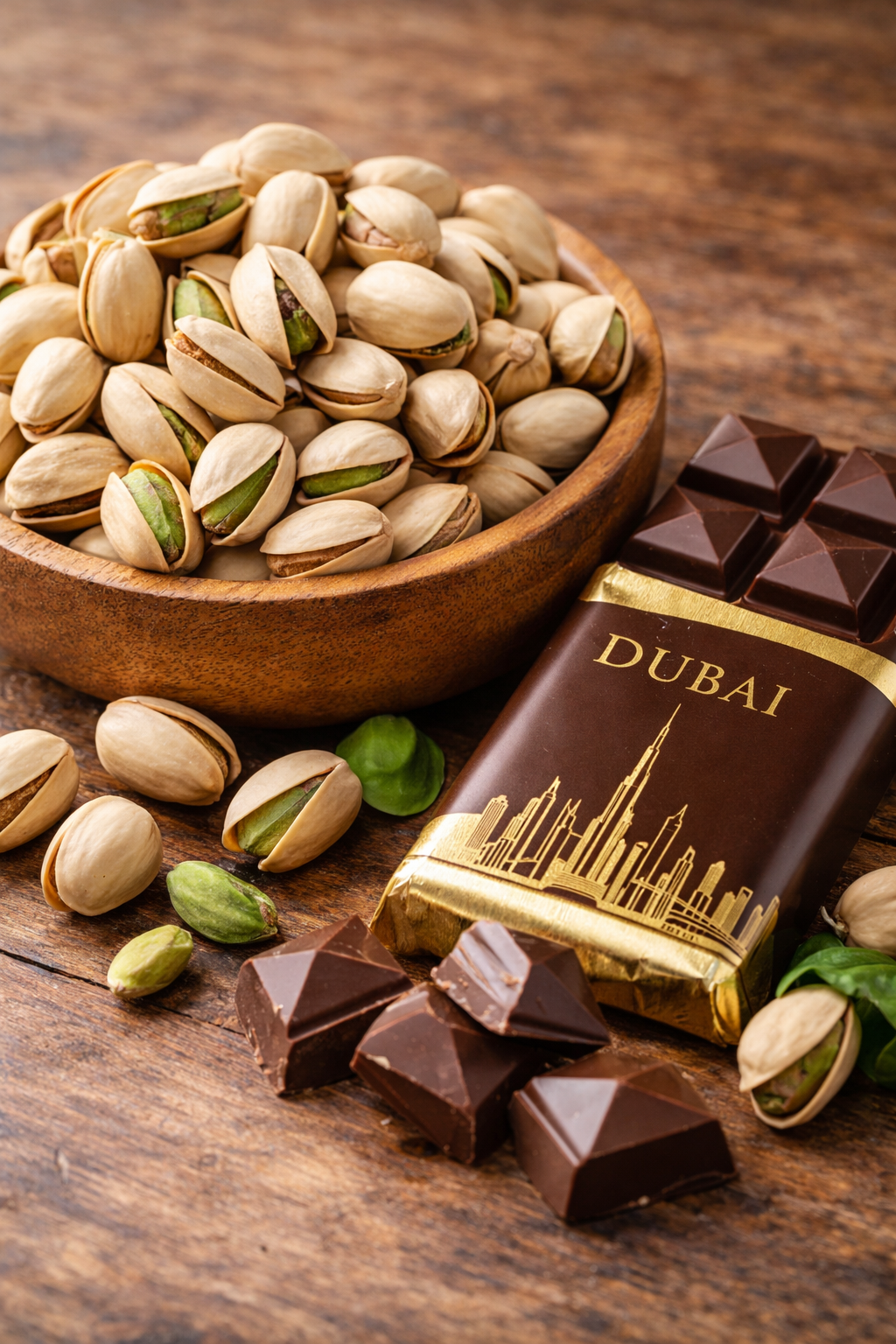

Pistachios have quietly become one of the most beloved snacks in the world, and it is not hard to see why. They are crunchy, flavorful, satisfying, and easy to enjoy by the handful. They also carry a reputation that few snack foods can claim so confidently: people see them as both indulgent and smart. In a food culture where many consumers want snacks that feel enjoyable without feeling careless, pistachios fit the moment perfectly.
They are the kind of food that seems to work in almost every setting. You can find them in office drawers, gym bags, airline snack packs, charcuterie boards, dessert recipes, and healthy pantry staples. Some people love them roasted and salted. Others prefer them raw, unsalted, or blended into butter and spreads. Their appeal stretches across age groups and eating styles, from casual snackers to fitness-conscious consumers to home cooks who want ingredients that feel both practical and premium.
But the popularity of pistachios is not just about taste. Much of their growing status comes from their nutritional image. Pistachios are often discussed as a “better-for-you” snack, and that reputation has real substance behind it. They offer a mix of healthy fats, plant protein, fiber, vitamins, minerals, and antioxidants, all in a form that is convenient and deeply satisfying. That combination helps explain why pistachios are no longer seen as a niche nut or a garnish for desserts. They have become a mainstream favorite in their own right.
A Small Nut with an Impressive Nutritional Profile
One of the main reasons pistachios stand out is that they pack a surprising amount of nutrition into a relatively small serving. Like other nuts, they are energy-dense, but they are also rich in nutrients that many people actively look for in everyday food choices. That matters because modern snack habits are no longer driven only by convenience. People increasingly want snacks that offer some real nutritional value, and pistachios do exactly that.
Pistachios contain healthy fats, especially unsaturated fats, which are widely associated with heart-conscious eating. They also provide plant-based protein, making them more filling than many common processed snacks. Add fiber to that mix, and you get a snack that is not only pleasant to eat, but also more likely to keep hunger in check.
That alone gives pistachios a strong position in the snack world. Many snack foods are designed to be tasty and convenient, but not necessarily satisfying in a lasting way. A handful of chips or crackers may disappear quickly and leave you wanting more. Pistachios, by contrast, often feel more substantial. Their combination of texture, fat, protein, and fiber creates a stronger sense of satiety, which helps explain why people often describe them as a more balanced snack option.
They also contain important micronutrients such as vitamin B6, copper, phosphorus, potassium, and thiamin. These nutrients contribute to the broader impression that pistachios are not just empty calories in a nice shell. They are a snack with actual depth, nutritionally speaking.
Protein and Fiber: A Big Part of Their Appeal
If there are two nutritional features that helped pistachios become a modern snack favorite, they are probably protein and fiber. Today’s snack culture is heavily shaped by those two words. Consumers want foods that feel filling and useful, not just addictive and convenient. Pistachios fit neatly into that mindset.
Protein helps support fullness and can make a snack feel more stable rather than fleeting. Fiber plays a similar role by slowing digestion and contributing to satisfaction. Together, they help explain why pistachios often feel more substantial than sugary bars, pretzels, or many refined snack foods. Even a modest portion can feel like it actually holds you over.
This matters in everyday life more than people sometimes realize. A good snack is not just one that tastes good for a few minutes. It is one that bridges the gap between meals without causing a crash, a binge, or a sense of regret. Pistachios have earned their popularity partly because they perform well on that level. They are easy to portion, easy to carry, and more likely to leave the eater feeling satisfied rather than unsatisfied.
For people trying to snack more mindfully, this is especially important. Pistachios offer a sense of intention. They feel like a real food, not a hyper-processed impulse item.
Healthy Fats That Add Both Flavor and Staying Power
Pistachios are also popular because of their fat profile. The fats in pistachios are largely unsaturated, which is one of the reasons they are often associated with heart-conscious diets. But beyond the nutritional messaging, fat also matters for flavor and eating experience.
It is healthy fat that gives pistachios much of their richness and satisfying mouthfeel. Without that, they would not feel nearly as indulgent. Their subtle buttery quality is part of what makes them so snackable. They do not taste flat or purely functional. They taste rewarding.
This is a major reason they succeed where many “healthy snacks” fail. Some foods are easy to admire nutritionally but not particularly exciting to eat. Pistachios are not like that. They are nutritionally respected, but they are also genuinely delicious. That balance is powerful. People are much more likely to build a healthy food into their routine when it gives pleasure as well as nutrition.
Their natural fat content also helps them pair well with other foods. Pistachios work beautifully with fruit, yogurt, cheese, dark chocolate, grains, and even savory dishes. That flexibility strengthens their identity not only as a snack, but as a smart pantry staple.
Rich in Antioxidants and Plant Compounds
Another reason pistachios attract so much attention is their antioxidant content. In recent years, many consumers have become more aware of foods that contain naturally occurring plant compounds associated with overall wellness. Pistachios are often included in that conversation because of their color and composition.
Their green and purple tones are not just visually appealing. They also reflect the presence of plant pigments and compounds that help give pistachios their unique nutritional image. This adds another layer to their appeal. They are not simply “a nut.” They are often perceived as a colorful, nutrient-rich whole food, which makes them feel more distinctive than blander snack options.
That visual identity matters more than it may seem. Food popularity is shaped partly by perception, and pistachios look alive in a way that many beige snack foods do not. Their natural color suggests freshness and value. It signals that they are something more than a salty bite. In the era of visually driven food culture, that works in their favor.
Why Pistachios Feel More Mindful Than Other Snacks
One of the most interesting reasons pistachios are so popular has less to do with nutrients and more to do with behavior. Shell-on pistachios, in particular, slow people down. You cannot eat them mindlessly at the same speed as chips, crackers, or candy. You have to pick them up, open them, and then eat them one by one.
That tiny pause changes the snacking experience. It introduces rhythm, awareness, and portion control almost automatically. Many people feel that shell-on pistachios are easier to eat more consciously because the act of opening them creates a natural speed bump. The growing pile of empty shells also acts as a visual reminder of how much has already been eaten.
This is one of the cleverest things about pistachios as a snack. They are enjoyable, but they are not frictionless in the same way as ultra-processed snack foods. That small amount of effort makes them feel more intentional, and for many people, that leads to a better relationship with snacking overall.
Even shelled pistachios retain some of that image. They are still associated with mindful eating, measured portions, and a more thoughtful kind of indulgence.
A Great Balance of Convenience and Premium Appeal
Another reason pistachios are so successful is that they occupy a very attractive middle ground in the food market. They are convenient enough for everyday snacking, but they still feel special. They are not as ordinary as peanuts, and not as formal or heavy as some mixed nuts. Pistachios have a subtle luxury to them.
That premium image matters. People often like snacks that feel a little elevated, especially when they are trying to choose better. Pistachios come with a sense of quality. Their distinctive shell, color, and taste all contribute to the idea that they are worth reaching for. They feel like a smart upgrade.
At the same time, they are not difficult to use. You can eat them straight from a bag, sprinkle them over oatmeal, mix them into salads, add them to baked goods, or use them in homemade trail mix. That balance between convenience and sophistication is rare, and it gives pistachios broad appeal.
They are casual enough for daily life, but elegant enough for entertaining. Few snacks move that easily between those two worlds.
Flavor Matters More Than Nutrition Labels Alone
No snack becomes truly popular on nutrition alone. Pistachios may have a strong health image, but they would not have reached their current status if they were not enjoyable to eat. Their flavor is a huge part of the story.
Pistachios have a gentle sweetness, a savory nuttiness, and a richness that feels more refined than aggressive. They do not overwhelm the palate. Instead, they offer a balanced, lightly buttery flavor that works in both sweet and salty settings. This makes them highly versatile and widely appealing.
Roasting deepens their flavor even more, while a little salt makes them especially addictive in the best sense of the word. But even unsalted pistachios tend to remain pleasant because their natural taste is already appealing. That is not true of every healthy snack. Some depend heavily on seasoning or added sugar to become interesting. Pistachios do not need much help.
Texture also plays a role. A good pistachio has a firm bite without being too hard, and a satisfying crunch without becoming dry or dusty. That texture is central to their snack appeal. People often crave crunch when they snack, and pistachios deliver it in a way that feels more natural and less processed than many packaged alternatives.
They Fit Modern Eating Trends Very Well
Pistachios are also popular because they align with several modern food trends at once. They appeal to people looking for more plant-based foods, more protein-rich snacks, more minimally processed options, and more foods that feel both functional and pleasurable.
They fit lunchboxes, work breaks, pre-dinner snacks, post-workout routines, and travel food. They work for people who want lower-sugar snack options. They fit easily into Mediterranean-style eating patterns and many other broadly health-conscious diets. They can be portioned simply, stored easily, and combined with fresh ingredients like fruit or yogurt for a more complete snack.
This adaptability has helped pistachios move beyond being seen as a holiday nut or dessert ingredient. They now match the way many people actually want to eat every day: quickly, but not carelessly; healthily, but not joylessly.
Pistachios and Portion Awareness
Of course, pistachios are still calorie-dense, like all nuts. Their popularity as a healthy snack does not mean they should be treated as limitless. But interestingly, part of their appeal is that they are easier to portion than many other snack foods.
A small handful often feels meaningful. Because pistachios are rich and satisfying, they usually do not require a huge volume to feel worthwhile. For many people, that makes them more practical than snacks that encourage endless grazing.
Shell-on pistachios support this even more clearly. The shells create a built-in structure for how the snack is consumed. The experience becomes slower, more visible, and often more satisfying. That is one reason pistachios are frequently recommended as a snack that can fit into a balanced lifestyle more comfortably than highly processed alternatives.
More Than a Snack: A Lifestyle Food
Another reason pistachios have become so popular is that they function as a kind of lifestyle food. They are not just eaten; they are displayed, gifted, photographed, and incorporated into recipes that signal taste and intention. Pistachios show up in wellness culture, café culture, dessert culture, and home entertaining.
You see them in pistachio lattes, pistachio cream, artisanal pastries, gourmet salads, and high-end ice cream flavors. Their popularity as a snack has been reinforced by their popularity as a flavor. That crossover gives them extra cultural strength. They feel current, versatile, and a little aspirational.
This matters because food popularity is never just about nutrition science. It is also about identity. Pistachios fit the image of someone who wants to eat well, enjoy beautiful food, and make better snack choices without giving up pleasure.
Final Thoughts
Pistachios have become such a popular snack because they offer a rare combination of qualities that modern eaters genuinely want. They are flavorful, crunchy, satisfying, portable, and versatile. Nutritionally, they provide healthy fats, plant protein, fiber, vitamins, minerals, and antioxidants, all of which strengthen their reputation as a smart snack choice. Just as importantly, they feel enjoyable rather than restrictive.
That may be the real secret behind their success. Pistachios do not ask people to choose between health and pleasure. They offer both at the same time. They feel nourishing, but also indulgent. They are practical, but still a little luxurious. They support mindful snacking, but never feel like a punishment.
In a world full of snacks designed for speed and excess, pistachios stand out by offering something more balanced. They slow you down a little, satisfy you more deeply, and leave you with the sense that snacking can actually be both delicious and thoughtful.
That is why pistachios continue to grow in popularity. They are not just a trend. They are one of those rare foods that make sense nutritionally, emotionally, and practically all at once.

Hi, I’m the creator and editor behind ZestyHabit. I research everyday safety, first aid, and practical wellness topics using official guidance and reliable public sources, then turn that information into clear, realistic steps for daily life.
My goal is to help readers make safer, better-informed choices at home and beyond.


