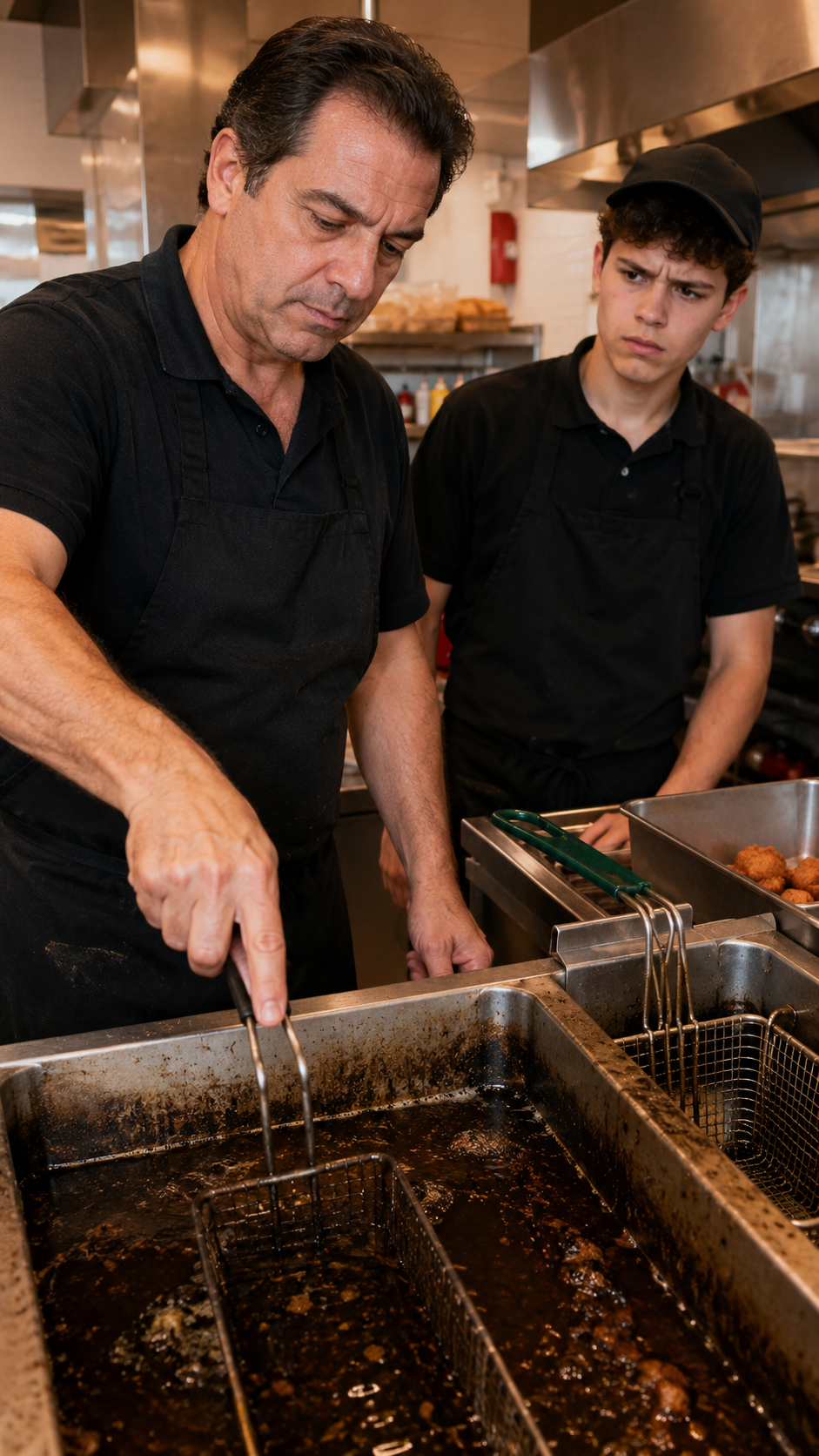
Why Reusing Old Cooking Oil Can Be Riskier Than It Looks
Minjin Park
·
Reusing cooking oil may seem practical, but old oil can break down, taste unpleasant, smoke more easily, and affect food quality. Learn when to replace it and how to store oil safely at home.
Cooking oil is one of those kitchen items people tend to treat casually. You pour some into a pan, fry food, let it cool, and maybe save it for later. If it still looks mostly clear, it can feel wasteful to throw it away.
This is especially true after deep-frying. A pot of oil used for fries, chicken tenders, doughnuts, or tempura can seem perfectly reusable. Many families grew up straining oil into a jar and using it again. Restaurants reuse frying oil too, so it can feel normal.
But old cooking oil is not the same as fresh oil.
Every time oil is heated, exposed to air, mixed with food particles, or stored improperly, it changes. It can break down, become rancid, smoke more easily, foam, darken, smell unpleasant, and transfer stale flavors into food. In some situations, old oil can also become a kitchen safety concern because degraded oil may behave unpredictably when heated.
This does not mean you need to panic over using oil twice. Reusing oil carefully is common in many kitchens. The real issue is using oil too many times, storing it badly, or ignoring signs that it has gone past its best.
A safer kitchen does not require perfect habits. It just requires knowing when oil is no longer worth saving.
What Happens to Cooking Oil as It Gets Old?
Cooking oil may look simple, but it changes with heat, light, oxygen, moisture, and food residue.
Fresh oil usually has a clean smell, smooth texture, and color that matches the type of oil. But after repeated use, several things can happen.
Oil can oxidize when exposed to air. It can break down faster when heated. Tiny crumbs or batter pieces left behind can continue to affect the oil. Moisture from food can cause sputtering, foaming, and faster deterioration. Strongly flavored foods can leave odors behind.
Over time, the oil becomes less pleasant and less reliable.
Heat Speeds Up Breakdown
Heating oil over and over is one of the main reasons it wears out. High heat changes the structure of the oil. Frying temperatures are especially hard on oil because the oil stays hot for a long time while food releases moisture and particles into it.
Even if the oil does not look terrible right away, the quality may already be declining.
Oxygen and Light Matter Too
Oil does not only degrade in the pan. It can also go bad in the bottle.
A bottle of oil stored next to a sunny window, near the stove, or loosely capped can become stale faster. Heat, light, and oxygen all encourage oxidation. This is why many oils are best kept tightly closed in a cool, dark place.
Old oil sitting in a half-empty bottle for months can develop a rancid smell even if you never used it for frying.
Why Reusing Old Oil Can Be a Problem
Reusing oil once or twice under good conditions may be reasonable, depending on what you cooked and how the oil looks and smells. But continuing to use old oil can create several everyday problems.
It Can Make Food Taste Stale or Bitter
The first thing many people notice is flavor.
Old oil can give food a heavy, greasy, stale, bitter, or slightly fishy taste. This is especially obvious with mild foods like potatoes, tofu, eggs, pancakes, or vegetables. Even if the food itself is fresh, old oil can make the whole dish taste tired.
If you have ever made fried food that looked fine but tasted strangely “off,” the oil may have been the reason.
It Can Smoke More Easily
As oil breaks down, it may start smoking at lower temperatures than it did when fresh. Smoke from overheated oil is unpleasant and can irritate the eyes, nose, and throat. It can also leave a lingering smell in the kitchen.
Smoking oil is a sign that the oil is too hot or too degraded for the cooking method. Either way, it is a warning to stop and reassess.
If oil smokes quickly even on moderate heat, it is probably time to replace it.
It Can Foam or Bubble Unusually
Foaming can happen when old oil contains food particles, moisture, or breakdown products. A little bubbling when food is added is normal, but excessive foam that rises, spreads, or does not settle is not a good sign.
Foaming oil can be harder to control and may overflow if the pot is too full. This is especially important when deep-frying.
It Can Darken and Thicken
Oil naturally changes color with use, especially after frying breaded or battered foods. But oil that has become very dark, sticky, syrupy, or thick should not be reused.
Thick, dark oil does not cook food as cleanly. It may cling heavily to food and make fried items greasy rather than crisp.
It Can Carry Old Food Particles
Tiny crumbs left in oil continue to cook and burn each time the oil is reheated. These particles can darken the oil, add bitter flavors, and make the kitchen smell burnt.
Straining oil helps, but it does not fully reverse oil breakdown. Once the oil itself has changed, filtering out crumbs will not make it fresh again.
Many people use oil almost every day. It goes into breakfast eggs, stir-fries, roasted vegetables, salad dressings, fried foods, baked goods, and marinades. If the oil is stale or degraded, it can affect the taste and quality of many meals.
It also matters because cooking oil is often used over heat. Poor-quality oil can smoke, splatter, foam, or smell bad while cooking. These things make the kitchen less comfortable and can create avoidable messes.
And from a practical point of view, old oil can waste food. A whole batch of fries, chicken, or vegetables can taste unpleasant if cooked in oil that should have been replaced.
The goal is not to become afraid of cooking oil. It is simply to treat oil like any other ingredient: fresh enough, stored well, and replaced when it shows signs of decline.
Signs Your Cooking Oil Is Too Old to Use
You do not need lab equipment to judge cooking oil at home. Your senses can help you decide when it is time to discard it.
It Smells Rancid, Sour, Fishy, or Paint-Like
Fresh oil should not smell unpleasant. Some oils have a natural aroma, like olive oil, sesame oil, or coconut oil, but they should still smell clean.
Rancid oil may smell like crayons, paint, old nuts, fish, sour seeds, or stale cardboard. If the smell makes you pause, do not use it.
It Looks Very Dark
A little color change after frying is normal. But oil that is deep brown, murky, or nearly black should be thrown away.
Dark oil often means repeated heating, burned food particles, or advanced breakdown.
It Feels Sticky or Thick
Oil should pour smoothly. If it seems gummy, sticky, or unusually thick, it is past its best.
This can happen with old frying oil or oil stored too long near heat.
It Smokes Quickly
If oil starts smoking before the pan is truly hot, that is a strong sign it has degraded or is not suitable for that cooking method.
Stop cooking, let the pan cool safely, and replace the oil.
It Foams Excessively
Bubbles are normal when wet food hits hot oil. Persistent foaming, especially in reused oil, can signal that the oil is breaking down or contaminated with food residue.
It Makes Food Taste Off
Sometimes oil smells okay in the container but tastes wrong once heated. If food cooked in the oil tastes stale, bitter, heavy, or greasy in an unusual way, replace the oil.
Common Mistakes People Make With Cooking Oil
Most oil problems come from simple habits that are easy to fix.
Mistake 1: Saving Oil Without Straining It
If you plan to reuse frying oil, strain it after it cools. Tiny food particles left in the oil can burn the next time you heat it.
Use a fine mesh strainer or cheesecloth, and store the oil in a clean container. Do not pour hot oil into plastic containers that are not meant for heat.
Mistake 2: Reusing Oil From Strong-Flavored Foods
Oil used for fish, heavily seasoned foods, garlic, onions, or spicy battered items may carry those flavors into the next dish.
Fish-fry oil may not be ideal for doughnuts. Onion ring oil may not be ideal for pancakes. Even if the oil is technically usable, the flavor may not work.
Mistake 3: Mixing Old Oil With Fresh Oil
Adding fresh oil to old oil does not reset it. It only makes a larger amount of tired oil.
If the old oil smells bad, smokes quickly, foams, or looks dark, discard it instead of trying to dilute it.
Mistake 4: Storing Oil Near the Stove
It is convenient to keep oil beside the stove, but that area is often warm. Heat speeds up oxidation and can shorten shelf life.
A cabinet away from the oven, dishwasher, or sunny window is usually better.
Mistake 5: Leaving the Bottle Open
A loose cap lets in air and odors. Always close oil tightly after use. This is especially important for oils that spoil faster, such as nut and seed oils.
Mistake 6: Keeping Oil Forever Because It “Looks Fine”
Oil can go rancid before it looks obviously bad. Smell matters. Storage time matters. Heat and light exposure matter.
If you cannot remember when you bought it and it smells stale, it is time to replace it.
How Many Times Can You Reuse Frying Oil?
There is no perfect number that works for every kitchen. It depends on the oil type, temperature, cooking time, what you fried, and how well you filtered and stored it.
Oil used for clean foods like plain potatoes may last longer than oil used for battered fish or heavily seasoned chicken. Oil heated gently and filtered well may last longer than oil overheated until smoking.
A practical home rule is this: reuse oil only while it still looks, smells, and behaves normal.
Do not reuse it if it is dark, sticky, foamy, smoky, or smelly. Do not keep reheating it just because it seems wasteful to throw away.
When in doubt, use less oil for smaller batches so you do not feel pressured to save a large amount.
Best Practices for Reusing Oil Safely
If you want to reuse frying oil, a few habits can help keep it in better condition.
Let It Cool First
Never handle or pour hot oil carelessly. Let it cool before straining or storing. Hot oil can cause serious burns and can damage containers.
Choose a stable place where the pot will not be bumped while it cools.
Strain Out Food Particles
Once cool enough to handle safely, strain the oil through a fine mesh strainer. Removing crumbs helps slow further flavor and color changes.
Be patient. Rushing can cause spills.
Store It in a Clean, Sealed Container
Use a clean glass jar, metal container, or food-safe container with a tight lid. Label it if needed.
You might write what it was used for, such as “potato oil” or “fish oil,” so you do not accidentally use strong-flavored oil in the wrong dish.
Keep It Cool and Dark
Store used oil away from heat and light. Depending on the oil and your kitchen conditions, refrigeration may help slow deterioration, but it can also make some oils cloudy or thick. That cloudiness may clear when warmed, but always judge by smell and condition before using.
Do Not Save Oil Used for Riskier Messy Foods Too Long
Oil used for heavily breaded, battered, wet, or strongly flavored foods usually breaks down faster. It may not be worth saving for many uses.
What About Oil in the Original Bottle?
Old cooking oil is not only about reused frying oil. Oil can also go bad sitting in the pantry.
Different oils have different shelf lives. Refined oils may last longer than delicate oils. Nut, seed, and specialty oils can turn rancid faster, especially after opening.
Oils That Need Extra Care
Some oils are more sensitive to heat, light, and oxygen. These may include:
Walnut oil
Flaxseed oil
Sesame oil
Unrefined nut oils
Some cold-pressed oils
Specialty finishing oils
These oils are often best stored according to the label directions. Some may belong in the refrigerator after opening.
Olive Oil Can Go Stale Too
Olive oil is often treated like it lasts forever, but it can become rancid as well. A fresh olive oil should smell pleasant, grassy, peppery, fruity, or clean depending on the type.
If it smells like crayons, old nuts, putty, or stale cardboard, it may be past its best.
How to Store Cooking Oil the Right Way
Good storage helps oil last longer and taste better.
Keep It Away From Heat
Store oil away from the stove, oven, dishwasher, toaster oven, air fryer, or sunny window. Heat speeds up breakdown.
A cool pantry or cabinet is usually better.
Keep It Away From Light
Light can damage oil over time. Dark bottles help, but storage still matters. Keep oils in a closed cabinet when possible.
Keep the Cap Tight
Oxygen contributes to rancidity. Close bottles tightly after each use.
Buy the Right Size
If you cook often, a large container may make sense. But if you only use certain oils occasionally, buy smaller bottles.
A huge bottle is not a bargain if half of it turns rancid before you finish it.
Label Used Oil
If you save frying oil, label the container with the date and what you cooked. This avoids mystery jars and helps you know when it has been sitting too long.
Do not pour cooking oil down the sink. Oil can coat pipes, contribute to clogs, and create plumbing problems over time.
Instead, let the oil cool, pour it into a sealed disposable container, and place it in the trash according to your local guidelines. Some communities also have cooking oil recycling options, especially for larger amounts.
For small amounts left in a pan, wipe with a paper towel before washing.
Practical Examples From Everyday Kitchens
The Deep-Fry Weekend
You fry chicken on Saturday and want to reuse the oil for fries on Sunday. If the oil was not overheated, still smells clean, and is filtered well, that may be reasonable.
But if it is dark, smells like burnt breading, or foams when heated, it is better to discard it.
The Forgotten Bottle Near the Stove
A bottle of vegetable oil has been sitting beside the stove for months. It looks normal, but it smells stale when opened.
Replace it and store the new bottle in a cooler cabinet.
The Fish Fry Oil
Oil used for fish often carries a strong smell. Even if it looks okay, it may make other foods taste fishy.
If you reuse it at all, use it only for similar savory foods and discard it sooner.
The Small Apartment Kitchen
You have limited storage space, so oil sits on the counter near sunlight. Move it into a cabinet or choose a smaller bottle that fits away from heat and light.
Small changes can extend freshness.
A Simple Oil Check Before Cooking
Before using cooking oil, especially if it is old or previously used, do a quick check.
Look at it. Is it unusually dark, cloudy with debris, or thick? Smell it. Does it smell clean or stale? Think about it. How long has it been open or reused? Watch it. Does it smoke too quickly or foam strangely?
If anything seems off, replace it.
This quick habit takes only a few seconds and can save a whole meal.
Final Thoughts
Using old cooking oil may seem harmless, especially when it feels wasteful to throw it away. But oil changes over time. Heat, air, light, moisture, and food particles can make it break down, smell rancid, smoke faster, foam, darken, and affect the taste of your food.
You do not have to throw away oil after every single use. But you should pay attention to its condition. If oil smells sour, fishy, stale, or paint-like, if it looks very dark, if it feels sticky, or if it smokes quickly, it is time to replace it.
Store fresh oil in a cool, dark place with the cap tightly closed. If you reuse frying oil, strain it, label it, store it properly, and stop using it when it no longer looks or smells right.
Good kitchen safety is often built from small, ordinary habits. Treating cooking oil as a fresh ingredient—not something that lasts forever—helps your food taste better, keeps cooking more predictable, and reduces avoidable risks in the kitchen.
Hi, I’m the creator and editor behind ZestyHabit. I research everyday safety, first aid, and practical wellness topics using official guidance and reliable public sources, then turn that information into clear, realistic steps for daily life.
My goal is to help readers make safer, better-informed choices at home and beyond.