Trail Running Precautions: What to Watch Out for on Uneven Ground
Minjin Park
·
Trail running has a different feeling from road running. The air is usually fresher, the scenery changes more often, and the run feels less repetitive than circling the same streets or staring at a treadmill screen. A dirt path, forest trail, rocky hill, or riverside route can make exercise feel more like an adventure than a workout.
But trail running also comes with a different set of risks.
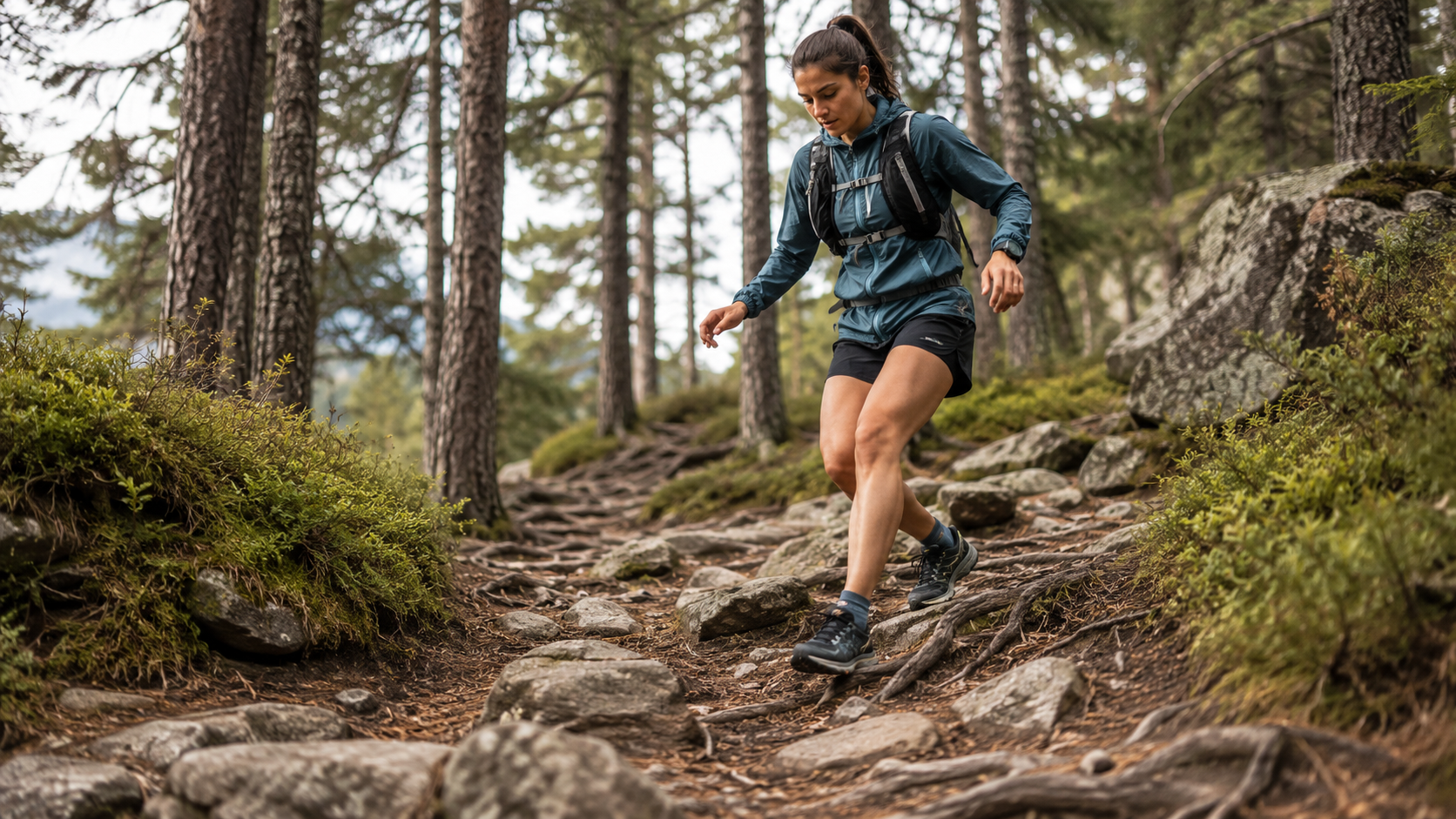
On pavement, the ground is usually predictable. On a trail, every step can be slightly different. One foot may land on soft dirt, the next on loose gravel, then a root, then a rock, then a patch of mud. Your ankles, knees, hips, eyes, and reaction time all have to work harder. That is part of what makes trail running useful for balance and strength, but it is also why beginners sometimes end up with twisted ankles, scraped knees, sore calves, or unexpected fatigue.
Trail running is not something you need to fear. You just need to respect the terrain. With the right shoes, pacing, visibility, and awareness, you can enjoy uneven ground without turning every run into a risk.
Here are the most important trail running precautions to keep in mind before your next off-road run.
Even if your pace is slower, trail running often feels more tiring than running on flat pavement. That is completely normal.
Uneven ground forces your body to make constant small adjustments. Your ankles stabilize your feet. Your calves help you push off from changing surfaces. Your hips and core help you stay balanced. Your eyes scan the path ahead. Your brain makes quick decisions about where to step.
This means trail running is not just a cardio workout. It is also a coordination workout.
You may notice that your usual road-running pace feels too fast on a trail. You may also feel sore in places you do not usually notice, such as the ankles, glutes, inner thighs, or small muscles around the feet. That does not mean you are doing something wrong. It means the trail is asking more from your body.
The key is to adjust your expectations. Trail running should not be measured only by speed. Effort, control, and safety matter more than the number on your watch.
Choose Shoes with Proper Grip
Shoes matter a lot more on trails than they do on a smooth sidewalk. Regular running shoes may be fine for packed dirt or a very easy park path, but they can feel slippery or unstable on loose, wet, rocky, or muddy ground.
Trail running shoes usually have deeper tread on the outsole. This helps the shoe grip dirt, gravel, roots, and uneven surfaces. Many trail shoes also have a firmer structure, better side support, and sometimes a protective plate under the foot to reduce the feeling of sharp rocks.
When choosing trail shoes, look for:
Good traction on the bottom
A secure heel fit
Enough room in the toe box
Stable side support
Comfortable cushioning
A sole that matches your usual terrain
If your trail is mostly dry and smooth, you may not need an aggressive shoe. If you run on mud, loose rock, or steep paths, grip becomes much more important.
Also check your shoes regularly. Worn-out tread can make a trail shoe much less useful. If the bottom is smooth or unevenly worn, your foot may slide more than you expect, especially on downhill sections.
Start with Easy Trails
One of the biggest beginner mistakes is choosing a trail that is too technical too soon. A trail may look beautiful in photos, but that does not mean it is the right place for your first few runs.
Technical trails often include rocks, roots, narrow paths, steep climbs, sudden drops, water crossings, or sharp turns. These can be fun once you have experience, but they can quickly overwhelm a beginner.
Start with smoother, wider trails. Park paths, packed dirt routes, gentle forest roads, and mild nature trails are good options. You can still enjoy the outdoor feeling without constantly worrying about tripping.
As your balance, strength, and confidence improve, you can gradually add more challenging terrain. Think of it as progression, not avoidance. You are building the skills needed to enjoy harder trails safely.
Slow Down on Uneven Ground
Trail running is not the place to be stubborn about pace. Your road-running speed may not make sense on uneven ground.
On trails, slowing down is not a sign of weakness. It is often the smartest thing you can do. A slower pace gives you more time to choose your footing, react to obstacles, and control your body on turns or descents.
This is especially important when the trail changes suddenly. A smooth dirt section may turn into rocks. Dry ground may become slippery. A narrow path may appear after a wide one. If you are running too fast, you may not have enough time to adjust.
A good trail pace should feel alert but not panicked. You should be able to look ahead, breathe steadily, and place your feet with control.
If you feel like your steps are getting sloppy, slow down. If you are stumbling often, slow down more. If the terrain becomes very rocky or steep, walking for a short section is completely acceptable.
Good trail runners know when to run and when to walk.
Keep Your Eyes on the Trail Ahead
Visibility is one of the most important safety factors in trail running. On the road, you can sometimes zone out and still keep moving. On a trail, looking away for even a moment can be enough to catch your toe on a root or step onto loose rock.
Try to scan several feet ahead rather than looking directly at your shoes the whole time. This gives your brain time to plan your steps. You want to see what is coming before you are already on top of it.
A helpful habit is to switch between near and slightly farther vision. Look ahead to understand the route, then glance closer to place your feet accurately. This becomes more natural with practice.
Shadows can be tricky because they hide changes in the ground. Late afternoon, dense woods, and cloudy conditions can make rocks and roots harder to see.
If visibility is poor, reduce your speed. Your eyes are part of your safety system. When they cannot read the trail clearly, your pace needs to adjust.
Lift Your Feet Slightly More
On flat roads, some runners get used to a low, shuffling stride. On trails, that habit can lead to tripping.
You do not need to exaggerate every step, but you may need to lift your feet a little more than you do on pavement. This helps clear small rocks, roots, and uneven patches.
Fatigue makes this harder. When your legs get tired, your feet naturally start to drag. That is often when trips happen. Pay attention near the end of your run, not just at the beginning.
If you notice your toes catching the ground, shorten your run, slow down, or switch to walking for a while. Tired feet and technical terrain are not a great combination.
Shorten Your Stride
A long stride can feel powerful on flat ground, but it is often risky on trails. Long steps make it harder to react quickly. They can also cause your foot to land too far in front of your body, which may increase braking force and reduce balance.
A shorter stride gives you more control. Your feet land closer under your body, and you can adjust more easily if the surface changes.
This is especially helpful on downhill sections. Long downhill strides can put more stress on the knees and increase the chance of slipping. Shorter, quicker steps help you stay balanced and reduce heavy impact.
Think light, quick, and controlled. You are not trying to pound the trail into submission. You are trying to move with it.
Protect Your Ankles
Ankle sprains are one of the most common trail running concerns. Uneven ground can cause the foot to roll unexpectedly, especially on rocks, roots, and slanted surfaces.
Strong ankles help, but awareness matters too. Avoid stepping carelessly on the edge of rocks or roots. Try to place your foot on stable surfaces whenever possible. If you feel unsure, slow down or walk.
Simple ankle-strengthening exercises can also help over time. These include:
Single-leg balance
Calf raises
Slow step-downs
Resistance band ankle movements
Walking on different safe surfaces
Controlled side steps
You do not need to do all of these every day. Even a few minutes several times a week can improve stability.
If you have a history of ankle sprains, consider starting on very easy trails and using supportive shoes. Some runners also use ankle braces, but it is best to choose support based on your own history and comfort.
Be Careful on Downhills
Downhill trail running can be fun, but it is also where many falls and knee aches happen.
Gravity pulls you forward, and it can be tempting to let your speed build. The problem is that uneven ground becomes harder to read when you are moving fast. A small rock or root can suddenly become a big problem.
On descents, keep your steps shorter and lighter. Avoid leaning back too much, because that can make your feet slide forward and increase braking through the knees. A slight forward lean from the ankles can help you stay balanced, but do not collapse at the waist.
Use your arms for balance. Let them move naturally, and do not keep them stiff at your sides. On technical descents, your arms may widen slightly to help stabilize you.
If a downhill section is steep, rocky, muddy, or unfamiliar, walking is a smart choice. There is no prize for running every inch of a trail.
Watch Out for Wet Leaves, Mud, and Loose Gravel
Some trail surfaces are much more slippery than they look.
Wet leaves can hide roots and rocks underneath. Mud can grab your shoe or make your foot slide sideways. Loose gravel can shift under your weight, especially downhill. Even dry dust over hard ground can reduce traction.
When the surface is unstable, slow down and avoid sudden changes in direction. Try to place your feet carefully and keep your center of gravity controlled.
After rain, trails can change completely. A route that felt easy last week may become slippery and awkward. Weather matters, even if the temperature feels comfortable.
If the trail is extremely muddy, consider choosing a different route. Running through deep mud can strain the calves, ankles, and hips because every step requires extra effort.
Do Not Let the Scenery Distract You Too Much
One of the best parts of trail running is the scenery. Trees, water, hills, wildlife, and open views can make the run feel refreshing. But looking around too much while moving can increase your risk of tripping.
Enjoy the view, but do it wisely. If you want to look at something for more than a quick glance, slow down or stop. There is nothing wrong with pausing for a moment.
This is especially important when running with friends. Conversation can make the run more enjoyable, but it can also reduce attention. If the trail becomes technical, pause the chat and focus on your footing.
Trail running requires a different kind of attention. You can relax mentally, but you cannot fully switch off.
Make Yourself Visible
Visibility is not only about what you can see. It is also about whether other people can see you.
On shared trails, you may encounter hikers, cyclists, dog walkers, or other runners. If the path is narrow or curved, people may not notice you until you are close.
Wear clothing that is easy to see, especially in wooded areas, early morning, late afternoon, or cloudy weather. Bright or reflective details can help. If you run near roads, parking areas, or bike paths, visibility becomes even more important.
If you run in low light, use a headlamp or chest light. A phone flashlight is usually not enough for safe trail running because it is awkward to hold and does not always illuminate the ground properly.
Low-light trail running is much more difficult than road running. If you are new to trails, start during daylight.
Be Realistic About Distance
Trail miles often feel longer than road miles. A 3-mile trail run may take longer and feel harder than a 3-mile road run because of elevation, surface changes, and constant adjustments.
Do not judge the workout only by distance. Time and effort may be better guides.
If you usually run 5 miles on the road, you may want to start with 2 or 3 miles on a trail. See how your body responds. Your ankles, calves, and hips may need time to adapt.
Also remember that turning around matters. On an out-and-back trail, you need enough energy to return safely. Do not use everything on the way out.
Bring Basic Essentials
For short, familiar park trails, you may not need much. But for longer or less familiar routes, a few basics can make a big difference.
Consider carrying:
Water
Phone
Small snack
ID
Basic first-aid item
Weather-appropriate layer
Trail map or downloaded route
Small light if there is any chance of low visibility
Do not rely completely on cell service. Some wooded or remote areas have weak reception. If you are going somewhere unfamiliar, tell someone your route or expected return time.
This may sound overly cautious for a simple run, but trails can be unpredictable. A twisted ankle feels very different when you are two miles from the parking lot.
Warm Up Before You Hit Technical Sections
A short warm-up helps your body react better to uneven ground. Start with easy walking or light jogging on a smooth section before moving into more technical terrain.
Your ankles, calves, knees, and hips need a few minutes to feel responsive. Cold muscles and stiff joints do not handle sudden rocks, roots, or climbs as well.
You can also add simple dynamic movements before the run, such as:
Leg swings
Ankle circles
Gentle lunges
Marching steps
Slow calf raises
Keep it simple. The goal is to wake up the body, not exhaust it before you begin.
Listen to Pain Early
Trail running can create normal muscle fatigue, especially in the calves, hips, and thighs. But sharp pain, joint pain, or pain that changes your stride should not be ignored.
Stop or slow down if you feel:
Sharp ankle pain
Knee pain that worsens downhill
Sudden calf pulling
Foot pain from stepping on rocks
Hip pain that changes your form
Repeated stumbling from fatigue
Dizziness or unusual shortness of breath
Pushing through pain on uneven ground is risky because your form may become unstable. Once your movement changes, the chance of tripping or straining something else increases.
A smart runner does not quit at every bit of effort, but they also do not ignore warning signs.
Cool Down and Check Your Body Afterward
After a trail run, spend a few minutes walking on flat ground. Let your heart rate settle and allow your legs to transition out of the constant trail adjustments.
At home, check for hot spots, blisters, scratches, or unusual soreness. Trail running can create small issues that are easy to miss during the run. A little foot irritation today can become a painful blister next time if you ignore it.
Gentle stretching for the calves, quads, hamstrings, and hips may feel good after the run. Avoid forcing deep stretches if something feels strained.
If you ran on muddy or wet trails, clean and dry your shoes properly. Wet shoes can become uncomfortable, smelly, and less supportive over time.
Final Thoughts
Trail running can be one of the most enjoyable ways to exercise. It gets you outside, challenges your balance, strengthens your legs, and keeps your mind engaged. But the same things that make it exciting also make it less predictable than road running.
Uneven ground requires attention. Your shoes need grip. Your pace needs flexibility. Your ankles need support. Your eyes need to scan the path. Your stride needs to stay controlled, especially downhill.
You do not have to be fearless to enjoy trail running. In fact, the best trail runners are usually not careless. They are aware, adaptable, and willing to slow down when the ground demands it.
Start with easy routes, build gradually, and respect the terrain. A good trail run should leave you feeling refreshed and strong, not scraped up, limping, or frustrated. With the right precautions, you can enjoy the beauty of the trail while keeping your body safer on every step.
Hi, I’m the creator and editor behind ZestyHabit. I research everyday safety, first aid, and practical wellness topics using official guidance and reliable public sources, then turn that information into clear, realistic steps for daily life.
My goal is to help readers make safer, better-informed choices at home and beyond.