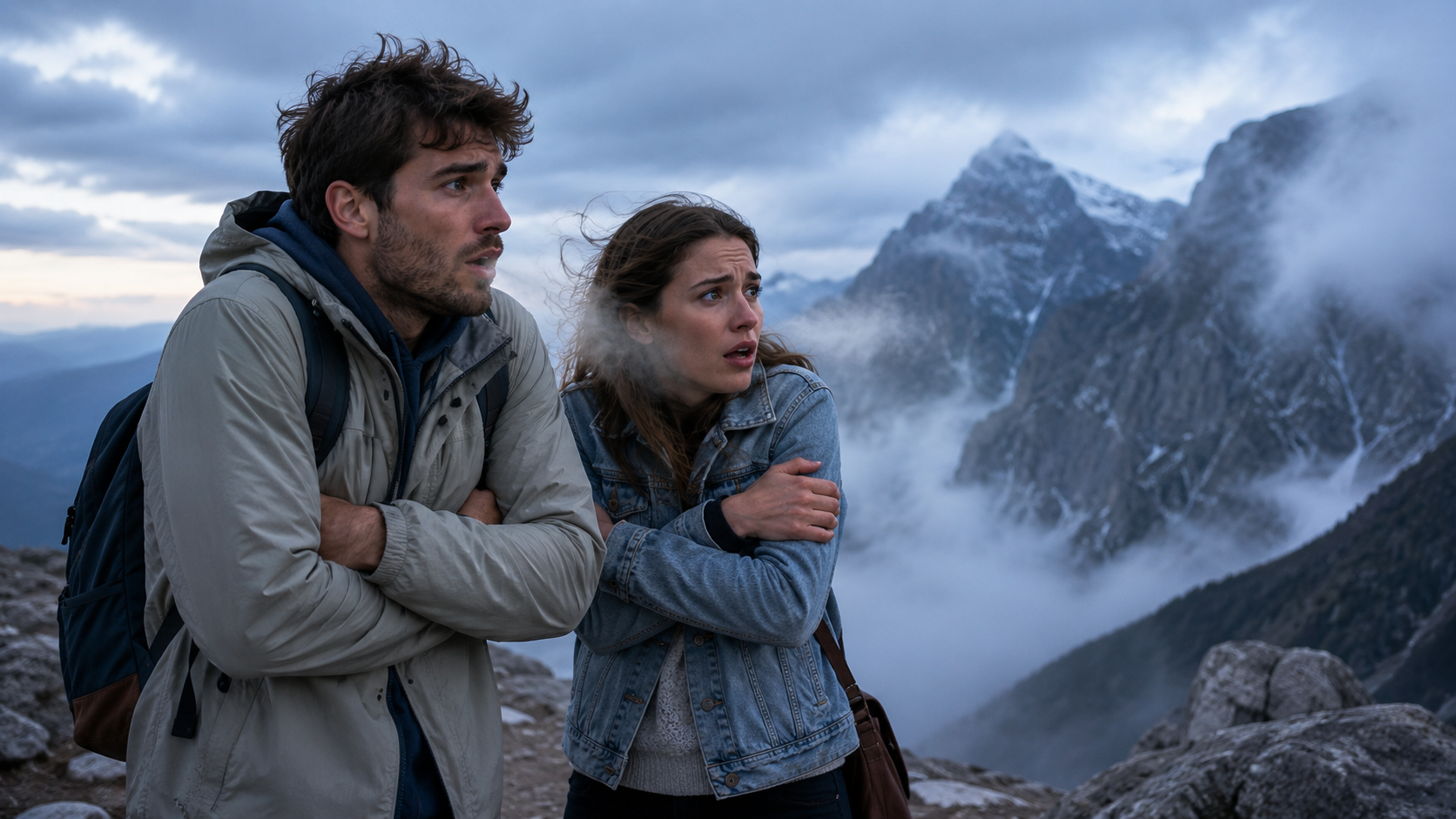
Why Sudden Temperature Drops at High Elevations Can Catch Travelers Off Guard
Minjin Park
·
High-elevation travel can bring sudden temperature drops, wind, rain, and fast-changing weather. Learn practical safety habits for mountain drives, hikes, viewpoints, and cold-weather travel.
High-elevation trips can be beautiful in a way that feels almost unreal. The air is crisp, the views stretch for miles, and even a simple roadside overlook can feel like the highlight of a vacation. Whether you are driving through the Rocky Mountains, visiting a national park, taking a scenic gondola, hiking to a viewpoint, or staying in a mountain town, higher places often make a trip feel special.
But high elevations also come with one detail many travelers underestimate: the temperature can drop quickly.
A sunny afternoon at the bottom of a mountain can turn into a chilly, windy experience near the top. A short walk from a parking lot can feel comfortable at first, then suddenly cold when clouds move in or the wind picks up. A light rain shower can make clothes damp, and damp clothing can make the body lose warmth faster.
This does not mean high-elevation travel should feel frightening. Most trips are safe and enjoyable when people prepare well. The key is understanding that mountain weather is not always predictable, and your clothing, route, timing, and backup plan matter more than they might in a city or beach destination.
A few simple habits can help you enjoy the views while staying comfortable, calm, and better prepared.
This can surprise travelers who dress for the weather at their hotel, parking lot, or visitor center. They may start the day in a T-shirt and light shoes, then find themselves shivering at a windy overlook an hour later.
The change may not seem dramatic on paper, but it can feel much stronger when combined with wind, shade, sweat, or rain.
Wind makes cold feel sharper
Temperature is only part of the story. Wind can make cool air feel much colder, especially when you are standing still, taking photos, waiting for a shuttle, or resting during a hike.
At high elevations, exposed areas often have fewer buildings, trees, or hills blocking the wind. A viewpoint that looks peaceful from the car can feel surprisingly harsh once you step outside.
This is why a lightweight wind-resistant layer can be useful even when the forecast does not look especially cold.
Weather can change faster in mountain areas
Mountain weather can shift quickly. Clouds build, storms move in, fog rolls across ridgelines, and sunny conditions can change within a short time.
A traveler may begin a walk in clear weather and return under darker skies. A scenic drive may start warm in the valley and become cold, wet, or windy as the road climbs.
Because of this, high-elevation travel works best when you prepare for a range of conditions instead of only the weather you see at the start.
Why This Matters in Everyday Travel
Many people associate sudden cold with serious mountaineering or winter camping. But temperature drops can affect ordinary travelers too.
You do not have to be climbing a peak to get caught off guard. You might be standing in line for a mountain tram, walking around a lake, exploring a scenic overlook, visiting a ski village in the off-season, taking family photos, or driving a high mountain pass.
These everyday travel moments can become uncomfortable when people are underdressed, wet, tired, or far from the car.
The issue is not only comfort. Cold can affect focus, coordination, mood, and decision-making. When people are too cold, they may rush, take shortcuts, forget items, ignore signs, or make poor choices just to get warm quickly.
Preparation helps prevent that spiral. It gives you more options.
Common Situations Where Travelers Get Caught Off Guard
Scenic overlooks
A scenic overlook may look like a quick stop. You park, step out, take a few photos, and get back in the car.
But many overlooks are exposed to wind. If you spend more time than expected walking to a viewpoint, taking photos, reading signs, or waiting for family members, the cold can build.
This is especially true near cliffs, ridgelines, lakes, and open alpine areas.
Short hikes that become longer
Many travelers begin with the thought, “Let’s just walk a little.” A short trail may feel easy at first, but high elevation, uneven ground, cooler air, and changing weather can make it more tiring than expected.
If you did not bring a jacket, water, snacks, or a charged phone, a simple walk can become stressful.
Mountain attractions often carry visitors from a warm base area to a much colder upper station. Because the ride feels easy, people may forget that the elevation has changed.
A person wearing shorts and a thin shirt at the bottom may be uncomfortable at the top, especially if there is wind or cloud cover.
Before riding up, check the temperature and conditions at the upper station, not just the town below.
Road trips through mountain passes
Mountain roads can climb quickly. The weather at the start of the drive may not match the weather at the highest point.
A sunny highway can turn into fog, rain, sleet, snow, or strong wind, depending on season and location. Even in warmer months, high passes can feel much colder than lower roads.
Keep jackets accessible inside the car, not buried under luggage in the trunk.
Evening returns
Temperatures often drop after sunset, and mountain areas can cool down quickly. A hike, picnic, viewpoint stop, or town walk that feels pleasant in the afternoon may feel cold on the return.
If your plans might stretch into evening, bring an extra layer before you need it.
Warning Signs You Should Take Seriously
Shivering that does not settle down
Shivering is a sign that your body is trying to warm itself. Light shivering may improve when you add layers, move out of the wind, or drink something warm.
But if someone keeps shivering, seems unusually tired, or cannot get comfortable, do not ignore it. It is time to get warmer, drier, and more sheltered.
Numb fingers, toes, ears, or nose
Cold often shows up first in exposed or poorly covered areas. Fingers, toes, ears, and the nose can become numb or painful when temperatures drop or wind increases.
Gloves, warm socks, hats, and face coverage can make a big difference, especially for children and older adults.
Confusion or clumsiness
Cold, fatigue, altitude, and stress can make people less coordinated. Someone may fumble with zippers, stumble more than usual, speak slowly, or seem less alert.
These signs deserve attention. Stop, warm up, and reassess the plan rather than pushing ahead.
Damp clothing
Wet clothes can make you cold much faster. Sweat, rain, snow, mist, or sitting on damp ground can all reduce comfort.
Cotton clothing is especially uncomfortable when wet because it holds moisture. For mountain outings, synthetic or wool layers are often more practical.
Weather moving in
Dark clouds, sudden wind, dropping visibility, thunder, or fast-moving fog are signs to change plans early. Do not wait until the weather is directly overhead before turning back or heading to shelter.
In mountain travel, early decisions are usually easier than late decisions.
Common Mistakes Travelers Make
Dressing for the valley, not the summit
A classic mistake is checking the weather for the town or hotel and assuming it applies to the mountain viewpoint, trail, or pass.
Always check the forecast for the actual elevation or destination when possible. If you are going higher, pack layers even if the lower area feels warm.
Packing jackets where they are hard to reach
Many travelers technically bring warm clothes but bury them deep in a suitcase. That does not help much when the wind is blowing at a roadside stop.
Keep a jacket, hat, and gloves easy to reach. On a road trip, place them in the back seat or top of a day bag.
Thinking “we are only going for a few minutes”
Many cold-weather problems begin with a short stop that becomes longer. Someone wants one more photo. A trail looks inviting. The view is better around the corner. The shuttle line is longer than expected.
Plan for the possibility that “a few minutes” may become half an hour.
Ignoring sweat
You can get cold even when you started warm. If you hike uphill in heavy clothing, you may sweat. When you stop or the wind picks up, that moisture can chill you quickly.
Dress in layers so you can adjust. Remove a layer before overheating, then add one when you stop.
Download maps, carry a backup power bank, and know the basic route before leaving.
How to Dress for Sudden Temperature Drops
Start with layers
Layering is one of the simplest ways to handle changing weather. Instead of wearing one heavy item, wear several layers you can add or remove.
A practical setup might include a moisture-wicking base layer, a warm middle layer, and a wind-resistant or rain-resistant outer layer.
You can adjust throughout the day without getting too hot or too cold.
Bring a warm hat
A hat takes up very little space but can make a big difference. Many travelers remember jackets but forget head and ear coverage.
A beanie or warm cap is useful for windy overlooks, cold mornings, and evening returns.
Pack gloves
Cold hands make everything harder. Taking photos, holding hiking poles, zipping jackets, opening snacks, or checking a map becomes frustrating when your fingers are numb.
Light gloves are easy to pack and useful even outside winter.
Choose practical footwear
High-elevation areas may have rocky trails, wet paths, icy patches, snow, mud, or uneven parking lots. Shoes with good grip are safer and more comfortable than thin sandals or slippery fashion shoes.
If there is any chance of snow or ice, check whether traction devices are recommended for the area.
Avoid cotton as your main outdoor layer
Cotton can feel comfortable in dry, mild weather, but it holds moisture when wet. If you sweat or get rained on, cotton may leave you cold.
For mountain outings, wool or synthetic materials are often better choices.
Practical Packing Tips for High-Elevation Travel
Keep a small mountain kit in the car
For road trips, create a simple cold-weather kit. Include a warm jacket, gloves, hat, extra socks, water, snacks, flashlight, basic first-aid supplies, and a phone charger.
You do not need expensive gear for a scenic drive. You just need enough supplies to handle delays, cold stops, and changing weather.
Bring more water than you think
Cool weather can make people forget to drink water. Higher elevation can also make some travelers feel drier or more tired than expected.
Carry water even if the air feels cool. For longer outings, bring snacks too.
Pack sunscreen and sunglasses
High elevation can mean stronger sun exposure, especially around snow, rock, or open alpine areas. Cold air can make people forget about sun protection.
Sunglasses also help with glare while driving or walking in bright mountain areas.
Use a day bag
A small backpack or crossbody bag helps keep layers and essentials with you instead of leaving everything in the car.
This is useful for viewpoints, visitor centers, short trails, and shuttle-based attractions.
Simple Planning Habits Before You Go
Check the forecast for the exact place
Look up the weather for the trailhead, summit, mountain pass, ski area, park, or viewpoint you plan to visit. If possible, check official park, weather, or road-condition sources.
Do not rely only on the nearest city forecast.
Check road and trail conditions
High-elevation roads may close seasonally or temporarily because of snow, ice, wind, rockfall, or maintenance. Trails may be muddy, snowy, or exposed.
Before leaving, check current conditions through official sources when available.
Start earlier in the day
Morning starts often give travelers more flexibility. You have more daylight, more time to adjust plans, and less pressure if weather changes.
In some mountain areas, storms are more common later in the day. Starting early can help you avoid rushing.
Set a turnaround time
Before hiking or driving farther into remote areas, decide when you will turn back. This prevents the common mistake of pushing “just a little farther” until everyone is cold, tired, or low on daylight.
For longer hikes, scenic drives, or remote stops, let someone know your general plan and expected return time. This could be a friend, family member, hotel staff member, or travel companion not joining the outing.
Keep it simple, but do not disappear into a remote area without anyone knowing.
Tips for Families, Older Adults, and Groups
Check each person’s clothing
Groups often move at the pace of the least-prepared person. One child without gloves, one adult in thin shoes, or one traveler who forgot a jacket can change the whole plan.
Before leaving the car or hotel, do a quick clothing check.
Watch children closely
Children may not explain that they are getting cold until they are already uncomfortable. They may keep playing, exploring, or asking to continue because they are excited.
Check their hands, ears, mood, and energy. Pack extra layers because kids often get wet, sweaty, or chilled faster than expected.
Plan warm breaks
If traveling with older adults, children, or anyone sensitive to cold, build in warm breaks. Visitor centers, cafés, heated vehicles, lodges, and shuttle stations can make the day easier.
A short warm-up stop can prevent discomfort from building.
Avoid splitting up without a plan
In scenic areas, one person may want to take photos while another walks ahead. If the weather is changing, the group should stay coordinated.
Choose meeting points, keep phones charged, and make sure everyone knows the route back.
Real-Life Examples
Imagine a family visiting a national park in July. At the entrance, the weather feels warm enough for short sleeves. They drive up to a high overlook, step out, and realize the wind is strong and cold. The family that packed jackets enjoys the view. The family that did not takes one rushed photo and leaves uncomfortable.
Or picture a couple taking a mountain gondola. At the base, it feels like a mild fall day. At the top, clouds move in and the temperature drops. Because they brought hats and a wind layer, they can still enjoy the viewpoint without cutting the visit short.
Another common example is a road trip through a mountain pass. The weather looks fine in the valley, but higher up, rain turns cold and visibility drops. A driver who checked road conditions, fueled up, and kept warm layers accessible is better prepared to slow down, stop safely, or adjust the route.
These are ordinary travel moments. The difference is preparation.
What to Do When the Weather Turns
Add layers early
Do not wait until you are very cold. Put on a jacket, hat, or gloves as soon as you notice the temperature changing.
It is easier to stay warm than to warm back up after getting chilled.
Move out of wind and wet weather
Wind and moisture can make cold much harder to manage. Step behind a windbreak, return to the car, enter a building, or head to a sheltered area when conditions change.
Turn back before the situation feels urgent
If clouds are building, daylight is fading, or people are getting cold, turn back early. You can always enjoy another viewpoint later.
A good trip does not require finishing every trail or reaching every stop.
Keep communication simple
In a group, say clearly when you are cold, tired, or uncomfortable. Do not wait until frustration builds.
A simple “I think we should head back now” can help everyone make a better decision.
Conclusion
High-elevation travel can be one of the most rewarding parts of a trip, but sudden temperature drops deserve respect. Cooler air, wind, fast-changing weather, rain, sweat, and evening chill can make a mountain outing feel very different from what you expected at the start.
The safest approach is practical and calm. Dress in layers. Keep a jacket, hat, and gloves easy to reach. Check the forecast for the actual elevation. Bring water, snacks, and a charged phone. Avoid relying only on cell service. Watch for shivering, numbness, confusion, damp clothing, and changing weather.
You do not need to overpack or worry through the whole trip. You simply need to give yourself options.
Mountain weather can change quickly, but good preparation helps you change with it. With a few steady habits, you can enjoy high-elevation views with more comfort, confidence, and peace of mind.
Hi, I’m the creator and editor behind ZestyHabit. I research everyday safety, first aid, and practical wellness topics using official guidance and reliable public sources, then turn that information into clear, realistic steps for daily life.
My goal is to help readers make safer, better-informed choices at home and beyond.