
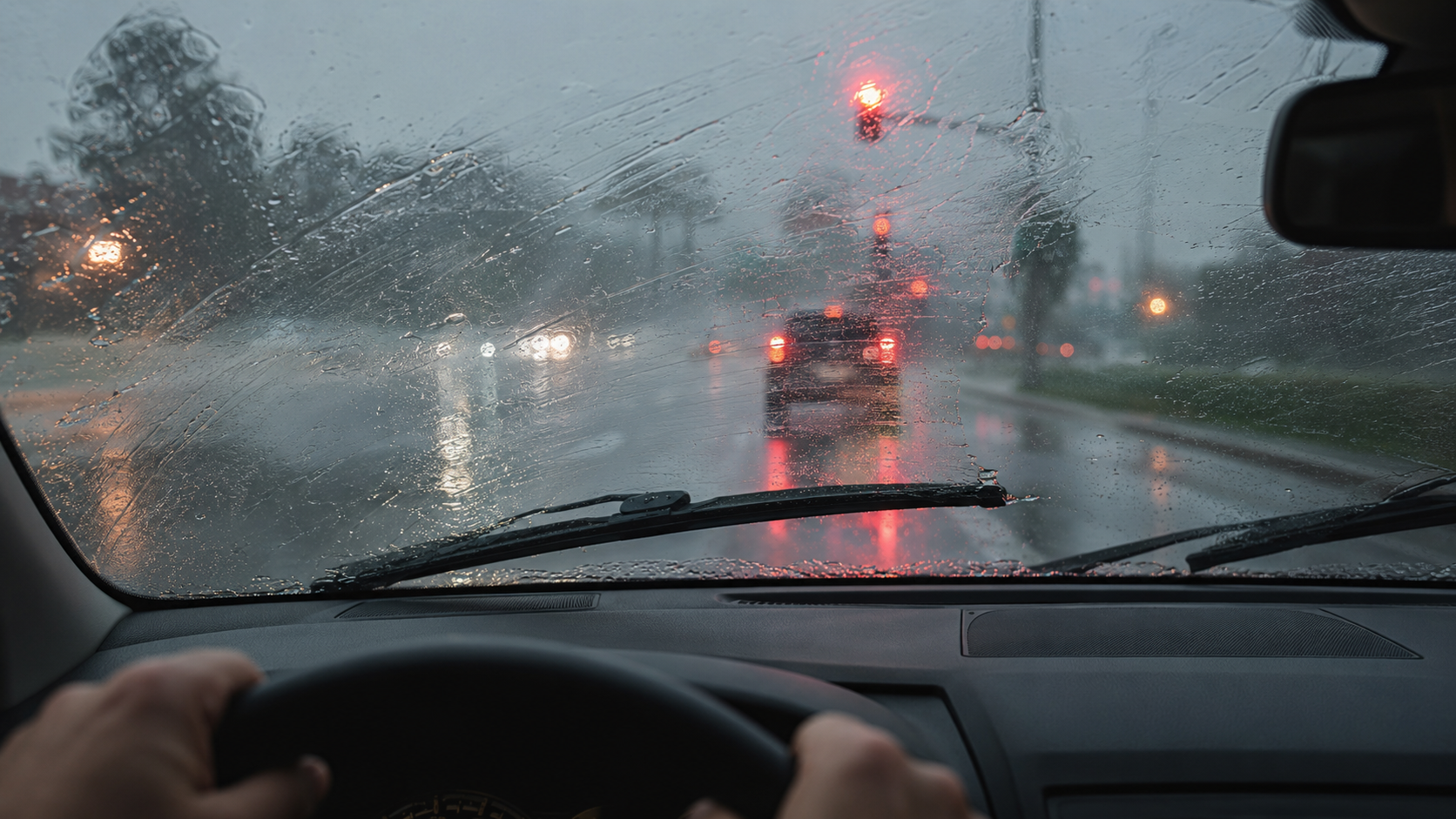

Worn windshield wipers can make rainy driving harder by leaving streaks, reducing visibility, and increasing driver stress. Learn the warning signs, common mistakes, and simple ways to keep your view clear.
Introduction: The Small Car Part Most Drivers Ignore Until It Rains
Windshield wipers are easy to forget.
They sit quietly at the bottom of the windshield, doing nothing most of the time. You may wash your car, fill the gas tank, check your tire pressure, or change your oil, but the wipers rarely get much attention.
Then a heavy rain starts.
Suddenly, those thin rubber blades become one of the most important safety features on your vehicle. If they are in good condition, they clear water smoothly and help you see the road, lane markings, traffic lights, pedestrians, and brake lights ahead.
If they are old, cracked, loose, or hardened, the drive can quickly become stressful. Instead of clearing the windshield, worn wipers may smear water across the glass, leave streaks, skip over sections, chatter loudly, or create blurry patches right where you need to see.
Rainy driving is already more demanding than dry-weather driving. Roads are slicker, stopping distances may increase, headlights reflect off wet pavement, and other drivers may be harder to predict. Poor visibility makes all of that harder.
The good news is that wiper problems are usually easy to spot and simple to prevent. You do not need to be a mechanic. You just need to know what worn wipers look like, how they affect rainy driving, and when it is time to replace them.
Why Windshield Wipers Matter More Than They Seem
Visibility Is Your First Line of Safety
When you drive, most of your decisions depend on what you can see.
You watch the car in front of you. You check lane markings. You notice traffic signals. You spot pedestrians, cyclists, animals, road debris, puddles, and sudden brake lights.
In dry weather, your windshield may be clear without much help. But in rain, your view depends heavily on your wipers.
Even a few seconds of poor visibility can make driving feel uncertain. If the windshield is smeared or streaky, your eyes have to work harder to understand what is happening outside. That extra effort can lead to slower reactions and more stress behind the wheel.
Good wipers do not make rain disappear, but they help keep your view usable. That is their real job.
Rain Changes the Road and the View
Rain affects more than the windshield.
Wet roads reflect headlights and streetlights. Lane lines may become harder to see. Spray from trucks can briefly cover the windshield. Water can collect in low spots. Other drivers may brake suddenly or change lanes without much warning.
In these conditions, clear vision matters even more. Old wipers make a difficult situation harder by adding blur, glare, and streaks on top of everything else.
This is why worn wipers are not just an inconvenience. They can reduce your ability to read the road clearly at the exact time you need your vision most.
What Happens When Windshield Wipers Get Old?
The Rubber Hardens
Wiper blades are made with rubber or rubber-like materials that stay flexible when they are new. That flexibility allows the blade to press evenly against the curved windshield and sweep water away.
Over time, sunlight, heat, cold, ice, dirt, and normal use can harden the rubber. Once the blade loses flexibility, it may no longer sit flat against the glass.
Instead of wiping smoothly, it may leave lines, skip over wet areas, or drag noisily across the windshield.
The Edges Wear Down
The thin wiping edge of the blade is what actually clears the glass. As it wears down, it becomes less sharp and less even.
A worn edge may push water around instead of removing it. This creates streaks and cloudy patches that can be especially annoying at night.
Sometimes the blade looks mostly fine from a distance, but the edge is no longer doing its job.
Cracks and Splits Form
Old wiper rubber can crack, tear, or split. A small tear may not seem serious at first, but it can quickly affect the entire wipe pattern.
A split blade may leave a wide uncleaned stripe across the windshield. If the torn rubber flaps as it moves, it can also make noise or scratch the glass if the metal frame begins to contact the windshield.
The Blade Loses Even Pressure
Wipers are not only rubber. They also include a frame, hinges, springs, or a beam-style design that helps apply pressure evenly.
Over time, the blade assembly can become bent, loose, or weakened. When that happens, some parts of the blade may press firmly while others barely touch the glass.
The result is uneven wiping. You may see clear areas mixed with smears or untouched water.
Why Old Wipers Make Rainy Driving More Dangerous
They Leave Streaks That Block Important Details
A streak may not seem like a big problem in light rain. But during heavy rain, dusk, or nighttime driving, streaks can hide details.
A thin smear across the windshield can blur brake lights. A cloudy patch can make lane markings harder to follow. A dirty arc from the wiper blade can make it difficult to judge distance.
The danger is not always dramatic. It is often subtle. You may still see the road, but not as clearly or as quickly as you should.
They Increase Glare at Night
Nighttime rain is one of the hardest conditions for visibility. Headlights, traffic signals, and streetlights reflect off wet roads and water on the windshield.
Old wipers can make glare worse by leaving thin films of water and dirt behind. Instead of a clean view, you may see halos, starbursts, or smeared light trails.
This can be tiring for your eyes and stressful for the driver. It can also make it harder to notice pedestrians, lane edges, and stopped vehicles.
They Can Make You Overfocus on the Windshield
When wipers are not working well, your attention may shift from the road to the problem.
You may keep adjusting the wiper speed. You may spray washer fluid repeatedly. You may lean forward, squint, or wipe the inside of the glass even though the problem is outside. You may become frustrated by the noise or streaking.
All of this pulls mental energy away from driving.
Good wipers help the windshield fade into the background. Bad wipers make the windshield the center of your attention.
They May Fail During Heavy Rain
A worn blade that seems “good enough” in a drizzle may struggle during a real downpour.
Heavy rain puts more demand on the blade. If the rubber is cracked, loose, or barely attached, it may tear further. If the blade frame is damaged, it may skip or lift at higher speeds.
The worst time to discover wiper failure is during fast traffic, highway spray, or a sudden storm.
They Can Damage the Windshield
If the rubber wears away enough, the metal or plastic part of the wiper may touch the glass. This can leave scratches or marks on the windshield.
A scratched windshield can create extra glare and may be expensive to repair or replace. Replacing old wiper blades on time is much cheaper than dealing with damaged glass.
Everyday Situations Where Worn Wipers Become a Problem
Morning Commutes in Light Rain
A light rain may seem harmless, but worn wipers can smear road grime, pollen, and oily film across the windshield.
Morning traffic already requires attention. Drivers are changing lanes, school buses are stopping, and people are rushing to work. A streaky windshield adds unnecessary difficulty.
Highway Driving Behind Trucks
Large trucks and SUVs can throw a heavy spray of water onto your windshield. In that moment, your wipers need to clear the glass quickly.
Old blades may take several passes to restore your view. Even a brief blur can feel unsettling at highway speed.
Sudden Summer Storms
In many parts of the United States, summer storms can appear quickly. The sky darkens, rain falls hard, and traffic slows all at once.
Heat and sun also age wiper blades faster. A blade that sat through months of summer heat may not perform well when the first strong storm arrives.
Cold Weather Rain and Slush
Cold weather can make old wipers even less flexible. Ice, slush, and road salt can build up on the windshield and blade edges.
If the rubber is already stiff or cracked, winter conditions can make wiping worse. The blades may chatter, skip, or leave frozen streaks.
Driving at Dusk
Dusk is tricky because the light is low, but it may not be fully dark. Add rain, worn wipers, and glare from oncoming headlights, and visibility can become uncomfortable.
This is a common time for drivers to realize their wipers should have been replaced sooner.
Common Mistakes Drivers Make With Wipers
Waiting Until the Blades Completely Fail
Many people replace wipers only when they are obviously terrible.
By then, they may have spent weeks or months driving with reduced visibility. Wipers should be replaced when they start showing signs of poor performance, not only when they fall apart.
Assuming Washer Fluid Will Fix Streaks
Washer fluid helps remove dirt, bugs, and road film. But it cannot fix cracked, hardened, or torn rubber.
If you keep spraying fluid and the windshield still looks streaky, the problem may be the blades themselves.
Using Wipers on a Dry Windshield
Running wipers on dry glass can wear the rubber faster. If there is dust, grit, or sand on the windshield, dry wiping can drag those particles across the glass.
Use washer fluid when needed, and avoid using the wipers as a dry dust remover.
Forgetting the Rear Wiper
SUVs, hatchbacks, wagons, and some minivans have rear wipers. These are often forgotten even more than front wipers.
A clear rear window helps with backing up, checking traffic, and parking. If your vehicle has a rear wiper, inspect and replace it too.
Pulling Frozen Wipers Without Care
In winter, wipers can freeze to the windshield. Pulling them forcefully can tear the rubber or damage the blade.
Use your defroster, gently clear ice around the blades, and avoid turning on the wipers until they can move freely.
Buying the Wrong Size
Wiper blades come in different lengths and attachment styles. Installing the wrong size can lead to poor wiping, noise, or contact with the vehicle frame.
Check your owner’s manual, use an in-store guide, or look up the correct size for your make, model, and year.
Warning Signs Your Wipers Need Replacement
Streaking
If your wipers leave lines of water behind, the rubber edge may be worn, dirty, or damaged.
Try cleaning the blade edge with a damp cloth. If streaking continues, replacement may be needed.
Skipping
Skipping happens when the blade jumps across the glass instead of moving smoothly. This often means the rubber is stiff, the blade is not making even contact, or the windshield has buildup.
Chattering Noise
A chattering sound can come from old rubber, poor blade contact, or a dirty windshield. It is not just annoying. It usually means the blade is not wiping properly.
Smearing
Smearing makes the windshield look cloudy or greasy. This can happen when blades are worn or when the glass has road film. If cleaning the windshield does not solve it, check the blades.
Cracked or Torn Rubber
Look closely at the blade. If you see cracks, splits, missing pieces, or rubber hanging loose, it is time to replace it.
Uneven Wiping
If one area of the windshield stays wet after each pass, the blade may be bent, worn, or not pressing evenly.
Poor Performance in Light Rain
Sometimes worn wipers perform worst in mist or light rain because there is not enough water to help them glide. If visibility becomes smeary in drizzle, do not ignore it.
How Often Should You Replace Windshield Wipers?
There is no perfect schedule for every driver because climate and usage matter.
In general, many drivers replace wiper blades about every six to twelve months. In hot, sunny, icy, or dusty areas, they may wear out faster. If your car is parked outside every day, the blades may age sooner than those on a garage-kept vehicle.
The best rule is simple: replace them when they stop clearing the windshield well.
It is also smart to check them before rainy seasons, winter weather, or long road trips. A quick inspection in your driveway is much easier than dealing with poor visibility in a storm.
How to Check Your Wipers at Home
Step 1: Look at the Rubber
Lift the wiper arm carefully and inspect the blade. Look for cracks, tears, stiffness, or uneven edges.
The rubber should feel flexible and sit straight along the blade.
Step 2: Clean the Blade Edge
Wipe the rubber edge with a damp cloth or paper towel. You may see black residue come off. That can be normal, especially if the blade has collected grime.
Cleaning may improve performance if the blade is dirty but not worn out.
Step 3: Clean the Windshield
A dirty windshield can make even decent wipers perform poorly. Wash the glass with proper auto glass cleaner or windshield washer fluid.
Pay attention to oily film, bug residue, tree sap, and road grime.
Step 4: Test With Washer Fluid
Spray washer fluid and run the wipers. Watch the wipe pattern.
Do they clear smoothly? Do they leave streaks? Do they skip or chatter? Does one section remain wet?
This simple test can tell you a lot.
Step 5: Check the Rear Wiper
If your vehicle has a rear wiper, inspect it the same way. Rear blades can dry out because they are used less often.
Simple Ways to Make Wipers Last Longer
Keep the Windshield Clean
Dirt, sand, bugs, and debris wear down wiper rubber. Cleaning the windshield regularly helps the blades glide better.
Do Not Use Wipers to Clear Heavy Ice
Wipers are not ice scrapers. Trying to clear thick ice with the wipers can damage the rubber, bend the arms, or strain the wiper motor.
Use a scraper and defroster first.
Refill Washer Fluid
Low washer fluid can tempt you to run wipers on a dry or dirty windshield. Keep the reservoir filled with the right fluid for your climate.
In freezing areas, use washer fluid rated for cold temperatures.
Park in Shade When Possible
Sunlight and heat can age rubber. Parking in a garage or shaded area can help, especially in hot climates.
Lift Wipers Before Snow or Ice When Appropriate
Some drivers lift their wipers before a snowstorm to prevent freezing to the windshield. This can be helpful in certain situations, though it may not be ideal in high wind. Use your judgment based on weather and your vehicle.
Replace Both Front Blades Together
If one front blade is worn out, the other is often not far behind. Replacing them together helps maintain even visibility.
Choosing Replacement Wipers
Conventional Blades
Conventional blades have a metal frame with pressure points. They are common and usually affordable. They work well for many vehicles but may collect snow and ice in winter.
Beam Blades
Beam blades have a more modern, curved design that applies pressure along the windshield. They often perform well in rain and can be better in winter because they have fewer exposed frame parts.
Hybrid Blades
Hybrid blades combine features of conventional and beam designs. They may offer good performance with a more covered frame.
The best choice depends on your vehicle, climate, and budget. You do not always need the most expensive option, but extremely cheap blades may wear faster or perform poorly.
Make sure the blade fits your vehicle correctly. A good blade in the wrong size is still the wrong blade.
What About Windshield Treatments?
Some drivers use water-repellent windshield treatments that help rain bead and roll off the glass. These products can improve visibility, especially at higher speeds, but they are not a replacement for good wipers.
If you use a treatment, follow the instructions carefully. Poor application can create haze or streaks. Also, remember that low-speed driving, mist, and dirty roads still require working wipers.
Think of windshield treatments as an extra layer of help, not the main solution.
A Quick Rainy-Season Wiper Checklist
Before the rainy season or a long trip, take a few minutes to check:
Do the blades clear water without streaks?
Is the rubber cracked, stiff, or torn?
Do the wipers skip, chatter, or smear?
Is the windshield clean inside and outside?
Is the washer fluid full?
Is the rear wiper working, if your vehicle has one?
Are the blades the correct size and securely attached?
This checklist is simple, but it can make a real difference when the weather changes.
Why This Small Maintenance Habit Matters
Wiper blades are not exciting. They do not get the same attention as tires, brakes, or engine maintenance.
But they directly affect what you can see.
A car can have strong brakes, good tires, and modern safety features, but if the windshield is smeared during a rainstorm, the driver still has a harder job. Clear visibility supports every other safe driving decision.
Replacing old wipers is also one of the more affordable maintenance tasks. It usually takes only a few minutes, and many auto parts stores can help you find the right size.
For such a small part, the benefit is surprisingly practical. Less glare. Less squinting. Less frustration. Fewer distractions. A clearer view of the road ahead.
Conclusion: Clear Wipers Help You Drive With More Confidence
Old windshield wipers can make rainy driving more dangerous because they reduce visibility at the exact time you need it most. Streaks, smears, skipping, chattering, and worn rubber can make it harder to see lane markings, brake lights, pedestrians, and road hazards.
The solution is simple. Check your wipers regularly, clean the windshield, keep washer fluid filled, and replace blades when they no longer clear the glass well. Pay attention before rainy seasons, winter weather, and long trips.
You do not need to wait for a storm to find out your wipers are worn out. A quick look in the driveway can save you from a stressful drive later.
Good wipers will not make bad weather perfect, but they can give you a clearer view, a calmer drive, and one less thing to worry about when the rain starts falling.

Hi, I’m the creator and editor behind ZestyHabit. I research everyday safety, first aid, and practical wellness topics using official guidance and reliable public sources, then turn that information into clear, realistic steps for daily life.
My goal is to help readers make safer, better-informed choices at home and beyond.


