Why Hiking With Too Little Water Can Be Riskier Than You Think
Minjin Park
·
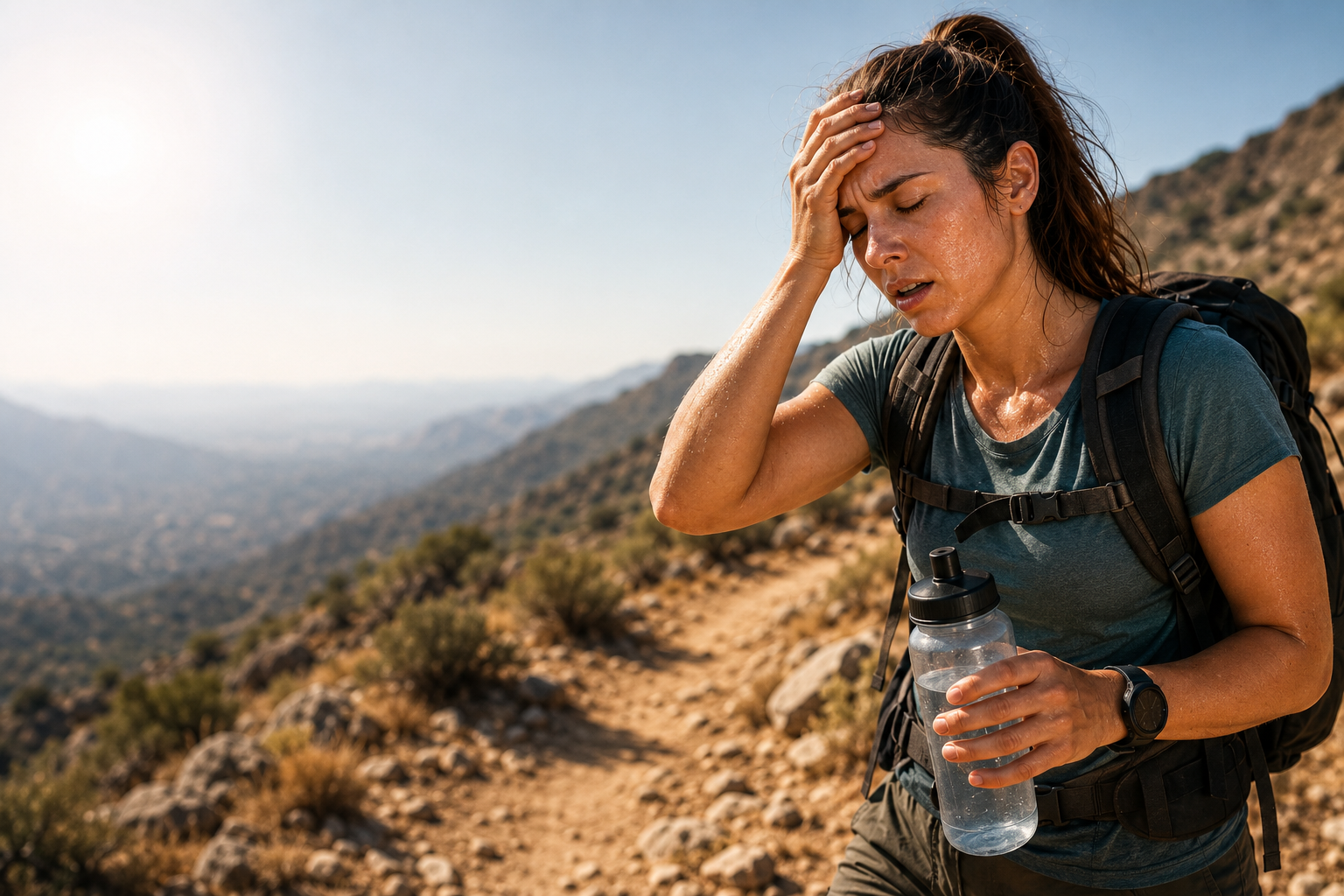
Bringing too little water on a hike can affect energy, judgment, and safety faster than many people expect. Learn simple hydration habits for safer day hikes and family outings.
A short hike can feel simple. You lace up your shoes, grab your phone, maybe pack a snack, and head out to enjoy fresh air. If the trail is only a few miles, it is easy to think one small bottle of water will be enough.
Sometimes it is. But sometimes the trail takes longer than expected, the weather gets hotter, the shade disappears, or the uphill section feels harder than it looked on the map.
That is when water becomes more than a comfort item.
When you hike, your body works harder than it does during a normal walk around the neighborhood. You breathe more, sweat more, and use more energy. Even on a cool day, a steady climb, direct sun, dry air, or carrying a backpack can make you lose fluids faster than you realize.
The risk is not only feeling thirsty. Too little water can affect your energy, focus, mood, balance, and decision-making. It can turn a pleasant outing into a stressful walk back to the trailhead.
The good news is that this is one of the easiest hiking risks to reduce. A little planning before you start can make the whole day feel safer and more enjoyable.
Why Thirst Is Not the Best Reminder
Many people wait until they feel thirsty before drinking. On a regular day, that may seem normal. On a hike, it is not always the best plan.
By the time you are very thirsty, your body may already be asking for fluids. If you are focused on the scenery, talking with friends, watching kids, or trying to reach a viewpoint, you may ignore the early signs.
That is why a simple “sip regularly” habit works better than waiting for a strong thirst signal.
Hiking Distracts You From Your Body
Trails are full of distractions. You are watching your footing, checking the route, taking photos, looking for trail markers, or keeping an eye on children and pets.
Because your attention is outside your body, you may not notice that your mouth is dry, your pace is slowing, or your head feels slightly off.
Small symptoms can sneak up quietly.
Cooler Weather Can Be Misleading
People often associate dehydration with hot summer hikes, but it can also happen in mild or cool weather.
You may sweat under layers without noticing. Wind can dry sweat quickly. Higher elevations can make the air feel drier. A cloudy day can still require steady hydration.
Cool weather does not mean you can skip water.
What Can Happen When You Bring Too Little Water
Running low on water affects more than comfort. It can change how well you handle the rest of the hike.
Your Energy Drops Faster
When you do not drink enough, your body may feel heavier and slower. A hill that felt manageable at the start can feel much harder on the way back.
This matters because hiking is rarely only about distance. Terrain, elevation, heat, and trail conditions all affect how demanding the hike feels.
A three-mile trail with steep climbs can feel very different from a flat three-mile walk in town.
Your Judgment Can Get Worse
Hiking safely requires small decisions: when to turn around, which trail marker to follow, whether to rest, how fast to walk, and whether the group is doing okay.
When you are dehydrated, tired, or overheated, those decisions may become harder. You may push too far, ignore warning signs, or become impatient.
Good hydration helps you stay more clear-headed.
Your Balance May Be Affected
Many trails include rocks, roots, loose gravel, steps, slopes, and uneven surfaces. When you are tired and underhydrated, you may be more likely to stumble.
This is especially important on the way down, when your legs are already tired and the trail may require careful footing.
You May Feel Irritable or Anxious
Low water and fatigue can affect mood. Someone who was cheerful at the trailhead may become quiet, frustrated, snappy, or worried halfway through.
On family hikes, this can show up as cranky kids, stressed parents, or group tension.
Sometimes what feels like a bad attitude is really a tired body asking for water, shade, and a break.
Common Mistakes Hikers Make With Water
Most water mistakes are simple and understandable. They usually happen because people underestimate the hike.
Mistake 1: Bringing Water Based Only on Distance
Distance matters, but it is not the whole story.
A short trail can still be difficult if it is steep, exposed, rocky, hot, or at higher elevation. A longer flat trail in shade may feel easier than a short climb in full sun.
When planning water, think about time, heat, elevation, shade, trail difficulty, and your group’s pace.
Mistake 2: Assuming There Will Be Water on the Trail
Some hikers expect to find drinking fountains, streams, visitor centers, or refill stations along the way.
That can be a risky assumption.
Water sources may be seasonal, dry, untreated, closed, or farther away than expected. Even clear stream water may not be safe to drink without proper treatment.
For most day hikes, it is better to start with the water you expect to need.
Mistake 3: Sharing One Bottle for the Whole Group
One bottle may seem fine for a quick walk, but it is usually not a good plan for a family or group hike.
Different people drink different amounts. Children may need reminders. Some adults sweat more. Pets need water too. If everyone depends on one bottle, the group may run out quickly.
Each person should have access to their own water when possible.
Mistake 4: Saving Water for Later
Some hikers ration water too early because they worry about running out. They take tiny sips while continuing to hike in the heat.
The better plan is to bring enough water from the start and drink regularly. Waiting too long can make you feel worse and make the remaining hike harder.
Mistake 5: Forgetting the Return Trip
A beautiful overlook can make it tempting to use most of your water on the way up. But reaching the destination is only half the hike.
You still need enough water for the return, especially if the way back is exposed, uphill, or during the hottest part of the day.
A helpful habit is to check your water before turning around or continuing farther.
Warning Signs You May Not Have Enough Water
Your body often gives early signals before the situation becomes serious.
Dry Mouth and Strong Thirst
A dry mouth is one of the easiest signs to notice. If you are very thirsty and still have a long way to go, slow down and reassess.
Headache or Light-Headedness
A headache, dizziness, or feeling slightly “off” can be a sign that you need a break, water, shade, and possibly food.
Do not ignore these signs just to keep up with the group.
Dark Urine or Not Needing to Go
If you are hiking for several hours and barely need to urinate, or your urine is very dark, it may be a sign you need more fluids.
This is not something to obsess over, but it can be a useful clue on longer outings.
Muscle Cramps or Unusual Weakness
Cramps, weakness, or heavy legs can happen for many reasons, but low fluids and heat can contribute.
Take these symptoms as a reason to pause and evaluate the plan.
Confusion or Unusual Behavior
If someone seems confused, unusually unsteady, very weak, or unable to respond normally, treat it seriously and seek help as appropriate.
For everyday hiking prevention, the goal is to respond early before mild symptoms become more concerning.
How Much Water Should You Bring?
There is no perfect amount for every person and every trail. Water needs vary based on body size, fitness, weather, terrain, altitude, pace, clothing, and how much you sweat.
A common practical approach for day hikes is to bring more than you think you will need, especially if the trail is unfamiliar.
For an easy, short walk in mild weather, a bottle may be enough. For a longer hike, hot day, exposed trail, or uphill route, you may need much more.
The safest habit is to research the trail ahead of time and plan water based on the actual conditions, not just the distance.
Consider the Weather
Hot, sunny, humid, or windy weather can increase your need for fluids. Direct sun can make a trail feel much hotter than the forecast.
If the forecast looks hot, start earlier in the day, choose a shaded route, shorten the hike, and bring extra water.
Consider the People in Your Group
Children, older adults, beginners, and anyone not used to hiking may need more breaks. Some people may not speak up when they are thirsty or tired.
Plan for the whole group, not just the strongest hiker.
Consider Pets
Dogs need water too. Do not assume your pet can drink safely from streams, puddles, or lakes. Carry water and a small collapsible bowl if you bring a dog on the trail.
Also remember that hot ground, thick fur, and excitement can make pets overheat faster than expected.
Simple Hydration Habits for Safer Hiking
Good hydration does not have to be complicated.
Drink Before You Start
Start the hike already hydrated. If you begin thirsty, you are playing catch-up from the first step.
Have some water before leaving home or before stepping onto the trail.
Sip Regularly
Instead of waiting until you are very thirsty, take small sips throughout the hike. Some people like to drink at every trail marker, every rest stop, or every 15 to 20 minutes.
The exact timing is less important than making it a habit.
Pack Water Where You Can Reach It
If your water is buried deep in your backpack, you may drink less often. Keep a bottle in an outer pocket or use a hydration bladder if you like sipping while walking.
Convenience matters.
Pair Water With Snacks
On longer hikes, water alone may not keep your energy steady. Bring simple snacks such as trail mix, fruit, crackers, granola bars, or sandwiches.
Eating and drinking together can help prevent that sudden “empty tank” feeling.
Turn Around Before You Are Out
Do not wait until your water is gone to think about heading back. If you are halfway through your water but not halfway through the hike, it may be time to turn around or shorten the route.
This is one of the simplest safety rules on the trail.
Practical Tips for Family Hikes
Family hikes are wonderful, but they require extra planning.
Give Each Person a Water Job
Older kids can carry their own small bottle. Adults can carry extra water for younger children. Make water breaks part of the adventure rather than a chore.
For example, every time you stop to look at a view, everyone takes a few sips.
Watch Children Closely
Kids may say they are fine because they want to keep playing, or they may suddenly melt down because they are tired and thirsty.
If a child becomes unusually cranky, slow, flushed, or quiet, take a break in the shade and offer water.
Avoid the Hottest Part of the Day
For family hikes, early morning is often more comfortable than midday. Trails are cooler, parking may be easier, and kids may have more energy.
If the day is hot, choose shorter shaded trails instead of exposed climbs.
What to Do If You Realize You Brought Too Little Water
It happens. Maybe the hike is harder than expected, the trail is longer than you thought, or someone drinks more than planned.
The key is to respond early.
Slow Down
A slower pace can reduce strain and help the group conserve energy. This is not the time to push for a personal record.
Find Shade and Rest
Take a real break. Sit down if safe. Get out of direct sun. Let everyone cool off and reassess.
Shorten the Hike
Turn around or take the shorter route if one is available. It is better to miss a viewpoint than to struggle back without enough water.
Do Not Drink Untreated Water Without Knowing the Risk
Streams, lakes, and springs may look clean but can contain organisms or contaminants. If you plan to use natural water sources, bring a reliable filter or treatment method and know how to use it.
Ask for Help if Needed
If someone is feeling very unwell, confused, faint, or unable to continue safely, seek appropriate help. For general awareness, it is better to take symptoms seriously than to keep pushing.
A Simple Pre-Hike Water Checklist
Before your next hike, ask yourself:
How long is the trail likely to take?
Is it hot, sunny, humid, windy, or dry?
Is the trail shaded or exposed?
Is there elevation gain?
Are children, older adults, beginners, or pets coming?
Does each person have water?
Do we have extra water in the car for after the hike?
Do we know where reliable refill points are, if any?
Do we have a filter if we plan to use natural water?
Are we willing to turn around if water runs low?
This short checklist can prevent many common problems.
Final Thoughts: Water Is Part of the Trail Plan
Bringing too little water on a hike may seem like a small mistake, especially on a short or familiar trail. But water affects energy, focus, mood, balance, and decision-making.
A safer hike starts before your feet hit the trail. Check the weather, understand the route, bring enough water for the whole group, and drink before you feel desperate for it.
You do not need to overpack or worry about every possible problem. Just respect the fact that hiking takes effort, and your body needs support along the way.
A good water plan helps everyone enjoy the trail more comfortably. It gives you flexibility, reduces stress, and makes it easier to turn a simple hike into a good memory.
Hi, I’m the creator and editor behind ZestyHabit. I research everyday safety, first aid, and practical wellness topics using official guidance and reliable public sources, then turn that information into clear, realistic steps for daily life.
My goal is to help readers make safer, better-informed choices at home and beyond.