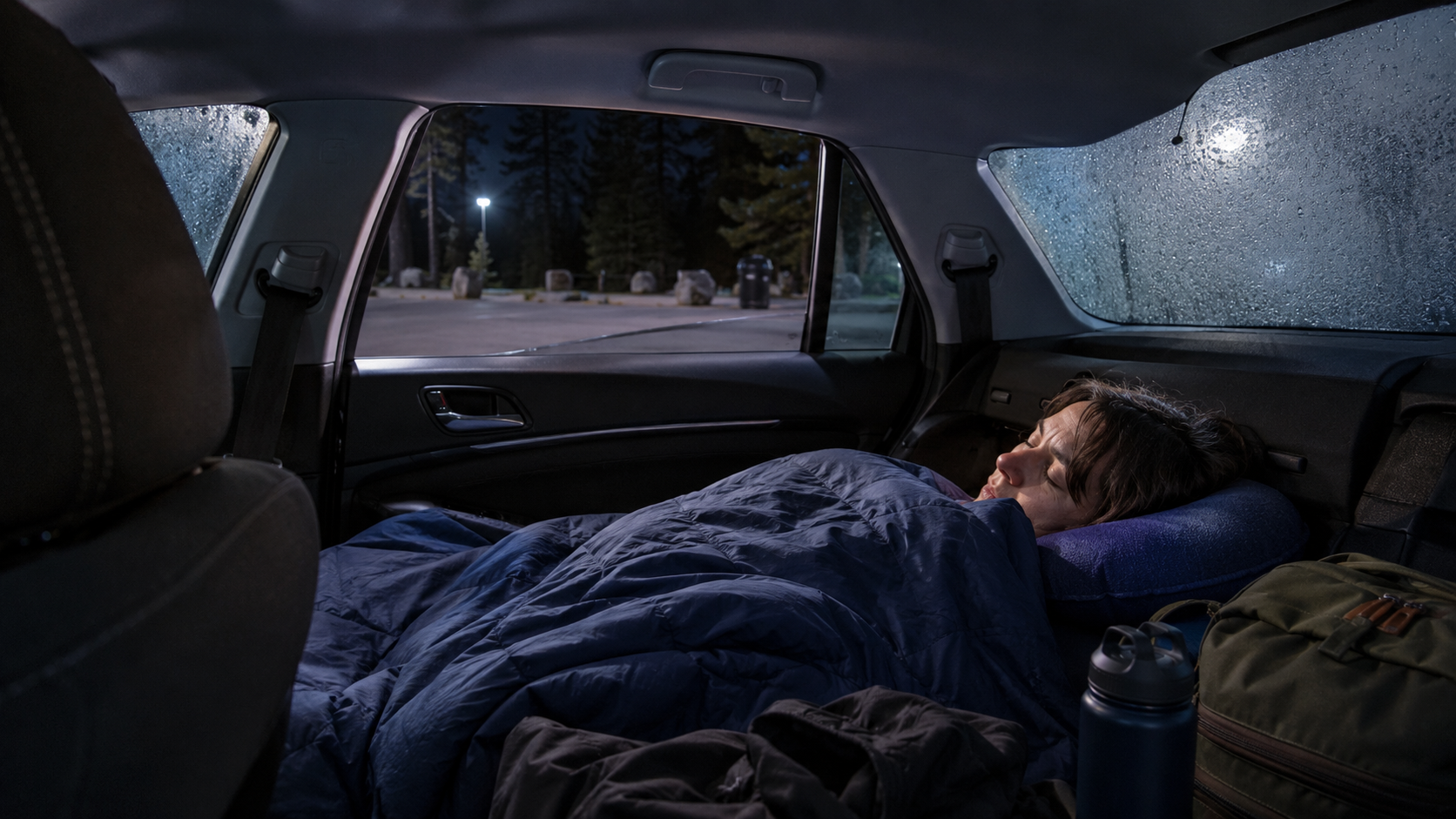
Sleeping in your car can be convenient during road trips, camping, or emergencies, but poor ventilation can create real risks. Learn simple ways to keep air moving, reduce condensation, and stay safer while car camping.
You fold the seats down, spread out a blanket, crack open some snacks, and turn the vehicle into a tiny shelter for the night. Maybe you are on a road trip, camping near a trailhead, waiting out bad weather, or resting during a long drive.
For many people, car sleeping is practical. It can save money, offer flexibility, and give you a place to rest when a hotel or campsite is not available.
But one detail is easy to forget: ventilation.
A parked car may feel like a protected little room, but it is still a small enclosed space. Without fresh air, the inside can become stuffy, damp, uncomfortable, and potentially unsafe depending on the situation. The risk becomes more serious if the engine is running, the exhaust system has a problem, the tailpipe is blocked, or someone uses fuel-burning equipment nearby.
This does not mean you should be afraid of car camping. It means ventilation should be part of the setup from the beginning, just like choosing a safe parking spot or keeping your phone charged.
A Car Is Not the Same as a Bedroom
A bedroom has more air space. It may have windows, vents, a heating or cooling system, and more room for moisture to spread out. A car has much less interior volume.
When you sleep inside a vehicle, your breathing adds moisture to the air. If there are two people, a child, or a pet inside, the air can feel stale more quickly. In cold weather, moisture may collect on the windows. In warm weather, the car may become humid and uncomfortable.
Ventilation helps fresh air enter and stale air leave. Even a small amount of airflow can make the sleeping space feel better.
The goal is not to leave the car wide open. The goal is to create a safe, controlled way for air to move.
The Biggest Concern: Carbon Monoxide
Carbon monoxide is one of the main reasons ventilation matters around vehicles.
Carbon monoxide is a gas that can come from fuel-burning engines and appliances. You cannot rely on smell or color to notice it. That makes it especially concerning in situations where someone is sleeping, tired, or already less alert.
A properly maintained vehicle used correctly is designed to keep exhaust away from the cabin. But problems can happen. A small exhaust leak, damage under the car, a blocked tailpipe, or idling in a poorly ventilated area can create risk.
This is why sleeping in a car with the engine running should never be treated casually. It may seem like an easy way to stay warm or cool, but it adds a serious safety concern.
If you plan to sleep in your vehicle, it is better to prepare bedding, clothing, shade, fans, or other non-engine strategies rather than depending on the car running all night.
Why Running the Engine While Sleeping Is Risky
Many people think, “I’ll just leave the car on for heat,” or “I’ll keep the air conditioning running while I sleep.”
That may sound convenient, but it is not a good plan.
A running engine produces exhaust. If exhaust gets into the cabin, the person sleeping inside may not notice quickly enough. Drowsiness, headache, dizziness, nausea, or confusion may be hard to recognize while half-asleep. In cold weather, snow, mud, leaves, or debris can block the tailpipe. In a garage, carport, or enclosed area, exhaust can build up even faster.
Even outdoors, it is smart to avoid sleeping with the engine running for long periods. If the weather is too hot or too cold to sleep safely without the engine, it may be better to choose another shelter option.
Car sleeping works best when the vehicle is parked safely, turned off, and set up for fresh air and comfort.
Ventilation Also Helps With Moisture
Not every ventilation problem is dramatic. Sometimes the issue is simply moisture.
When people sleep in a closed car, windows often fog up by morning. That fog is moisture from breathing, damp clothes, wet shoes, pets, or outdoor humidity. Over time, too much moisture can make the car feel clammy and uncomfortable.
Condensation can also drip onto blankets, soak fabric, or create musty smells. In colder weather, moisture on the windows may freeze. In warmer weather, a damp interior can make sleep feel sticky and restless.
Cracking windows slightly, using rain guards, keeping wet gear separate, and allowing airflow can reduce that trapped moisture.
Good ventilation is not only about safety. It also helps you wake up feeling less groggy and uncomfortable.
Privacy matters. Warmth matters. Security matters. But sealing the car completely can make the air feel stale, especially overnight.
You do not need to leave windows wide open. A small opening on opposite sides of the vehicle can create cross-ventilation. Window rain guards or mesh screens can help keep airflow while reducing rain, bugs, and visibility from outside.
If you are concerned about security, choose your parking spot carefully. Park in a legal, well-lit, appropriate area where overnight parking is allowed. Keep valuables out of sight. Lock the doors. Use small window openings that do not allow easy access.
Ventilation and security should work together, not against each other.
Common Car Camping Situations Where Ventilation Matters
Road Trips
On long drives, people sometimes pull into a rest area or parking lot for a nap. Because the stop feels temporary, they may not think about airflow.
Even for a short rest, crack a window slightly if conditions allow. Turn the engine off if you are sleeping. Keep your phone charged and park somewhere visible and legal.
A quick nap should still be treated as real rest, not something you do while the car is running and the cabin sealed.
Winter Car Sleeping
Cold weather makes ventilation more complicated. People naturally want to close everything tightly and preserve heat.
But winter adds another concern: blocked exhaust. Snow or ice around the tailpipe can prevent exhaust from clearing properly if the engine is running. If you are stranded and must run the engine briefly for warmth, the exhaust pipe should be clear and a window should be opened slightly.
For planned winter car camping, prepare warm sleeping bags, insulated blankets, layered clothing, hats, gloves, and sleeping pads. Insulation under your body matters because cold comes up from below.
Do not rely on the engine as your main heat source.
Summer Car Sleeping
In hot weather, ventilation becomes a comfort and heat issue.
A closed car can become hot quickly, especially in direct sun. Even at night, poor airflow can make the cabin feel stuffy. If the temperature is too high, sleeping in a car may not be a safe or comfortable choice.
Park in shade when possible, use window shades, crack windows with screens, and consider a battery-powered fan designed for safe portable use. Avoid sleeping in direct sun after sunrise if the car will heat up quickly.
If it is too hot to sleep without running the air conditioning all night, it is worth finding a cooler and safer place to rest.
Camping Near Lakes, Forests, or Trailheads
Car camping near nature can be peaceful, but it can also bring moisture, bugs, and temperature changes.
Ventilation helps reduce condensation, but open windows may invite insects. Mesh window screens can help. Keep food sealed and stored properly, especially in areas where wildlife may be present.
Avoid using camp stoves, charcoal grills, or fuel-burning heaters inside the car. These belong outside in well-ventilated areas and should be used according to their instructions.
Do Not Use Camping Stoves or Charcoal Inside the Car
This is a key safety point.
A car is not a cooking shelter. Do not use charcoal, a camp stove, a propane burner, a portable grill, or similar fuel-burning equipment inside the vehicle. These can create carbon monoxide and fire risks.
Even if the windows are cracked, cooking inside a small vehicle is not a safe habit. It also increases moisture, smells, spills, and the chance of burns.
Cook outside in an appropriate area, away from the vehicle interior, and follow local rules for fires and open flames.
If weather makes outdoor cooking unsafe, choose no-cook foods or wait until conditions improve.
Simple Ways to Ventilate a Car While Sleeping
Crack Two Windows Slightly
Opening one window helps, but opening two windows a little can create better airflow.
You do not need a large gap. Even a small opening can help air move. If possible, open windows on opposite sides of the vehicle to allow cross-breeze.
Use judgment based on weather, security, bugs, and location.
Use Window Rain Guards
Rain guards can allow you to crack windows without making it obvious from a distance. They also help keep light rain from dripping inside.
For people who car camp often, rain guards can be a simple upgrade that makes ventilation easier.
Add Mesh Screens
Mesh window screens can help keep insects out while allowing airflow. Some are designed specifically for car camping and slip over the window frame.
They are especially useful in summer, near water, or in wooded areas.
Use a Battery-Powered Fan
A small battery-powered fan can help move air inside the cabin. It does not replace fresh air, but it can make ventilation more comfortable.
Use a fan safely. Keep it stable, avoid blocking it with blankets, and make sure cords or batteries are not creating clutter where you sleep.
Keep Vents Unblocked
When setting up bedding, bags, and window covers, avoid blocking every possible air path. A car packed tightly with gear can trap moisture and reduce airflow.
Leave some space around windows and vents when possible.
Watch for Warning Signs of Poor Airflow
Poor ventilation can show up in several ways.
The windows fog heavily. The air feels stale. You wake up with a headache. The inside smells musty, smoky, or like exhaust. Your bedding feels damp. You feel unusually groggy, dizzy, or nauseated.
These signs should not be ignored.
If something feels wrong, get fresh air immediately. Open doors or windows if it is safe. Step outside if conditions allow. If you suspect exhaust fumes or carbon monoxide, leave the vehicle and seek help.
The point is not to diagnose the problem yourself. The point is to take unusual symptoms and smells seriously.
Choose the Parking Spot Carefully
Ventilation is not only about windows. It is also about where the car is parked.
Avoid sleeping in garages, enclosed parking structures, or tight spaces with poor airflow. Do not park close to another running vehicle, generator, or fuel-burning equipment. Avoid low spots where water can collect or areas where snow may build around the vehicle overnight.
Choose legal overnight parking where you are allowed to stay. Rest areas, campgrounds, certain public lands, and designated overnight parking lots may be options depending on local rules.
A good parking spot should feel stable, legal, visible enough for safety, and not exposed to unnecessary hazards.
Keep the Tailpipe Clear
If there is any chance the engine will be run, even briefly, the tailpipe must be clear.
Snow, mud, leaves, sand, or debris around the tailpipe can affect how exhaust moves away from the vehicle. This is especially important in winter storms or after parking near snowbanks.
Before running the engine, check the area around the exhaust if it is safe to do so. Keep the vehicle off whenever possible while sleeping.
If you are stranded in winter and need heat, run the engine only as needed, keep a window slightly open, and make sure the exhaust pipe stays clear.
Make a Simple Overnight Routine
A calm routine makes car sleeping safer and more comfortable.
First, park legally in a safe location.
Second, turn the engine off before sleeping.
Third, crack windows slightly for airflow, using rain guards or screens if you have them.
Fourth, keep bedding warm enough for the weather so you do not depend on engine heat.
Fifth, keep fuel-burning devices outside the car.
Sixth, store food, gear, and valuables safely.
Seventh, keep your phone, keys, flashlight, shoes, and glasses within easy reach.
Eighth, check the weather and temperature before settling in.
This routine only takes a few minutes, but it helps prevent rushed decisions when you are tired.
Extra Tips for Families and Pets
Sleeping in a car with children or pets requires extra caution.
Children may not be able to explain that they feel dizzy, too hot, too cold, or uncomfortable. Pets can also overheat or become stressed in a small space. Ventilation, temperature, and safe sleeping arrangements matter even more.
Never leave children or pets alone in a parked car. Conditions inside can change quickly, and they may not be able to protect themselves.
If you are car camping as a family, plan the sleeping layout before dark. Keep windows ventilated, avoid loose gear near faces, and make sure everyone has enough space to rest comfortably.
What Not to Rely On
Do not rely on a sealed cabin to “hold enough air” all night.
Do not rely on smell to detect exhaust problems.
Do not rely on the engine running for overnight heat or cooling.
Do not rely on a cracked window to make indoor cooking safe.
Do not rely on one blanket in cold weather or one small fan in extreme heat.
Good car camping is about layers of preparation. Ventilation is one layer, but temperature planning, safe parking, weather awareness, and avoiding fuel-burning equipment inside the car all matter too.
A Calm Takeaway for Safer Car Camping
Sleeping in your car can be practical, affordable, and even enjoyable when done thoughtfully. But a car is a small enclosed space, and ventilation should never be an afterthought.
Before your next car-camping night, keep the routine simple. Park in a safe and legal place. Turn the engine off. Crack windows slightly. Keep the tailpipe clear if the engine must be used briefly. Never cook or burn fuel inside the car. Prepare warm or cool bedding so you are not depending on the vehicle’s climate system while you sleep.
A little airflow can make the night more comfortable, and a little preparation can help you rest with more confidence.
Hi, I’m the creator and editor behind ZestyHabit. I research everyday safety, first aid, and practical wellness topics using official guidance and reliable public sources, then turn that information into clear, realistic steps for daily life.
My goal is to help readers make safer, better-informed choices at home and beyond.