Why Letting Your Pet Chase Wildlife Can Be Dangerous
Minjin Park
·
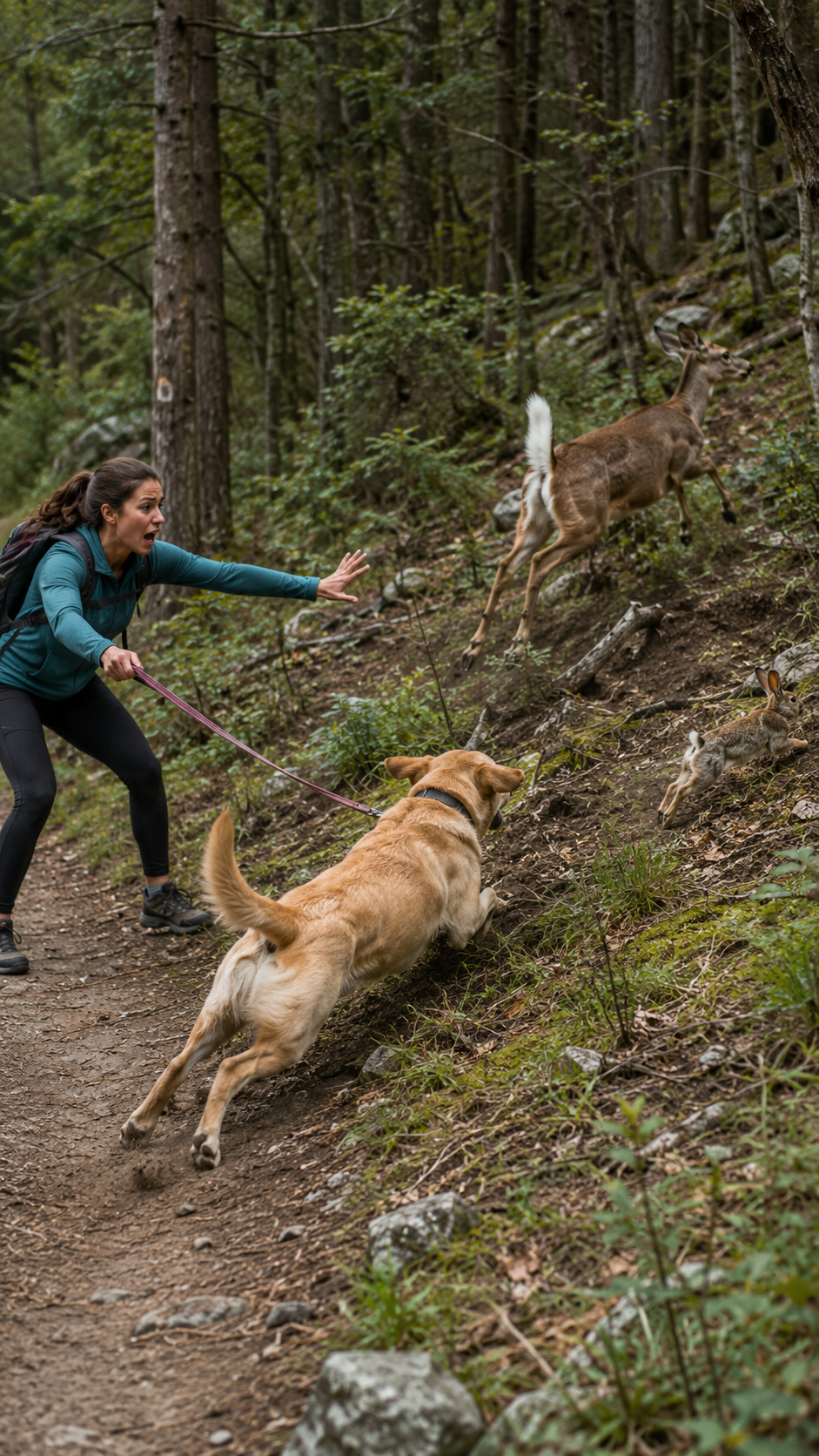
Chasing squirrels, deer, raccoons, and other wildlife can put pets, owners, and wild animals at risk. Learn how to prevent dangerous encounters.
A squirrel darts across the sidewalk, and your dog suddenly pulls. A rabbit appears near the yard, and your cat crouches before racing after it. These reactions happen quickly.
Chasing is natural behavior for many dogs and cats. Movement can trigger an instinctive response even in a gentle, well-trained pet. The problem is that a harmless-looking chase can lead into traffic, rough terrain, deep water, or a defensive wild animal.
The goal is not to punish your pet for noticing wildlife. It is to prevent the chase from beginning, create distance, and give your pet a safer behavior to perform instead.
A pet may appear relaxed until an animal runs. Once the chase begins, excitement and instinct can temporarily become more powerful than familiar commands.
A dog that reliably comes when called in the backyard may ignore the same cue while following a deer. A cat that usually stays close to the porch may travel much farther than expected while pursuing a bird or rodent.
Wildlife also does not know that your pet is “just curious.” An approaching dog or cat may be seen as a predator. The animal may flee, defend its young, or fight when it cannot escape.
The National Park Service advises keeping dogs leashed and away from wildlife, noting that wild animals may defend territory or young and that pets can also injure or kill wildlife.
Wild Animals Can Fight Back
Even small wild animals can protect themselves effectively.
A squirrel or rabbit may bite or scratch when caught. A raccoon can use its teeth and paws. A skunk may spray and may bite if trapped. Porcupine quills can become embedded in a dog’s face and mouth. Deer can kick, especially when startled or protecting young.
Snakes create another risk because a curious pet may place its nose or paw close before the owner sees the animal. A snake that would otherwise move away may strike when pursued or cornered.
Larger animals such as coyotes, bears, and mountain lions should never be approached by pets. National Park Service guidance warns that deer may kick, coyotes may chase, badgers may bite, and porcupines may release quills.
Size is not a guarantee of safety. A large dog can still be injured by a smaller animal, while a small dog may be viewed as prey by some predators.
The Chase May Lead Into Traffic or Dangerous Terrain
Often, the greatest danger is not the animal being chased. It is where the chase goes.
A squirrel may cross a road. A rabbit may run through a gap in a fence. A deer may move down a steep slope or into thick brush. A bird may lead a dog toward a riverbank, frozen pond, or rocky drop.
When focused on prey, a pet may not notice vehicles, bicycles, wire fencing, broken glass, or unstable ground. An owner running after the pet may also fall or enter traffic.
This is why a leash matters even in places that look empty. Wildlife may be hidden in tall grass, bushes, or just beyond a bend. The National Park Service commonly recommends a leash no longer than six feet on pet-friendly trails.
Pets Can Become Lost
A dog may cover a surprising distance in a short time. Once the animal disappears, the dog may continue following scent through woods, fields, or neighborhoods.
After the excitement fades, the pet may not know how to return. Darkness, unfamiliar sounds, weather, or another animal can push it farther away.
Outdoor cats face similar problems. A cat pursuing wildlife may enter a garage, climb into a tree, cross several yards, or become trapped behind fencing.
Identification cannot prevent a chase, but readable tags and current microchip information can improve the chance of reunion.
Wildlife Encounters Can Expose Pets to Disease
Close contact with wildlife may involve bites, scratches, saliva, blood, parasites, or contaminated surroundings.
Rabies is one concern after contact with certain wild mammals. The CDC explains that rabies can spread to people and pets through bites and scratches from an infected animal.
Not every wild animal carries rabies, and the species involved varies by region. Still, a fight may require veterinary and local public-health guidance.
Wildlife may also carry parasites and bacteria. A chase can end with a pet biting a carcass or drinking from a dirty drainage area.
A dog that chases a large animal may become frightened and run back to its owner. The wild animal may remain close behind.
This can turn a pet-wildlife encounter into a danger for the person holding the leash or trying to intervene. Reaching between fighting animals can also result in an accidental bite.
The safest approach is to prevent close contact and move away early. Do not encourage your pet to investigate, and do not approach wildlife for a photograph.
Chasing Harms Wildlife Too
A dog or cat may injure or kill a smaller animal. Even without contact, wildlife can be driven away from nests, feeding areas, water, or shelter.
A parent may be separated from young, and ground-nesting birds may leave eggs or chicks. A long escape also wastes energy wildlife needs for migration, winter, or raising offspring.
The presence and scent of dogs can also change wildlife behavior. National Park Service guidance notes that dogs may disturb animals at nesting, feeding, and resting sites and can signal the presence of a predator.
This is one reason many parks require leashes or prohibit pets on particular trails. Rules vary, so check the official regulations before visiting.
Common Wildlife Encounters to Take Seriously
Squirrels, Rabbits, and Birds
These animals trigger many everyday chases. The main danger is often traffic, fences, falls, or the pet becoming lost.
Do not assume the situation is safe because the animal is small. A cornered animal may still bite, and a sudden pull can knock an owner down.
Raccoons, Skunks, and Porcupines
Raccoons are strong and may fight when a dog gets close. Skunks can spray at close range and may bite if unable to escape. Porcupine quills can cause painful injuries, particularly around the mouth and face.
Give these animals plenty of room, especially near trash, decks, crawl spaces, and thick brush.
Deer, Coyotes, and Other Larger Animals
Deer may kick when cornered or protecting young. Coyotes and foxes may defend food, territory, dens, or young. Small pets are especially vulnerable when roaming unsupervised.
If a large animal is near the trail, stop at a distance. Turn around or wait for it to leave rather than allowing your pet to bark and pull closer.
Snakes
Keep your pet from placing its face into holes, brush piles, or spaces under logs. If you see a snake, stop and move away instead of trying to identify it from close range.
Warning Signs That Your Pet Is About to Chase
Learning your pet’s early signals gives you time to act before the leash goes tight.
Common signs include:
Suddenly freezing or staring
Leaning forward with the mouth closed
Raising the ears or changing tail position
Crouching or stalking
Whining, trembling, or becoming unusually excited
Ignoring treats or familiar cues
Pulling toward brush, trees, or a scent trail
The moment you notice fixation, increase distance. Waiting until the animal runs makes redirection much harder.
Common Mistakes Pet Owners Make
Trusting Recall in a High-Distraction Area
Good recall in the yard may not hold up on a trail filled with wildlife scent.
Use a leash unless you are in a secure area where off-leash activity is permitted and genuinely safe.
Using a Retractable Leash Near Wildlife
A retractable leash can let a dog build speed before reaching the end. The cord may also become tangled around trees, people, or brush.
A sturdy, fixed-length leash offers better control in wildlife areas.
Letting the Pet “Say Hello”
Wild animals do not need introductions to pets. Moving closer removes the safety margin you need if either animal reacts.
Punishing the Pet After It Returns
Scolding after a chase may make future recall less reliable. Reward the return, then improve management so the chase is less likely to happen again.
Grabbing the Collar During a Confrontation
A frightened or highly excited pet may bite accidentally when someone reaches near its head. Maintain control through the leash and move away rather than reaching between animals.
How to Prevent Wildlife Chases
Use Secure Walking Equipment
Choose a well-fitted collar or harness and a strong, fixed-length leash. Check clips, stitching, and buckles regularly.
Dogs that back out of collars may need an escape-resistant harness or backup connection.
Teach an Emergency Turn
Use a cheerful cue such as “this way” to mean turning around quickly and moving with you.
Practice at home and on quiet walks, rewarding your pet for following. This creates a familiar response when wildlife appears.
Practice “Leave It” and Recall
Start in low-distraction settings and increase difficulty gradually. Reward generously.
Training should support physical management rather than replace a leash in an unsafe place.
Scan Ahead
Watch trail edges, parked cars, tree lines, and tall grass. Slow down near blind corners so you can spot wildlife before your pet does.
Choose Open, Well-Managed Routes
Wildlife may be more active near dawn, dusk, food, water, and seasonal nesting areas. Choose routes with good visibility when your pet is highly reactive.
Provide Safer Outlets for Chasing Instinct
Fetch, flirt-pole play, scent games, and searching for hidden treats in a secure area can provide exercise and mental stimulation without putting wildlife at risk.
Keep Cats Safely Contained
Indoor living, a secure catio, or supervised harness time lets cats enjoy outdoor sights and smells without roaming and hunting. The Humane Society recommends enclosed outdoor spaces such as catios for safer outdoor access.
What to Do When You See Wildlife
Stop before your pet reaches the end of the leash.
Shorten the leash without wrapping it around your hand, turn away from the animal, and move calmly in the opposite direction. Use treats or a practiced cue to regain attention.
Create as much space as practical. A parked car, fence, tree, or building can serve as a visual barrier.
Do not corner the animal, block its escape route, or move closer to record a video.
If your pet makes physical contact with wildlife, move to safety and inspect the pet carefully. Contact a veterinarian promptly about bites, scratches, quills, possible snake contact, or unusual behavior. Note the animal, location, and time, but do not attempt to capture it yourself.
Keep Outdoor Adventures Enjoyable and Controlled
Seeing wildlife can be one of the best parts of a walk, hike, or backyard afternoon. Your pet can notice it without being allowed to pursue it.
Use secure equipment, watch for early fixation, practice an emergency turn, and create distance before excitement becomes a chase. Keep identification and vaccinations current, follow local leash rules, and provide safe games that satisfy your pet’s need to run and explore.
These habits protect more than your dog or cat. They also reduce stress and injury for the wild animals sharing the same parks, neighborhoods, and trails.
A calm turn in the other direction may feel like a small choice. In many situations, it is the simplest way to keep everyone safe.
Hi, I’m the creator and editor behind ZestyHabit. I research everyday safety, first aid, and practical wellness topics using official guidance and reliable public sources, then turn that information into clear, realistic steps for daily life.
My goal is to help readers make safer, better-informed choices at home and beyond.