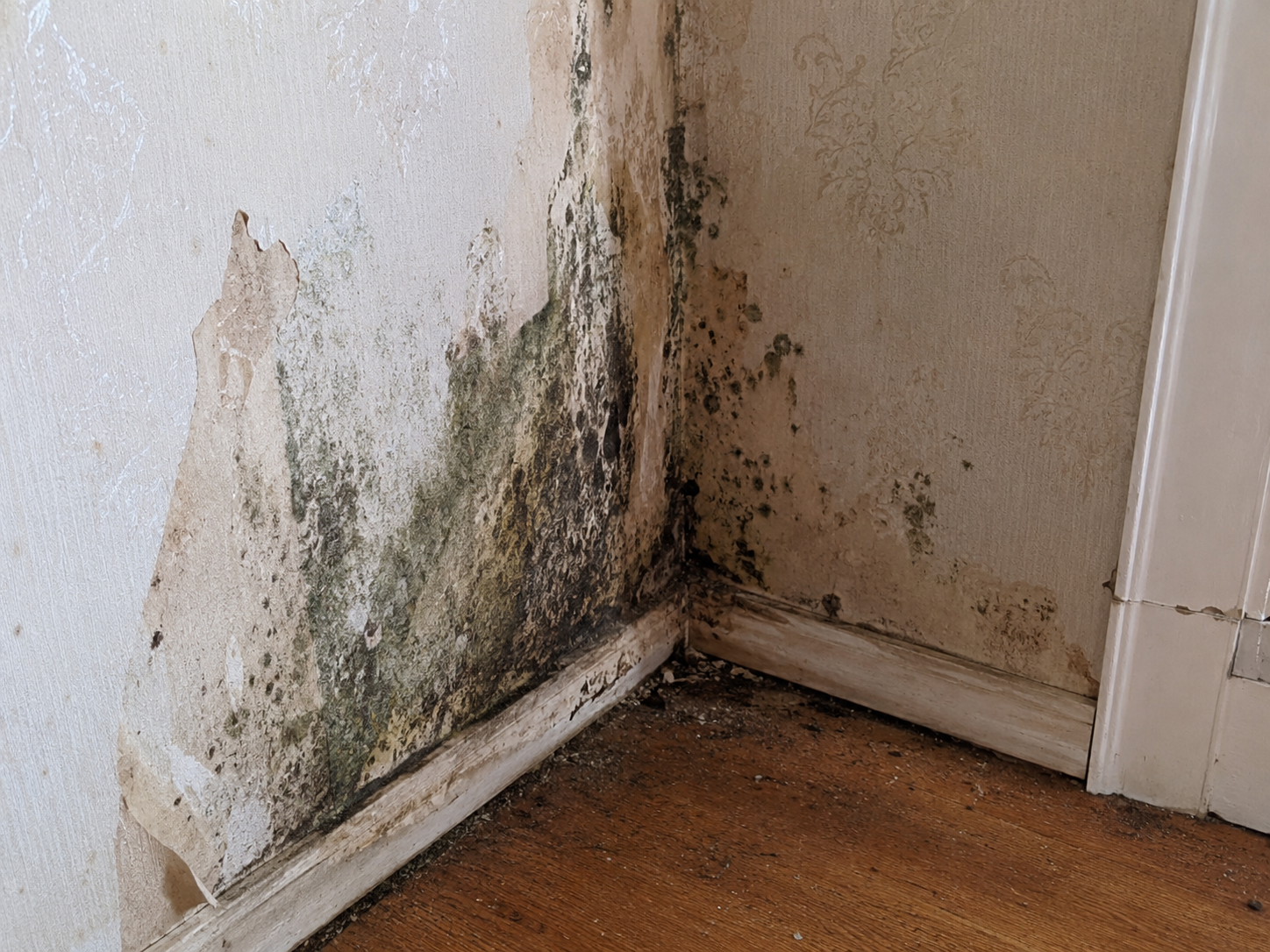
It usually starts as a faint gray shadow near a window, a few dark speckles behind a bed, or a strange stain in the corner of a room that always feels a little damp. You notice it once while cleaning, think, “I should deal with that later,” and then life moves on.
Laundry needs folding. Groceries need buying. Someone spills coffee. The wall can wait.
The problem is that mold does not really “wait” with you. If the conditions are right, it keeps growing quietly behind the paper, under the adhesive, and sometimes into the wall material itself. By the time it looks obvious, the issue may already be bigger than the small stain you first saw.
Leaving moldy wallpaper alone is not just a decorating problem. It can affect indoor air quality, trigger health symptoms, damage the wall underneath, and make future cleanup more expensive. And because wallpaper can hide moisture so well, it often gives mold a cozy little place to spread before anyone realizes what is happening.
Wallpaper Can Hide More Than It Shows
Painted walls usually make moisture problems easier to spot. The paint may bubble, peel, or discolor. Wallpaper, though, can act like a cover.
A small surface stain may be only the visible part. Behind the wallpaper, moisture can get trapped between the paper and the wall. The adhesive can hold dampness. The paper itself may provide organic material mold can feed on. In a humid room, that combination is not great.
bedrooms where furniture sits tightly against exterior walls
kitchens near sinks or appliances
basements
laundry rooms
corners around windows
rental units with old wallpaper
A wall can look mostly fine from the front while the back side of the wallpaper is much worse. That is why simply wiping the visible patch may not solve the problem. It may make the wall look better for a week, but if moisture is still present underneath, the stain can return.
And it often does.
Mold Is Usually a Moisture Problem First
People often think of mold as the main issue, but mold is usually a sign of another problem: excess moisture.
That moisture might come from a leak, condensation, poor airflow, or everyday habits that add humidity to the room. Long hot showers without running the fan. Drying clothes indoors. Keeping windows closed all winter. Pushing a bed or dresser against a cold exterior wall. Cooking without ventilation. Even lots of houseplants in a small room can add humidity.
None of these habits are “bad” on their own. They are normal home-life things. But when the room cannot dry out properly, mold has a chance to settle in.
Wallpaper makes this trickier because it can slow drying. A painted wall might release moisture faster. Wallpaper can trap it. Once dampness sits there long enough, mold can begin growing in places you do not see.
So if wallpaper has mold, the question is not only, “How do I clean this?”
It is also, “Why did this wall stay damp enough for mold to grow?”
That second question matters more than people think.
The Air in the Room Can Be Affected
Mold on wallpaper is not always sealed neatly in one spot. As it grows, it can release tiny particles and spores into the air. You do not need to see clouds of anything for it to matter. Indoor air moves constantly through fans, heating and cooling systems, open doors, footsteps, and even small drafts around windows.
For many healthy adults, a tiny patch may not cause obvious symptoms right away. But some people are more sensitive. Children, older adults, people with asthma, people with allergies, and anyone with a weakened immune system may react more strongly.
Possible symptoms can include:
sneezing
coughing
stuffy nose
itchy eyes
throat irritation
headaches
worsened asthma symptoms
a musty smell that does not go away
The frustrating part is that these symptoms can be vague. You might think it is seasonal allergies, dry air, or a lingering cold. Sometimes it is. But if symptoms feel worse in one room or improve when you spend time away from home, it is worth looking at the space more carefully.
Mold does not have to cover an entire wall to be annoying. A small, damp, poorly ventilated area can still affect how a room feels.
The Smell Is a Clue, Not Just an Annoyance
That musty smell people describe in old rooms, closets, and damp basements is not just “old house smell.”
It often means moisture is lingering somewhere.
Wallpaper can hold odor surprisingly well. If mold has grown behind it, the room may smell stale even after cleaning, opening windows, or spraying air freshener. Fragrance products can cover the smell for a while, but they do not remove the cause. Sometimes they make the room feel even heavier because now you have mustiness mixed with artificial lavender. Not exactly an upgrade.
A musty smell near a wall, especially after rain or during humid weather, deserves attention. It might be coming from mold behind wallpaper, moisture inside the wall, or damp materials nearby.
A simple habit helps: smell the room when you first enter, before you have adjusted to it. Our noses get used to odors quickly. If you walk into a room and immediately notice a damp or earthy smell, do not brush it off too fast.
It Can Damage the Wall Underneath
One reason people avoid dealing with moldy wallpaper is fear of making the wall look worse.
That makes sense. Peeling wallpaper can reveal a mess, and nobody wants to accidentally create a weekend renovation project. But leaving mold alone can lead to more damage.
Moisture trapped behind wallpaper may weaken drywall, loosen adhesive, stain plaster, or create soft spots. If the wall material stays damp for long periods, repairs can become more involved. What might have started as removing a strip of wallpaper and improving ventilation can turn into replacing drywall or treating a larger area.
There is also the issue of spreading. Mold does not always stay inside the neat little patch you see. If moisture continues, it can creep outward behind the paper. You may only notice when the wallpaper bubbles, peels, or develops a larger stain.
By then, you are not dealing with a “small spot” anymore.
Why Wiping the Surface Often Fails
A common first reaction is to grab a cloth and wipe the mold off. Honestly, that is understandable. Most of us want the wall to look clean again as quickly as possible.
But wallpaper is not the same as tile.
Many wallpapers are porous or semi-porous. Moisture and mold can get into the paper, seams, adhesive, and the wall beneath. If you scrub the surface, you may remove the visible discoloration without reaching the hidden growth. You may also damage the wallpaper, spread spores, or push moisture deeper.
Some wallpapers can tolerate gentle cleaning. Others cannot. Older wallpaper may tear. Textured wallpaper may trap mold in tiny grooves. Vinyl wallpaper may look wipeable but can hide moisture behind it.
This is why the safest answer is not always “spray something and scrub.” The better approach depends on the size of the affected area, the type of wallpaper, the moisture source, and whether the mold appears to be on the surface or behind the paper.
For a very small surface spot caused by temporary condensation, careful cleaning and improved ventilation may be enough. For larger patches, recurring stains, bubbling wallpaper, or a strong musty odor, removal and deeper inspection may be needed.
When Moldy Wallpaper Is More Serious
Not every tiny spot means panic. A little mildew in a steamy bathroom is not the same as a wall full of hidden mold after a leak.
Still, there are signs that the problem may be more serious:
The patch keeps coming back
If you clean it and it returns, moisture is still feeding it. The wall is not drying properly, or there is hidden growth behind the wallpaper.
The wallpaper is peeling, bubbling, or soft
This can mean moisture has reached the adhesive or wall material. The visible mold may only be part of the problem.
The area is larger than a small patch
A few specks are one thing. A spread-out stain or multiple patches in the same room suggest a bigger moisture pattern.
The room smells musty
Odor often points to hidden dampness. Even if the visible spot looks small, the source may be behind the wallpaper or inside the wall.
Someone in the home has asthma or strong allergies
In that case, it is better to be more cautious. Indoor mold can worsen symptoms for sensitive people.
There was a leak or flooding
If wallpaper got wet from a leak, water intrusion, or flooding, mold can grow behind it quickly. Surface cleaning may not be enough.
The Habit of “I’ll Deal With It Later” Can Cost More
Most home problems become expensive because they are boring at first.
A tiny drip under the sink. A loose window seal. A damp corner. A little wallpaper stain.
They do not feel urgent, so they get pushed aside. That is human. We respond faster to loud problems than quiet ones.
But mold rewards delay. The longer moisture remains, the more likely the damage spreads. Waiting can turn a manageable cleaning and ventilation issue into a repair job. It can also make the room unpleasant to live in long before anything dramatic happens.
There is another cost too: mental clutter.
A moldy wall becomes one of those background worries. You see it while passing by and feel a little uncomfortable. You avoid looking closely. You tell yourself you will handle it after the weekend. Then another week passes.
Small home issues can take up a surprising amount of space in your head. Dealing with the wall, even just by identifying the cause and making a plan, removes some of that low-level stress.
What You Can Do First
If you find moldy wallpaper, start with observation before attacking it with every cleaner under the sink.
Look at the size. Is it a few dots, or is it spreading? Is the wallpaper bubbling? Is the wall soft? Is there a window nearby? A pipe? An air conditioner? Does the room feel humid? Does the mold appear behind furniture?
Then think about moisture.
Can you improve airflow right away? Move furniture a few inches away from the wall. Use the bathroom fan during and after showers. Open windows when outdoor humidity is reasonable. Run a dehumidifier if the room often feels damp. Check whether vents are blocked. Look for leaks around windows, ceilings, plumbing, or exterior walls.
For a small surface area, you may be able to clean carefully using a suitable method for your wallpaper type. Wear gloves, avoid dry brushing, and do not over-soak the paper. Too much liquid can make the moisture problem worse. After cleaning, dry the area well and watch it over the next days and weeks.
If the mold covers a larger area, keeps returning, or seems to be behind the wallpaper, it is better to remove the affected wallpaper or call a professional. I know that is the less fun answer. But hidden mold behind wallpaper is not something you want to keep decorating around.
Be Careful With Bleach
Bleach is often treated like the magic answer for mold, but it is not always the best choice for wallpaper.
On non-porous surfaces, bleach may help remove surface staining. On porous materials, it may not reach the deeper growth. Wallpaper and drywall can absorb moisture, and adding more liquid can sometimes make the area wetter than before. Bleach can also discolor wallpaper, irritate your lungs, and create dangerous fumes if mixed with other cleaners.
Never mix bleach with ammonia, vinegar, or other cleaning products. That is not a “cleaning hack.” It is a hazard.
For wallpaper, the safest route is to first determine whether the material can be cleaned at all. Some moldy wallpaper should simply be removed, especially if the mold is behind it.
Do Not Paint or Paper Over It
This is tempting. Very tempting.
A stain looks ugly, and covering it seems easier than dealing with it. But painting over moldy wallpaper or adding new wallpaper on top does not fix the moisture problem. It can trap it further.
The mold may continue growing underneath. The stain may return. The smell may stay. The wall may keep deteriorating.
Covering mold is like putting a rug over a wet floor and hoping the floor learns a lesson. It will not.
Before repainting or redecorating, the mold should be removed, the damp material handled properly, and the moisture source corrected. Otherwise, the same issue may come back through your nice new finish.
Prevention Is Mostly About Drying the Room
Preventing moldy wallpaper is not about keeping a perfect home. It is about helping rooms dry out.
In bathrooms, run the fan longer than you think you need to. After a shower, the mirror may clear before the walls and corners are actually dry. If there is no fan, opening a window or using a small dehumidifier can help.
In bedrooms, avoid pressing large furniture tightly against cold exterior walls. Leave a little space for air to move. This matters more in winter, when warm indoor air meets cold wall surfaces and condensation forms.
In kitchens and laundry areas, watch for steam and leaks. A small recurring drip can create just enough moisture for mold to settle behind wallpaper.
Humidity matters too. Many homes feel better when indoor humidity stays roughly in a moderate range. If your room regularly feels damp, or if windows collect condensation often, a basic humidity monitor can be surprisingly useful. They are inexpensive, and they remove the guesswork.
Renters Should Document It Early
If you rent, moldy wallpaper can feel awkward. You may worry the landlord will blame you, or you may not want to make a big deal out of it.
Still, document it early.
Take clear photos. Note the date. Mention any signs of leaks, condensation, or musty smells. If the patch grows, take another photo. Send a polite maintenance request rather than waiting until the problem becomes severe.
This protects you and gives the property owner a chance to fix the moisture source. Mold behind wallpaper may be connected to building issues, not just tenant habits. Window leaks, roof leaks, plumbing problems, and poor ventilation are not things you can always solve with cleaning.
A Cleaner Wall Is Not the Only Goal
The real goal is a healthier, drier room.
A wall can look clean and still have a moisture problem. A room can smell fine after air freshener and still have damp wallpaper behind a dresser. That is why the best fix is not only cosmetic.
Remove or clean what is affected. Dry the area. Find the source. Improve airflow. Watch for recurrence.
That sounds less satisfying than a one-step solution, but homes are rarely one-step places. They are full of small systems: air, heat, moisture, habits, materials. Moldy wallpaper is usually a sign that one of those systems needs attention.
Final Thoughts
Leaving moldy wallpaper alone may seem harmless at first, especially when the spot is small and life is busy. But mold has a way of turning “later” into a bigger problem. It can affect the air in the room, irritate sensitive people, damage the wall underneath, and quietly spread where you cannot see it.
You do not have to panic over every speck. Just do not ignore it. Look closer, reduce the moisture, and handle the affected area before it becomes part of the room’s permanent background. A dry, clean wall is not just nicer to look at. It makes the whole space feel easier to live in.
Hi, I’m the creator and editor behind ZestyHabit. I research everyday safety, first aid, and practical wellness topics using official guidance and reliable public sources, then turn that information into clear, realistic steps for daily life.
My goal is to help readers make safer, better-informed choices at home and beyond.