How to Stop Forgetting Pots on the Stove: Simple Kitchen Safety Habits That Actually Help
Minjin Park
·
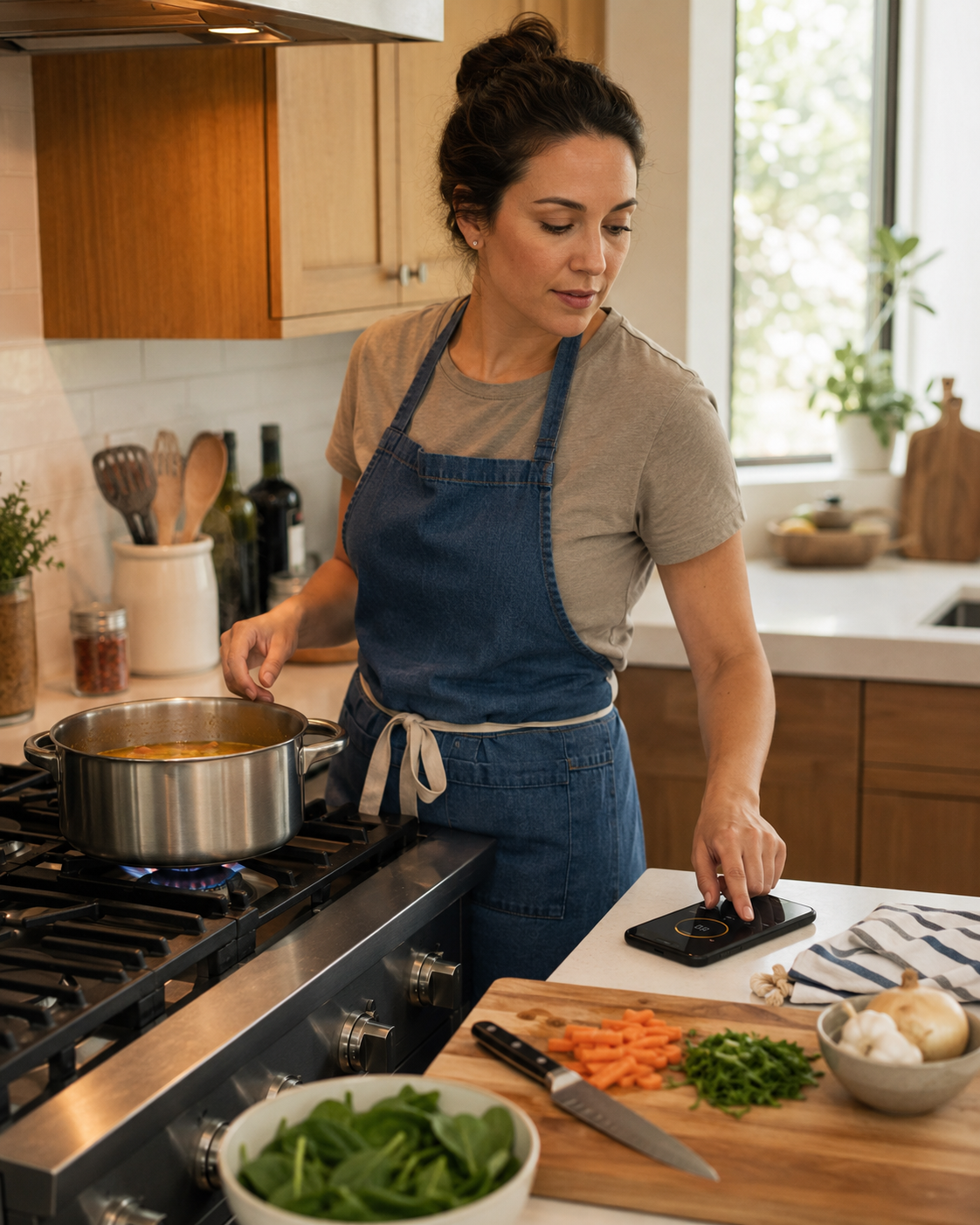
Forgetting a pot on the stove can happen in any busy home. Learn simple, realistic kitchen safety habits to reduce distractions, prevent overheating, and cook with more peace of mind.
Most kitchen accidents do not begin with something dramatic. Sometimes they start with a simple thought: “I’ll just step away for a minute.”
You put a pot of soup on the stove. You start boiling pasta water. You warm sauce for dinner. Then the doorbell rings, your phone buzzes, a child asks for help, or you remember laundry in the dryer. A few minutes pass. Then a few more. Before you know it, the pot is bubbling over, the kitchen smells smoky, or the food has burned onto the bottom.
Forgetting a pot on the stove is one of those everyday mistakes that can happen to careful people. It is not always about being careless. It is often about being busy, tired, distracted, or trying to do too many things at once.
The good news is that this type of accident is very preventable. You do not need to become a perfect cook or redesign your kitchen. You just need a few practical systems that make it harder to forget what is heating.
This guide covers why pots get forgotten, what warning signs to watch for, common mistakes, and simple habits that can make everyday cooking safer.
Why Forgetting a Pot on the Stove Happens So Easily
Cooking feels familiar
When you cook often, certain steps become automatic. Filling a pot with water, turning on a burner, lowering the heat, and walking away for a moment can feel normal.
That familiarity is helpful, but it can also make us underestimate risk. A pot on the stove may not feel like something that needs active attention, especially if it is “just water,” “just soup,” or “only on low.”
But heat changes things quickly. Water can boil away. Oil can overheat. Sauces can scorch. A small distraction can turn into a bigger problem if no one checks the stove.
Modern life is full of interruptions
Many people cook while answering texts, helping kids, feeding pets, unloading groceries, watching a show, or working from home. The stove may be on, but your attention is split between several things.
This is especially common during dinner time. It is the part of the day when people are hungry, tired, and often rushing. That combination makes forgetting a pot much more likely.
“Low heat” can still cause trouble
A common assumption is that a pot on low heat is not a big concern. Low heat is safer than high heat in many situations, but it does not make the stove harmless.
If food sits too long, it can still dry out, burn, smoke, or stick badly to the pan. If a pot boils dry, the pot itself can become extremely hot. If something nearby is too close to the burner, the situation can become more concerning.
Low heat gives you more time, but it does not replace attention.
Why This Matters in Everyday Home Safety
For many families, the kitchen is the busiest room in the house. It is where cooking, cleaning, homework, phone calls, pet care, and daily routines all overlap.
Because of that, stove safety is not just about cooking skill. It is about household habits.
A forgotten pot can lead to burned food, damaged cookware, strong odors, smoke, and stress. In some cases, it can create a fire risk, especially if the stove is left unattended for a long time or if towels, packaging, paper, or other items are nearby.
This is not something to panic about. It is simply something worth planning for.
Most people do better with reminders and routines than with willpower alone. A few smart habits can keep you from relying on memory when life gets busy.
Common Situations Where Pots Get Forgotten
Stepping away “just for a second”
This is probably the most common situation. You plan to leave the kitchen briefly, but something else grabs your attention.
Maybe you check one email. Maybe you take out the trash. Maybe you answer a phone call. The task expands, and the pot disappears from your mind.
A helpful rule is simple: if you leave the kitchen, take a reminder with you.
Cooking while tired
Fatigue makes people forgetful. After a long workday, it is easy to misjudge time or lose track of what is on the stove.
This is when simple meals, timers, and lower-effort cooking methods can help. There is no shame in choosing the safer, easier option when you are tired.
Multitasking during meal prep
Cooking multiple dishes at once can feel efficient, but it increases the chance of missing something. One pot boils over while you chop vegetables. A sauce burns while you rinse dishes. Pasta water evaporates while you season meat.
The more burners you use, the more reminders you need.
Getting distracted by your phone
Phones are one of the biggest kitchen distractions. A quick message can turn into social media, a video, or a long conversation.
If the stove is on, try not to start anything on your phone that can pull you in. A short timer is fine. A 20-minute scroll is where problems begin.
Leaving food on “warm” or “simmer”
Simmering can be useful for soups, stews, sauces, and broths. But it can also trick people into thinking the food no longer needs attention.
A simmering pot still needs regular checks. Liquid levels change. Food can stick. Heat can slowly build under a thick sauce.
Warning Signs You Should Not Ignore
The smell changes
Smell is often the first clue that something is wrong. A pleasant cooking smell may turn sharp, smoky, bitter, or burnt.
If you notice a strange smell while cooking, check the stove right away. Do not assume it is coming from another apartment, the oven, or outside.
Steam suddenly increases or disappears
Lots of steam may mean a pot is boiling hard or bubbling over. No steam from a pot that should be boiling may mean the water level is low or gone.
Both are worth checking.
You hear sputtering, popping, or sizzling
Some cooking sounds are normal. But sudden sputtering, loud sizzling, or irregular popping may mean liquid has spilled, food is sticking, or the pot is overheating.
Sound is another useful reminder that the stove needs attention.
The pot handle feels hot
If a handle is hotter than expected, the pot may have been heating longer than you realized, or the burner may be too high. Use caution and adjust your habits for next time.
Food is sticking more than usual
If sauce, rice, oatmeal, or soup starts sticking quickly, the heat may be too high or the pot may have been left too long without stirring.
This is often a sign that the cooking setup needs more attention or a lower temperature.
Simple Habits to Reduce Forgotten Pot Accidents
Use a timer every single time
A timer is one of the easiest and most effective tools for stove safety.
Use a timer not only for baking or precise recipes, but also for casual cooking. Boiling water? Set a timer. Simmering soup? Set a timer. Heating leftovers on the stove? Set a timer.
The goal is not to make cooking feel strict. The goal is to create a backup for your memory.
A good habit is to set the timer before you leave the stove, even if you think you will remember.
Stay in the kitchen when using high heat
High heat changes food quickly. Water can boil over. Oil can heat fast. Thin sauces can burn. If a burner is on high, try to stay nearby.
If you need to leave the kitchen, lower the heat or turn the burner off until you return. It may slow cooking down a little, but it gives you more control.
Take a physical reminder with you
If you must leave the kitchen briefly, bring a reminder.
Some people carry a wooden spoon. Others put a potholder on the table, leave a light on, or place a sticky note where they will see it. The reminder should be unusual enough to make you think, “Oh right, the stove is on.”
This is especially helpful if you tend to leave the kitchen for quick tasks.
Create a “stove on” phrase
A simple spoken reminder can help. Say out loud, “The stove is on,” before stepping away.
It may feel silly at first, but speaking the action makes it more memorable. This works well for people who often move quickly from one task to another.
You can also say, “Burner off,” after turning it off. That gives your brain a clear end point.
Use back burners when possible
Back burners are often safer because they are farther from the counter edge and less likely to be bumped. This is especially helpful in homes with children or pets.
Turn pot handles inward so they do not stick out where someone can hit them. Just make sure the handle is not positioned over another hot burner.
Keep the stove area clear
A cluttered stove area creates more risk. Towels, food packaging, mail, paper plates, plastic bags, and wooden utensils should stay away from active burners.
Before turning on the stove, take ten seconds to clear the area. This small step can prevent a lot of stress later.
Match the burner size to the pot
Using a burner that is too large for a small pot can send heat up the sides and make handles hotter. It can also increase the chance of scorching.
Choose a burner that fits the bottom of the pot. This helps heat food more evenly and keeps cooking easier to manage.
Lower the heat once food starts boiling
Many foods do not need to stay on high heat after they reach a boil. Pasta water may need a steady boil, but soups, sauces, oatmeal, and stews often do better at a lower simmer.
Lowering the heat reduces splatter, sticking, and boil-overs. It also gives you more time to react if you get distracted.
Helpful Tools That Can Support Safer Cooking
Kitchen timers
A simple kitchen timer is useful because it is separate from your phone. You can place it near the stove or carry it with you.
Phone timers work too, but they can lead to distractions if you start checking other apps. If your phone tends to pull your attention away, a basic timer may be better.
Smart speakers
A smart speaker can be helpful because you can set a timer hands-free. For example, you can say, “Set a pasta timer for 10 minutes” or “Remind me to check the soup in 15 minutes.”
This is useful when your hands are wet, messy, or full.
Stove knob covers or reminders
For households with young children, stove knob covers may help prevent little hands from turning knobs. For adults, visual knob reminders can also help. Some people place a small sign near the stove that says, “Check burners.”
The best reminder is the one you will actually notice.
Automatic shutoff devices
Some modern stoves and add-on devices include automatic shutoff features. These can be helpful, especially for people who are forgetful, elderly family members, or busy households.
They should not replace attention, but they can add another layer of safety.
Common Mistakes to Avoid
Trusting memory alone
Memory is not reliable when you are busy. Even responsible people forget things. Timers and routines are not signs of carelessness. They are signs that you are making safety easier.
Leaving the house while something is cooking
Avoid leaving the home with a pot on the stove, even if the heat is low. If you need to step outside, turn the burner off first.
It is better to restart cooking than to worry about what is happening while you are away.
Cooking while distracted by several tasks
If you are already dealing with a lot, simplify the meal. Use one pot instead of three. Choose a recipe that requires less attention. Prep ingredients before turning on the burner.
The safest cooking setup is usually the one you can realistically manage.
Ignoring repeated close calls
If you have forgotten pots several times, treat that as useful information. It does not mean you are failing. It means your current system is not strong enough.
Add more reminders. Change where you stand. Use louder timers. Reduce multitasking. Small changes can break the pattern.
A Simple Stove Safety Routine
Here is an easy routine you can use every time you cook with a pot.
Before turning on the burner, clear the area around the stove. Check that towels, paper, packaging, and plastic items are away from heat. Choose the right burner and turn pot handles inward.
As soon as the pot is on the stove, set a timer. Even five minutes is better than relying on memory.
If you leave the kitchen, take a reminder with you or use a voice reminder. Avoid starting distracting tasks while the burner is on.
When cooking is done, turn the burner off before serving or plating. Then say, “Burner off,” and glance at the knob or control panel to confirm.
This routine takes very little time, but it creates a clear beginning, middle, and end to cooking.
Real-Life Examples
Imagine you are making soup while working from home. You lower the heat and return to your laptop. One email turns into five, and the soup keeps simmering. A timer would interrupt that focus and bring you back before the pot dries out.
Or picture a parent boiling pasta while helping a child find homework. The water starts bubbling over, but the parent is in another room. A simple rule like “stay in the kitchen on high heat” could prevent the mess.
Another common example is reheating sauce after a long day. You think you will stir it in a minute, but then your phone rings. The sauce scorches, the kitchen smells burnt, and dinner becomes stressful. A three-minute timer would have made the difference.
These are normal situations. That is why prevention should be simple and realistic.
When to Be Extra Careful
Some situations deserve extra attention.
Be more careful when cooking late at night, when you are tired, or when you are preparing several dishes at once. Pay closer attention when cooking thick foods like oatmeal, rice porridge, chili, curry, or tomato sauce because they can stick and burn faster than water-based foods.
Use extra caution when children, pets, or guests are moving through the kitchen. A busy kitchen makes it easier to miss sounds, smells, and visual cues.
If you know you are distracted, choose a cooking method that needs less monitoring, such as a slow cooker, rice cooker, microwave-safe reheating, or oven cooking with a timer, depending on the food.
Conclusion
Forgetting a pot on the stove can happen in any home. It usually starts with a small distraction, not a big mistake. A phone call, a child’s question, a quick chore, or simple tiredness can be enough to pull your attention away.
The best way to reduce these accidents is to build habits that do not depend on perfect memory. Set a timer every time. Stay near the kitchen when using high heat. Keep the stove area clear. Turn handles inward. Lower the heat when possible. Say out loud when the stove is on and when the burner is off.
These steps are small, but they work because they fit real life.
Cooking should feel comfortable and manageable, not stressful. With a few steady routines, you can make your kitchen safer and give yourself one less thing to worry about during a busy day.
Hi, I’m the creator and editor behind ZestyHabit. I research everyday safety, first aid, and practical wellness topics using official guidance and reliable public sources, then turn that information into clear, realistic steps for daily life.
My goal is to help readers make safer, better-informed choices at home and beyond.