12 Common Fire Hazards at Home and How to Prevent Them
Minjin Park
·
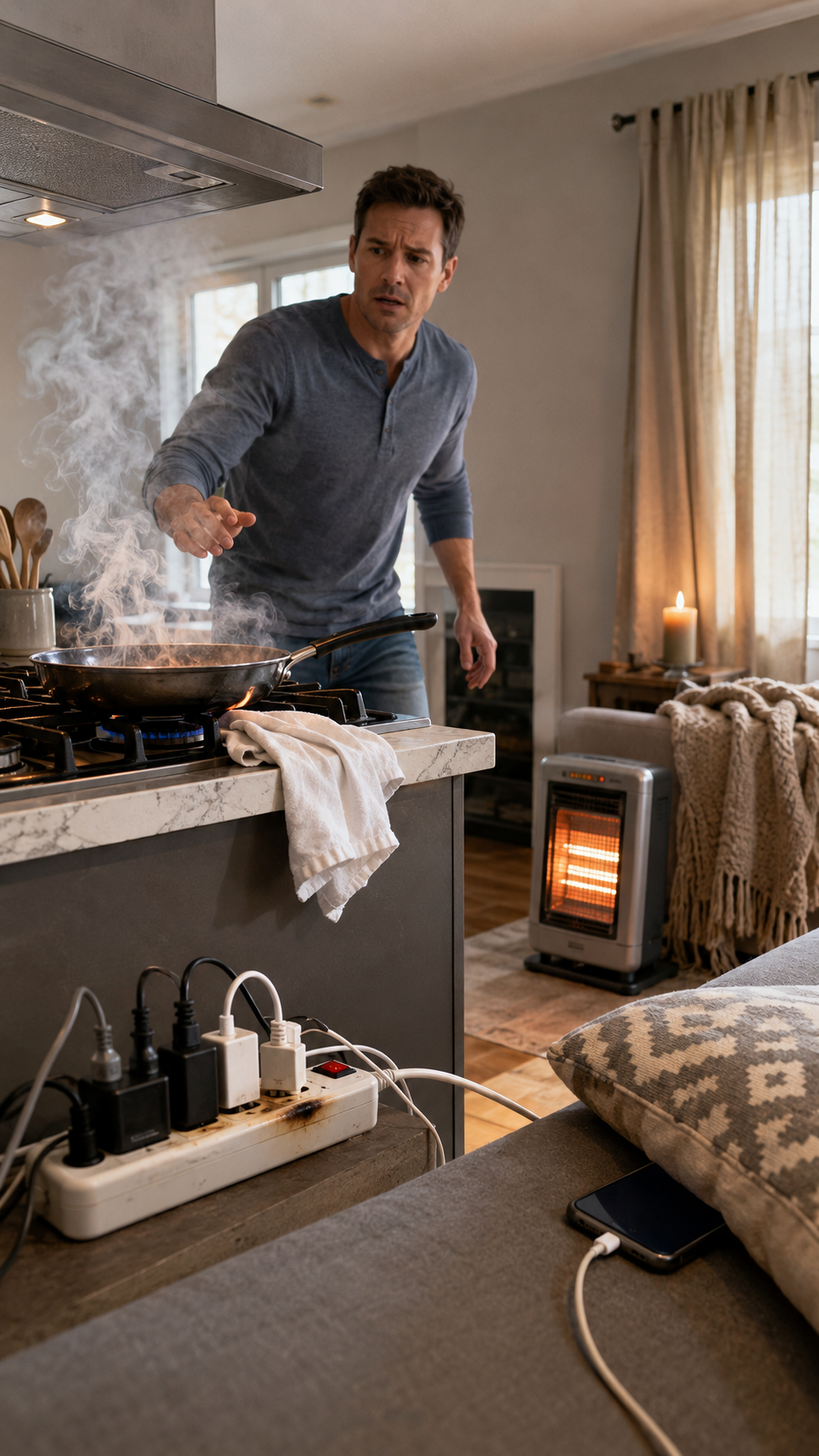
A home can feel safe and familiar while still containing dozens of potential fire hazards. A pan left heating on the stove, an overloaded power strip, a space heater placed near curtains, or a damaged lithium-ion battery may be all it takes for a fire to begin.
Many household fires are preventable. The challenge is that dangerous habits often become part of an ordinary routine. Someone may leave the kitchen “for just a minute,” run an electrical cord under a rug, or charge a battery overnight without considering what could go wrong.
Home fire safety is not about living in fear or removing every appliance from the house. It is about recognizing where fires are most likely to start, correcting unsafe conditions, and making sure everyone can escape quickly if prevention fails.
Here are 12 common fire hazards at home and the practical steps you can take to reduce the risk.
Cooking is one of the most significant fire hazards in the home. Oil can overheat, food can burn, and combustible items near the stove can ignite while the cook is distracted.
Stay in the kitchen when frying, grilling, broiling, or cooking with oil. If you need to leave—even briefly—turn off the burner. For foods that simmer, roast, or bake for longer periods, remain at home and use a timer as a reminder to check them regularly.
Keep towels, paper products, wooden utensils, food packaging, oven mitts, and loose clothing away from the stovetop. Turn pot handles toward the back so that children cannot pull them down and adults cannot accidentally bump them.
A small grease fire can become a major kitchen fire when someone reacts instinctively and throws water on it. Water can cause burning oil to splash and spread flames across the kitchen.
Keep a properly fitting metal lid or baking sheet nearby while frying. If a small fire starts in a pan and you can respond without putting yourself in danger, slide the lid over the pan, turn off the burner, and leave the pan covered until it has completely cooled.
Do not carry a burning pan to the sink or outside. Moving it can spill flaming oil onto your body, the floor, or nearby cabinets. Never use water on a grease fire.
Modern homes often contain more electronic devices than their electrical systems were originally designed to support. Multiple chargers, computers, heaters, televisions, and kitchen appliances may end up connected to a single outlet.
A power strip creates additional outlets, but it does not increase the amount of electricity the circuit can safely provide. Connecting several high-wattage appliances may cause overheating.
Stop using an outlet if you notice any of these signs and have the electrical system inspected by a qualified electrician. Do not keep resetting a breaker without finding out why it is tripping.
Large appliances should be plugged directly into appropriate wall outlets according to their instructions. Never plug one power strip into another to create a chain.
4. Damaged Extension Cords and Improvised Wiring
Extension cords are intended as temporary solutions, not permanent substitutes for fixed wiring. Cords may overheat when they are damaged, overloaded, pinched behind furniture, or covered by rugs.
Inspect cords for cracking, fraying, melted areas, exposed wires, or bent plugs. Replace damaged cords rather than repairing them with ordinary tape.
Do not run extension cords through walls, ceilings, doorways, or underneath carpets. Foot traffic and furniture can damage the insulation without the problem being visible. A rug may also trap heat around an overloaded cord.
Use a cord rated for the appliance and environment. Outdoor cords should be specifically approved for outdoor use, and wet areas require appropriate electrical protection. If your home regularly depends on extension cords, consider having additional outlets professionally installed.
The USFA’s electrical fire guidance recommends paying attention to electrical and appliance maintenance rather than treating warm outlets or damaged cords as minor inconveniences.
5. Space Heaters and Heating Equipment
Space heaters can ignite bedding, curtains, clothing, furniture, paper, and other combustible materials placed too close to them.
Plug a space heater directly into a wall outlet. Do not use an extension cord or power strip, because these may overheat under the heater’s electrical load. Turn the heater off before leaving the room or going to sleep.
Choose a heater with automatic tip-over protection and certification from a recognized testing laboratory. Stop using it if the plug, cord, or outlet becomes hot.
Fireplaces, furnaces, chimneys, and wood stoves also require maintenance. Have heating equipment and chimneys professionally inspected and cleaned as recommended. Use a sturdy fireplace screen and never use an oven or stovetop to heat the home.
6. Candles, Incense, and Open Flames
Candles can ignite curtains, bedding, paper decorations, artificial plants, or clothing. Pets and children may knock them over, while a draft can push the flame toward nearby objects.
Blow out every candle before leaving the room, going to sleep, or becoming drowsy. Avoid using lit candles in bedrooms and bathrooms, where people may fall asleep or leave them unattended.
Incense should receive the same level of attention. Ash and glowing material can remain hot after the visible flame disappears. Use a holder designed to catch the ash and keep it away from paper, fabrics, and open windows.
Battery-operated flameless candles provide a similar atmosphere without an open flame. During a power outage, use flashlights or battery-powered lights rather than candles.
7. Smoking Materials
Cigarettes, cigars, pipes, matches, and lighters can start fires when they are dropped onto bedding, upholstered furniture, carpeting, or dry vegetation.
The safest option is to smoke outside. Use a deep, sturdy ashtray placed on a stable surface and fully extinguish every smoking material. Never discard cigarette butts in a planter, mulch, trash can, or container filled with combustible material.
Smoking is especially dangerous around medical oxygen. Oxygen itself does not burn, but it can make other materials ignite more easily and burn rapidly. Never smoke or use candles, lighters, or other open flames near oxygen equipment.
Keep matches and lighters locked away from children, not merely placed on a high shelf.
8. Clothes Dryers and Lint Buildup
Dryer lint is highly combustible. When airflow becomes restricted, heat can build up inside the appliance or vent system.
Clean the lint filter before or after every load. Check behind and underneath the dryer, where lint and dust may accumulate. The exhaust duct should not be crushed, excessively bent, or blocked.
Do not run the dryer while sleeping or away from home. Items contaminated with gasoline, paint thinner, cooking oil, or other flammable substances may remain dangerous even after washing and should not automatically be placed in a heated dryer.
Follow the manufacturer’s instructions and have gas dryers installed and serviced by qualified professionals.
9. Lithium-Ion Batteries and Chargers
Lithium-ion batteries power phones, laptops, tablets, power banks, cordless tools, e-bikes, scooters, and many other devices. Most work safely, but defective, damaged, overheated, or improperly charged batteries can ignite.
Use the charger supplied or recommended by the manufacturer. An incompatible charger may deliver the wrong voltage or fail to communicate properly with the battery’s safety system.
Do not place lithium-ion batteries in ordinary household trash. Follow local hazardous-waste or battery-recycling rules. Check product recalls, particularly for replacement batteries and inexpensive chargers bought from unfamiliar sellers.
10. Flammable Liquids, Aerosols, and Oily Rags
Gasoline, paint thinner, solvents, fuels, and some cleaning products produce vapors that may ignite far from the container itself.
Store flammable liquids only in approved, properly labeled containers. Keep them away from furnaces, water heaters, pilot lights, electrical equipment, sparks, and direct sunlight. Gasoline and similar fuels should generally be stored outside living areas in accordance with local regulations.
Never bring gasoline indoors to start a fireplace, stove, or other fire. Do not refill fuel-burning equipment while it is running or still hot.
Oil-based stains and finishes can create another overlooked hazard. Rags soaked with certain oils may generate heat as they dry and can ignite without a nearby flame. Follow the product’s disposal instructions. Do not leave oily rags piled together in a garage, basement, or trash bag.
Keep household chemicals in their original containers so that warnings and disposal directions remain available.
11. Grills, Fire Pits, and Outdoor Cooking Equipment
A grill placed too close to the house can ignite siding, railings, overhanging branches, or patio furniture. Sparks and grease can also start fires on dry grass or wooden surfaces.
Use grills outdoors in a well-ventilated location, away from buildings and combustible materials. Never bring a charcoal or gas grill into a home, garage, tent, or enclosed porch.
Check gas hoses and connections for damage according to the manufacturer’s directions. If you smell gas while cooking, turn off the equipment if it is safe to do so and move away. Do not attempt to relight it immediately.
Allow charcoal and ashes to cool completely before disposal. Place them in a metal container with a tight-fitting lid and keep the container away from the home and other combustible materials.
Never pour gasoline or another highly flammable liquid onto a fire pit, fireplace, or charcoal grill.
12. Clutter and Blocked Escape Routes
Clutter can provide fuel for a fire and make escape more difficult. Stacks of cardboard, newspapers, clothing, and stored household items can allow flames to spread quickly.
Keep materials away from furnaces, water heaters, electrical panels, outlets, and appliances. Maintain clear paths through hallways, stairways, bedrooms, garages, and basements.
Doors and windows that might be used as emergency exits should open easily and remain accessible. Security bars should have approved quick-release mechanisms where required.
Avoid storing items on staircases or in front of exterior doors. During a fire, smoke and darkness can make even familiar rooms difficult to navigate. A path that seems manageable in daylight may become a dangerous obstacle during an emergency.
Smoke Alarms Are Essential
Preventing ignition is only one part of home fire safety. Every home also needs an early warning system.
Test smoke alarms monthly and maintain or replace them according to the manufacturer’s instructions. Many alarms should be replaced after ten years, but always check the date and model guidance. Never disable an alarm because of frequent cooking smoke; address its placement or replace it with an appropriate model.
Homes with fuel-burning appliances or attached garages should also have carbon monoxide alarms installed according to local codes and manufacturer instructions. Carbon monoxide alarms do not replace smoke alarms because the two devices detect different dangers.
Identify two possible ways out of every room. Choose an outdoor meeting place where everyone can be counted, and make sure children understand that they must never hide during a fire.
Practice the plan with everyone in the household, including older adults and people who may need assistance. Discuss how pets will be handled without delaying anyone’s escape.
If a fire occurs, leave immediately, close doors behind you when possible, stay outside, and call emergency services from a safe location. Never return to a burning building for belongings, pets, or documents. Firefighters have protective equipment and training that residents do not.
A safer home begins with noticing ordinary risks before they become emergencies. Walk through each room, inspect appliances and cords, clear escape routes, test alarms, and correct one hazard at a time. Which home fire hazard do you think people overlook most often, and have you found an effective way to make your household safer? Share your thoughts and fire-prevention tips in the comments below.
Hi, I’m the creator and editor behind ZestyHabit. I research everyday safety, first aid, and practical wellness topics using official guidance and reliable public sources, then turn that information into clear, realistic steps for daily life.
My goal is to help readers make safer, better-informed choices at home and beyond.